Search
EV Charging Plugs & Sockets | Type 2 & GB/T | 16A-32A AC | IP54 Rated
Professional Grade AC EV Charging Solutions for Charging Stations and Vehicles
KRIPAL manufactures high-performance electric vehicle charging plugs and sockets engineered for reliability and safety. Compliant with GB/T 20234.1/2-2015 standards, our products are designed for both AC charging station (Station terminal) and vehicle-side (Vehicle terminal) applications.Available in 16A and 32A variants, these connectors feature advanced anti-electric shock terminals and a fully sealed design for internal electrical components, ensuring superior durability in demanding environments. With an IP54 protection rating and a mechanical life exceeding 10,000 cycles, KRIPAL plugs deliver exceptional electric performance and consistent conductivity. The housing is constructed from high-grade flame-retardant materials (UL94V0), ensuring robust impact resistance and safety.Whether for charging network operators, infrastructure projects, or automotive OEM requirements, KRIPAL provides high-safety, reliable, and customizable charging interfaces with options for personalized colors and labels.
Get A Quote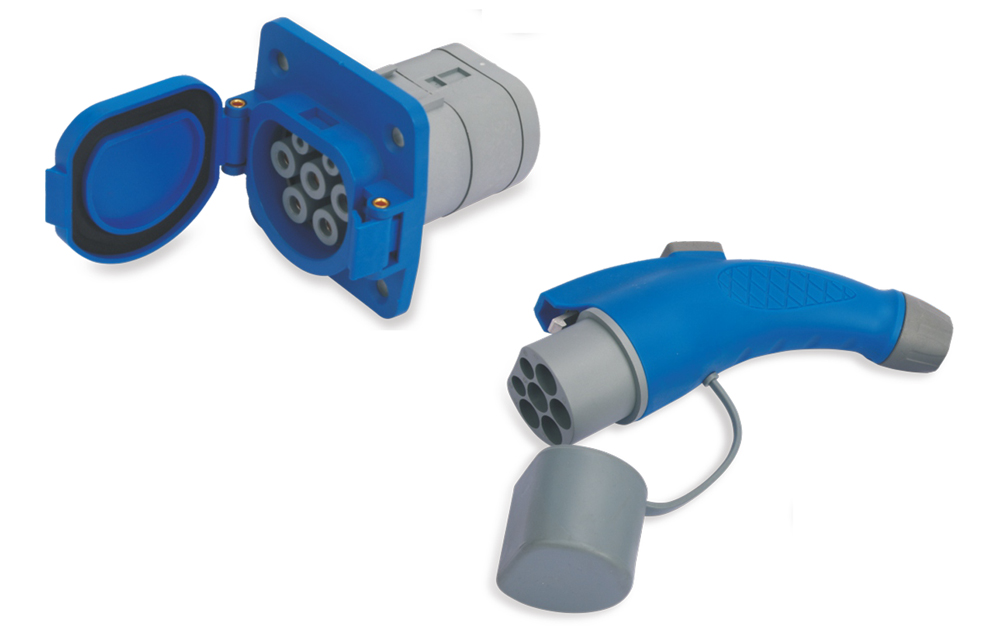
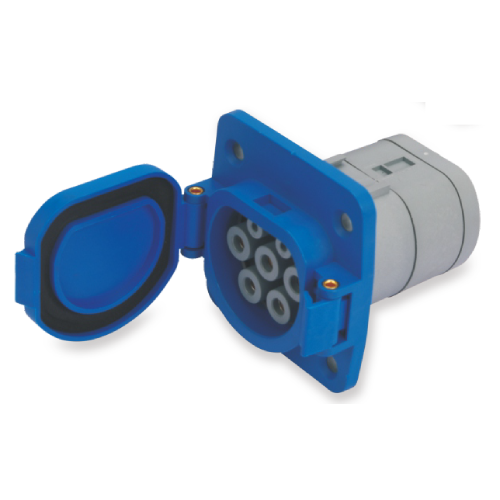
EV Charger Socket 16A 32A 1 Phase 3 Phase 7Pins for Vehicle Charging Station
EV Charger Socket is engineered for robust performance and long-term reliability, meeting stringent international standards for electric vehicle supply equipment (EVSE).
Ask a Quote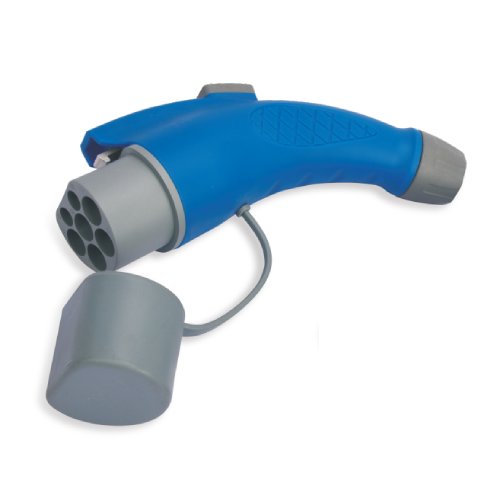
EV Charger Plug 16A 32A 1 Phase 3 Phase 7Pins for Vehicle Charging Station
EV Charger Plug is engineered for robust performance and long-term reliability, meeting stringent international standards for electric vehicle supply equipment (EVSE).
Ask a QuoteEV Charging Plug Selection: Global Standards for AC Charging
An EV charging plug is the critical interface between the charging cable and the vehicle’s inlet. Our plugs integrate power contacts for AC power transfer, signal contacts for communication between the charger and the vehicle (CP & PP), and a protective earth (PE) contact. Each connector system is engineered to meet strict mechanical, electrical, and environmental standards to ensure safe, reliable energy delivery.
EV Charging Plug Series Technical Specifications
Charging Standard Selection by Market
The charging standard is dictated by regional requirements and power levels. For the Chinese market, GB/T 20234 is the mandatory standard for all EVs and charging infrastructure. KRIPAL specializes in these high-reliability charging interfaces, ensuring seamless compatibility and safety for infrastructure projects and OEM requirements.
Current Rating and Cable Compatibility
KRIPAL charging plugs are available in 16A and 32A configurations. The cable cross-section is precisely matched to these ratings to ensure optimal electrical performance. Our plug housings feature a robust design with a strain relief mechanism that protects the cable at the entry point, significantly extending service life in high-usage public charging environments.
Contact Temperature Monitoring & Safety
Safety is our priority. Our connectors are designed with advanced anti-electric shock terminals and a fully sealed construction for all internal electrical components. These features effectively prevent thermal issues and protect against external contaminants, ensuring consistent connectivity throughout the charging process.
Mechanical Durability and Environmental Protection
KRIPAL EV plugs are rigorously tested for a mechanical life exceeding 10,000 cycles, ensuring long-term reliability for daily use. The housing is molded from high-grade flame-retardant materials (UL94V0), providing excellent impact resistance. Rated at IP54, our connectors are fully protected against splashing water, ensuring durable, high-performance operation in outdoor environments.
Specify EV Charging Plugs for Your Charger Platform
- Connector Selection Matrix: Simply specify your target markets and charging power levels, and we will recommend the optimal connector standard and model, complete with full certification status.
- OEM Evaluation Samples: Request pre-production samples of our EV plugs for mechanical fit-checks, comprehensive electrical testing, and seamless integration with your charger design.
- Cable Assembly Service: We offer professional pre-assembly services—supplying plugs pre-connected to your specified cable type and length, 100% electrically tested, and ready for immediate installation on your production line.
EV Charging Connectors for Residential, Commercial and Public Infrastructure
KRIPAL EV charging plugs and sockets serve as the critical interface between charging infrastructure and electric vehicles. From residential wall boxes to public destination charging, our products are engineered for high performance, reliability, and environmental durability to ensure a seamless charging experience for EV drivers.
Residential and Workplace AC Charging Wall Boxes
Home and workplace AC chargers (typically 16A or 32A) utilize KRIPAL’s high-performance plugs. The TPU housing and cable strain relief are engineered to survive daily handling, including impacts or drops in garages. The fully sealed internal electrical components and silver-plated contacts ensure low contact resistance and long-term reliability even in unheated, humid environments.
Public AC Destination Chargers
AC chargers at hotels, shopping centers, and parking garages utilize KRIPAL’s 16A and 32A plugs, featuring reinforced cable strain relief to support the high usage rates typical of public charging locations. The connector housing is available in custom colors and can be molded with the network operator’s logo for brand identity. The mechanical durability of over 10,000 cycles supports years of daily service, and the modular design allows for efficient field-serviceable maintenance.
Highway Corridor DC Fast Charging Hubs
For high-demand AC charging hubs, KRIPAL plugs provide consistent performance with a focus on safety and durability. These connectors feature an anti-electric shock design and are constructed from high-grade, flame-retardant materials (UL94V0) to ensure protection in high-usage environments. The IP54 rating ensures the connector is protected against water splashing from any direction.
Fleet Charging Depots
Fleet charging centers, such as logistics hubs, require reliable charging interfaces for overnight operations. KRIPAL’s plugs feature an IP54 mated rating and enhanced housing durability to protect against environmental contaminants. Our connectors are designed for high-frequency connection cycles, ensuring consistent electrical performance and reducing the risk of downtime for fleet vehicles.
China Market AC/DC Charging Networks
KRIPAL manufactures GB/T 20234.1/2-2015 compliant connectors for the Chinese market. These products are manufactured on dedicated lines with rigorous testing, including 10,000-cycle mating endurance. Plugs are available with both Chinese and English labeling and documentation to support domestic charger OEMs and international partners exporting to the Chinese market.
Source EV Charging Plugs for Your Charger Platform
- Multi-Standard Connector Strategy: Our application engineers will assist you in selecting the precise connector standards, current ratings (16A/32A), and cable types required for each of your target markets.
- Pre-Certification Support: We provide comprehensive type-test reports and relevant Declarations of Conformity for our products to facilitate your charger’s CE, UL, or CCC certification submissions.
- Cable Assembly Production: Reduce your assembly labor costs by ordering plugs pre-terminated to your specified cable; each assembly is 100% electrically tested and serialized to ensure full traceability.
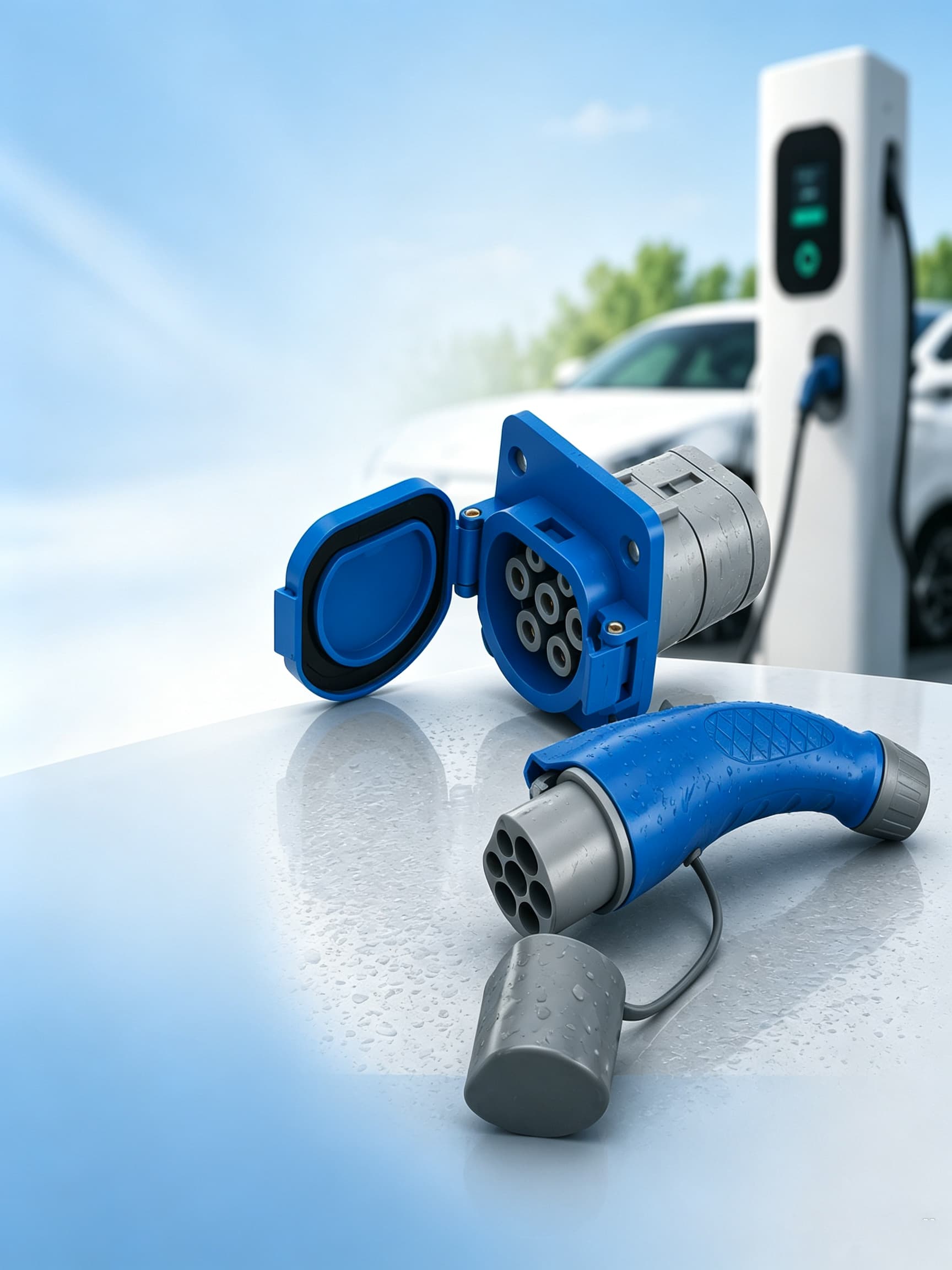
KRIPAL EV Charging Plug Manufacturing: Certified for Global Infrastructure
KRIPAL EV charging plugs are manufactured in a dedicated assembly facility, where high-grade thermoplastic materials (UL94V0) are precision-molded and electrical components are integrated. Every charging plug undergoes rigorous testing, including continuity, insulation resistance, and signal verification, to meet the highest safety requirements for global charging station manufacturers.
Contact Pin Precision
We utilize high-quality, silver-plated copper alloy contacts designed for optimal electrical conductivity. Each contact pin is engineered to provide superior performance and reliability, maintaining low resistance throughout the connector’s service life.
Locking Mechanism and Reliability
Our plugs feature a robust mechanical design, ensuring a secure connection and reliable operation. Each assembly undergoes endurance testing to guarantee that the locking mechanism functions smoothly over the product’s lifespan, with a proven mechanical life exceeding 10,000 cycles.
Strain Relief and Cable Sealing
The cable entry point is engineered to ensure a fully sealed design for internal electrical components, achieving an IP54 protection rating. This robust construction protects against environmental contaminants and provides excellent strain relief, ensuring the integrity of the connection in demanding outdoor conditions.
CP and PP Signal Path Verification
Every EV charging plug undergoes comprehensive testing on the Control Pilot (CP) and Proximity Pilot (PP) signal paths. This ensures accurate communication between the charging station and the vehicle, preventing potential communication failures during the charging process.
Distributor Stock Holding Programs
KRIPAL supports distributor inventory programs with agreed stock levels for standard EV charging plug models. We coordinate shipments and scheduled replenishment to maintain stable supply and consistent fill rates for our partners.
Private Label and OEM Branding
We offer extensive customization, including personalized colors and labels to match your brand identity. Unbranded supply is also available upon request for private label production.
Multi-Region Certification and Compliance Support
We provide necessary compliance documentation in line with applicable regional standards (such as GB/T 20234) to support your EVSE system conformity assessments. Our technical files are maintained to reflect the latest regulatory requirements.
Direct Technical Access to KRIPAL Production Engineers
Our clients gain direct access to our product engineering team for technical support. We prioritize clear communication, ensuring application questions are addressed efficiently by the experts who design and test your charging interfaces.
Frequently Asked Questions
Explore FAQ >Recent Blog
Explore Blog >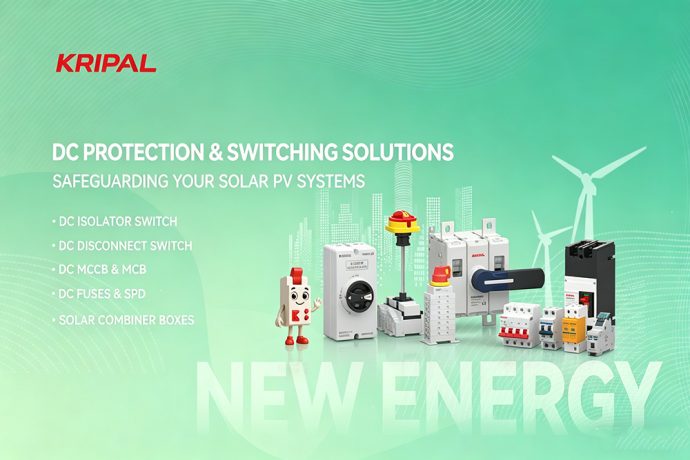
DC Safety Solutions for Solar PV and EV Charging Systems in a Changing Energy Market
Explore DC safety solutions for solar PV and EV charging systems. Reliable DC isolator switches and circuit breakers for the changing energy market.
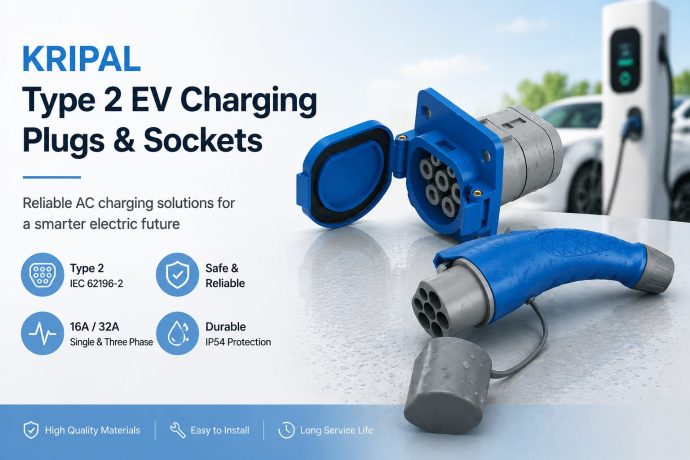
EV Charging Connector Types Explained: Type 2 vs CCS vs GB/T vs CHAdeMO vs NACS
Compare Type 1, Type 2, CCS, GB/T, CHAdeMO, and NACS charging connectors by region, power, application, and communication protocol.
Direct from Manufacturer
How Can We Assist You?
Tell us a bit more so we can route your request to the right engineer. Get factory-direct pricing and custom specifications within 24 hours.