Search
Float Switches for Liquid Level Control | 10A-16A | Pump Tank Control | IP68
Outdoor Waterproof Switch-Float Switch
KRIPAL manufactures float switches in the UKY series for liquid level detection and control in water, wastewater, industrial process and agricultural applications. These cable-suspended float switches use a microswitch inside a sealed polypropylene/polycarbonate float body that tilts as the liquid level rises and falls, opening or closing an electrical circuit to start or stop a pump, open or close a valve, or activate an alarm. Available with flexible electrical connections using black, blue, and brown wires for different circuit logic, with standard cable lengths (such as 4 meters) and rated for switching currents up to 16A (8A) or 10A at 250V AC. The float body is molded with a seamless design that provides IP68CS protection for continuous immersion in water and most solutions up to 80 degrees Celsius. The flexible cable works with a counter weight that anchors the pivot point, controlling the switching angle and level control scope. The UKY is available in pump-up (emptying) and pump-down (filling) configurations, with the switching differential determined by the cable length and counterweight position. Certified to meet operational standards, KRIPAL float switches are used in mineral industry and civilian construction for pool and water tower level control, pump protection, and industrial process monitoring.
Get A Quote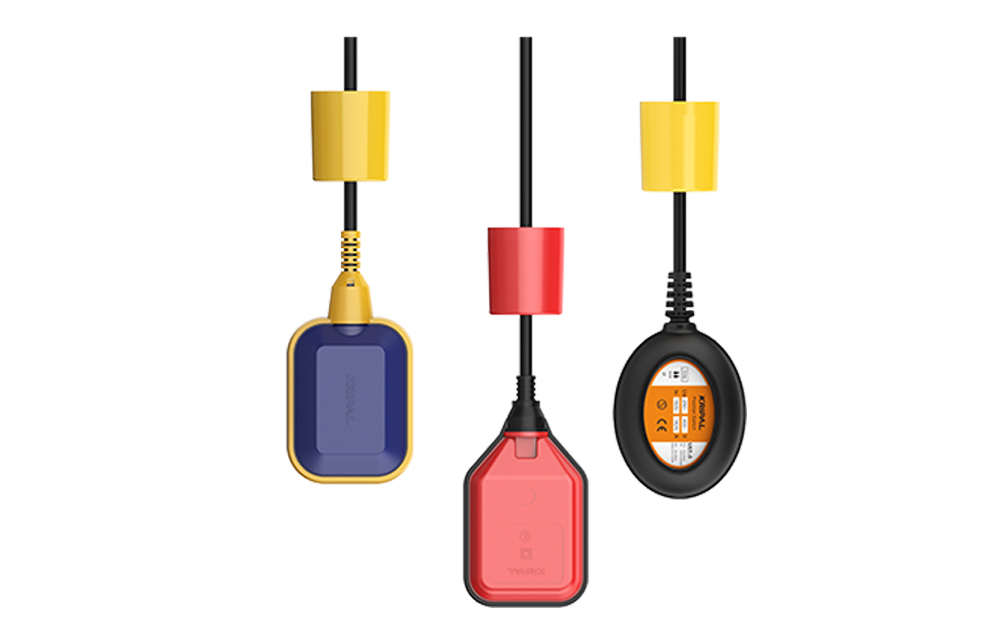
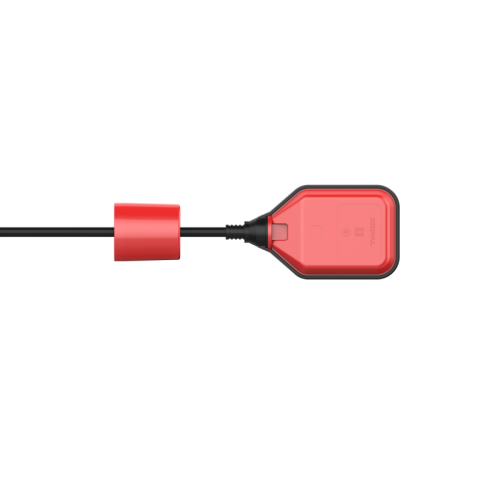

UKY-1 Float Level Switch 3m/5m/10m Wire Cable Water Level Controller Red
KRIPAL UKY Series Float Level Switch provides an efficient and reliable solution for automatic liquid level control in various environments.
Ask a Quote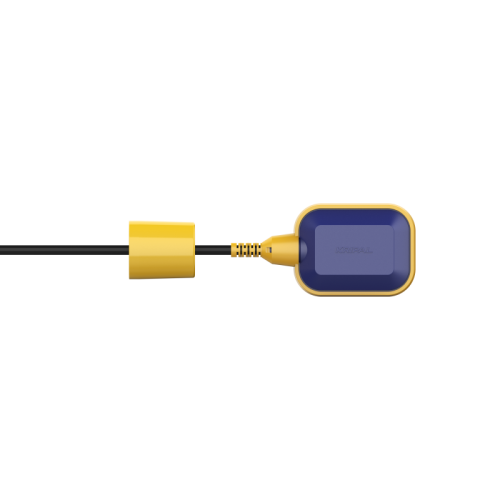
UKY-2 Float Level Switch 3m/5m/10m Wire Cable Water Level Controller Blue
KRIPAL UKY Series Float Level Switch provides an efficient and reliable solution for automatic liquid level control in various environments.
Ask a Quote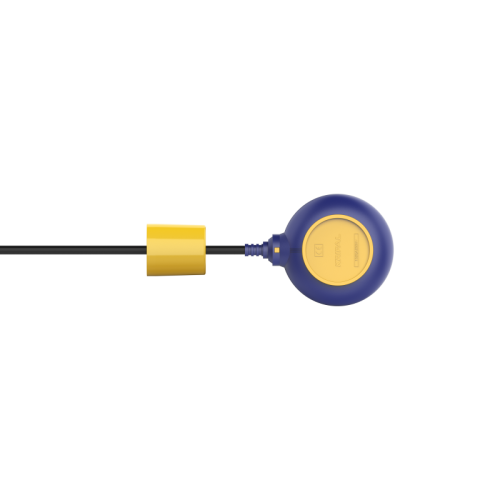
UKY-3 Float Level Switch 3m/5m/10m Wire Cable Water Level Controller Round
KRIPAL UKY Series Float Level Switch provides an efficient and reliable solution for automatic liquid level control in various environments.
Ask a Quote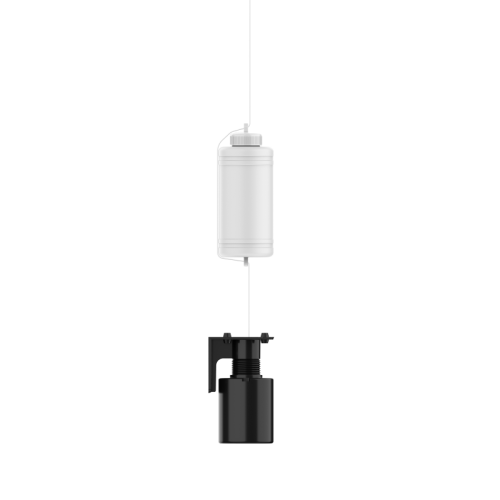
UKY-70AB Float Level Switch 15A Water Level Controller Industrial Side Mount
KRIPAL UKY Series Float Level Switch provides an efficient and reliable solution for automatic liquid level control in various environments.
Ask a QuoteFloat Switch Selection for Water and Liquid Level Management
A float switch is a simple, reliable liquid level sensor that requires no external power supply and has no complex electronic components to fail. The float body contains a microswitch that is triggered as the float tilts, closing or opening the electrical contacts. The float is suspended by its cable at a fixed point via a counter weight, and the liquid level at which the switch operates is determined by the free cable length between the float and the anchor point. When the liquid level rises, the float tilts upward and the switch changes state; when the level falls, the float tilts downward and the switch returns to its original state. This selection guide covers contact configuration, pump-up (emptying)/pump-down (filling) logic, electrical connections (such as black, blue, and brown wires), and installation.
UKY Float Switch Series Technical Specifications
Contact Configuration and Pump Control Logic
The UKY is available in flexible electrical connection configurations using black, blue, and brown wires. Using the black and blue wires, the contact is in an “on” status when the floating ball is on the low water level and “off” status when on the high water level, suitable for water tank filling (filling/pump-down control). Using the black and brown wires, the contact is “off” when on the low water level and “on” when on the high water level, suitable for water tower emptying (emptying/pump-up control). For complex system requirements, specific requirements and high/low level sealing can be provided.
Cable Type and Chemical Compatibility
The UKY series is equipped with standard reliable cabling containing a grounding wire (colored yellow or green). It is suitable for branch water, sewage, acid-base solutions of less than medium concentration, oils, and situations requiring no pollution (such as the food and drinks industry), diesel oil gasification, and automatic fuel feeding. The cable should be led directly to the control box while avoiding intermediate joints, and any necessary joints must never be immersed in water.
Float Body Construction and Sealing
The UKY float body features a streamlined shell construction (with outline codes such as trapezium, rectangle, large/small circular, or ellipse options) and is built with a microswitch, up/down side corpus rims, a push pole, and sealed edges. It provides IP68CS protection (or IP23CS for specific variants like UKY70-AB). The internal microswitch is a reliable unit designed for mechanical endurance of ≥ 100000 times and electrical endurance of ≥ 50000 times. The product is designed with simple construction and strong anti-interference performance.
Installation and Switching Differential
The UKY is installed by inserting the cable into the counter weight (either plastics loop-tightened type or plastics clamp-plate screw tightened type) from the conical part to set the desired liquid level and anchor pivot point. The liquid level control scope can be adjusted easily by securing the cable signal with the counterweight. The water level controller should be horizontally installed in the pool, ensuring the float has sufficient clearance to operate reliably without obstruction.
Specify Float Switches for Your Level Control
- Application Specification: Describe your liquid type, tank depth, and control logic, and we can recommend the appropriate UKY configuration and cable length.
- Installation Guidance: Request an installation diagram showing the correct float anchor position, using counterweights to set your required liquid level control scope.
- OEM/Project Supply: Source UKY float switches in bulk for your pump station, mineral industry, civilian construction, or water treatment projects.
Automatic Level Control for Water Tanks, Sump Pumps and Industrial Processes
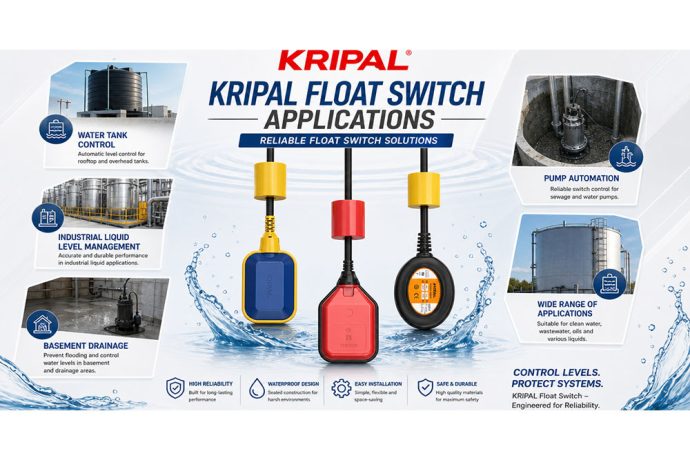
KRIPAL UKY float switches provide simple, reliable liquid level detection for pump control, alarm activation and process monitoring across water, wastewater, industrial and agricultural sectors. With no complex electronics and no external power required for the sensing function, the float switch operates reliably in remote locations, wet environments and applications where powered sensors would be impractical.
Sump and Sewage Pump Control
Domestic and commercial sump pits use UKY float switches to control the sump pump. Two floats are installed: a lower float (pump OFF) and an upper float (pump ON). When water rises to the upper float, the pump starts and runs until the water level drops below the lower float, then stops. This dual-float configuration provides the hysteresis needed to prevent rapid pump cycling. A third high-level alarm float can be installed above the pump-ON float to activate an audible alarm if the pump fails.
Water Storage Tank Fill Control
Elevated water storage tanks use UKY float switches for pump-down/filling control (or water tower emptying). A float at the low level starts the borehole or transfer pump, and a float at the high level stops it. Flexible electrical connection configurations using black, blue, and brown wires allow installers to match the required circuit logic. For tanks in remote locations, the float switch directly controls the pump contactor, with no PLC or controller required.
Wastewater Treatment Plant Level Control
Wastewater treatment plants use UKY float switches in wet wells, aeration tanks and clarifiers for pump control and high/low level alarm. The polypropylene float body resists moisture and acid-base solutions of less than medium concentration, and the reliable cable with a built-in grounding wire withstands the mechanical stress of installation in deep wet wells.
Agricultural Irrigation and Drainage
Farm irrigation systems use UKY float switches for canal and sump level control, and for automatic pump start/stop based on water level in storage ponds. The float switch operates reliably in branch water, sewage, and demanding environments typical of agricultural applications.
Industrial Process Tank Level Monitoring
Industrial process tanks for chemicals, oils and process water use UKY float switches with proper cabling for level control. The flexible wiring configurations provide precise contact status for high and low liquid levels. The polypropylene float body and reliable cable construction are compatible with oils, food and drinks industry applications, and various process fluids.
Specify Level Control for Your Application
- Application Review: Our engineers review your liquid, tank, and control requirements and recommend the UKY configuration.
- Installation Support: Request a switching differential calculation and anchor position diagram (using counter weights to set the liquid level control scope) for your tank.
- Bulk Supply: Source UKY float switches in project quantities for pump stations and water treatment projects.
KRIPAL Float Switch Manufacturing: Reliable Level Detection
KRIPAL float switches are manufactured in a dedicated assembly where the microswitch mechanism is built within a streamlined float body, the counterweight and cable assembly are integrated, and the complete switch undergoes rigorous operation. Each float switch is designed for global liquid level control in water, wastewater, branch water, sewage, and industrial fluid applications.
Microswitch Assembly and Sealing Within Float Body
A reliable microswitch is mounted inside the float body along with an up/down side corpus rim, a push pole, and sealed edges. The float body is securely sealed to maintain protection. Each sealed float is designed to withstand working temperatures up to 80 degrees Celsius.
Switching Angle and Differential Calibration
The internal microswitch is positioned to provide stable and reliable switch control signals of making and breaking without any fault action. The liquid level control scope can be adjusted easily by securing the cable signal with a single screw.
Counterweight and Cable Assembly
A flexible cable containing a grounding wire (colored yellow or green) is attached to the float body. The adjustable counterweight (available as plastics loop-tightened type or plastics clamp-plate screw tightened type) is fitted to the cable to determine the effective switching level and anchor pivot point. The cable should be led directly to the control box while avoiding intermediate joints.
Contact Rating and Function Testing
Every float switch undergoes functional operation with an operation voltage of 250V (or 380V/120V) and a current up to 16A (8A), 10A (8A), or 10A (4A), meeting a mechanical endurance of ≥ 100000 times and an electrical endurance of ≥ 50000 times.
Distributor Stock Holding Programs for Float Switches
KRIPAL supports distributor inventory programs with standard float switch configurations and specified cable lengths (such as standard 4-meter cables). Custom requirements and special specifications are available with defined lead times.
Private Label and OEM Branding for Float Switches
Custom branding, packaging, and bundled counterweight options are available. KRIPAL supports the supply of float switches with customer-specified configurations and custom enclosure body colors (such as red, yellow, blue, gray, and black) for brand identification.
Multi-Region Certification and Compliance Support
CE and relevant compliance documentation is provided to meet operational protection grades such as IP68CS (or IP23CS for specific variants).
Direct Technical Access to KRIPAL Assembly Engineers
Your technical team can communicate regarding application questions, including electrical connections using black, blue, and brown wires, fluid compatibility, and custom switching configurations.
Frequently Asked Questions
Explore FAQ >Recent Blog
Explore Blog >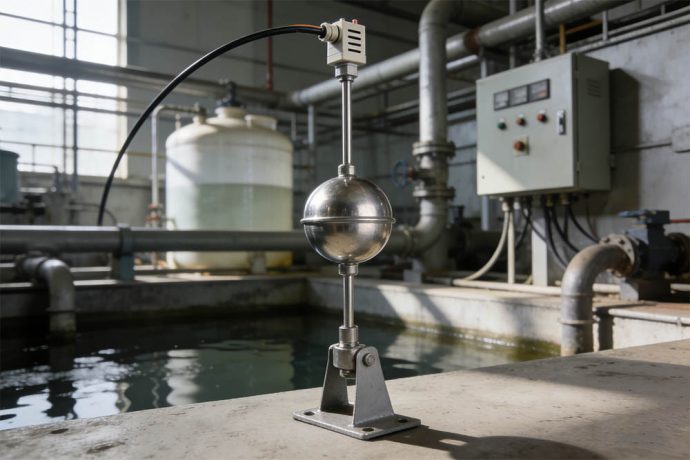
Comprehensive Guide to Float Switches
Learn about float switch types, normally open vs normally closed operation, wiring best practices, and applications for sump pumps, water tanks, and industrial level...
The Ultimate Guide to Float Switch Selection and Application: A Guide for Global B2B Buyers
Complete guide to KRIPAL float switch selection, wiring and application. Learn about submersible & top-mounted liquid level switches for pumps and industrial systems.
Direct from Manufacturer
How Can We Assist You?
Tell us a bit more so we can route your request to the right engineer. Get factory-direct pricing and custom specifications within 24 hours.