Search
PV DC Isolator Switches for Solar Array Isolation | 16A-63A | 600V-1500V DC | TUV
Isolator Switch - PV DC Isolator
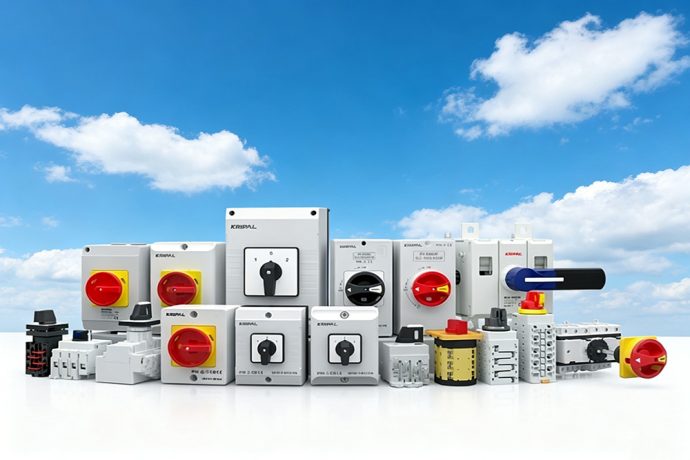
KRIPAL manufactures PV DC isolator switches in the UKGD and UKPD series, specifically designed for photovoltaic array DC-side isolation in rooftop and ground-mount solar installations. These DC-rated rotary isolators provide a visible air-gap disconnection for safe maintenance of PV modules, inverters and DC cabling, with rated operational voltages up to 1500V DC and rated currents from 16A to 63A.The switches feature a double-break contact mechanism per pole with permanent magnet arc extinguishing that ensures reliable DC load-break switching without external arc chutes, and a non-polarized design that interrupts fault current in either direction. The IP66 weatherproof polycarbonate enclosure with UV stabilization is rated for outdoor installation adjacent to the PV array, equipped with cable glands for DC cable entry and a lockable rotary handle with clear ON-OFF position indication visible from 5 meters.An optional pre-wired MC4 connector version provides plug-and-play connection to standard PV string cables without opening the enclosure. Certified to IEC 60947-3 with DC-PV2 utilization category for photovoltaic applications, KRIPAL PV DC isolators are installed at every PV array where wiring regulations require a means of isolating the DC source circuit from the inverter.
Get A Quote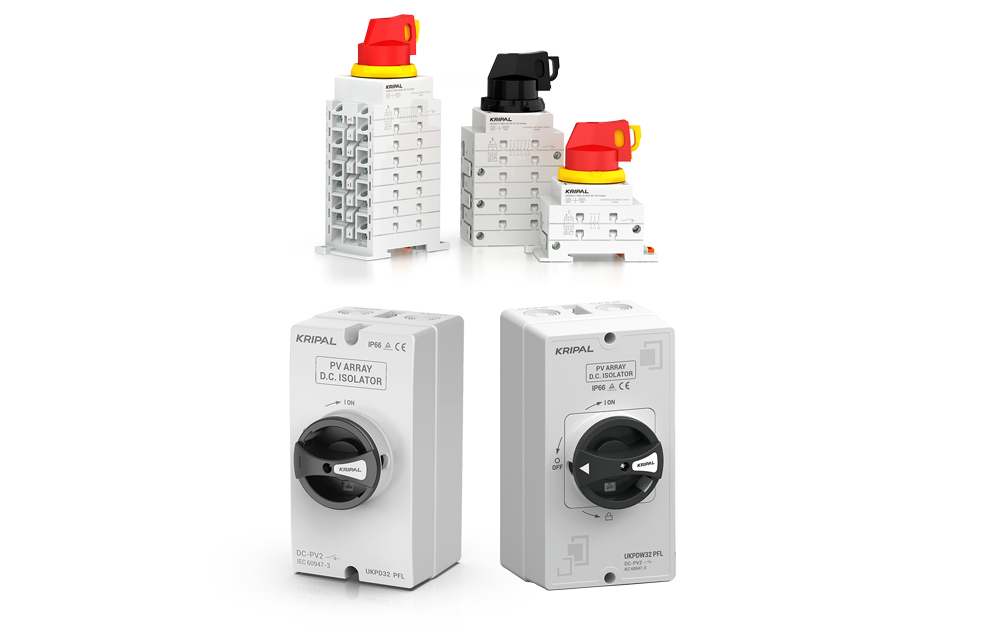
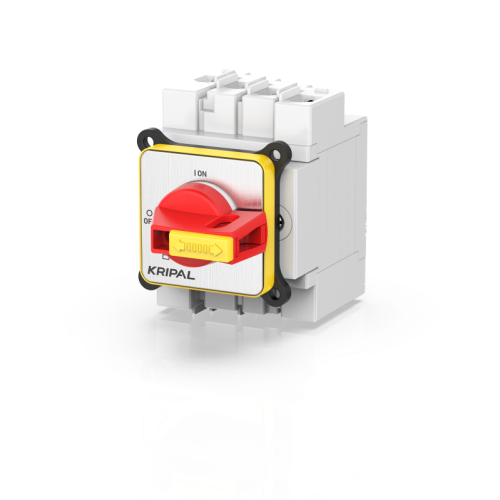


UKPD32-EH1 PV DC Isolator Switch 32A 4 Pole 1200V DC Switch Disconnector Panel Mount
UKPD32 Series Photovoltaic DC Isolating Switch with a maximum rated voltage of DC 1200V and a rated current of up to 32A.
Ask a Quote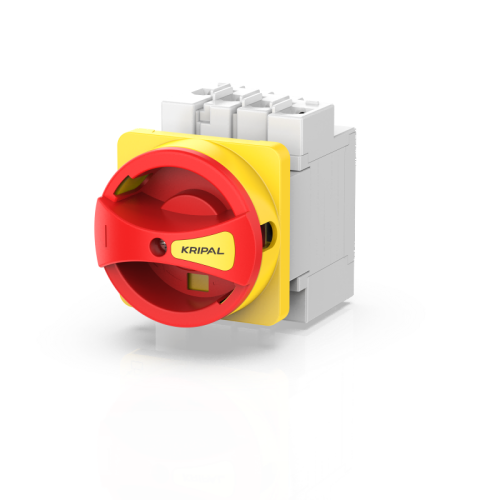
UKPD32- EH4 DC Isolator Switch 32A 4 Pole 1200V DC Disconnect Switch Panel Mount
UKPD32 Series Photovoltaic DC Isolating Switch with a maximum rated voltage of DC 1200V and a rated current of up to 32A.
Ask a Quote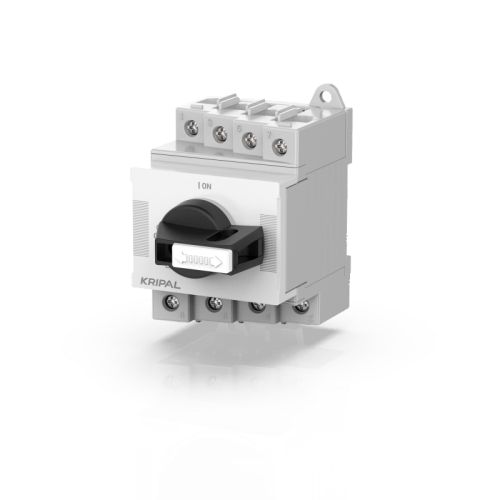
UKPD32-SMAH1 DC Isolator Switch 4P 32A 1200V DC Solar Switch Disconnector DIN Rail Mount
UKPD32 Series Photovoltaic DC Isolating Switch with a maximum rated voltage of DC 1200V and a rated current of up to 32A.
Ask a Quote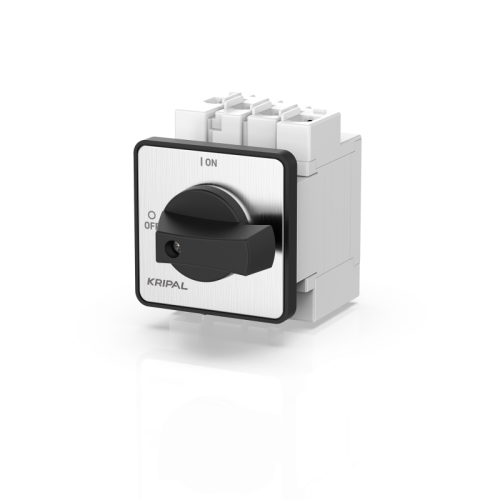
UKPD32-E DC Isolator Switch 32A 4Pole 1200V DC PV Solar Switch Disconnector Single Hole Mounting
UKPD32 Series Photovoltaic DC Isolating Switch with a maximum rated voltage of DC 1200V and a rated current of up to 32A.
Ask a Quote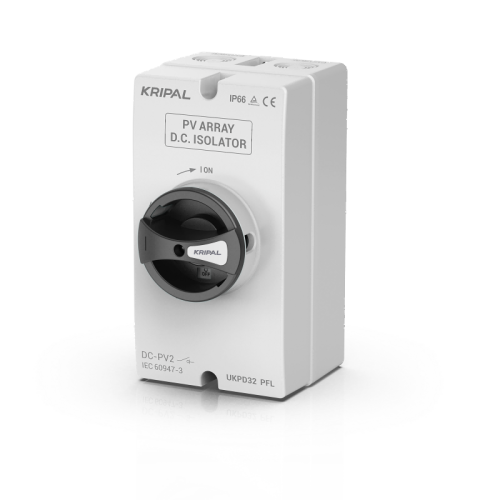
UKPD32-PFLH4 PV Solar Isolator Switch 32A 4 Pole 1200V DC Disconnect Switch IP66
UKPD32 Series Photovoltaic DC Isolating Switch with a maximum rated voltage of DC 1200V and a rated current of up to 32A.
Ask a Quote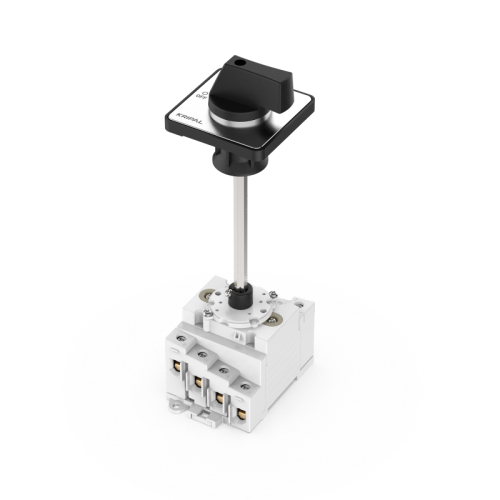
UKPD32-VZV DC Isolator Switch 32A 4P Pole 1200V DC PV Switch Disconnector Rear Mounting
Ideal for industrial control systems, renewable energy installations etc.
Ask a Quote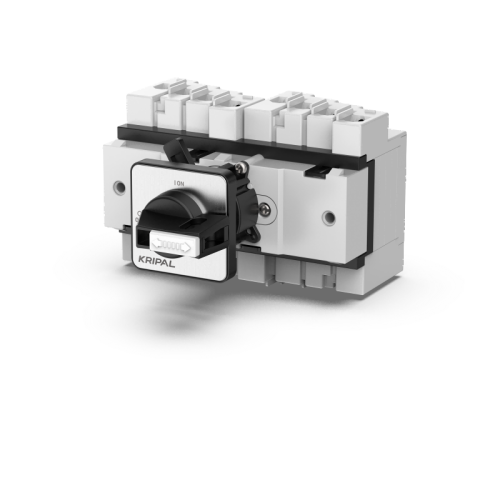
UKPD32-A8 DC Isolator Switch 8P Pole 32A 1200V DC Solar Switch Disconnector Single Hole Mount
UKPD32 Series Photovoltaic DC Isolating Switch with a maximum rated voltage of DC 1200V and a rated current of up to 32A.
Ask a Quote
UKGD63 DC Isolator Switch 1500VDC for PV System Disconnection Central Inverter Protection
Compliant with international standards: GB/T 14048.3, GB/T 14048.1, IEC 60947.1, and IEC 60947.3.
Ask a Quote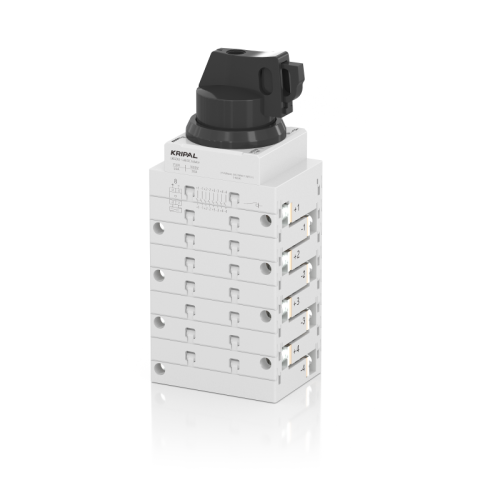
UKGD63 PV Solar Isolator 8P Pole 63A 1500V DC Disconnect Switch
Compliant with international standards: GB/T 14048.3, GB/T 14048.1, IEC 60947.1, and IEC 60947.3.
Ask a QuotePV DC Isolator Selection for Solar Array Safety Compliance
A PV DC isolator is a manually operated switch installed in the DC circuit between the PV array and the inverter, providing a guaranteed air-gap isolation for safe maintenance of the array, inverter or DC cabling. IEC 60364-7-712 requires a means of isolating the PV array on the DC side, and the UKGD and UKPD series satisfy this requirement with a switch rated for the DC voltage and current of the PV array. The isolator must be rated to break the full array short-circuit current at the array’s maximum system voltage, and the UKGD and UKPD series’ DC-PV2 utilization category certifies it for this duty. The IP66 enclosure allows the isolator to be installed outdoors adjacent to the array, and the lockable handle provides the lockout-tagout facility for maintenance safety. This selection guide covers voltage rating, current rating, enclosure options and installation requirements.
UKGD and UKPD Series PV DC Isolator Technical Specifications
DC Voltage Rating and Array Matching
The UKGD and UKPD series are rated at 250V, 500V, 750V, 1000V and 1500V DC per pole, with total voltage achieved via series-connected poles. For instance, a 600V DC residential array typically uses a 4P 250V DC isolator with series-connected poles, providing 1000V total isolation to exceed requirements with a 40 percent safety margin. For 1500V DC utility-scale arrays, a 4P 500V DC or 6P 250V DC unit is specified. Per IEC 62548, the voltage rating must be at least 1.2 times the array’s maximum system voltage, as detailed in KRIPAL’s datasheet selection chart.
DC-PV2 Load-Break Rating and Safety
The IEC 60947-3 DC-PV2 utilization category certifies the UKGD and UKPD series to make and break 1.5 times the rated operational current at 1.1 times the rated operational voltage under worst-case full-irradiance load conditions. A permanent magnet arc extinguishing system splits the DC arc within the double-break contact gap, forcing the voltage above system levels to extinguish it within 15 milliseconds. Additionally, the non-polarized design reliably interrupts fault current regardless of direction, preventing fire hazards associated with reversed polarized units.
IP66 Weatherproof Enclosure and Outdoor Installation
Molded from UV-stabilized polycarbonate, the UKGD and UKPD series IP66 enclosure is dust-tight and protected against powerful water jets from any direction per IEC 60529. Bottom-mounted IP68 cable glands (M20, M25) and a built-in condensation drain valve maintain sealing integrity across thermal breathing cycles. For added safety, the OFF position handle can be securely padlocked.
MC4 Connector Version for Plug-and-Play Installation
The UKGD and UKPD-MC4 variant features pre-wired, factory-crimped MC4-compatible connectors tested to a minimum 310N pull-out force per IEC 62852. This plug-and-play design cuts on-site installation time from 45 minutes down to under 5 minutes. Furthermore, it eliminates internal screw terminal connections, removing the risk of high-resistance contact and associated DC arc faults.
Specify PV DC Isolators for Your Solar Installation
- Isolator Sizing: Provide your PV array Voc, Isc and configuration, and we specify the correct UKGD and UKPD series model with pole count.
- MC4 Integration: Request the pre-wired MC4 version for fast on-site installation and reduced DC termination risk.
- OEM Supply: Source UKGD and UKPD series isolators in bulk with custom labeling for your PV installation or combiner box business.
Mandatory DC Isolation for Rooftop, Ground-Mount and Inverter Integration
KRIPAL UKGD and UKPD series PV DC isolators are installed at every photovoltaic array where a manual DC isolation point is required by wiring regulations or site safety plans. From rooftop isolators on residential installations to array-level isolators on utility-scale solar farms, the UKGD and UKPD series’ IP66 enclosure, non-polarized DC switching, and lockable handle provide the isolation safety required for maintaining PV equipment and DC cabling.
Residential Rooftop PV Array Isolator
A typical residential PV installation uses a UKGD and UKPD series DC isolator mounted on the roof adjacent to the array, providing the array-level DC isolation required by regulations such as BS 7671 Section 712. Electricians can isolate the array at roof level before disconnecting DC cables at the inverter, eliminating the risk of DC arc flashes from live cables being disconnected under load. The IP66 enclosure withstands roof-level exposure to rain, snow, and direct sunlight over the 25-year lifespan of the PV system. Additionally, the lockable OFF position allows electricians to apply a personal padlock before working on inverter DC connections.
Commercial Rooftop Sub-Array Isolator
Commercial rooftop PV systems utilize UKGD and UKPD series isolators at each sub-array, enabling specific roof sections to be de-energized for maintenance while remaining areas continue power generation. The pre-wired MC4 connector version enables rapid installation across large roof areas by allowing crews to simply plug isolators into string cables and mount them to the roof structure. The enclosure design allows O&M technicians to easily manage isolation protocols before performing module cleaning or replacement work.
Utility-Scale Solar Farm Array Disconnect
Utility-scale solar farms use UKGD and UKPD series isolators at the output of array combiner boxes to provide the final DC isolation point before feeder cables run to inverter stations. In these large-scale installations, the DC isolator serves as a lockout point during inverter maintenance, allowing teams to secure the DC supply before working on power modules. The non-polarized design is critical here, ensuring the isolator can interrupt current in either direction with equal reliability when reverse currents flow from adjacent healthy strings.
Battery Storage System DC Isolation
Residential and commercial battery storage systems use UKGD and UKPD series isolators as the DC disconnect between battery racks and hybrid inverters. The isolator provides essential means for maintenance or emergency disconnection as required by battery installation standards like IEC 62485-2. Installed adjacent to the battery rack with clear labeling, the lockable OFF position prevents accidental reconnection during module replacements, while the non-polarized design reliably handles both bidirectional charge and discharge currents.
Carport and Floating PV Array Isolation
Specialist PV installations—including carports, floating solar, and agrivoltaics—rely on UKGD and UKPD series isolators within IP66 enclosures to withstand harsh environmental challenges. Carport applications utilize impact-resistant polycarbonate enclosures, floating installations benefit from robust IP66 sealing against high humidity and saline atmospheres, and agrivoltaic setups are protected against agricultural dust and fertilizers. This robust enclosure engineering ensures reliable outdoor isolation across all specialized PV scenarios.
Specify DC Isolation for Your PV System
- Application Sizing: Our solar applications team reviews your PV array specifications and recommends the correct UKGD and UKPD series model.
- MC4 Pre-Wired Option: Reduce site labor and DC termination risk with factory pre-wired and tested MC4 isolators.
- OEM/Project Supply: Source UKGD and UKPD series isolators in bulk for your PV installation projects with project-specific documentation.
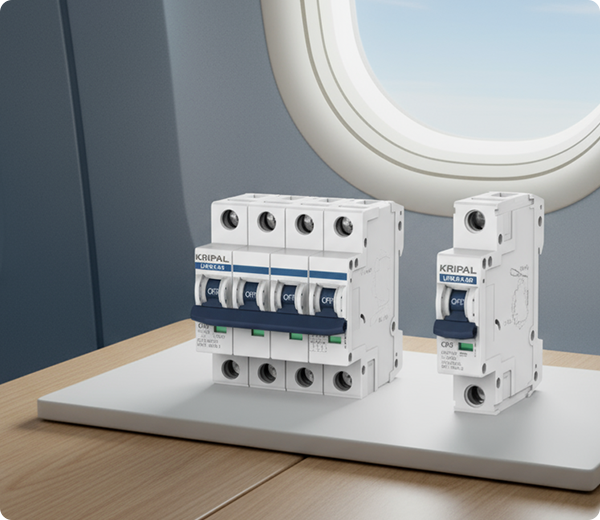
KRIPAL PV DC Isolator Manufacturing: Certified for PV Safety
KRIPAL PV DC isolators are manufactured on a dedicated production line where the DC-rated rotary switch mechanism, the IP66 UV-stabilized polycarbonate enclosure, and MC4-compatible cable entry options are assembled and tested. Each DC isolator undergoes DC switching test verification and dielectric withstand testing at 1500V DC for global solar PV array isolation and rooftop solar safety compliance.
DC-Rated Switching Mechanism with High Breaking Capacity
The DC isolator uses a snap-action rotary switching mechanism where contact opening speed is independent of handle speed, critical for safe DC interruption. The mechanism is tested with a DC switching test per IEC 60947-3 at the rated operational voltage (up to 1200V DC) and current. Contact gap in the OFF position is verified to exceed the minimum isolation distance for DC circuits.
UV-Stabilized IP66 Enclosure with SOLAR-Specific Sealing
Polycarbonate enclosures are injection-molded with UV stabilizer additives tested per ASTM G154 for 1000+ hours of accelerated exposure. The enclosure incorporates a breather drain to prevent internal condensation while maintaining IP66 rating. Silicone gasket seals are tested for compression set resistance after thermal aging to ensure long-term weatherproofing for 25-year solar installation life.
MC4 Connector and Cable Gland Entry Production Testing
DC isolators with pre-wired MC4 connector options undergo a pull-force test on every production batch to verify connector retention exceeds 80N. Cable gland entries are IP66 water-jet tested with the specified cable diameter range. All MC4 terminations are torque-verified during assembly to prevent hot-joint failures under sustained DC current.
1500V DC Dielectric Withstand Per Unit
Every PV DC isolator undergoes a dielectric withstand test at 1500V DC plus twice the rated operational voltage between open contacts and between all poles. The test voltage is applied for 60 seconds. Leakage current is monitored and recorded, with any unit exceeding the specified threshold rejected before shipment.
Distributor Stock Holding Programs for PV DC Isolators
KRIPAL supports distributor inventory programs with agreed stock levels for standard PV DC isolator models from 2-pole to 4-pole configurations with common voltage and current ratings. Pre-wired MC4 variants are stocked for rapid fulfillment to solar installation companies.
Private Label and OEM Branding for PV DC Isolators
Custom enclosure labeling with OEM branding, laser-marked part numbers, and project-specific documentation packages including individual test reports are available. Unbranded supply is provided upon request for private label production.
Multi-Region Certification and Compliance Support
CE, UKCA, and IEC 60947-3 with DC supplement compliance documentation is provided according to target export markets. AS/NZS 5033 compliance documentation is available for Australian PV installation requirements.
Direct Technical Access to KRIPAL Solar Products Engineers
Your technical team communicates with the engineers who designed and tested your PV DC isolators. Application questions including string voltage calculation, temperature de-rating, and RSD (Rapid Shutdown) compatibility receive answers within 24 hours during China business hours.
Frequently Asked Questions
Explore FAQ >Recent Blog
Explore Blog >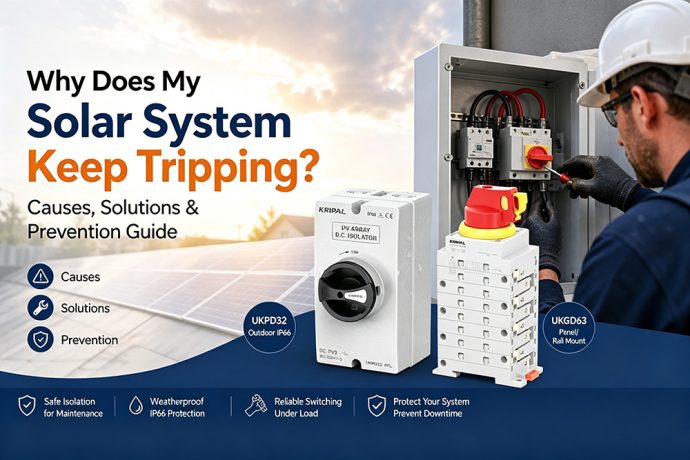
Why Does My Solar System Keep Tripping?
Why does your solar system keep tripping? Learn common causes like grid voltage, inverter faults, DC issues, and how to fix & prevent them...
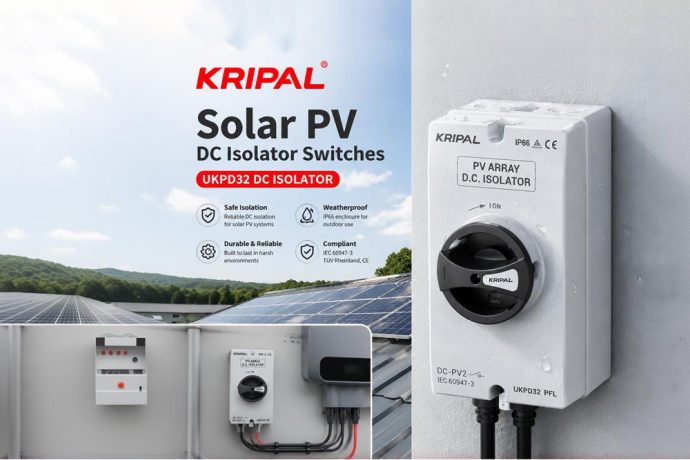
What Are Weatherproof Isolator Switches?
Learn what weatherproof isolator switches are, their IP65/IP66/IP67 ratings, and applications in solar, HVAC & industrial systems. Choose the right AC/DC isolator.
How Do Isolating Switches Compare to Main Switches?
Compare isolating switches and main switches for low-voltage electrical systems. Learn their key functions, safety roles, and typical applications in power distribution.
Direct from Manufacturer
How Can We Assist You?
Tell us a bit more so we can route your request to the right engineer. Get factory-direct pricing and custom specifications within 24 hours.