Search
Residual Current Circuit Breaker with Overcurrent Protection (RCBO) | Comprehensive Circuit Safety
Advanced Electrical Protection: Integrated Overload, Short-Circuit, and Earth Leakage Solutions
KRIPAL offers a robust range of RCBOs, combining MCB and RCD functions into a single modular device to provide integrated protection against overloads, short-circuits, and earth leakage. These units support diverse power requirements with rated currents from 6A to 125A, varying leakage sensitivities of 10mA to 300mA, and high breaking capacities up to 10kA. Designed for safety and reliability, they feature neutral line breaking, clear contact status indicators, and A-type or AC-type protection to prevent nuisance tripping from electronic loads. Compliant with IEC/EN 61009-1 and GB/T standards, KRIPAL RCBOs ensure consistent performance and support secure mounting on standard 35mm DIN rails for residential, commercial, and industrial applications.
Get A Quote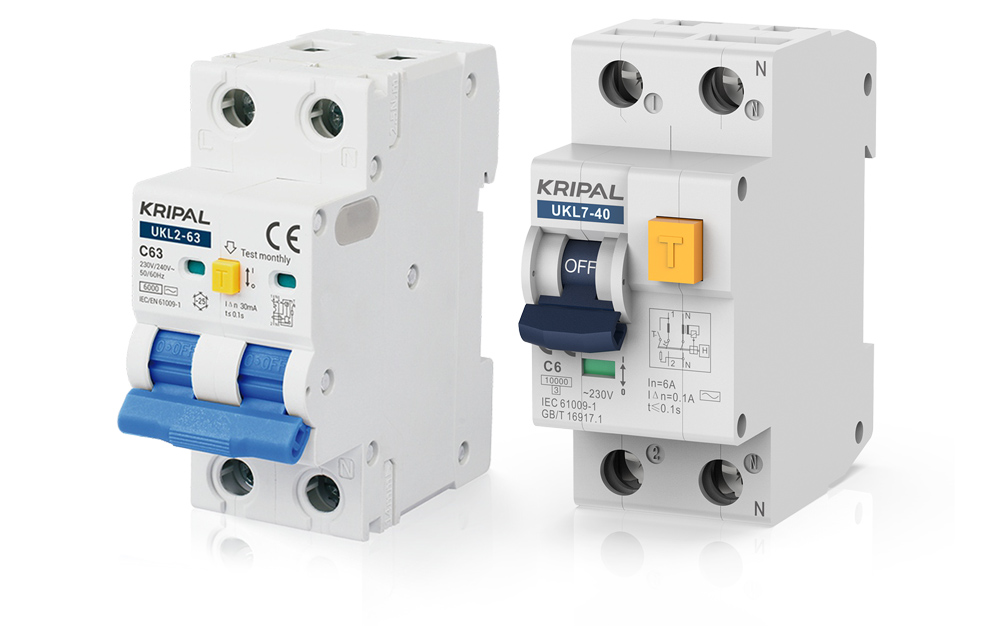
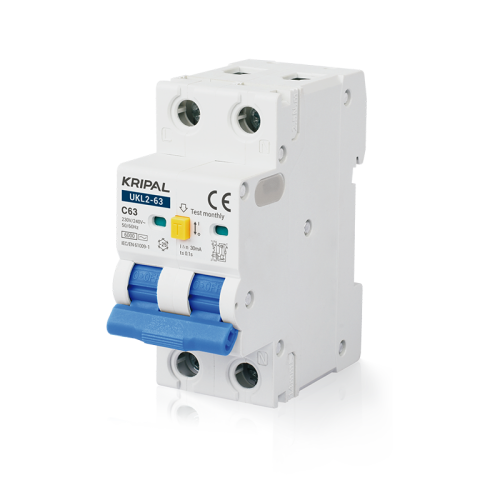
UKL2-63 RCBO 1P+N C63 30mA Residual Current Breaker with Overcurrent protection
The UKL2-63 RCBO (Residual Current Operated Circuit-Breaker with Overcurrent protection) is a highly efficient and compact electrical safety device.
Ask a QuoteRCBO Protection: Three Safety Functions in One Device
KRIPAL RCBOs integrate overloads, short-circuits, and earth leakage protection into a single modular device, safeguarding final circuits comprehensively. Providing per-circuit earth leakage protection, an earth fault on one line only disconnects that specific circuit rather than the entire system. These devices support rated currents from 6A to 125A, earth leakage sensitivities from 10mA to 300mA, and high breaking capacities up to 10kA to meet diverse residential, commercial, and industrial requirements. Designed for enhanced safety and reliability, they feature neutral line breaking, contact status indicators, and A-type or AC-type sensitivity to prevent nuisance tripping from electronic loads. Compliant with IEC/EN 61009-1 and GB/T standards, this selection guide helps match current ratings, trip curves (B and C), and breaking capacities to your specific circuit protection needs.
RCBO Technical Specifications & Selection Guide
RCBO vs. Separate MCB and RCCB: Selection Rationale
Choosing between an integrated RCBO and a separate MCB plus RCCB depends on your discrimination and installation requirements. An RCBO delivers per-circuit earth leakage protection, ensuring that an earth fault on one line only disconnects that specific circuit while keeping all other lines energized. While shared RCCB setups can protect multiple MCBs, they risk wider power outages when a single fault occurs. Covering rated currents from 6A to 125A, earth leakage sensitivities from 10mA to 300mA, and high breaking capacities up to 10kA, KRIPAL RCBOs provide superior fault discrimination and continuous power supply essential for commercial, residential, and industrial environments.
Earth Leakage Sensitivity and Standing Leakage
Standard 30mA RCBOs are widely used for personal protection, but circuits featuring electronic equipment—such as LED lighting systems, computer networks, and inverter-driven appliances—often experience cumulative standing leakage currents. To prevent nuisance tripping caused by high standing leakage relative to the trip threshold, installations should manage load distribution effectively. KRIPAL offers flexible sensitivity choices (10mA, 30mA, 100mA, and 300mA) alongside advanced A-type (pulsating DC sensitive) and AC-type protections to safely handle electronic loads without unwanted disconnections.
Trip Curve and Overcurrent Protection Coordination
KRIPAL RCBO overcurrent protection adheres to standard B-curve and C-curve tripping characteristics. B-curve units are suited for domestic circuits with minimal inrush, whereas C-curve options accommodate circuits with higher initial inrush currents from electronic drivers or small motors. The overcurrent protection functions independently of earth leakage detection, ensuring thermal elements respond to overloads and magnetic elements clear short-circuits instantly. High breaking capacities up to 10kA handle both overcurrent and residual faults effectively.
Fault Indication and Troubleshooting
KRIPAL RCBOs feature clear contact status indicators and fault-differentiating mechanisms to simplify electrical maintenance. When a trip occurs, visual status windows help electricians quickly identify operating conditions, avoiding time-consuming guesswork and streamlining troubleshooting for complex circuit layouts. Integrated neutral line breaking capabilities further enhance safety and reliability during maintenance across all supported configurations.
Specify RCBOs for Per-Circuit Protection
- RCBO Schedule: Provide your circuit schedule and we recommend the RCBO rating, curve and sensitivity for each circuit, optimized for discrimination and standing leakage tolerance.
- Consumer Unit Layout Support: Request a DIN-rail space calculation showing how your complete circuit complement fits within a standard consumer unit enclosure.
- Volume OEM Pricing: Contractor packs of 10 RCBOs in mixed ratings with a carrying case for electricians installing multiple consumer units per week.
Per-Circuit Safety for Modern Residential and Commercial Installations
KRIPAL RCBOs provide per-circuit complete protection in distribution boards where discrimination between circuits is required. From residential consumer units to commercial office boards and critical panels, this approach ensures that a fault on one line does not interrupt power to healthy circuits.
New-Build Residential Consumer Unit
Modern residential installations utilize individual RCBOs across lighting, heating, socket outlets, and dedicated appliance circuits. This configuration ensures that an earth fault on a single appliance trips only that specific line’s RCBO, leaving other household services fully operational. Electricians can install a complete complement of RCBOs on standard 35mm DIN rails within standard consumer unit enclosures.
Commercial Office Floor Distribution Board
Commercial distribution boards deploy RCBOs across workstation sockets, server room PDUs, and general lighting. Per-circuit earth leakage protection ensures that a localized fault trips only the affected line, allowing the rest of the workspace to remain operational. Integrated contact status indicators help facility electricians quickly distinguish between earth faults and overloads to streamline maintenance.
Medical and Critical Facility Panel Protection
Critical environments use per-circuit earth leakage protection with sensitive ratings (10mA to 300mA) to satisfy strict continuity requirements. This design ensures that localized faults do not disrupt essential systems on separate circuits. Routine testing and reliable fault discrimination help maintain safety compliance in demanding healthcare and industrial settings.
EV Charger Dedicated Circuit Protection
Dedicated circuits for high-power loads like electric vehicle chargers use robust RCBO ratings (such as 40A or higher) to combine overcurrent and earth leakage protection in one device. A-type sensitivity ensures reliable detection of pulsating DC leakage currents generated by modern power electronics, preventing desensitization issues. High breaking capacities up to 10kA handle prospective fault currents effectively.
Marina and Outdoor Supply Pillar
Outdoor supply pillars utilize dedicated RCBOs for individual berths or socket connections. The per-outlet arrangement ensures that equipment faults in one location trip only the corresponding protective device, keeping neighboring supplies uninterrupted. Designed for reliable performance, these installations benefit from flexible current ratings (6A to 125A) and secure DIN-rail mounting.
Protect Every Circuit with RCBOs
- Complete Circuit Protection Scheme: Our engineers design a full RCBO schedule from your circuit list, ensuring every circuit has the correct overcurrent and leakage protection.
- IEC 61009-1 Test Reports: Obtain certification documents for your consumer unit or distribution board compliance package.
- Electrician Bulk Packs: Order mixed-rating RCBO packs of 10 for consumer unit replacement work, with a reusable carrying case and rating identification labels.
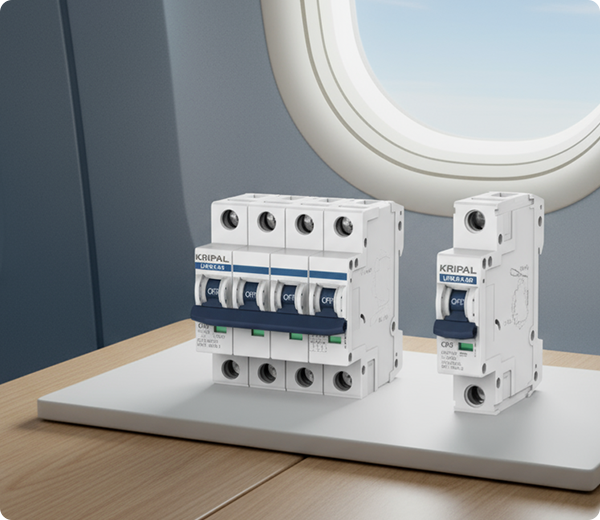
KRIPAL RCBO Manufacturing: Integrated Protection from Automated Production
KRIPAL RCBOs are manufactured on advanced assembly lines where thermal-magnetic trip mechanisms and earth leakage detection modules are integrated into compact housings. Every unit undergoes rigorous overcurrent and residual current trip testing before supplying global electrical installation markets.
Integrated MCB and RCD Module Assembly
Thermal-magnetic mechanisms and summation transformers with trip relays are assembled into unified housings. The mechanical interfaces are precision-verified to ensure positive tripping across overload, short-circuit, and earth leakage conditions.
Combined Protection Function Testing
Every RCBO undergoes strict sequential automated testing, verifying thermal-magnetic trip characteristics across specified B-curve and C-curve thresholds alongside residual current trip responses (such as 30mA and other ratings).
Switched Neutral Pole Synchronization
For 1P+N configurations, phase and neutral pole operations feature precise contact synchronization to ensure the neutral conductor remains properly controlled during switching, safeguarding connected equipment.
Compact Housing Molding and Assembly
Housings are molded from flame-retardant thermoplastics designed for secure 35mm DIN-rail mounting. Terminal designs support strong wiring connections for cables and busbars with consistent clamping force.
Distributor Stock Holding Programs for RCBOs
KRIPAL supports flexible distributor inventory programs with agreed stock levels for standard RCBO models covering rated currents from 6A to 125A and diverse leakage sensitivities. Scheduled shipments maintain stable supply chains and consistent fill rates.
Private Label and OEM Branding for RCBOs
Custom laser-marked part numbers, OEM-branded packaging, and multilingual instruction sheets are available to match your catalog requirements. Unbranded supply options are also supported for private label production.
Multi-Region Certification and Compliance Support
Compliance documentation for international standards such as IEC/EN 61009-1 and GB/T specifications is provided to align with target export markets. Technical files are continuously updated to match evolving safety regulations.
Direct Technical Access to KRIPAL Production Engineers
Your technical team gains direct communication channels with experienced engineers. Complex application inquiries, including earth leakage discrimination and coordination, receive prompt and professional support.
Frequently Asked Questions
Explore FAQ >Recent Blog
Explore Blog >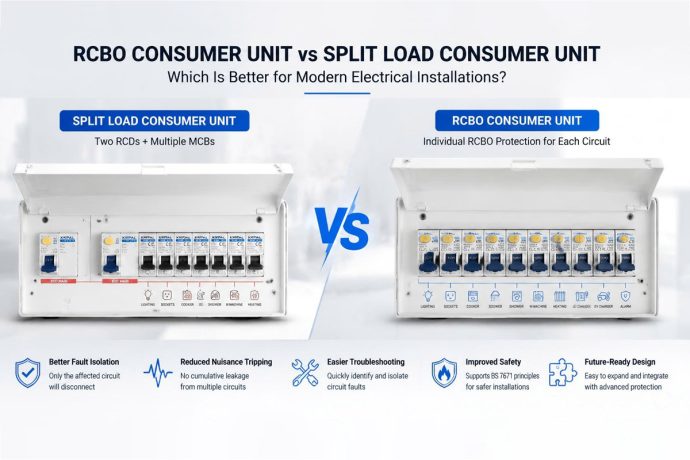
RCBO Consumer Unit vs Split Load Consumer Unit: Which Is Better for Modern Electrical Installations?
Compare RCBO and split-load consumer units for fault isolation, nuisance tripping, BS 7671 practice, and when all-RCBO boards suit modern installs.
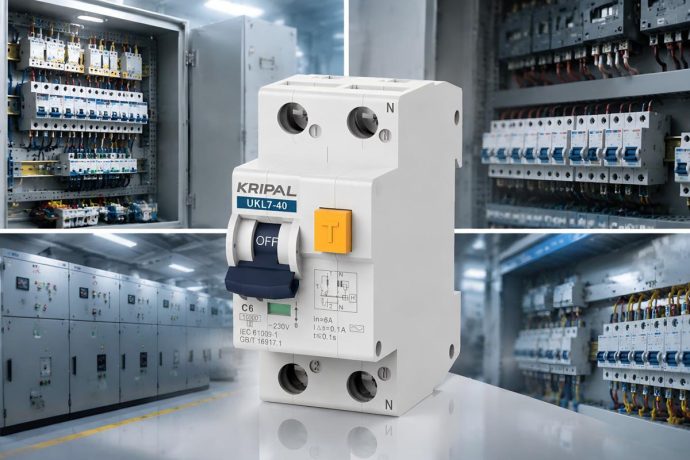
Difference Between Single Pole and Double Pole RCBO Breakers
Learn the key differences between single pole and double pole RCBOs. Discover which type is best for your electrical circuit protection needs with Kripal.
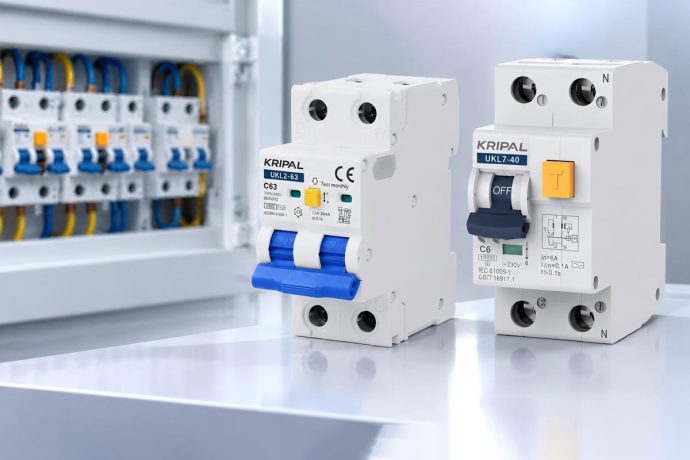
How to Wire and Install an RCBO Breaker: Complete Wiring Guide for Single & Three Phase Systems
Learn what an RCBO is, how it works, and follow our step-by-step guide to wiring and installing single-phase and three-phase RCBOs safely.
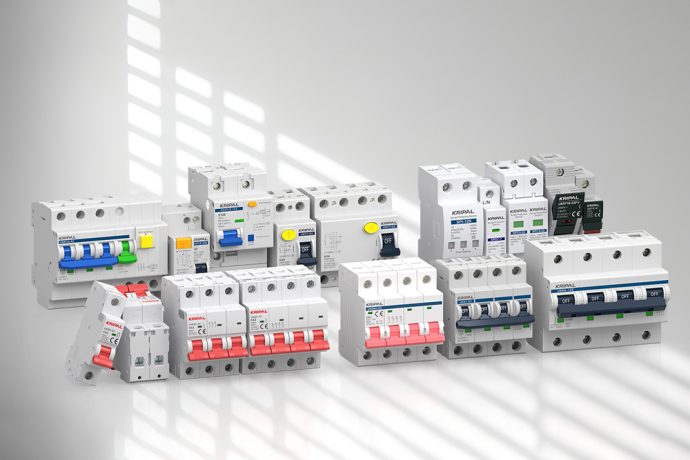
What Is the Difference Between MCB, RCD and RCBO?
What's the difference between MCB, RCD and RCBO? Compare overload, short circuit, and earth leakage protection. Choose the right device for your needs.
Direct from Manufacturer
How Can We Assist You?
Tell us a bit more so we can route your request to the right engineer. Get factory-direct pricing and custom specifications within 24 hours.