Search
PV Combiner Box for Solar Arrays | IP66 | 4-36 String Inputs | 600-1500V DC
KRIPAL Professional Solar Combiner Box Solutions
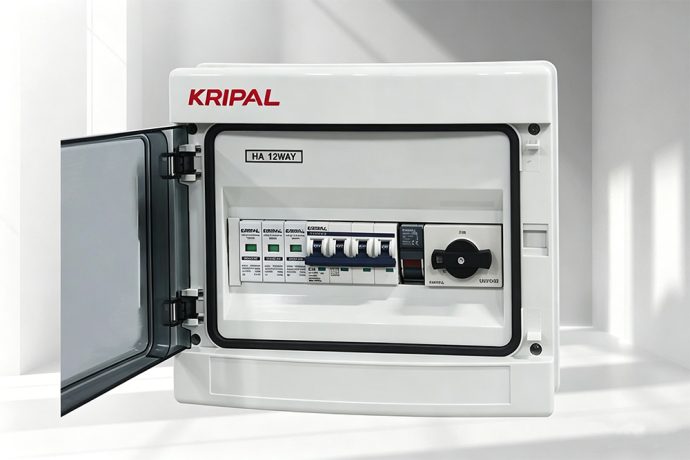
KRIPAL PV combiner boxes are pre-wired enclosures designed to consolidate multiple string inputs into a single DC output for seamless inverter connection. Supporting systems up to 1500V DC, these units integrate high-reliability components including DC MCBs/fuses for string protection, DC isolator switches, and DC SPDs for surge protection. Engineered for harsh outdoor environments, our UV-resistant IP66 enclosures—available in powder-coated or stainless steel—operate reliably from -25°C to +60°C. Each unit includes secure cable entry points and a lockable, hinged design for safety. Factory-wired and rigorously tested to IEC 61439-2 standards, KRIPAL combiner boxes ensure robust Protection Against Electric Shock Risk and superior short-circuit withstand capabilities. By choosing our pre-assembled solutions, you can significantly reduce field installation time from days to hours.
Get A Quote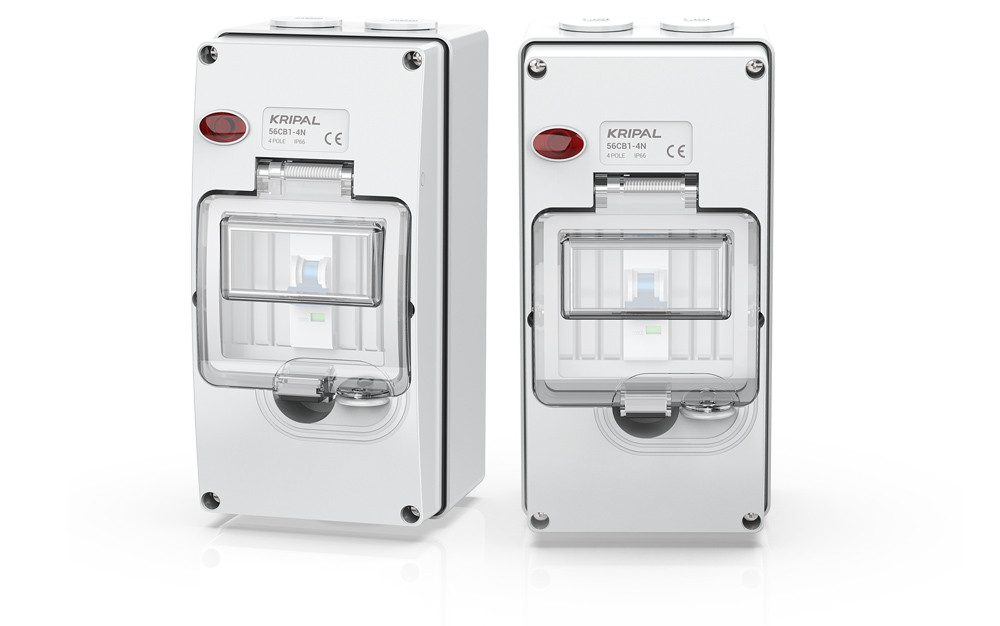
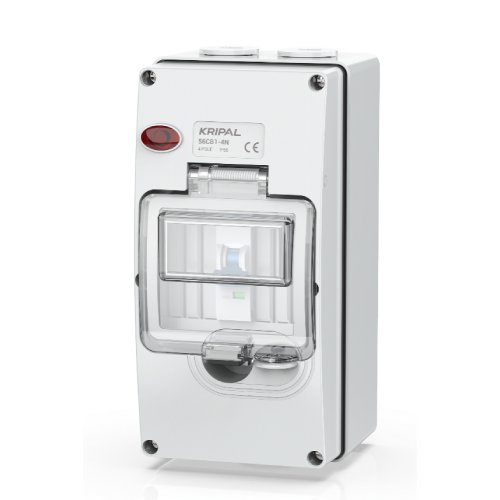

Photovoltaic Combiner Box 4 Way 500V DC Outdoor Waterproof PV Solar Box
The 56CB1-4N is a robust IP66-rated photovoltaic combiner box designed for organizing and protecting DC circuits in solar panel arrays.
Ask a QuotePV Combiner Box Selection: Pre-Engineered String Combining with Integrated Protection
A PV combiner box is a factory-assembled DC enclosure that consolidates multiple string inputs into a single DC output. Each string is protected by an overcurrent device (fuse or MCB), while the unit integrates surge protection (SPD) and a main DC isolator for safe disconnection. Adhering to IEC 62548 requirements, these pre-wired solutions consolidate functionality into one enclosure, effectively reducing field wiring points and minimizing the risk of DC arcing faults. This guide assists in selecting configurations based on input count, protection type, monitoring, and material.
PV Combiner Box Series Technical Specifications
String Input Count and Busbar Configuration
PV Combiner Box are available in standard configurations of 4 to 36 strings, with custom options available. The internal busbar utilizes tin-plated solid copper, sized for maximum combined current. For example, a 16-string model operates with a 250A continuous busbar rating and a 25kA/1s short-circuit withstand. String input terminals support 2.5–10 mm² cables, while main output terminals accommodate 50–150 mm² cables, all supported by ceramic standoffs rated for 1500V DC.
String Protection Device Selection: Fuse vs MCB
Fuse Configuration: Utilizes UKRT18PV gPV fuse-links with blown-fuse indicators; it offers a 30kA DC breaking capacity and is the most cost-effective solution for small residential and commercial systems. MCB Configuration: Employs UKB7Z DC MCBs (6kA breaking capacity). The key advantage is resettability after transient faults, ideal for utility-scale plants where remote reset capabilities reduce the need for on-site maintenance.
String Monitoring and Communication Options
The optional String Monitoring Unit (SMU) utilizes Hall-effect sensors to measure DC current with ±1% accuracy. It communicates via Modbus RTU (RS-485), transmitting data on current, temperature, SPD status, and isolator position every 15 seconds. This enables early detection of performance drops (e.g., due to soiling or shading), allowing maintenance teams to optimize cleaning schedules based on real-time data.
Enclosure Material and Environmental Protection
Material: Available in powder-coated galvanized steel (C4 corrosion class) or stainless steel 304 (C5 class) for high-corrosion environments. Protection: Rated IP66 with a high-durability polyurethane gasket tested for 10,000 cycles. Design: Features bottom-entry gland plates, an internal condensation drain valve, and a dedicated grounding busbar for module frame connections to ensure Protection Against Electric Shock Risk.
Specify Your PV Combiner Box Configuration
- Configuration Worksheet: Complete our combiner box specification sheet with your string count, voltage, current, and monitoring requirements for a priced proposal within 2 business days.
- Pre-FAT Inspection: Schedule a video-call factory inspection of your assembled combiner boxes before shipment, with live electrical testing witnessed remotely.
- Project Logistics: Combiner boxes are shipped on dedicated pallets with custom foam inserts to prevent component damage during ocean freight transit.
Pre-Engineered PV Combining for Residential to Utility-Scale Projects
KRIPAL PV combiner boxes serve as the critical aggregation and protection hub for DC distribution systems. From commercial rooftops to multi-megawatt solar farms, our factory-wired and certified solutions significantly reduce field labor, improve system reliability, and provide a centralized point for isolation and monitoring.
Commercial Rooftop Solar Array String Aggregation
For commercial rooftop installations, our combiner boxes consolidate multiple strings into centralized DC feeders. Our IP66-rated, UV-resistant enclosures withstand harsh outdoor exposure, while integrated DC MCBs and SPDs provide essential overcurrent and surge protection. Factory pre-wiring eliminates dozens of field terminations, saving approximately 6 hours of installation labor per unit.
Utility-Scale Ground-Mount Array Recombiner
In large-scale solar farms, our combiner boxes act as array recombiners, processing high-capacity DC power per block. The main DC isolator enables safe maintenance, while the String Monitoring Unit (SMU) transmits real-time data via Modbus. This enables O&M teams to detect string-level underperformance (e.g., due to soiling or shading) within 15 minutes, allowing for proactive, automated maintenance scheduling.
Floating Solar PV Array Combiner Box
Floating PV systems on reservoirs utilize stainless steel 304 enclosures to resist high-humidity, high-corrosion environments. Internal components feature conformal coating for extra protection, while a pressure equalization breather vent prevents moisture ingress during cooling cycles. These features ensure long-term durability where standard enclosures would fail.
Carport Solar Canopy Combiner Box
Installed on carport structural columns, our combiner boxes provide ground-level access for maintenance, protected by a lockable, secure enclosure. The individual string MCBs allow for module cleaning or replacement without shutting down the entire array, ensuring consistent energy generation.
Agricultural PV (Agrivoltaic) Combiner Box
For agrivoltaic arrays, we provide stainless steel 304 enclosures with polyurethane gaskets to prevent damage from dust and ammonia-induced corrosion caused by fertilizers. Additionally, the SMU allows farm operators to optimize panel tilt angles, balancing electricity production with the light requirements of crops below.
Configure Your PV Combiner Box
- Specification Support: Our application engineers review your PV array layout and recommend the optimal combiner box placement, string count, and protection configuration.
- Factory Acceptance Test: We test every combiner box at full rated voltage and current on our DC test bay, with a test report compiled per unit serial number.
- OEM Partnerships: Integrate our combiner boxes into your PV system offering with your branding, custom component selection, and dedicated production scheduling.
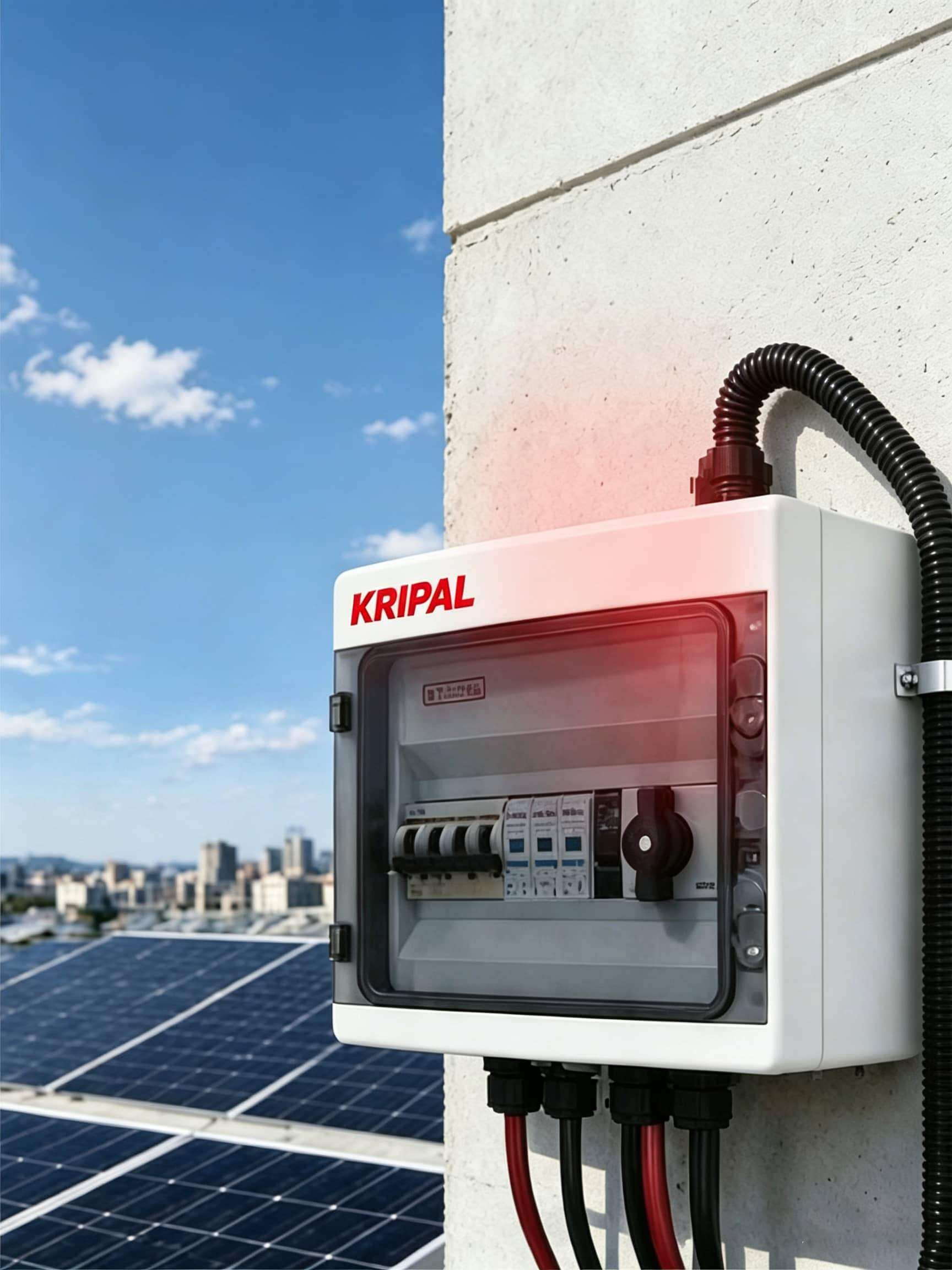
KRIPAL PV Combiner Box Manufacturing: Pre-Assembled and Factory Tested
KRIPAL PV combiner boxes are manufactured in a dedicated panel-building workshop where IP66 enclosures are precision-machined for cable gland entry. DC busbars are fabricated from tinned copper, while SPDs, fuse holders, and DC isolators are mounted and wired to customer specifications. Every unit undergoes a rigorous point-to-point wiring continuity test before shipment to global solar farm EPC contractors.
Enclosure Machining and IP66 Integrity Verification
Sheet steel and UV-Resistant PC/ABS enclosures are CNC-machined for cable gland cutouts, mounting plate drilling, and ventilation installation. Each enclosure undergoes an IP66 water jet test after machining to verify that the modified enclosure retains full ingress protection before component installation begins.
Tinned Copper DC Busbar Fabrication
DC busbar systems are fabricated from high-conductivity electrolytic copper bar stock (IACS 98% minimum), cut to length, and electroplated with tin for corrosion resistance. Busbar cross-sections are sized for specified string currents at 125% rating per IEC 61439-2, with temperature rise verified on the first article of each design.
String-Level Monitoring Integration
Combiner boxes configured with string monitoring incorporate Hall-effect current sensors or shunt-based modules. Each sensor channel is calibrated against a reference current source (0 to 20A range), with accuracy verified within ±1% of full scale.
Point-to-Point Wiring Continuity and Polarity Test
Every completed combiner box undergoes a 100% wiring test: string-to-busbar connections are verified for continuity and correct polarity, DC SPD connections are confirmed, and the DC isolator is operated to verify auxiliary contact switching. Test results are recorded per unit serial number.
Distributor Stock Holding Programs
KRIPAL supports distributor inventory programs with agreed stock levels for standard configurations. Shipments are planned based on demand data, with scheduled replenishment to maintain stable supply and consistent fill rates.
Private Label and OEM Branding
We provide custom nameplates with project branding, OEM-labeled enclosure doors, and customized wiring schedules and test reports. Unbranded supply is also available upon request for private label production.
Multi-Region Certification and Compliance Support
Compliance documentation for CE, UKCA, and IEC 61439-2 / EN 61439-2 is provided for target export markets. Technical documentation is maintained and updated to support solar farm conformity assessments.
Direct Technical Access to KRIPAL Production Engineers
Your technical team communicates directly with the engineers who designed and wired your combiner boxes. Application inquiries receive expert responses within 24 hours (during China business hours).
Frequently Asked Questions
Explore FAQ >Recent Blog
Explore Blog >
What Is a PV Combiner Box? Functions, Components and Selection Guide
Learn PV combiner box functions, key components (fuses, SPD), and selection guide for solar systems. Improve safety and monitoring in utility or residential projects.
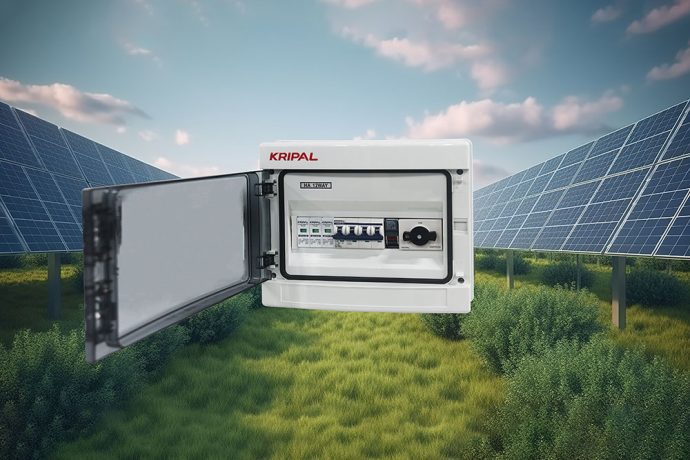
Combiner Box vs Junction Box: What’s the Difference?
Combiner box vs junction box: What's the difference? Learn how they differ in protection, application, and role in PV systems.
Combiner Box vs Distribution Box: What’s the Difference?
Combiner box vs distribution box: What's the difference? Learn how they differ in role, protection, and placement in PV systems.
Direct from Manufacturer
How Can We Assist You?
Tell us a bit more so we can route your request to the right engineer. Get factory-direct pricing and custom specifications within 24 hours.