Search
Knowledge Center
Difference Between Single Pole and Double Pole RCBO Breakers
Learn the key differences between single pole and double pole RCBOs. Discover which type is best for your electrical circuit protection needs with Kripal.
 June 13, 2026
Key Takeaways
- An RCBO combines MCB overcurrent protection and RCD residual current protection in one device.
- A single pole RCBO disconnects only the live conductor; the neutral remains connected.
- A double pole RCBO disconnects both live and neutral for full circuit isolation.
- 1P+N RCBOs are not always identical to traditional single pole RCBOs—confirm the switching arrangement before selection.
What Is an RCBO Breaker?
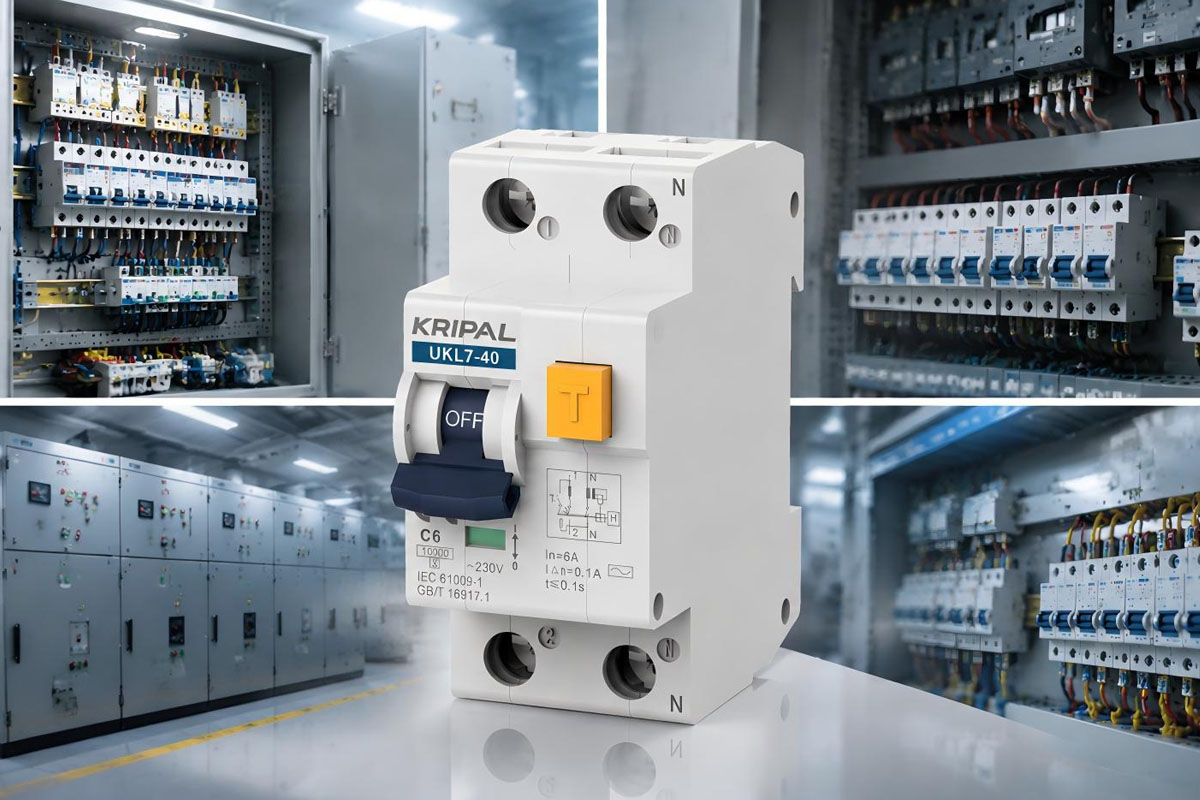
An RCBO (Residual Current Breaker with Overcurrent Protection) is a protective device that combines the functions of a miniature circuit breaker (MCB) and a residual current device (RCD/RCCB) into one compact unit.
Unlike a standard MCB, which only protects against overload and short-circuit faults, an RCBO also detects residual current caused by insulation failures or leakage to earth.
An RCBO monitors the balance of current flowing through the live and neutral conductors. Under normal operating conditions, the current flowing into the circuit through the live conductor should return through the neutral conductor. If part of the current flows to earth due to insulation damage, human contact, or equipment failure, the RCBO detects this imbalance and disconnects the circuit.
The main protection functions of an RCBO include:
- Overload protection
- Short-circuit protection
- Earth leakage protection
- Additional protection against electric shock
Because RCBOs provide individual circuit protection, they are widely used in residential consumer units, commercial distribution boards, and industrial electrical systems. Compared with using separate MCBs and RCCBs, RCBOs can help reduce fault impact by disconnecting only the affected circuit.
What Is a Single Pole RCBO?
A single pole RCBO disconnects only the live conductor during a fault condition. The neutral conductor remains connected.
In many electrical systems, especially in some UK and European installations, single pole RCBOs are commonly used because the neutral conductor is bonded to earth at the supply point and is considered close to earth potential.
Main Characteristics of Single Pole RCBOs
A single pole RCBO is designed to switch and protect only the live conductor. During a fault condition, it disconnects the line conductor while the neutral conductor remains connected.
Single pole RCBOs are commonly used in many residential electrical installations, particularly in systems where the neutral conductor is connected to earth at the supply point and full neutral isolation is not required by local regulations.
The main characteristics of single pole RCBOs include:
- Protection and switching of the live conductor only
- Compact installation size
- Lower cost compared with double pole versions
- Suitable for many standard single-phase applications
Typical Applications
Single pole RCBO breakers are commonly used for:
- Residential lighting circuits
- Socket outlet circuits
- Domestic consumer units
- Standard single-phase distribution systems
- Compact electrical panels
In many installations, single pole RCBOs provide an effective balance between electrical protection, installation space, and cost efficiency.
What Is a Double Pole RCBO?
A double pole RCBO disconnects both the live and neutral conductors when a fault occurs. By isolating both conductors, it provides complete disconnection of the protected circuit from the supply.
This additional isolation capability can be beneficial in applications where neutral isolation is required for safety, maintenance, or specific installation conditions.
The main characteristics of double pole RCBOs include:
- Simultaneous disconnection of live and neutral conductors
- Full circuit isolation during a fault
- Enhanced safety in certain electrical environments
- Suitable for applications requiring higher isolation levels
Main Characteristics of Double Pole RCBOs
Double pole RCBOs disconnect both the live and neutral conductors simultaneously when a fault occurs, providing full isolation of the protected circuit. This improves electrical safety and offers additional protection in installations where complete circuit isolation is required.
They are commonly used in TT earthing systems and some commercial or industrial installations where neutral isolation is important for safety and compliance with wiring regulations.
Typical Applications
Double pole RCBOs are commonly used for:
- TT earthing systems
- Outdoor installations
- Caravan parks
- Temporary power systems
- Industrial equipment
- Areas with higher electrical safety requirements
Single Pole RCBO vs 1P+N RCBO: Are They the Same?
A common source of confusion is the difference between single pole RCBOs and 1P+N RCBOs.
Although both devices may have a compact appearance, they are not always identical.
A traditional single pole RCBO switches only the live conductor, while the neutral remains permanently connected.
A 1P+N RCBO usually has:
- One protected live pole
- A switched neutral pole
Depending on the design, the neutral pole may provide isolation but may not include the same overcurrent protection function as the live pole.
1P+N RCBOs are widely used in many modern European-style distribution boards because they provide a compact solution while allowing neutral disconnection. For a practical product example, see the UKL2-63 RCBO 1P+N.
When selecting an RCBO, engineers should always confirm:
- Number of poles
- Switching arrangement
- Rated current
- Residual current rating
- Applicable electrical standards
Single Pole vs Double Pole RCBO Breakers: Key Differences
The main difference between single pole and double pole RCBO breakers is how they isolate the circuit during a fault.
| Feature | Single Pole RCBO | Double Pole RCBO |
|---|---|---|
| Live conductor protection | Yes | Yes |
| Neutral conductor isolation | No | Yes |
| Number of poles switched | 1 | 2 |
| Circuit isolation | Partial isolation | Full isolation |
| Device size | More compact | Requires more space |
| Typical cost | Generally lower | Generally higher |
| Common application | Residential circuits | Commercial, outdoor, special applications |
Why Are Double Pole Switches Used with Single Pole RCBOs or MCBs?
This is a common question in residential electrical installations.
In many consumer units, individual branch circuits may be protected by single pole RCBOs, while the main switch or isolator is double pole.
The reason is that these devices serve different purposes.
The RCBO provides automatic protection against:
- Earth leakage faults
- Overloads
- Short circuits
The main switch provides manual isolation of the complete installation.
A double pole main switch disconnects both live and neutral conductors, allowing the entire electrical system to be isolated during maintenance or emergency situations. Explore KRIPAL main isolator switches for full-system isolation.
Advantages of Single Pole RCBOs
Compact Installation
Single pole RCBOs typically occupy less space in distribution boards, making them suitable for compact consumer units.
Cost-Effective Protection
Compared with double pole models, single pole RCBOs usually provide a more economical solution for standard residential circuits.
Suitable for Standard Applications
For many TN earthing systems and domestic installations, single pole RCBOs provide reliable protection while meeting installation requirements.
Advantages of Double Pole RCBOs
Full Circuit Isolation
By disconnecting both live and neutral conductors, double pole RCBOs provide complete isolation of the protected circuit.
Improved Safety in Specific Applications
Double pole isolation can be beneficial in installations where neutral conditions may be uncertain or where additional safety measures are required.
Suitable for Outdoor and Industrial Environments
Applications such as temporary power supplies, outdoor equipment, and industrial systems may benefit from the additional isolation provided by double pole RCBOs.
Which RCBO Type Should You Choose?
The correct RCBO selection depends on several factors:
- Electrical system type
- Earthing arrangement
- Local installation regulations
- Required level of isolation
- Distribution board design
- Application environment
Single pole RCBOs are commonly selected for standard residential circuits where compact size and cost efficiency are important.
Double pole RCBOs are preferred where full isolation of both live and neutral conductors is required.
Before installation, always ensure that the selected RCBO complies with applicable electrical standards, such as IEC 61009 and local wiring regulations.
Conclusion
Both single pole and double pole RCBO breakers provide protection against overloads, short circuits, and earth leakage faults. The main difference lies in whether the neutral conductor is also disconnected during operation.
Single pole RCBOs are widely used in residential electrical systems because they are compact and economical. Double pole RCBOs provide full isolation by disconnecting both live and neutral conductors, making them suitable for installations where additional isolation is preferred or required.
Visit Kripal to explore our range of single pole and double pole RCBO breakers for residential and commercial electrical systems.
If you have any questions or need assistance with RCBO selection, feel free to contact our team.
FAQ
Q: Does a single pole RCBO disconnect the neutral?
No. A standard single pole RCBO disconnects only the live conductor. The neutral conductor remains connected to the supply.
Q: Is a double pole RCBO safer than a single pole RCBO?
A double pole RCBO provides additional isolation by disconnecting both live and neutral conductors. However, the correct choice depends on the electrical system and local regulations.
Q: Can a single pole RCBO protect against electric shock?
Yes. A single pole RCBO can provide residual current protection against earth leakage faults when correctly selected and installed.
Q: Are 1P+N RCBOs the same as single pole RCBOs?
Not exactly. A single pole RCBO switches only the live conductor, while a 1P+N RCBO usually includes neutral switching as well.
Related Resources
Explore Knowledge Center >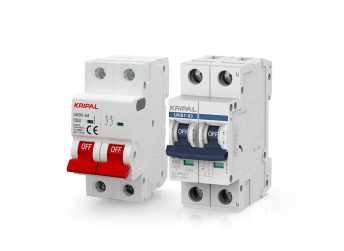
Need a matching KRIPAL product?
Share voltage, quantity and destination. An engineer will reply with options and lead time.