Search
 April 28, 2026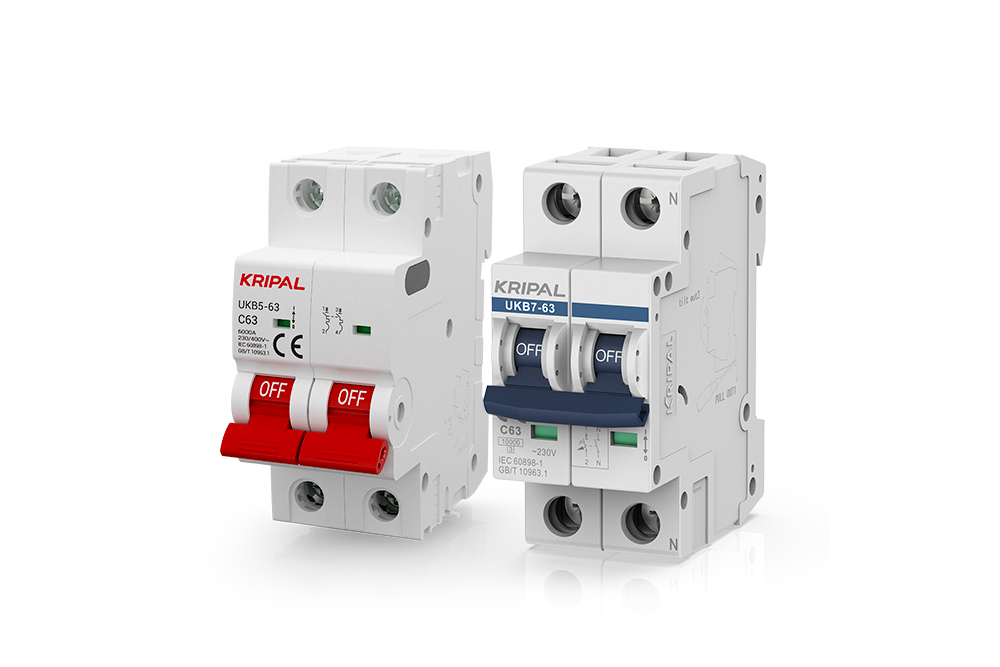
An RCBO (Residual Current Breaker with Overcurrent Protection) is a protective device used in consumer units and distribution boards. It combines the functions of an MCB and an RCD in a single unit, providing protection against overloads, short circuits, and earth leakage faults.
RCBOs are commonly used in modern electrical installations because they allow individual circuit protection without affecting the entire system when a fault occurs.
This guide explains how an RCBO works, how to wire and install it, and the basic safety practices to follow during installation.
What Is an RCBO?
An RCBO monitors both current overloads and leakage currents.
It disconnects the circuit when:
- The current exceeds the rated capacity
- A short circuit occurs
- Leakage current is detected between live conductors and earth
Compared with a separate MCB and RCD setup, an RCBO combines both protections in one compact device.
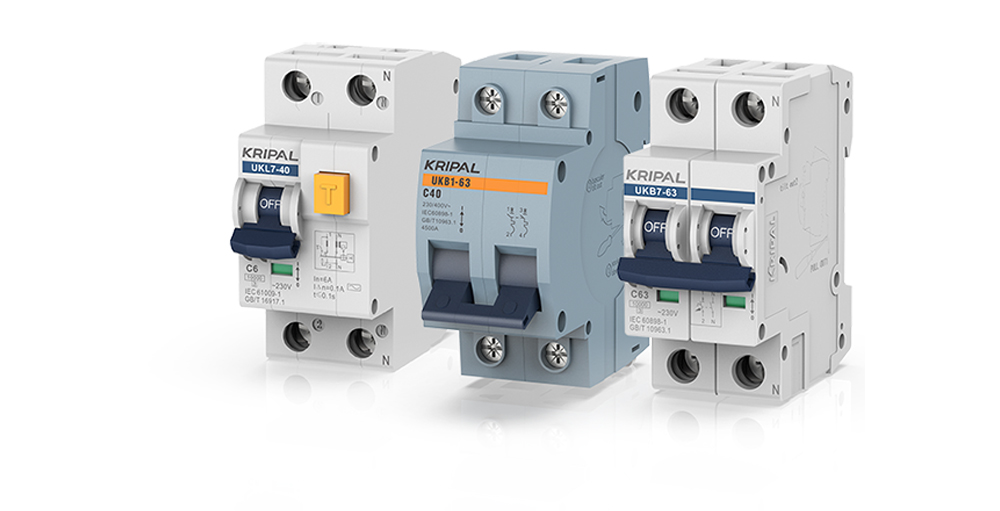
Where RCBOs Are Commonly Installed
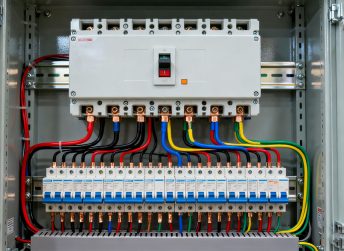
RCBO breakers are commonly installed in residential consumer units, commercial distribution boards, garage circuits, kitchen and bathroom circuits, outdoor power circuits, and dedicated high-load appliance circuits.
Many electricians prefer using RCBOs for individual circuit protection because if a fault occurs on one circuit, only the affected circuit is disconnected while the remaining circuits connected to the distribution board continue operating normally.
Tools and Materials Required
Before installing an RCBO breaker, prepare all necessary tools and equipment to ensure the work can be carried out safely and efficiently. These typically include the RCBO breaker itself, an insulated screwdriver, a wire stripper, a voltage tester or multimeter, the distribution board or consumer unit, suitable electrical cables, and a DIN rail if required for mounting.
Safety gloves should also be used to reduce the risk of electrical injury during installation. It is important to select an RCBO with the correct voltage rating, current rating, and protection type suitable for the specific electrical installation.
Safety Precautions Before Installation
Working inside a distribution board involves exposure to live electrical parts. Before wiring an RCBO:
- Switch OFF the main power supply
- Verify isolation using a voltage tester
- Follow local electrical regulations
- Use insulated tools
- Confirm cable sizes and breaker ratings
- Test the RCBO after installation
Electrical installation work should be carried out by qualified personnel where required by local regulations.
Understanding RCBO Terminals
Most single-phase RCBOs are designed with several key terminals and components required for proper operation and protection. These typically include an incoming live terminal, an outgoing live terminal, a neutral terminal, and either a neutral flying lead or a dedicated neutral connection point.
A test button is also provided to allow regular functional testing of the device. In some RCBO designs, a neutral tail wire is included, which connects directly to the neutral bar inside the consumer unit.