Search
Knowledge Center
What Is the Difference Between MCB, RCD and RCBO?
What’s the difference between MCB, RCD and RCBO? Compare overload, short circuit, and earth leakage protection. Choose the right device for your needs.
 April 27, 2026
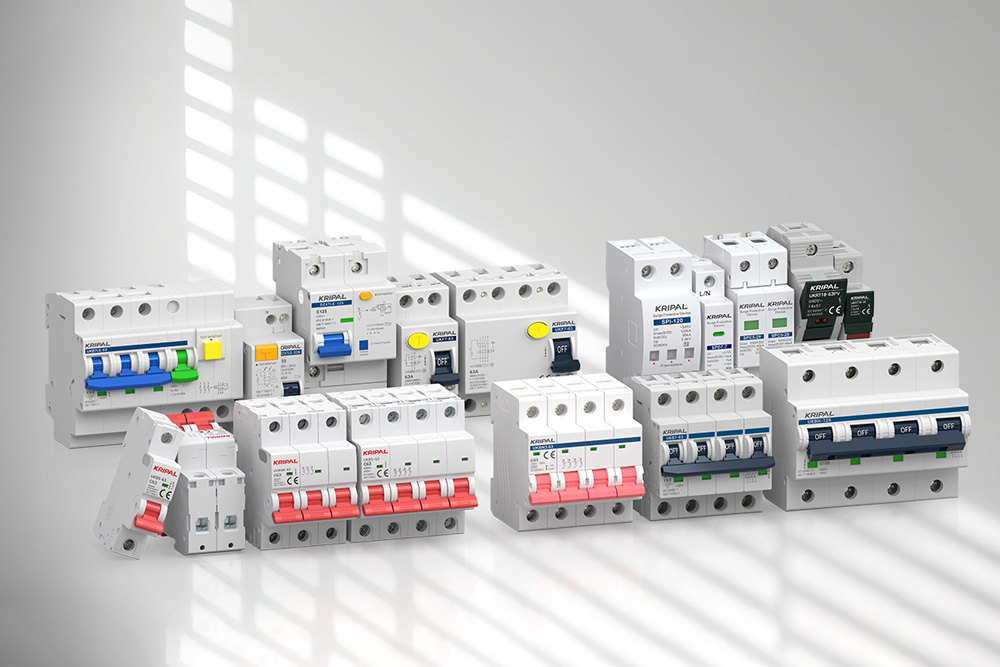
Electrical protection devices are designed to reduce the risk of electric shock, cable damage, and electrical fires. Among the most commonly used devices in residential and commercial electrical systems are MCBs, RCDs, and RCBOs. Although these devices are often installed together, they serve different purposes and operate in different ways.
Understanding the differences between them can help homeowners, electricians, and installers choose the right protection for a specific circuit or application.
What Is an MCB?
An MCB, or Miniature Circuit Breaker, is a device designed to protect electrical circuits from overcurrent conditions. This includes overloads and short circuits.
An overload happens when too many electrical devices draw power from the same circuit for an extended period. A short circuit occurs when live and neutral wires come into direct contact, causing a sudden surge of current.
When either condition is detected, the MCB automatically disconnects the circuit to prevent overheating and damage to wiring or connected equipment.
Main Functions of an MCB
- Protects wiring against overloads
- Protects circuits against short circuits
- Prevents cable overheating and electrical fires caused by overcurrent
- Can be manually reset after tripping once the fault is cleared
What an MCB Does Not Protect Against
An MCB cannot detect earth leakage or electric shock risks caused by current flowing through a person or through damaged insulation. Because of this limitation, MCBs must never be used alone for circuits accessible to users; they must always be paired with an RCD or replaced by an RCBO.
What Is an RCD (RCCB)?
An RCD, or Residual Current Device (more specifically referred to as an RCCB — Residual Current Circuit Breaker), is designed to protect people from fatal electric shocks and reduce the risk of electrical fires caused by leakage currents.
Unlike an MCB, a standalone RCD/RCCB does not monitor overloads or short circuits. Instead, it continuously compares the current flowing through the live and neutral conductors.
Under normal conditions, the current entering and leaving the circuit is equal. If the RCD detects a difference (even as small as 30mA), it assumes some current is leaking to earth—possibly through a faulty appliance, damaged cable insulation, or a person touching a live part—and disconnects the power almost instantly.
Main Functions of an RCD
- Protects people against lethal electric shocks (direct and indirect contact)
- Detects tiny earth leakage currents
- Helps reduce electrical fire risks caused by tracking currents
- Disconnects power rapidly during leakage faults
What an RCD Does Not Protect Against
An RCD cannot protect against overloads or short circuits on its own. If the current through it exceeds its rated capacity without leaking to earth, it will not trip and can burn out. For this reason, it must always be installed downstream of or alongside an appropriately rated MCB or main fuse.
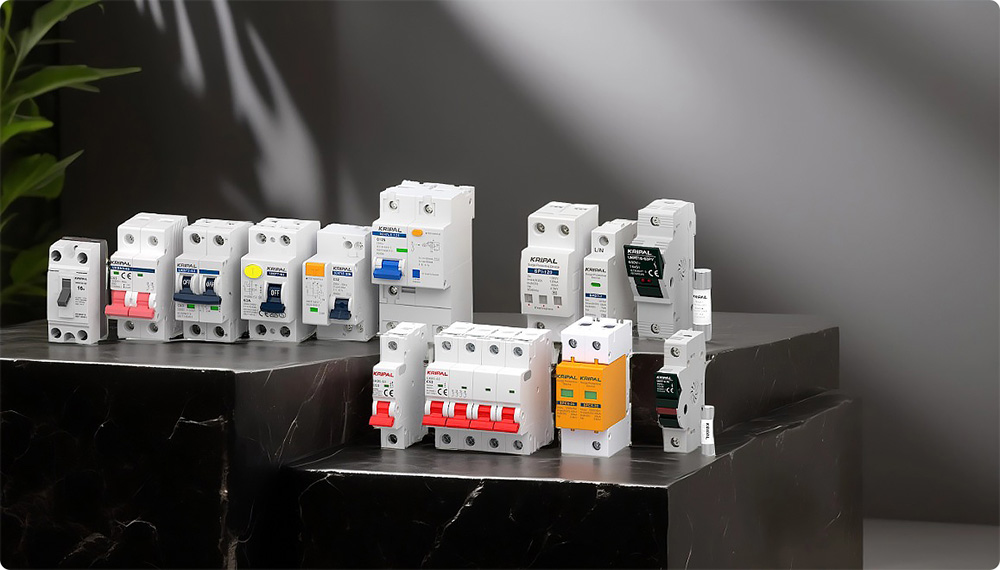
What Is an RCBO?
An RCBO, or Residual Current Breaker with Overcurrent Protection, combines the functions of both an MCB and an RCD in a single device.
It provides:
- Overload protection
- Short-circuit protection
- Earth leakage protection
- Electric shock protection
Because it combines multiple protective functions into one unit, RCBOs are becoming increasingly common in modern consumer units and distribution boards.
Advantages of RCBOs
- Combines MCB and RCD protection
- Saves space inside distribution boards
- Provides individual circuit protection
- Reduces the chance of multiple circuits tripping together
In many modern installations, each circuit is protected by its own RCBO. This means that if one circuit develops a fault, only that circuit is disconnected while the others continue operating normally.
Key Differences Between MCB, RCD, and RCBO
| Device | Protects Against Overload | Protects Against Short Circuit | Protects Against Electric Shock | Detects Earth Leakage |
| MCB | Yes | Yes | No | No |
| RCD (RCCB) | No | No | Yes | Yes |
| RCBO | Yes | Yes | Yes | Yes |
This comparison shows that each device has a different role within an electrical installation.
- MCBs focus on protecting wiring and equipment from excessive current.
- RCDs focus on protecting people from leakage currents and electric shock.
- RCBOs combine both forms of protection in one device.
MCB + RCD vs RCBO
A common question in electrical installations is whether it is better to use separate MCB and RCD devices or individual RCBOs.
Separate MCB + RCD
In traditional consumer units, one RCD may protect several MCB circuits at the same time.
| Advantages | Limitations |
| Lower initial cost | A single leakage fault can disconnect multiple circuits |
| Common in older installations | Fault tracing may take longer |
| Simpler panel layouts | Less selective protection |
RCBO Protection
With RCBO protection, each circuit has its own combined protection device.
Improved convenience for homeowners
| Advantages | Limitations |
| Faults affect only one circuit | Higher installation cost |
| Easier troubleshooting | May require more planning in compact panels |
| Better circuit separation | |
| Improved convenience for homeowners |
Which Device Is Used in Homes?
Modern electrical safety regulations (such as the IET Wiring Regulations / BS 7671) strictly require both overcurrent and residual current (leakage) protection on almost all domestic circuits, especially socket outlets and lighting.
Therefore, typical modern household installations use one of two configurations:
- An RCBO-based board: Where every single circuit (sockets, lighting, cooker, EV charger) gets its own individual RCBO for maximum safety and reliability.
- An MCB + RCD board: Where circuits are grouped together, and each group is protected by a front-end RCD, with individual MCBs providing the overcurrent protection for each line. Note: MCBs are never used entirely on their own for domestic power outlets or lighting circuits without an accompanying RCD.
The ultimate choice depends on local wiring regulations, property type, distribution board space, and budget.
Understanding RCD, RCCB, and RCBO
The abbreviations used for these devices can sometimes cause confusion. Here is how they relate to one another:
RCD: This is the umbrella term for any device that operates by sensing residual/leakage current.
RCCB: This is a specific type of RCD that only provides leakage protection and lacks overcurrent mechanisms. When people say “a standalone RCD”, they usually mean an RCCB.
RCBO: This is an advanced RCD that integrates an MCB mechanism inside it to provide both leakage and overcurrent protection simultaneously.
Conclusion
MCBs, RCDs, and RCBOs each perform different protective functions within an electrical system. MCBs protect circuits from overloads and short circuits. RCDs detect leakage currents and help reduce electric shock risks. RCBOs combine both protections into a single device.
Modern electrical installations often use RCBOs because they provide individual circuit protection and combine multiple safety functions in one unit. However, MCBs and RCDs are still widely used in many residential and commercial systems.
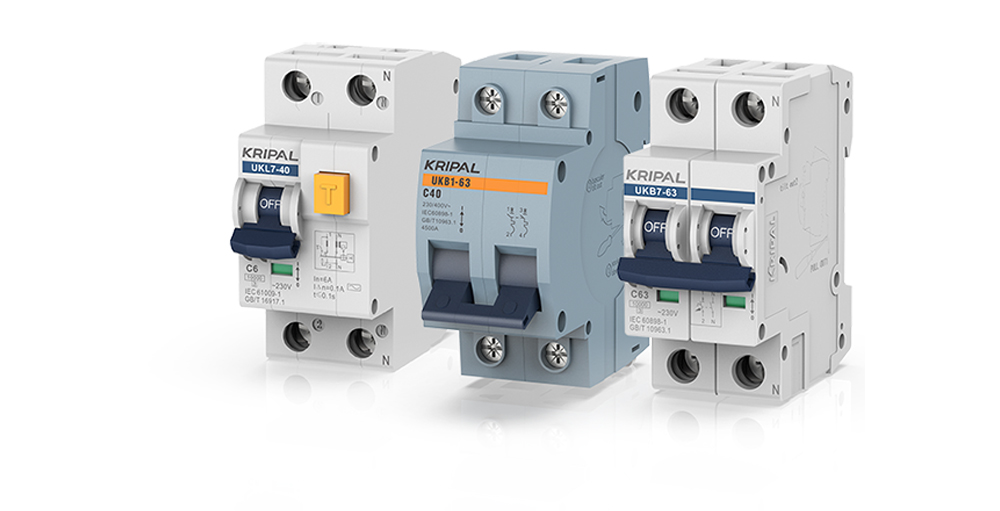
Explore our range of MCBs, RCDs, and RCBO breakers for reliable circuit protection and modern electrical safety solutions.
For product selection, technical support, or installation advice, feel free to contact our team.
Related Resources
Explore Knowledge Center >


Need a matching KRIPAL product?
Share voltage, quantity and destination. An engineer will reply with options and lead time.