Search
Knowledge Center
What are the Difference of MCCB and ACB?
Compare MCCB and ACB on breaking capacity, cost, maintenance & applications, learn core differences to select the right circuit breaker.
 May 09, 2026
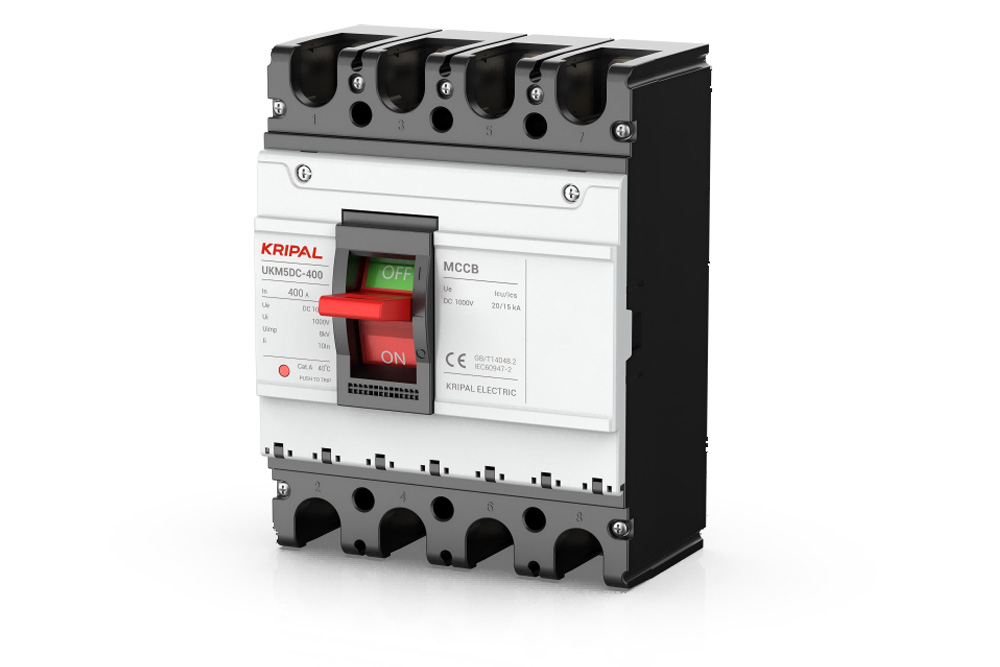
In electrical systems, circuit breakers protect both equipment and personnel. Molded Case Circuit Breakers MCCB and Air Circuit Breakers ACB, as two common types, show significant differences in technical specifications, applications, cost, and maintenance.
Understanding these differences can guide engineering design, equipment selection, and routine maintenance. This article analyzes the main characteristics and suitable applications of both types from multiple perspectives, providing clear guidance for practical use.
Key takeaways
- MCCB Molded Case Circuit Breakers are suitable for medium and low voltage lines. They are compact, cost-effective, easy to install and maintain, and mainly provide overload and short circuit protection.
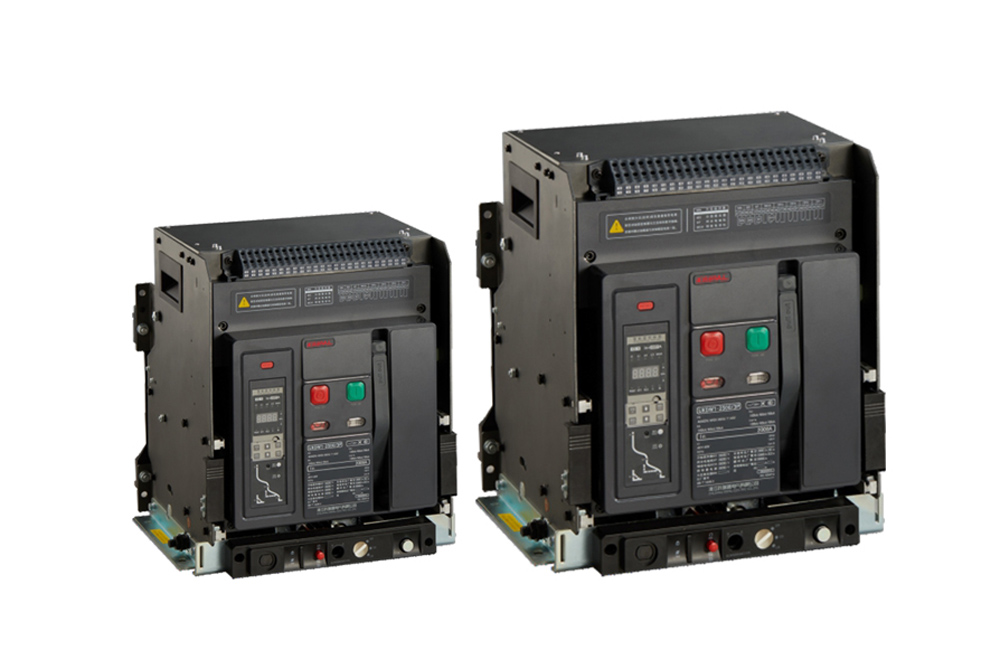
- ACB Air Circuit Breakers are suitable for large power systems and high current applications. They have high breaking capacity and offer more advanced protection features, although they are larger and more expensive.
- The main differences include rated current, breaking capacity, protection functions, application scenarios, and maintenance methods.
Technical Specifications Comparison
Rated Current and Voltage
MCCB is generally used in medium and low current systems, with rated current ranging from several tens to several hundreds of amperes, covering low voltage distribution networks.
ACB is used in high current and high voltage systems, with rated current reaching several thousand amperes, and often applied in medium and high voltage distribution networks. Therefore, ACB has advantages in high power supply scenarios.
Breaking Capacity
Breaking capacity is the ability of a circuit breaker to safely interrupt current in the event of a short circuit. MCCB typically has lower breaking capacity and is suitable for homes and small industrial distribution lines. ACB has much higher breaking capacity, can withstand large current surges, and is used in large industrial and main distribution systems.
Adjustment and Protection Features
MCCB usually provides overload and short circuit protection and allows limited current adjustment. ACB, besides basic protection, also offers advanced options such as overvoltage, undervoltage, leakage protection, and remote control, meeting the diverse protection needs of complex electrical systems.
Cost Differences
MCCB is relatively low in cost, compact, and suitable for medium and small distribution systems. It is more economical when budgets are limited.
ACB, due to its larger size, higher breaking capacity, and additional protection and control features, has higher manufacturing and installation costs and is commonly used in large industrial facilities or high current supply systems. Therefore, choosing between them depends not only on technical requirements but also on budget and system scale.
Application Differences
MCCB is mainly used in medium and small distribution systems such as residential buildings, offices, shops, and branch circuits of small factories. Its small size and easy installation make it suitable for low voltage circuit protection.
ACB is mainly used in main lines of large power systems and industrial facilities such as large factories, data centers, power plants, and main distribution rooms in high-rise buildings. Due to its high breaking capacity and comprehensive protection features, ACB can handle large current surges and complex electrical environments, making it the preferred choice for large systems.
Maintenance Differences
MCCB has a relatively simple structure and short maintenance cycle. Regular checks of contact wear, dust cleaning, and overload protection testing are sufficient. It is easy to operate and has low maintenance cost.
ACB has a complex structure, larger size, and contains more mechanical and electronic control components, so its maintenance requirements are higher.
In addition to routine cleaning and contact inspection, it also requires mechanical operation testing, breaking capacity testing, and calibration of protective relays and auxiliary control devices, resulting in longer maintenance cycles and higher costs than MCCB.
Protection Function Differences
MCCB mainly provides basic overload and short circuit protection, and some models also support undervoltage protection. Its protection function is simple, suitable for basic circuit protection in medium and small distribution systems.
ACB provides more comprehensive and flexible protection. In addition to overload and short circuit protection, it often includes undervoltage, overvoltage, leakage, and phase sequence protection and can work with remote monitoring systems for intelligent management.
Its wide protection range allows it to address various potential faults in complex electrical systems, making it ideal for large industrial and high voltage distribution systems.
Comprehensive Comparison
| Feature | MCCB (Molded Case Circuit Breaker) | ACB (Air Circuit Breaker) |
| Rated Current | Medium and low current, generally tens to hundreds of amperes | High current, can reach several thousand amperes |
| Rated Voltage | Covers low voltage distribution networks | Used in medium and high voltage distribution networks |
| Breaking Capacity | Lower, suitable for homes and small industrial lines | High, suitable for large industrial and main distribution systems |
| Protection Functions | Basic overload and short circuit protection, some models support undervoltage | Comprehensive protection including overload, short circuit, undervoltage, overvoltage, leakage, phase sequence, and remote monitoring |
| Size & Structure | Compact and simple | Large and complex, with more mechanical and electronic components |
| Cost | Low, cost-effective for small to medium systems | High, due to size, breaking capacity, and additional features |
| Maintenance | Simple, short maintenance cycle, periodic checks sufficient | More demanding, longer cycles, requires mechanical tests, calibration, and thorough inspection |
| Applications | Residential, offices, shops, small factories, branch circuits | Large factories, data centers, power plants, main distribution rooms in high-rise buildings |
| Installation | Easy and flexible | Requires professional installation due to size and complexity |
Conclusion
MCCB and ACB each have their strengths. MCCB is compact, cost-effective, and easy to maintain, suitable for medium and small distribution systems. ACB has high breaking capacity and comprehensive protection, suitable for large electrical systems and complex loads.
Choosing a circuit breaker should consider system scale, load requirements, protection needs, and budget to ensure safe and efficient power management.
Kripal offers both types of circuit breakers. Either can provide a better solution. You are welcome to visit the homepage to select the right one.
FAQs
Q1 What is the fundamental difference between MCCB and ACB?
MCCB is suitable for medium and small circuits, mainly providing overload and short circuit protection. ACB is suitable for high current systems, with higher breaking capacity and comprehensive protection features.
Q2 Is there a big difference in breaking capacity between them?
Yes. ACB has a much higher breaking capacity than MCCB and can handle short circuit currents in large industrial systems.
Q3 Can MCCB replace ACB?
It is not recommended. MCCB is suitable for medium and small circuits and cannot meet the breaking capacity and protection requirements of large systems.
Q4 Are there differences in maintenance difficulty?
Yes. MCCB is simple to maintain with a short maintenance cycle. ACB requires professional maintenance with longer cycles, including mechanical testing and protection calibration.
Q5 What factors should be considered when selecting?
Factors include system scale, load current, protection requirements, breaking capacity, and budget.
Related Resources
Explore Knowledge Center >
Need a matching KRIPAL product?
Share voltage, quantity and destination. An engineer will reply with options and lead time.