Search
Knowledge Center
Fuse Holder FAQs
Fuse holder FAQs covering selection, installation, troubleshooting, and lifespan. Learn to avoid poor contact, overheating, and common faults.
 May 04, 2026
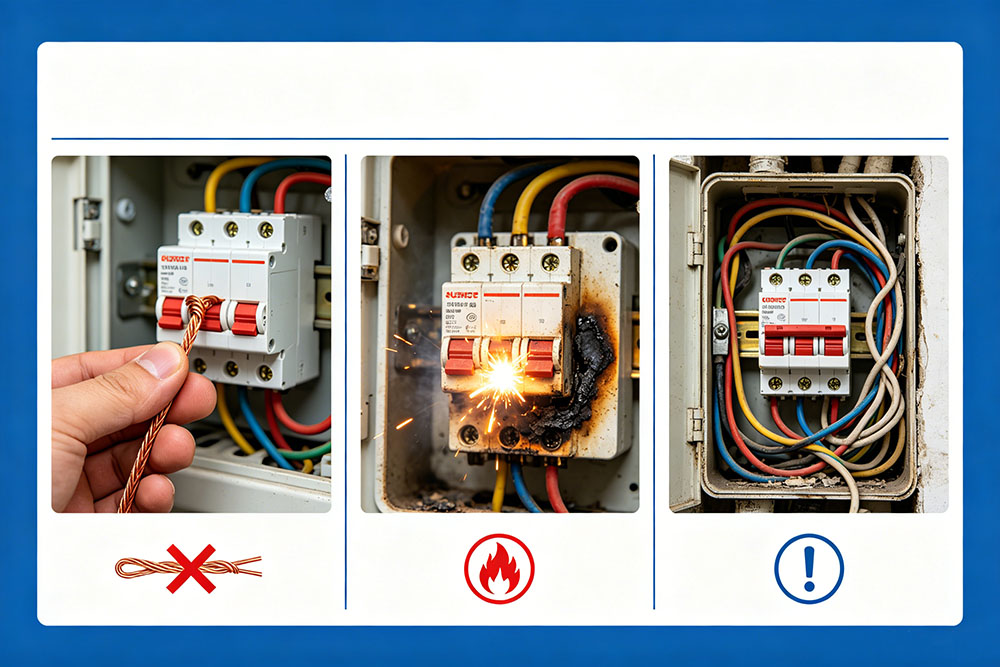
Fuse holders are components used to protect electrical circuits, but many engineers and enthusiasts often encounter confusion.
This article addresses common questions to explain the basic concepts, selection guidance, installation steps, and fault troubleshooting for fuse holders, helping you understand and use them correctly to ensure stable and reliable circuit operation.
Key Takeaways
- Fuse holders protect electrical circuits, and incorrect selection or installation can cause faults or hazards.
- Understanding different types of fuse holders and fuse clips helps select the correct components based on circuit requirements.
- Proper installation, replacement, and maintenance of fuse holders can prevent poor contact, overheating, or frequent fuse blowouts.
- Familiarity with common faults and safety precautions can extend the service life and maintain reliable circuit operation.
What is a fuse holder and what does it do?
A fuse holder is a device used to hold and connect fuses, which ensures that fuses work reliably while making installation and replacement convenient. Its main function is to disconnect the current when the circuit experiences an overload or short circuit, protecting circuits and devices from damage and preventing accidents.
What is a fuse clip?
A fuse clip is a flexible metal clip used to hold small fuses, usually installed on circuit boards or inside fuse holders. It secures the fuse while allowing current to pass smoothly and makes replacement convenient. As a core component of the fuse holder, the fuse clip affects both the reliability and safety of the circuit.
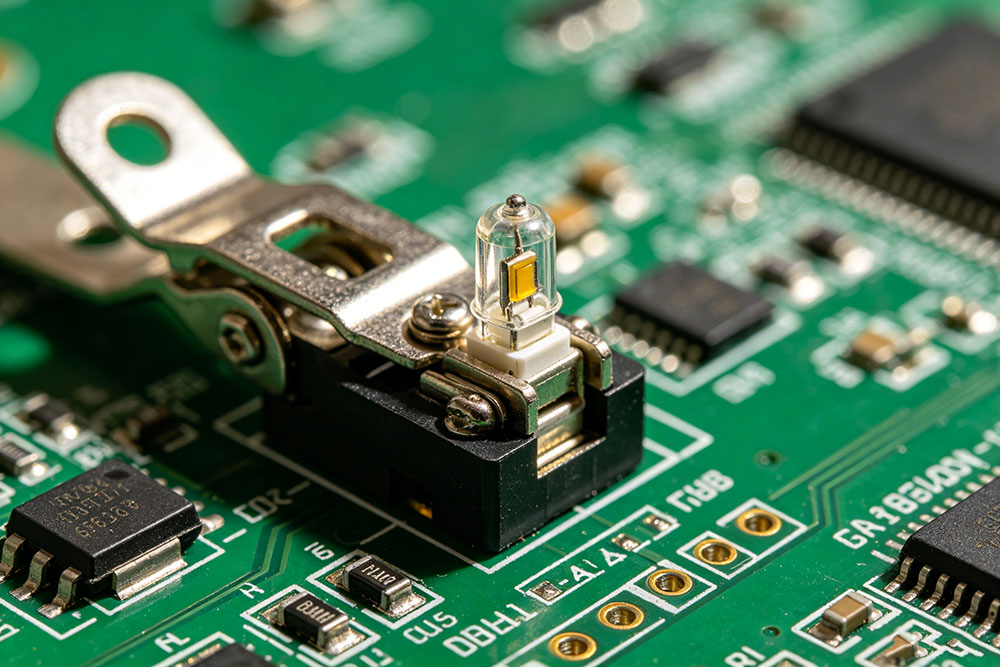
Can different types of fuse holders be used interchangeably?
Different types of fuse holders are generally not recommended to be used interchangeably. This is because they may vary in size, rated current, voltage, and installation method.
Using incompatible holders can cause poor contact, overheating, or circuit failure. If replacement is necessary, the new holder must match the original specifications and electrical performance and comply with safety standards.
What should be considered when installing a fuse holder?
Verify specifications
Before installation, confirm that the model, rated current, voltage, and size of the fuse holder match the circuit design and the fuses being used. Mismatched specifications can cause poor contact, incorrect installation, or ineffective protection during overloads, affecting circuit safety.
Ensure reliable contact
During installation, make sure the fuse fits tightly and fully into the holder to avoid looseness or tilting. Poor contact can increase resistance, cause local overheating, produce sparks, or lead to unexpected fuse blowouts.
Pay attention to orientation and placement
Some fuse holders have a fixed installation direction, especially models with indicators or special locks. They should be installed according to markings or instructions. The holder should also be placed in a location that allows easy operation and observation and provides enough space for future inspection and replacement.
Avoid excessive mechanical force
Do not apply too much force when securing the fuse holder, as it can deform the holder, cause cracks, or reduce the elasticity of internal contacts. When soldering to a PCB, control the temperature and duration to prevent damage to plastic bases and insulation.
Protect against environmental factors
Install the fuse holder away from high temperature, humidity, dust, or corrosive gases. If the environment is harsh, select holders with appropriate temperature resistance and protection ratings to ensure long-term reliability.
How can a fuse be replaced correctly to avoid poor contact or overheating?
Turn off the power
Before replacing a fuse, fully disconnect the circuit power to ensure safety. Turn off the device and unplug it or disconnect the corresponding circuit in the distribution box to make sure the circuit is completely de-energized. Never replace a fuse while the circuit is live.
Check the fuse specifications
Confirm that the new fuse has the same rated current, voltage, and size as the original. A fuse with too high a current will not blow in time during an overload, while one with too low a current may blow frequently during normal operation. Never use metal wires as a substitute.
Carefully remove the old fuse
Use a fuse clip or insulated tweezers to remove the old fuse, avoiding direct contact with metal parts. If the fuse is stuck, do not force it with sharp tools to avoid damaging the holder or contacts. Observe the blown fuse to get an initial idea of circuit faults.
Install the new fuse correctly
Place the new fuse smoothly into the holder so that both ends fit tightly against the metal contacts. Make sure it is fully seated and not tilted or partially inserted. Poor contact may cause overheating and unstable current. Handle glass tube fuses carefully to prevent breakage.
Test after replacement
After installation, briefly energize the circuit to ensure it works correctly and observe for smoke, smell, or abnormal heating. Use a multimeter if necessary to check contact resistance. If the fuse blows again, first check the circuit for faults rather than replacing it with a larger fuse.
What are common fuse holder faults and how can they be checked?
Fuse holders can develop various faults over time that affect normal operation and circuit protection. Timely detection and troubleshooting prevent electrical incidents.
Poor contact
This is the most common fault, which may appear as intermittent power loss or frequent fuse blowouts. Check that the fuse fits tightly and that the metal clips are not loose or oxidized. Clean contacts with alcohol if necessary, and replace damaged clips.
Overheating or deformation
Symptoms include noticeable heating on the holder and deformed or cracked plastic components. Check that the fuse matches the circuit load and that surrounding components allow heat dissipation. Make sure the holder is firmly installed.
Mechanical damage
Cracks, reduced elasticity, or loose mounting indicate mechanical damage. Inspect for visible cracks and test the elasticity of the contacts. Replace any damaged components and avoid excessive force in future use.
Frequent fuse blowouts
If fuses blow frequently under normal conditions, check the circuit for overloads or short circuits and ensure good contact. If the circuit is normal and the contact is reliable, replace the fuse and holder with correctly rated components.
Environmental effects
Moisture, dust, or corrosion may increase resistance or reduce contact. Clean regularly and use holders designed to resist moisture, dust, or corrosion.
How long do fuse holders last and how can their life be extended?
The lifespan of a fuse holder depends on its material, operating environment, and load. Plastic or metal holders in normal conditions typically last five to ten years, while high temperature, humidity, or frequent fuse replacement can shorten their life.
To extend lifespan, select fuses with matching current and voltage, clean dust regularly, check for loose or oxidized contacts, use holders made of heat-resistant, water-resistant, or corrosion-resistant materials, and install them carefully without applying excessive force.
If the holder shows cracks, deformation, overheating, or poor contact, replace it even if it has not reached its expected lifespan to prevent circuit failure.
What common mistakes should be avoided when selecting a fuse holder?
Mismatched specifications
Choosing a holder with a current or voltage rating that does not match the circuit can cause frequent fuse blowouts or overheating. Verify the circuit design and ensure the holder matches the actual working parameters.
Ignoring the installation environment
Using a standard holder in high temperature, humid, or dusty conditions can lead to failure. Select holders designed for the specific conditions to maintain long-term stability.
Neglecting material and quality
Low-quality plastic or metal clips may crack, deform, or oxidize. Choose well-made products with proper safety certification.
Ignoring indicators or special features
Using holders without indicators in circuits that require quick fuse status checks can make maintenance difficult. Select holders with indicator lights when monitoring is needed.
Overemphasizing universality
Choosing a so-called universal holder without considering size, mounting, or electrical compatibility may cause installation or safety issues. Select holders that match the circuit and mounting requirements exactly.
Conclusion
After reading these common fuse holder questions, you should have a more complete understanding of fuse holders. If you have additional questions not covered in this article, feel free to visit the homepage for consultation.
Related Resources
Explore Knowledge Center >


Need a matching KRIPAL product?
Share voltage, quantity and destination. An engineer will reply with options and lead time.