Search
Knowledge Center
Do You Need a Solar Combiner Box in Your PV System?
Do you need a solar combiner box? Learn how it aggregates PV strings, provides protection & monitoring. A complete guide for residential to utility-scale systems.
 March 31, 2026
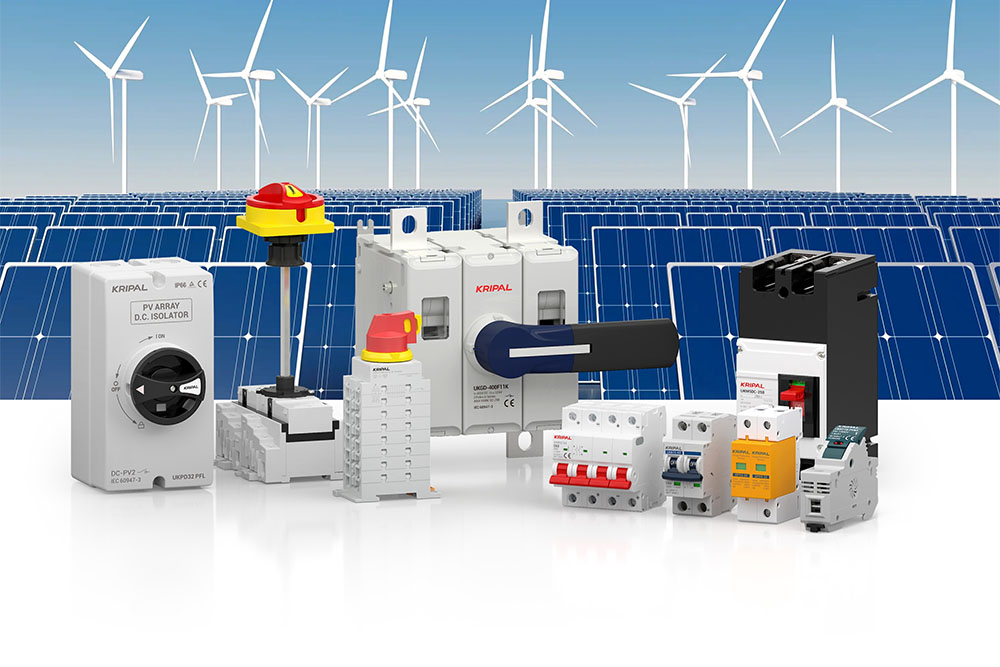
A Solar Combiner Box is a device in photovoltaic systems that connects solar arrays with inverters. It gathers direct current from multiple PV strings into a single output while providing protection, isolation, and monitoring functions. Through a more structured electrical layout, it improves system stability and simplifies installation and maintenance processes across different project scales.
Key Takeaways
- A combiner box gathers current from multiple PV strings into one output
- It integrates fuse protection, surge protection, and isolation switching
- It reduces cable usage and simplifies system layout
- It supports fault isolation and system monitoring
- It is widely applied in commercial and utility scale PV installations
What is a Solar Combiner Box?
A Solar Combiner Box is a DC side electrical unit installed between solar arrays and inverters. It gathers output current from multiple PV strings and routes them through a single output channel.
In distributed PV systems, each string operates independently. Direct wiring to the inverter can increase cable routing complexity and make protection scattered across the system. A combiner box centralizes these connections and creates a cleaner electrical structure.
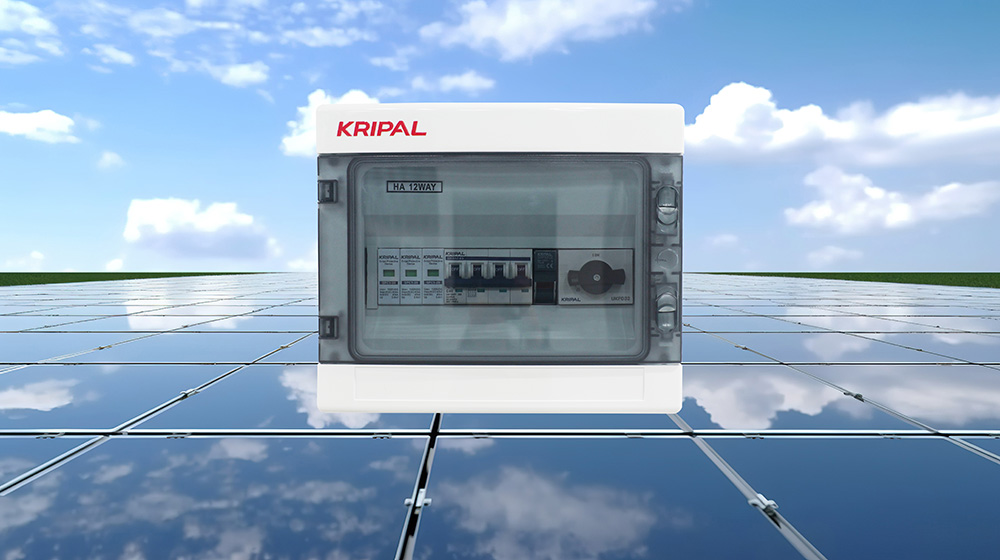
It also serves as a point where protection devices and monitoring components are grouped together, allowing better visibility of system performance.
How a Solar Combiner Box Works?
Multi string current collection
Each PV string connects to an input terminal inside the enclosure. Internal conductors and busbars combine the current into a unified path.
Output to inverter
The combined DC current exits through a main output terminal and flows toward the inverter for conversion into AC power.
Continuous protection process
Protection components track electrical conditions in real time. When abnormal current or voltage appears, the affected string is isolated to prevent further impact.
System flow
- Solar modules generate DC power
- Combiner box gathers current and applies protection
- Inverter converts DC into AC
- Power is delivered to loads or the grid
Core Functions
A solar combiner box brings multiple electrical and protective functions into one enclosure. It manages current collection, system protection, and operational visibility in a centralized way, which supports stable performance and easier system management.
Current aggregation and layout simplification
Combining multiple string outputs into one path reduces the number of cables running toward the inverter. This leads to a more organized installation and fewer connection points. It also helps reduce routing complexity in large arrays and improves overall wiring consistency across the system.
Overcurrent and short circuit protection
Each input channel includes protective elements such as fuses. When current exceeds safe levels, the circuit is interrupted at the string level. This prevents damage from spreading and protects cables, connectors, and upstream components from thermal stress.
Surge and lightning protection
Surge protection devices handle transient voltage spikes caused by lightning or switching events. This reduces stress on downstream equipment. It also helps maintain stable voltage conditions during sudden electrical disturbances.
Fault isolation
When one string experiences abnormal behavior, it can be disconnected without interrupting the rest of the system. This keeps the remaining strings operational. It also allows faster troubleshooting since faulty strings can be identified and isolated more directly.
Monitoring and diagnostics
Advanced combiner boxes include sensors that track current, voltage, and temperature. Data can be transmitted to monitoring platforms for performance analysis and fault detection. This supports early issue identification and improves long term system visibility.
Why Use a Solar Combiner Box?
A combiner box supports system safety, simplifies electrical layout, and improves maintenance access. It brings multiple functions into one location, which helps manage complexity as system size increases.
Higher system safety level
Centralized protection devices provide a structured approach to handling electrical faults and abnormal conditions. Multiple layers of protection at the string level reduce the impact of overcurrent, short circuit, and transient events on the overall system.
Cleaner wiring structure
Fewer long DC cable runs simplify installation and reduce the chance of wiring errors during construction. A more compact layout also improves cable organization and makes future modifications easier to manage.
Balanced project cost
Lower cable usage and reduced labor time can offset the additional equipment cost in many projects. This becomes more noticeable in systems with long cable distances or a high number of parallel strings.
Improved maintenance workflow
Technicians can access multiple string connections in one location, which speeds up inspection and troubleshooting tasks. Centralized access also shortens downtime during maintenance and supports more efficient routine checks.
When to Use a Combiner Box?
Recommended scenarios
- PV systems with multiple parallel strings
- Commercial and industrial rooftop installations
- Ground mounted solar plants with long cable distances
- Systems that include monitoring platforms
Situations where it may not be needed
- Small residential systems with limited string count
- Installations where each string connects directly to a multi input inverter
- Compact systems with short cable distances
In larger systems, centralized current collection provides clearer advantages in layout and maintenance.
When Do You Need a Solar Combiner Box?
| PV System Type | Do You Need a Combiner Box? | Why? |
| Small residential rooftop (1–2 strings, 3–5 kW) | ❌ Usually not needed | Most small inverters have multiple MPPT inputs, allowing direct string connection without extra hardware |
| Large residential / small commercial (3–5 strings, 6–15 kW) | ✅ Recommended | Simplifies wiring, adds string-level fuse protection, and improves troubleshooting |
| Commercial rooftop / ground mount (6+ strings, >15 kW) | ✅ Strongly recommended | Reduces cable complexity, improves safety, and helps meet electrical codes |
| Utility-scale solar farm (many strings) | ✅ Often required | Used to collect strings, provide protection, and enable monitoring (depends on system architecture) |
| Microinverter systems | ❌ No DC combiner box needed | Panels output AC. An AC combiner box may be used instead |
| Central inverter systems | ✅ Required | Multiple strings must be combined before feeding the inverter |
| Small off-grid systems (1–2 panels) | ❌ Not needed | Direct wiring or small junction box is usually sufficient |
Main Components
A solar combiner box includes several electrical and structural components that work together to manage current flow, provide protection, and support system monitoring. These components are integrated within a single enclosure to ensure stable operation under different environmental conditions.
Fuses
Installed on each input channel to interrupt excessive current and protect cables and modules. They act at the string level, which helps limit fault impact and prevents overheating in connected conductors.
Circuit breakers or isolators
Allow manual disconnection during maintenance or emergency conditions. They also provide a clear separation point, which improves safety during inspection and servicing.
Surge protection devices
Limit transient overvoltage and reduce damage risk to electrical equipment. They respond quickly to voltage spikes and help maintain stable operating conditions for downstream components.
Busbars
Conduct and combine current from multiple inputs into a single output path. Their design supports stable current distribution and reduces connection losses within the enclosure.
Monitoring units
Collect electrical data and support communication with external monitoring systems. They provide visibility into string performance and help identify abnormal operating conditions at an early stage.
Enclosure
Provides mechanical protection, weather resistance, and environmental sealing for internal components. It also supports safe installation in outdoor environments exposed to dust, moisture, and temperature variation.
Types of Combiner Boxes
- DC combiner box
Handles string level DC current before it reaches the inverter. Commonly installed between PV arrays and inverters in most solar systems. - AC combiner box
Collects AC outputs from multiple inverters in certain system configurations. Often applied in systems where several inverters feed into a shared connection point. - Smart combiner box
Includes communication interfaces and real time monitoring capabilities. It provides data visibility for system performance and supports remote supervision. - Pre wired combiner box
Delivered with internal wiring completed, which reduces on site installation time. It also helps improve installation consistency and lowers the risk of wiring errors.
How to Choose a Solar Combiner Box
Selecting a combiner box requires matching system parameters, protection needs, and installation conditions. A well matched configuration helps maintain stable operation and simplifies future expansion and maintenance.
System size and string count
Select a model that matches the number of input strings and allows room for future expansion. Planning for additional inputs can support system upgrades without replacing existing equipment.
Electrical ratings
Voltage and current limits must align with system specifications, including maximum open circuit voltage. Proper matching helps avoid electrical stress and ensures stable operation under varying conditions.
Protection configuration
Check for complete protection coverage such as fuses, surge devices, and isolation switches. A full protection setup helps manage different types of electrical risks at the string and system level.
Environmental conditions
Outdoor installations require enclosures with high protection ratings and resistance to dust, moisture, and UV exposure. Material quality and sealing performance affect long term reliability in harsh environments.
Installation method
Consider mounting options such as wall mounted or ground mounted depending on project layout. Installation flexibility can simplify construction and improve accessibility for maintenance.
Monitoring capability
For large systems, integrated monitoring supports performance tracking and reduces manual inspection frequency. Real time data access helps detect abnormal conditions earlier and improves system visibility.
Extended Application Considerations
Beyond basic functions, a combiner box also supports system layout optimization and long term operation. These considerations become more relevant as system size increases and project complexity grows.
Cable management optimization
By reducing the number of long distance DC cables, voltage drop along conductors can be controlled more effectively. A more compact cable layout also helps improve installation consistency and reduces the risk of connection errors.
System scalability
A combiner box allows easier expansion when additional strings are added in later project phases. Reserved inputs or modular design can support capacity growth without major system changes.
Grid compliance support
Structured DC collection helps maintain consistent electrical characteristics before conversion, supporting stable inverter operation. This contributes to smoother power conversion and more predictable system behavior.
Operational visibility
With monitoring integration, operators gain clearer insight into individual string performance, which supports faster decision making. Detailed data at the string level also helps identify performance deviations over time.
Conclusion
A Solar Combiner Box gathers current, provides protection, and supports monitoring within a PV system. Proper selection and configuration improve system stability and simplify maintenance throughout the project lifecycle.
If you have any questions about solar combiner box selection, system configuration, or solutions, our technical team is ready to support you.