Search
Knowledge Center
Why Is My Contactor Buzzing? Causes, Troubleshooting and Solutions
Learn why your contactor is buzzing or humming, common causes like low coil voltage and dirty pole faces, and step-by-step troubleshooting solutions.
 June 22, 2026
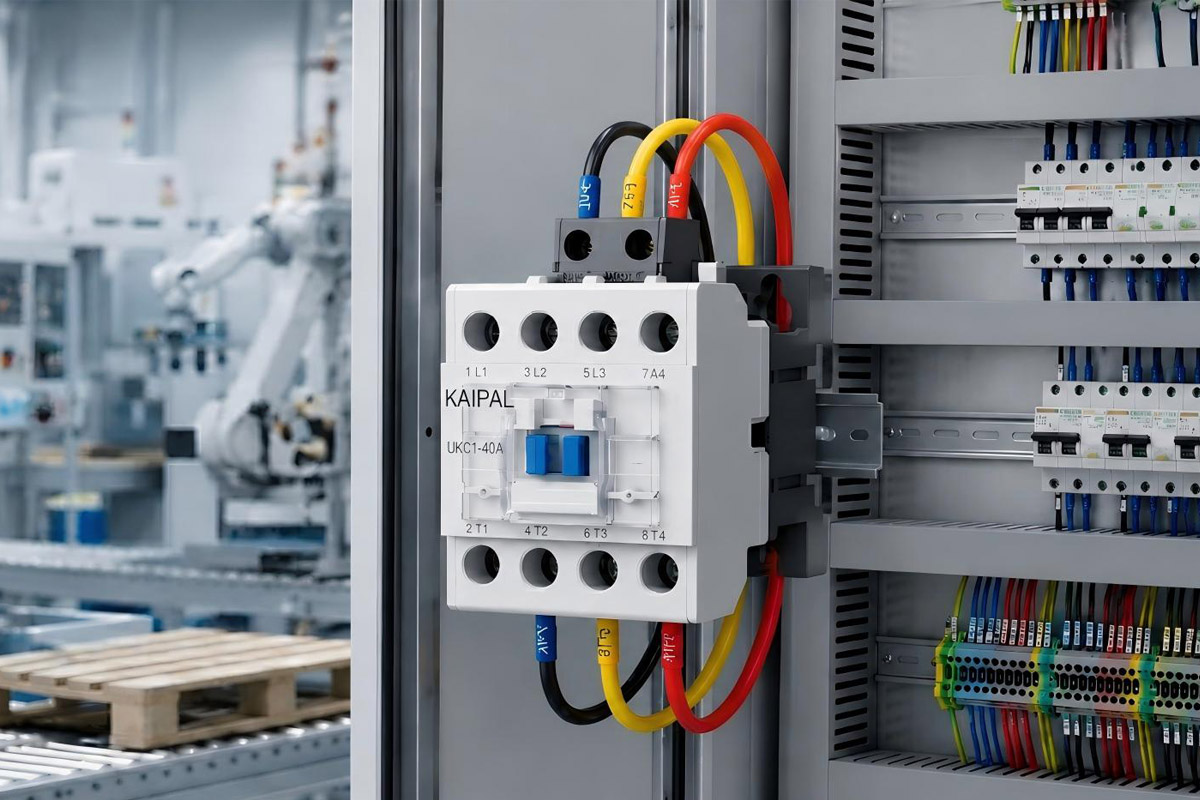
A contactor that produces a loud buzzing or humming sound is more than just a simple noise issue. In many industrial applications, abnormal contactor noise can indicate an electrical or mechanical problem that may lead to overheating, contact failure, coil damage, or unexpected equipment downtime. Contactor buzzing is commonly found in motor control centers, HVAC control panels, capacitor switching systems, and industrial automation equipment where contactors operate frequently. During normal operation, an AC contactor usually produces a clear “click” when the armature pulls in and another softer sound when it releases. However, continuous buzzing, chattering, or excessive humming usually indicates that the magnetic system is not operating correctly.
This article explains the main causes of contactor buzzing, how to troubleshoot the problem, and how proper maintenance and correct component selection can help extend contactor service life.
What Does a Buzzing Contactor Mean?
AC contactors operate using an electromagnetic coil that generates a magnetic field to pull the moving armature toward the fixed core. When the contactor closes correctly, the two magnetic surfaces should make firm contact with minimal air gap.
A slight magnetic humming sound during AC operation is normal. However, if the buzzing becomes loud, can be heard from a distance, increases over time, or is accompanied by visible vibration, the contactor should be inspected.
The vibration is related to the alternating magnetic force generated by AC power. Because the magnetic force changes with the AC waveform, the armature can experience a small amount of movement during each electrical cycle.
For a 50Hz supply, the magnetic vibration frequency is approximately 100Hz, while for a 60Hz supply it is approximately 120Hz.
If the magnetic circuit is not balanced due to contamination, insufficient voltage, or damaged components, the armature may vibrate excessively. Continuous vibration can increase the air gap between magnetic surfaces, raise coil temperature, and shorten the service life of the contactor.
How to Troubleshoot a Buzzing Contactor
Before replacing a noisy contactor, it is important to identify the actual cause. A systematic inspection can usually determine whether the problem comes from the power supply, coil circuit, magnetic system, or mechanical components.
Check Coil Voltage and Control Circuit Conditions
The first step is measuring the voltage directly at the contactor coil terminals while the contactor is energized. The measured voltage should match the rated coil voltage marked on the contactor.
If the coil voltage is too low, the magnetic force may not be strong enough to fully close and hold the armature. This can result in vibration, buzzing, increased coil temperature, and unreliable contact operation.
Common reasons for insufficient coil voltage include:
- Long control cable runs with excessive voltage drop
- Undersized control wiring
- An overloaded control transformer
- Loose or corroded terminal connections
- Faulty switches, relays, or control devices
Correcting these issues may require tightening connections, improving wiring size, replacing damaged control components, or selecting a transformer with sufficient capacity.
Inspect the Magnetic Core and Mechanical Components
If the coil voltage is correct, the next step is checking the contactor’s magnetic system.
The fixed core and moving armature must close tightly together. Dust, rust, oil contamination, or foreign particles between the magnetic surfaces can increase the air gap and reduce the holding force.
During inspection, technicians should check:
- Magnetic pole surface condition
- Armature movement
- Spring mechanism
- Core alignment
- Signs of mechanical wear
The magnetic surfaces should remain clean and dry. Lubricants should not be applied because oil or grease can attract dust and make vibration problems worse.
If the magnetic core or internal mechanism is seriously damaged, replacing the complete contactor is usually more practical and reliable than repairing individual parts.
Common Causes of Contactor Buzzing
Cause 1: Dirty or Corroded Pole Faces
One of the most common causes of contactor buzzing is contamination on the mating surfaces of the armature and fixed core.
These magnetic surfaces are manufactured to operate with a very small air gap. When dust, oxidation, grease, rust, or metal particles accumulate between them, the magnetic circuit becomes unstable.
The increased air gap reduces the magnetic holding force and allows the armature to vibrate, creating a noticeable buzzing sound.
This issue is especially common in:
- Manufacturing environments
- Outdoor electrical cabinets
- Areas with oil mist
- High humidity locations
- Facilities with airborne metal particles
How to Fix Dirty Pole Faces
After safely disconnecting power, inspect and clean the magnetic surfaces according to the manufacturer’s instructions. Use a clean, dry, lint-free cloth to remove loose contamination. Avoid using sandpaper or files because scratching the magnetic surfaces can create permanent air gaps and increase vibration. The pole faces should remain clean and dry after maintenance. Do not apply grease or lubricant.
Cause 2: Low Coil Voltage or Voltage Drop
Another frequent cause of contactor buzzing is insufficient voltage reaching the coil. AC contactor coils are designed to operate within a specific voltage range. During energization, the coil requires enough voltage to generate sufficient magnetic force to pull the armature fully closed.
When the voltage drops below the required level, the armature may remain partially closed or repeatedly release and pull in. This produces buzzing, increases coil heating, and reduces contact reliability.
Long or Undersized Control Wiring
Long cable distances or insufficient conductor size can create voltage drop between the control source and the contactor coil.
Insufficient Control Transformer Capacity
When multiple contactors or control devices operate from the same transformer, the secondary voltage may drop under load.
Loose Terminal Connections
Loose screws or corroded terminals increase resistance and reduce the voltage delivered to the coil.
Faulty Control Components
Damaged switches, relays, or control devices may prevent the correct voltage from reaching the coil. To solve coil voltage problems, measure the actual coil voltage during operation and verify that it remains within the contactor manufacturer’s specified range. Improving wiring, replacing damaged components, or upgrading the transformer may be required.
Cause 3: Broken or Missing Shading Ring
Most AC contactors use a shading ring or shading mechanism to maintain stable magnetic attraction during AC operation. In an AC magnetic system, the current and magnetic force naturally alternate with the supply frequency. Without a shading ring, the magnetic holding force would drop significantly during each AC cycle, causing the armature to vibrate.
The shading ring creates a phase-shifted magnetic flux that maintains continuous attraction and helps keep the armature firmly closed.
For a 50Hz supply, the magnetic force variation occurs approximately 100 times per second. For a 60Hz supply, it occurs approximately 120 times per second. If the shading ring is damaged, the armature may no longer remain stable, resulting in a noticeable buzzing sound.
Why Does a Shading Ring Fail?
A shading ring can become damaged after millions of operating cycles due to:
- Mechanical vibration
- Magnetic stress
- Thermal cycling
- High ambient temperature
- Long-term operation
A typical symptom is a contactor that has operated quietly for years but suddenly begins producing a loud buzzing noise. When the shading ring cracks or loses its function, the magnetic circuit becomes unstable and the armature cannot maintain firm contact with the fixed core.
How to Fix a Damaged Shading Ring
Unlike external components, the shading ring is normally integrated into the magnetic core and is not designed for field replacement.
If the following conditions have already been confirmed:
- Magnetic pole faces are clean
- Coil voltage is correct
- Armature movement is normal
but the buzzing continues, the magnetic system or shading ring is likely damaged. In this situation, replacing the complete contactor is usually the most reliable solution. KRIPAL UKC series contactors are designed with optimized electromagnetic systems to provide stable operation, reduced vibration, and reliable switching performance in industrial applications.
Cause 4: Incorrect Coil Voltage Selection
Installing a contactor with the wrong coil voltage is another common cause of buzzing problems.
Contactors are available with different coil specifications, including:
- AC24V
- AC110V
- AC220V
- AC380V
- DC24V
The coil voltage must match the actual control circuit voltage shown on the contactor label. For example, installing an AC220V coil contactor in a 110V control circuit may result in insufficient magnetic force, incomplete armature closure, continuous buzzing, and excessive coil heating. On the other hand, applying excessive voltage to a low-voltage coil can damage the coil insulation and shorten service life.
Before replacing or installing a contactor, always verify:
- Rated coil voltage
- Actual control voltage
- AC or DC coil type
- Required operating frequency (50Hz or 60Hz)
Selecting the correct coil specification is essential for quiet operation and long-term reliability.
Troubleshooting Contactor Buzzing Symptoms
| Symptom | Possible Cause | First Check |
|---|---|---|
| Buzzing suddenly appears after years of operation | Damaged shading ring or contamination | Inspect magnetic core and pole faces |
| Buzzing becomes louder gradually | Dust, rust, or mechanical wear | Clean and inspect armature surfaces |
| Buzzing occurs during motor startup only | Voltage drop during inrush current | Measure coil voltage during startup |
| Several contactors buzz at the same time | Control transformer overload | Check transformer capacity |
| New contactor buzzes after installation | Incorrect coil voltage | Verify coil marking and control voltage |
How to Prevent Contactor Noise and Extend Service Life
Proper installation and regular maintenance can significantly reduce contactor failures. A reliable contactor system starts with selecting the correct device according to the application requirements, including motor power, utilization category, rated current, and coil voltage. Keeping electrical panels clean and protecting contactors from dust, moisture, oil contamination, and corrosive environments can help maintain stable magnetic operation.
Regular inspection of control voltage is also important, especially in systems with frequent switching cycles or multiple control devices sharing the same transformer. For high-cycle applications such as HVAC systems, compressors, and industrial automation equipment, selecting contactors with suitable mechanical endurance can reduce premature failure.
Reliable KRIPAL Contactors for Industrial Applications
A buzzing contactor should not be ignored. Whether the cause is contaminated pole faces, insufficient coil voltage, incorrect coil selection, or a damaged shading ring, identifying the problem early can prevent equipment downtime and unexpected failures.
KRIPAL provides a complete range of AC contactors designed for reliable switching performance in industrial and commercial applications, including:
- UKC1 Series
- UKC2 Series
- UKC5 Series
KRIPAL contactors are suitable for applications such as:
- Motor control systems
- HVAC equipment
- Industrial automation
- Capacitor switching
- Electrical distribution panels
With reliable electromagnetic design and stable switching performance, KRIPAL contactors help provide safe and efficient control solutions for modern electrical systems.
Frequently Asked Questions About Contactor Buzzing
Q: Can I lubricate the contactor core to reduce buzzing?
No. The magnetic pole faces should remain clean and dry. Lubricants can attract dust, increase the air gap, and make buzzing worse.
Q: Why does my contactor buzz only when the motor starts?
A motor startup creates a high inrush current, which may temporarily reduce the control voltage. If the coil voltage falls below the required level, the contactor may partially release and produce buzzing. Checking the control transformer capacity and measuring coil voltage during startup can help identify the problem.
Q: Is a small humming sound from a contactor normal?
A slight AC magnetic hum that can only be heard close to the contactor may be normal. However, loud buzzing, mechanical vibration, or increasing noise over time indicates that inspection is required.
Q: Can a buzzing contactor damage connected equipment?
Yes. A noisy contactor may fail to close completely, causing increased contact resistance, overheating, voltage drop, and possible motor starting problems. Early diagnosis can help prevent unexpected equipment downtime and reduce maintenance costs.
Q: Should I replace the coil or the whole contactor?
If cleaning the pole faces and confirming correct coil voltage do not solve the problem, the issue is likely related to the magnetic core or shading system. Because these parts are usually not separately replaceable, replacing the complete contactor is often the recommended solution.
Related Resources
Explore Knowledge Center >

Need a matching KRIPAL product?
Share voltage, quantity and destination. An engineer will reply with options and lead time.