Search
Knowledge Center
Combiner Box vs Distribution Box: What’s the Difference?
Combiner box vs distribution box: What’s the difference? Learn how they differ in role, protection, and placement in PV systems.
 March 16, 2026
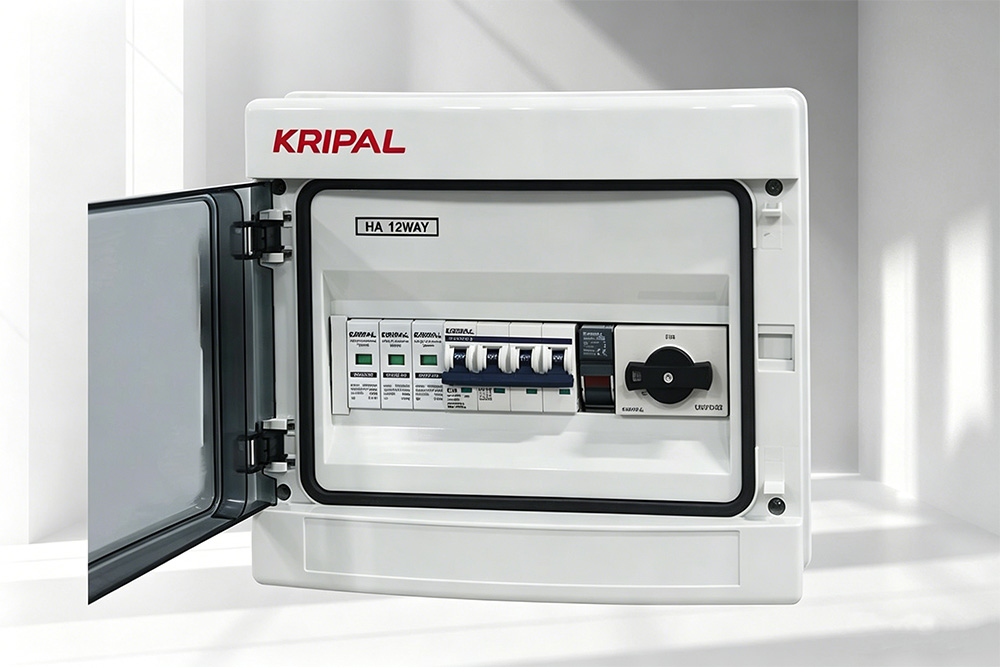
In photovoltaic and electrical systems, combiner boxes and distribution boxes are often confused, yet they serve different purposes in the power flow. A combiner box gathers DC power from multiple PV strings and provides protection at the source side, while a distribution box allocates power to multiple circuits and manages protection at the load side.
Their differences appear in structure, electrical characteristics, installation position, and system role. This article gives a structured explanation to support clear understanding and practical selection.
Key Takeaways
- A combiner box gathers multiple DC inputs, a distribution box splits power into multiple outputs
- A combiner box works on the PV DC side, a distribution box works mainly on the AC and load side
- Protection focus differs, string level in combiner boxes, circuit level in distribution boxes
- Installation follows system flow, from generation side to consumption side
- Selection depends on system layout, electrical parameters, and operating environment
What Is a Combiner Box?
Definition and Role
A combiner box gathers output from several PV strings and delivers a unified DC output to the inverter. It sits between the PV modules and downstream equipment, forming a centralized connection point for multiple inputs. At the same time, it provides protection at the string level, helping maintain stable operation on the DC side and reducing risks caused by uneven current or faults in individual strings.
Functional Features
A combiner box brings together several electrical functions within one enclosure. It aggregates multiple DC inputs into one or more outputs, which simplifies system wiring and reduces the number of cables routed to the inverter.
Each string includes independent protection, which helps prevent reverse current and limits the impact of faults to a single string rather than the entire system. It also includes surge protection to handle lightning strikes and voltage spikes, which are common risks in outdoor PV installations.
In addition, many combiner boxes include monitoring capabilities that track current and voltage at the string level. This allows operators to detect abnormal performance early and locate issues more quickly, especially in large scale solar plants where manual inspection is difficult.
Internal Configuration
Inside a combiner box, several components work together to support protection and power collection. DC fuses or circuit breakers protect each input string from overcurrent conditions. Surge protection devices manage transient voltage and reduce the risk of equipment damage. Busbars collect and combine current from all inputs into a single output path.
Some configurations include monitoring units that provide real time data for system supervision. All components are housed within an enclosure that provides protection against dust, moisture, and environmental exposure, supporting reliable outdoor operation under varying conditions.
Installation Context
A combiner box is typically installed close to the PV array. This placement reduces the distance between modules and the collection point, which lowers cable losses and improves overall system performance. It also simplifies cable routing and reduces installation complexity.
Locating the combiner box near the source side supports faster fault detection and isolation. When an issue occurs in a specific string, maintenance teams can identify and address it without affecting the rest of the system, which helps maintain stable power generation.
What Is a Distribution Box?
Definition and Role
A distribution box receives electrical power from an upstream source and delivers it to multiple outgoing circuits. It acts as the central point for managing how electricity flows to different loads within a system. At the same time, it provides protection and control for each branch, helping maintain stable operation across all connected equipment. By organizing power distribution in one location, it also improves system clarity and maintenance efficiency.
Functional Features
A distribution box focuses on handling power on the load side. It distributes electricity to different circuits based on system demand, allowing multiple devices or areas to operate independently. Each circuit includes protection against overload and short circuit, which helps prevent damage and limits the impact of faults.
It also allows switching and isolation of individual circuits, which supports safe maintenance and flexible operation. In more advanced systems, monitoring and control functions may be integrated, providing real time data on energy usage and enabling remote operation. This supports better energy management and faster response to system changes.
Internal Configuration
Inside a distribution box, several components work together to manage power flow and protection. Circuit breakers control and protect each outgoing line, while terminal blocks organize wiring connections. Additional protective devices may be included depending on system requirements.
Control elements can support manual or automated operation, especially in more complex installations. All components are housed within an enclosure suited to the installation environment, which may vary from compact wall mounted units to larger floor standing cabinets.
Application Context
A distribution box appears in a wide range of environments, including residential buildings, commercial facilities, industrial sites, and infrastructure systems. It supports the operation of lighting, machinery, HVAC systems, and other electrical loads.
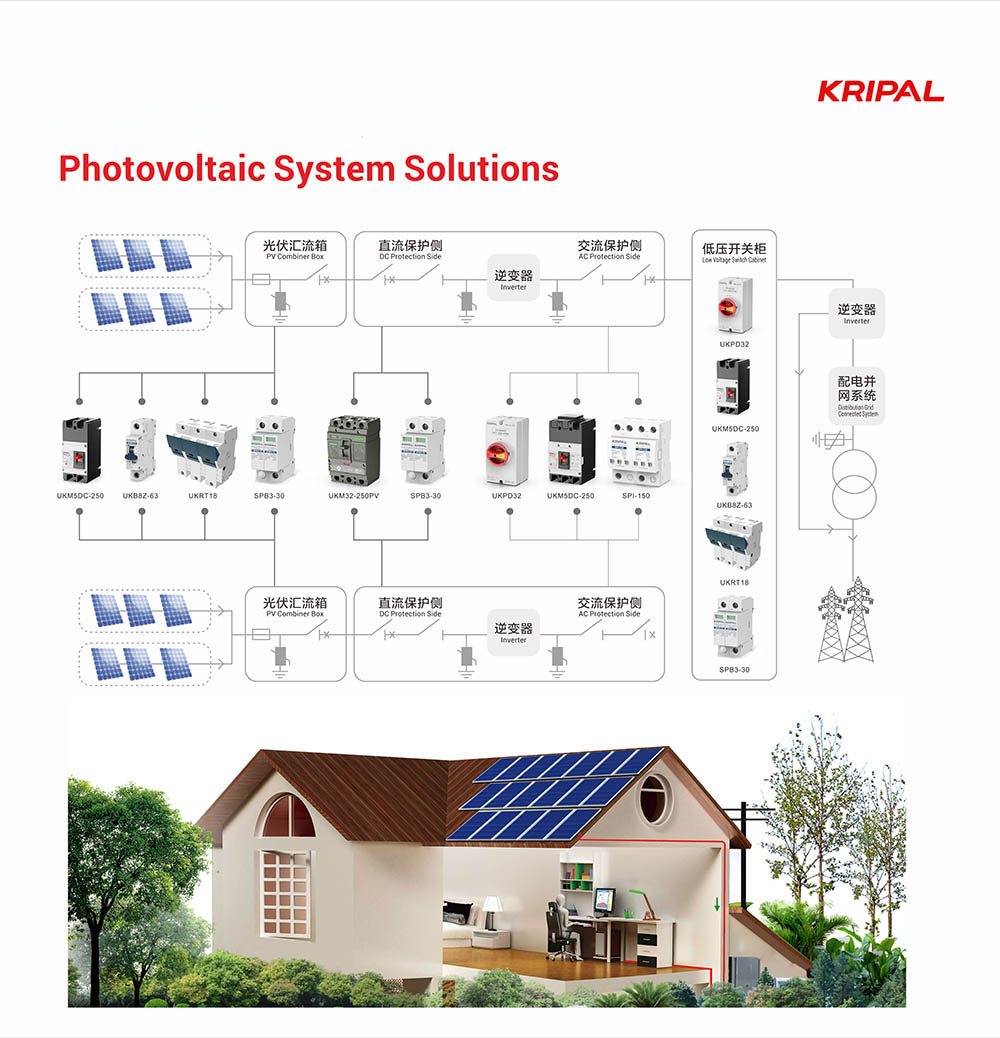
By providing structured power distribution and localized control, it helps maintain stable operation across different application scenarios while allowing systems to scale and adapt to changing demands.
| Feature | Combiner Box | Distribution Box |
| Primary Role | Gathers output from several PV strings and delivers a unified DC output to the inverter. | Receives electrical power from an upstream source and delivers it to multiple outgoing circuits. |
| Position in System | Sits between the PV modules and downstream equipment (DC side). | Acts as the central point for managing power flow to different loads (load side). |
| Direction of Power Flow | Multiple inputs → One or more outputs (Combining). | One input → Multiple outputs (Distributing). |
| Main Functional Focus | String-level protection, reverse current prevention, and reducing cable runs to the inverter. | Overload and short-circuit protection for branch circuits, circuit isolation, and load management. |
| Protection Features | DC fuses/circuit breakers per string; Surge protection devices (for lightning/voltage spikes). | Circuit breakers per outgoing line; Overload and short circuit protection. |
| Monitoring Capability | Often includes string-level current/voltage monitoring for fault detection in large solar plants. | May include real-time energy usage data and remote operation capabilities. |
| Key Internal Components | DC fuses, surge protection devices, busbars (for combining), monitoring units. | Circuit breakers, terminal blocks, control elements (manual/automated). |
| Typical Installation Location | Close to the PV array (source side) to reduce cable losses. | Residential, commercial, or industrial facilities (e.g., near lighting, machinery, HVAC). |
| Enclosure Focus | Protection against dust, moisture, and outdoor environmental exposure. | Varies from compact wall-mounted units to large floor-standing cabinets (indoor/outdoor). |
| Impact of a Single Fault | Limited to one string; other strings continue operating. | Limited to one branch circuit; other circuits remain operational. |
Core Differences
Although both devices are part of the same electrical system, they operate at different stages of the power flow and follow different design logic. A combiner box works closer to the energy source and focuses on collecting and stabilizing DC input from multiple strings.
A distribution box works closer to the load side and manages how power is delivered and controlled across multiple circuits. Understanding these differences helps avoid confusion during system design and ensures proper placement and configuration.
Functional Logic
A combiner box brings together multiple input currents from PV strings and merges them into a smaller number of outputs. This reduces wiring complexity and prepares the power for the next stage, usually the inverter.
A distribution box takes a single incoming power source and divides it into multiple outgoing circuits. Each circuit can supply different loads, which allows flexible power allocation across a building or facility.
Electrical Characteristics
A combiner box operates on the DC side of a photovoltaic system and often handles higher voltage levels generated by solar strings. Its components are selected to match DC behavior and continuous current flow.
A distribution box operates mainly on the AC side after power conversion. It may also appear in low voltage systems, depending on the application. Its configuration supports alternating current characteristics and load side requirements.
Structural Focus
A combiner box places more attention on input side protection and surge handling. Since it collects power from outdoor PV arrays, it must deal with environmental exposure and transient voltage conditions.
A distribution box focuses more on organizing outgoing circuits and enabling flexible control. Its structure supports multiple branch connections, making it easier to manage different loads within the same system.
Protection Scope
A combiner box applies protection at the string level. Each PV string has its own protective component, which helps isolate faults and prevents issues such as reverse current from affecting other strings.
A distribution box applies protection at the circuit level. Each outgoing branch includes protection against overload and short circuit, helping maintain safe operation for connected equipment.
Monitoring Focus
A combiner box is related to generation side monitoring. It provides insight into the performance of individual strings, which helps detect underperformance or faults in the PV array.
A distribution box is related to load side monitoring. It provides visibility into how power is consumed across different circuits, supporting energy management and operational control.
Installation Position
A combiner box is installed close to the PV modules to shorten cable distance and simplify DC side connections. This placement also supports faster identification of issues at the source. A distribution box is installed near loads or within electrical rooms. This allows easier access for operation, maintenance, and circuit management in daily use.
System Coordination
In a photovoltaic system, combiner boxes and distribution boxes work at different stages of the power flow. One handles power collection on the generation side, while the other manages power distribution on the load side. Their coordination connects energy production with actual usage.
Power Flow in a PV System
A typical flow starts with PV modules generating DC power. This power enters the combiner box, where outputs from multiple strings are gathered and protected. It then moves to the inverter for conversion into AC power. After that, the distribution box delivers the electricity to different loads based on system demand.
This sequence shows a clear transition from energy generation to energy consumption, with each device handling a specific step.
System Impact
The combiner box affects how power is collected and how faults are identified on the DC side. Stable input at this stage supports consistent inverter performance. The distribution box affects how power is delivered to loads and how circuits are managed. Proper distribution helps maintain stable operation across connected equipment. Together, they support a continuous and balanced flow of power through the system.
| Feature | Combiner Box | Distribution Box |
| Primary Role | Gathers output from several PV strings and delivers a unified DC output to the inverter. | Receives electrical power from an upstream source and delivers it to multiple outgoing circuits. |
| Position in System | Sits between the PV modules and downstream equipment (DC side). | Acts as the central point for managing power flow to different loads (load side / AC side). |
| Direction of Power Flow | Multiple inputs → One or more outputs (Combining). | One input → Multiple outputs (Distributing). |
| Functional Logic | Brings together multiple input currents to reduce wiring complexity before the inverter. | Divides a single incoming source into multiple circuits for flexible power allocation. |
| Electrical Characteristics (General) | Operates on the DC side of a PV system; handles higher voltage levels from solar strings. | Operates mainly on the AC side after power conversion; supports alternating current characteristics. |
| Working Voltage (Type & Level) | DC (Direct Current) – Located before the inverter. Very high: Common ratings are 1000V DC or 1500V DC to reduce long-distance transmission losses. |
AC (Alternating Current) – Located after the inverter or grid connection. Lower, with regional standards: – China/Europe: 220V/380V, 50Hz – North America: 120V/240V, 60Hz |
| Working Current (Characteristics) | DC – Collects multiple small currents into one large output. Each string: ~10A-25A; Total output: up to hundreds of amperes. |
AC – Distributes a large incoming current into smaller branch circuits. Main input: e.g., 63A (residential) to hundreds of amperes (industrial); Branch outputs: e.g., C16, C25 for lighting, sockets, HVAC. |
| Protection Scope | String-level protection (fuses/breakers per string). Prevents reverse current and limits faults to one string. | Circuit-level protection (breakers per outgoing line). Prevents overload and short circuit for connected equipment. |
| Surge Protection | Critical – handles lightning and voltage spikes common in outdoor PV installations. | Less focused on surge protection; more focused on overload and short-circuit isolation. |
| Monitoring Focus | Generation-side monitoring – tracks string-level current/voltage to detect underperformance or faults in the PV array. | Load-side monitoring – tracks energy consumption per circuit to support energy management and operational control. |
| Structural Focus | Input-side protection and surge handling; must withstand environmental exposure. | Organizing outgoing circuits and enabling flexible control; supports multiple branch connections. |
| Typical Installation Position | Close to the PV modules (source side) to shorten DC cable distance and reduce losses. | Near loads or within electrical rooms for easy access, operation, and maintenance. |
| Enclosure Focus | High protection against dust, moisture, and outdoor environmental exposure. | Varies from compact wall-mounted units (indoor) to large floor-standing cabinets. |
| System Coordination | Handles power collection on the generation side. | Manages power distribution on the load side. |
| Power Flow in a PV System | PV modules → Combiner Box (DC collection) → Inverter (DC to AC) → Distribution Box (AC distribution) → Loads | |
| Impact of a Single Fault | Limited to one string; other strings continue operating. | Limited to one branch circuit; other circuits remain operational. |
Selection Considerations
Combiner Box
- Number of PV strings and current rating
- Environmental protection level
- Monitoring requirements
- Surge protection level
Distribution Box
- Load types and distribution structure
- Number of outgoing circuits
- Protection configuration
- Control and monitoring options
Practical Notes
- Start from system layout rather than product naming
- Confirm DC or AC side clearly
- Consider installation environment
- Plan for future expansion
Conclusion
Combiner boxes and distribution boxes serve different positions in electrical and photovoltaic systems. One handles power aggregation on the generation side, the other manages power delivery on the load side. Clear understanding of their differences supports stable operation and better system planning.
If you have any questions about photovoltaic or electrical distribution solutions, our technical team is ready to assist you.
FAQ
1. What happens if a combiner box and a distribution box are confused?
Mixing the roles of these two devices can lead to incorrect system configuration. A combiner box handles DC aggregation on the generation side, while a distribution box manages power delivery on the load side. Using one in place of the other may result in improper protection, unstable operation, or even system failure.
2. Why is it not enough to focus on only one device in the system?
Looking at only one device without considering the full system can create imbalance in power flow and protection. Both the generation side and the load side need to work together. Ignoring system coordination may reduce reliability and increase operational risks.
3. What should be considered in protection planning?
Protection planning needs to cover both the DC side and the AC side. On the generation side, string level protection and surge handling help maintain stable input. On the distribution side, circuit level protection helps prevent overload and faults. A complete approach improves overall system stability and safety.