Search
Knowledge Center
What Is a Switchboard? Types, Functions & Applications Explained
Explore the ultimate guide to switchboards. Learn about different types, key functions, and essential applications for efficient electrical power distribution and control.
 May 30, 2026
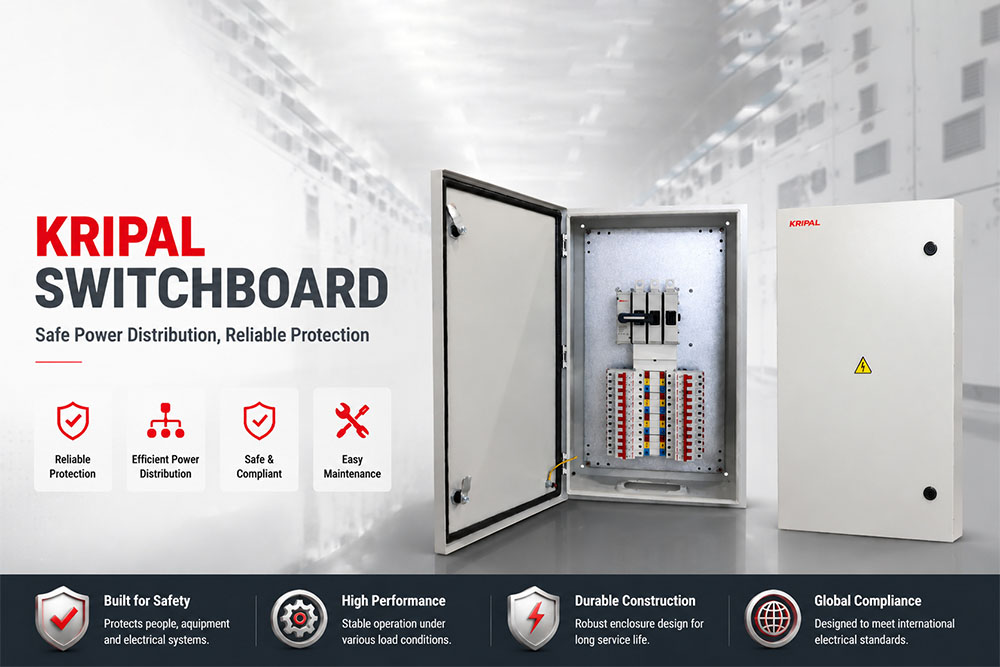
Electricity doesn’t just arrive at buildings or factories ready to use. It needs to be strictly controlled, distributed, and protected. This is where a high-performance switchboard plays a central role.
Acting as a central power distribution and protection assembly in electrical systems, it manages how power is divided into different circuits while ensuring maximum system uptime.
Core Highlights
- A switchboard is an electrical distribution unit that divides incoming power into multiple outgoing circuits.
- It supports safe operation by housing protective devices like circuit breakers and switches.
- It is widely used in residential, commercial, and industrial environments.
- Modern switchboards improve safety, simplify maintenance, and help manage electrical loads efficiently.
Understanding What a Switchboard Is
A switchboard is typically used in low-voltage systems (up to 1000V AC according to IEC 61439 standard). It receives electricity from a main transformer and safely distributes it to various sub-circuits.
This ensures a reliable power supply for downstream equipment. According to international standards like IEC 61439, a high-quality switchboard is not just a metal box—it is a sophisticated assembly of switches, protective devices, and busbars designed to control electrical flow and isolate faults.
Think of it as the traffic controller for your facility’s power. It directs energy where needed while preventing overloads or short circuits from damaging your entire operation.
How a Switchboard Works
When electricity enters a switchboard, it first passes through a main control device. From there, it is divided into multiple circuits, each protected by its own breaker or switch.
If a fault occurs in one circuit, such as an overload or short circuit, the protective device disconnects only that specific circuit instead of shutting down the entire system. This selective isolation helps maintain stability and reduces downtime.
Switchboards may also include meters, indicators, and monitoring tools that provide real-time information about voltage, current, and overall system performance.
Types of Electric Switchboards
Switchboards can be categorized based on application and construction.
| Switchboard Type | Description |
| Main Switchboard | The primary distribution point for electrical power in a building. It receives electricity directly from the transformer or main supply and distributes it to sub-circuits or secondary panels. |
| Sub Switchboard | Receives power from the main switchboard and redistributes it to smaller areas or specific sections of a facility, improving distribution efficiency. |
| Distribution Switchboard | Focuses on dividing power into multiple outgoing feeders, commonly used in commercial and industrial environments for independent load control. |
| Industrial Switchboard | Designed for heavy-duty applications, it handles high electrical loads and often includes advanced protection and monitoring systems. |
| Modular Switchboard | A flexible system that allows easy expansion or modification, commonly used in modern buildings with evolving electrical requirements. |
Key Uses of Switchboards
Switchboards are used in nearly every environment where electricity is distributed.
| Application Environment | Typical Functions |
| Residential Buildings | Manage lighting, household appliances, and socket outlet circuits. |
| Commercial Spaces (e.g., offices and shopping centers) | Support lighting systems, HVAC equipment, and elevators. |
| Industrial Settings | Control heavy machinery, production lines, and large electrical loads. |
They also play a role in ensuring electrical safety by isolating faults and preventing system-wide failures.
Key Features of Electric Switchboards
Modern switchboards are designed with both functionality and safety in mind.
- They include protective devices such as circuit breakers that automatically disconnect faulty circuits.
- They are built with insulated enclosures to reduce the risk of electric shock.
- Many systems include monitoring instruments that track electrical performance in real time.
- They are designed for easy maintenance, allowing technicians to access components without disrupting the entire system.
- They are designed with specific short-circuit withstand ratings (kA level), ensuring system stability under fault conditions.
- Some advanced switchboards also support modular upgrades, making them adaptable to future electrical needs.
- To enhance operational safety and control, we often integrate high-quality isolator switches for distribution board with padlockable black knob and control transmission shaft. This allows for secure, door-mounted isolation, ensuring that maintenance technicians can safely lock the power supply in the “OFF” position during servicing.
Why Choose Kripal for Your Switchboards?
In industrial environments, reliability is the only language that matters. Kripal switchboards are built to meet the most rigorous demands:
- Safety Compliance: Designed in strict compliance with international standards, ensuring safe operation for technicians.
- Environmental Protection: Offering various IP ratings (e.g., IP54/IP65) to protect against dust, moisture, and harsh industrial conditions.
- Advanced Busbar Construction: Copper or aluminum busbars are used as main conductors for power distribution, ensuring superior low impedance and efficient current transfer.

Switchboard vs Distribution Board
| Item | Description |
| Switchboard | A larger electrical system that handles higher electrical loads and more complex power distribution across multiple circuits or areas. |
| Distribution Board | A smaller unit located closer to end users, used to divide electrical power into final circuits for direct consumption. |
Safety Considerations
Proper installation and maintenance of switchboards are essential for safe operation. Poorly designed or overloaded systems can lead to overheating, equipment damage, or electrical hazards.
Regular inspection helps ensure that all components function correctly. It is also important that only qualified professionals handle installation and repairs.
Conclusion
A switchboard plays a central role in managing and distributing electrical power safely and efficiently across different circuits. By organizing power flow, isolating faults, and supporting system monitoring, it helps ensure stable operation in residential, commercial, and industrial environments.
With various types available, from main and sub switchboards to modular and industrial designs, it can be adapted to different electrical demands and installation scales. Its combination of protection, control, and flexibility makes it a key part of modern electrical infrastructure.
Go to Kripal and explore my range of switchboards built for safe and reliable power distribution. If you have any questions or need help, I’m always here to support you.
Frequently Asked Questions
Q1 What is the main function of a switchboard?
A switchboard distributes electrical power from a main source into multiple circuits while providing protection and control.
Q2 Is a switchboard the same as a fuse box?
Not exactly. A fuse box is an older form of protection system, while a switchboard typically uses circuit breakers and offers more advanced control.
Q3 Where are switchboards commonly used?
They are used in homes, commercial buildings, factories, and infrastructure systems where electricity needs to be distributed safely.
Q4 What is inside a switchboard?
It usually contains switches, circuit breakers, busbars, meters, and protective devices that control and monitor electrical flow.
Q5 Why are switchboards important?
They help ensure safe electricity distribution, prevent overloads, and allow different parts of an electrical system to operate independently.
Q6 Why is a switchboard important in modern buildings?
Because it ensures electricity is distributed safely, reduces the risk of system-wide failures, and improves overall power management efficiency.
Q7 What happens if a switchboard fails?
A failure may lead to power interruptions, equipment damage, or safety hazards, depending on the severity and location of the fault.
Q8 Are switchboards used in homes or only in industries?
They are used in both. Homes typically use smaller systems, while industries use larger and more complex switchboards.
Q9 Can switchboards help reduce downtime?
Yes, because they isolate faulty circuits instead of shutting down the entire system, allowing other parts to continue operating.
Q10 Is professional installation required for a switchboard?
Yes, installation and maintenance should always be handled by qualified electricians to ensure compliance with safety standards.
Related Resources
Explore Knowledge Center >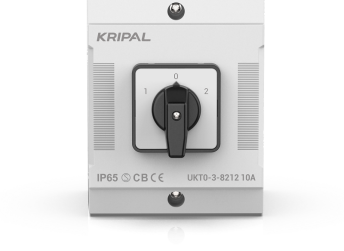

Need a matching KRIPAL product?
Share voltage, quantity and destination. An engineer will reply with options and lead time.