Search
Knowledge Center
Combiner Box vs Junction Box: What’s the Difference?
Combiner box vs junction box: What’s the difference? Learn how they differ in protection, application, and role in PV systems.
 March 16, 2026

In photovoltaic and electrical systems, combiner boxes and junction boxes are often mixed up. Both relate to cable connections, but they operate at different levels within a system. A combiner box handles current collection from multiple strings and adds protection and monitoring.
A junction box connects conductors and shields them from environmental exposure. Understanding how they differ helps improve system layout, equipment selection, and long term operation.
Key Takeaways
- A combiner box gathers current from multiple strings and adds protection
- A junction box connects conductors and provides enclosure protection
- A combiner box appears more often in medium and large photovoltaic systems
- A junction box is common at module level or simple wiring points
- Both devices work together but handle different layers in a system
Combiner Box vs Junction Box Explained
Both devices appear in photovoltaic systems but serve different purposes at different levels. A combiner box handles current collection and adds protection within the system, while a junction box focuses on connecting conductors and shielding them from environmental factors. Understanding their roles helps clarify how each one contributes to system structure and operation.
What Is a Combiner Box
A combiner box sits between the photovoltaic array and the inverter. It gathers output from several PV strings and routes the combined current into a single line.
Core Functions
- Combine multiple PV strings into one DC output
- Limit fault current through fuses or circuit breakers
- Reduce surge impact with protection devices
- Allow safe isolation during inspection
- Provide optional monitoring for current and voltage
In many installations, it also reduces the number of cables running toward the inverter and helps keep wiring more organized.
What Is a Junction Box
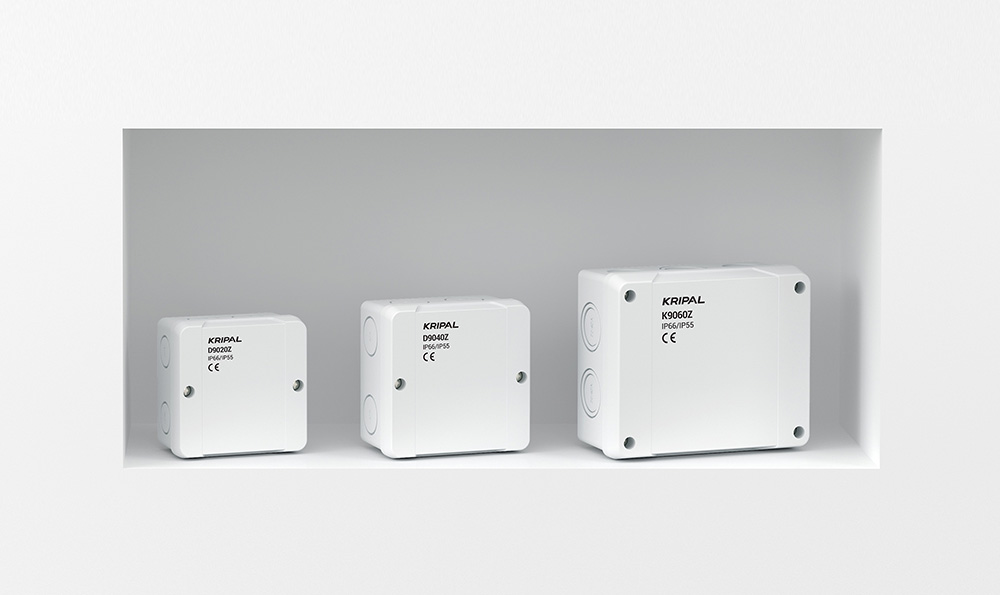
A junction box is a compact enclosure found in many electrical systems. In photovoltaic modules, it is mounted on the back and connects internal circuits to external cables.
Core Functions
- Connect and branch conductors
- Protect internal connections from dust, moisture, and corrosion
- Reduce mechanical stress on cable joints
Its structure stays simple and focuses on stable connections and environmental sealing.
Key Differences
A combiner box operates at the system level and handles current aggregation and protection across multiple PV strings. It connects directly with upstream arrays and downstream equipment such as inverters, which places it within the main power flow path. This position allows it to influence how current is collected, distributed, and managed within the system.
A junction box operates at the connection level and focuses on conductor linking within a localized point. It connects internal circuits to external cables and keeps those connections stable under different environmental conditions. Its role stays limited to the physical layer of the system.
The combiner box interacts with overall system behavior through aggregation and protection, while the junction box supports reliable physical connections without affecting current control or system operation.
Electrical Protection
Electrical protection marks a clear difference between these two devices. A combiner box integrates multiple protective components within the power path, while a junction box focuses on enclosure safety and basic insulation. Their roles reflect different levels of involvement in system operation and risk control.
Combiner Box
It includes several protection elements that act directly on current flow
- Fuses or breakers to control fault current
- Surge protection devices to reduce lightning impact
- Isolation switches for safe servicing
These components help manage abnormal conditions, reduce the chance of damage, and support safer system operation during faults or maintenance.
Junction Box
It offers insulation and a sealed enclosure that protects internal connections from environmental exposure.
It does not control electrical faults or regulate current, and its role remains limited to physical protection of connection points.
Application Scenarios
Application scenarios highlight how each device fits into different layers of a photovoltaic or electrical system. A combiner box appears in setups where multiple inputs need to be brought together, while a junction box stays close to individual connection points and supports localized wiring.
Combiner Box
- Multi string photovoltaic arrays
- Commercial and industrial solar installations
- Utility scale solar plants
- High voltage DC collection systems
In these scenarios, the combiner box gathers outputs from several strings and routes them into a unified path, which helps simplify system layout and centralize control.
Junction Box
- Inside photovoltaic modules
- Building wiring points
- Small scale cable connections
In these cases, the junction box manages local conductor connections and keeps them protected within a sealed enclosure, ensuring stable operation at the connection level.
Impact on System Safety
A combiner box helps control risks related to overcurrent, short circuit, and surge events. It also helps isolate faults so other parts of the system continue to operate. A junction box protects connections from environmental exposure such as moisture or dust. Its influence on electrical fault handling stays limited.
In systems with multiple parallel strings, absence of a combiner box increases exposure to uncontrolled current.
Maintenance and Troubleshooting
Maintenance and troubleshooting show a clear difference in how each device supports system operation over time. A combiner box provides visibility and faster fault handling, while a junction box relies on manual inspection and basic checks. This gap becomes more noticeable as system size increases.
Combiner Box
A combiner box allows monitoring at the string level, which helps identify abnormal performance early. It makes fault location faster since each input can be checked without tracing the entire system. This reduces inspection time and supports more stable operation, especially in larger installations where quick response matters.
Junction Box
A junction box does not include built in monitoring, so inspection depends on manual checking of connections and cables. Fault tracing usually takes more time because issues must be located step by step along the wiring. In smaller systems this may be manageable, but in larger setups it can slow down maintenance work.
Installation and Wiring Considerations
A combiner box can shorten cable runs by collecting outputs near the array. This helps simplify routing toward the inverter and keeps the layout cleaner. A junction box stays close to connection points and does not change the overall wiring structure. It focuses on keeping joints stable and protected. Proper placement of both devices supports a cleaner layout and easier servicing.
Cost and Structural Complexity
- A combiner box includes multiple electrical components such as fuses, breakers, surge protection devices, and switches, which leads to a higher cost level. Its internal layout is more complex and requires careful configuration and installation.
- A junction box has a simple enclosure structure with minimal internal components. This keeps manufacturing and installation costs lower, and the design remains straightforward.
Selection depends on system scale, safety expectations, and maintenance planning. In larger or more complex systems, the added cost of a combiner box often aligns with the need for better control and easier maintenance, while in simpler setups, a junction box can meet basic connection requirements without increasing overall cost.
Combiner Box vs. Junction Box: Key Differences for PV Solar Systems
| Feature | Combiner Box | Junction Box |
| Primary Role | Gathers current from multiple PV strings and adds protection. | Connects conductors and shields connections from environmental exposure. |
| System Level | System level – handles current aggregation and protection across multiple strings. | Connection level – focuses on local conductor linking. |
| Typical Location | Between PV array and inverter. | Mounted on the back of a PV module or at simple wiring points. |
| Core Functions | – Combine multiple PV strings into one DC output – Limit fault current with fuses/circuit breakers – Reduce surge impact – Allow safe isolation – Optional monitoring (current/voltage) |
– Connect and branch conductors – Protect connections from dust, moisture, corrosion – Reduce mechanical stress on cable joints |
| Electrical Protection | Active protection: fuses/breakers, surge protection devices, isolation switches. | Passive protection: insulated enclosure, basic insulation only. |
| Fault Control | Controls overcurrent, short circuits, and surge events; helps isolate faults. | Does not control electrical faults; role limited to physical protection. |
| Monitoring | String-level monitoring available (current/voltage). | No built-in monitoring; relies on manual inspection. |
| Maintenance | Faster fault location (each input can be checked individually). | Slower troubleshooting (step-by-step wiring check). |
| Application Scenarios | – Multi-string PV arrays – Commercial/industrial solar – Utility-scale solar plants – High-voltage DC collection systems |
– Inside PV modules – Building wiring points – Small-scale cable connections |
| Impact on System Safety | High – reduces risks from overcurrent, reverse current, and surges. | Low – protects only the physical connection point. |
| Wiring Impact | Shortens cable runs; simplifies routing toward inverter. | Stays local; does not change overall wiring structure. |
| Cost Level | Higher – includes fuses, breakers, surge protection, switches. | Lower – simple enclosure with minimal components. |
| Structural Complexity | More complex – requires careful configuration. | Simple – straightforward design. |
| When to Use | Medium to large PV systems, where control and monitoring are needed. | Module-level or simple wiring points, where only connection protection is required. |
How to Choose?
Choosing between a combiner box and a junction box depends on system structure, scale, and functional expectations. The decision often comes down to whether the system needs current aggregation and protection, or simply stable conductor connections at a local level.
Choose a Combiner Box When
A combiner box fits scenarios where multiple PV strings connect into a single output path and need to be managed together. It becomes relevant in medium or large projects where protection and monitoring are part of the system setup.
In these cases, the ability to observe string performance and manage faults supports more stable operation and easier maintenance over time. Higher reliability targets also make a combiner box a better choice, since it adds control and visibility within the system.
Use a Junction Box When
A junction box fits situations where only conductor connection is involved and the electrical layout remains simple. It works well at points where cables meet or branch, without the need for additional protection or monitoring. In these setups, the focus stays on keeping connections secure and protected from environmental exposure rather than managing current flow.
A simple guideline:
If the task involves current aggregation and system control, select a combiner box
If the task focuses on conductor connection, select a junction box
Conclusion
A combiner box and a junction box serve different roles in photovoltaic systems. A combiner box handles current aggregation, protection, and monitoring at the system level. A junction box connects conductors and provides environmental sealing at the connection level.
Both appear in the same system and handle different layers of work. Proper selection supports safer operation, clearer wiring structure, and easier maintenance. If you have any questions about combiner box or junction box solutions in photovoltaic systems, our technical team is ready to support you.
FAQ
Can a junction box replace a combiner box?
No. A junction box does not include protection or current aggregation. In multi string systems, using it in place of a combiner box can lead to uncontrolled fault conditions and higher risk during operation.
Do small systems include combiner boxes?
Some small systems run without one, but adding a combiner box can still improve inspection and fault handling over time. It also helps create a more organized wiring structure and supports easier maintenance.