Search
Knowledge Center
What is the 80 rule in electrical?
Learn the 80% rule in electrical engineering for breaker sizing, continuous load limits, and NEC-compliant safety margins. Avoid overload with our expert guide.
 May 05, 2026
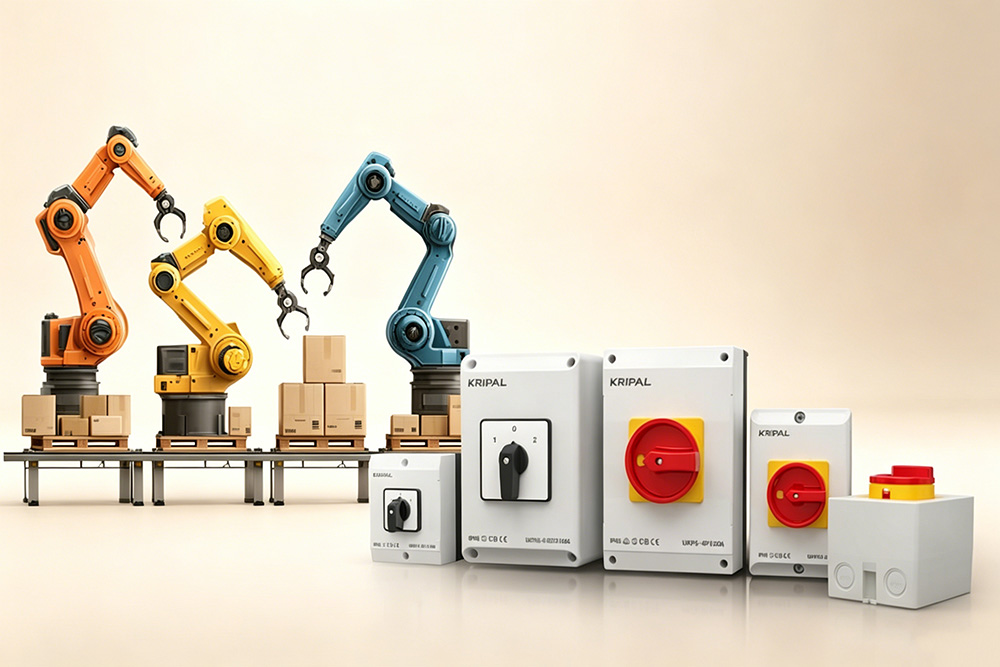
In electrical engineering, equipment safety and reliable operation are always a primary concern for engineers. The so-called 80 rule is a simple yet practical guideline.
Following this rule can effectively reduce the risk of overload, extend the equipment lifespan, and improve the stability of the entire electrical system. This article will explain the definition of the 80 rule, its application scenarios, and considerations in practical engineering.
Key takeaways
- 80 rule definition: the maximum continuous load should not exceed 80 percent of the breaker rated capacity, providing a safety margin.
- Equipment protection: it helps prevent overload, extend equipment lifespan, and reduce the risk of failure.
- Application scenarios: it is widely used in distribution systems, motors, transformers, and cable selection.
- Exceptions to note: short-term loads or equipment with high tolerance can exceed the limit temporarily, but caution is required.
What is the 80 rule?
The 80 rule is a commonly used guideline in electrical engineering, which indicates that when selecting a breaker or designing the load for electrical equipment, the maximum continuous load should be kept within 80 percent of the rated capacity to ensure safety, reduce the risk of overload, and extend the service life.
Why does the 80 rule exist?
The 80 rule exists to maintain the safety and reliability of electrical equipment during long-term operation. Equipment running at full rated load for extended periods can overheat, cause insulation aging, or fail.
Limiting the maximum continuous load to 80 percent provides a safety margin for the system, reduces overload risks, extends equipment life, and improves the stability and reliability of the entire electrical system.
Common application scenarios of the 80 rule
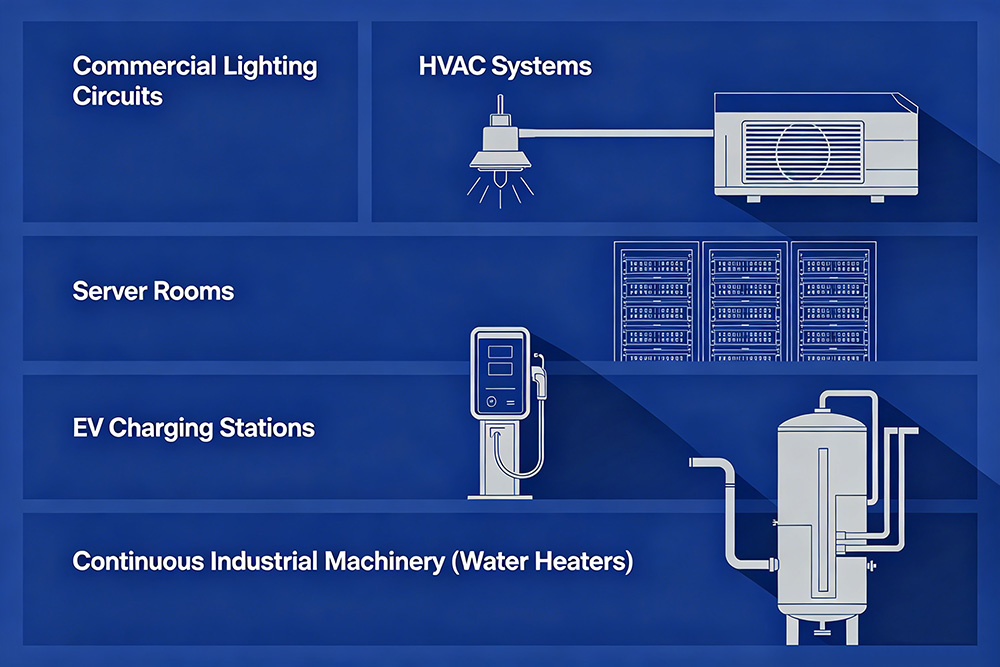
Commercial lighting circuits that run continuously
Lighting systems in commercial buildings such as shopping malls, office buildings, hospitals, and hotels often operate continuously for 24 hours and are usually densely arranged with limited heat dissipation.
Applying the 80 rule can prevent circuits from overheating during long-term full load operation, slow the aging of insulation and fuse holders, and extend the service life of lamps and distribution lines.
This approach reduces maintenance costs, lowers replacement frequency, and avoids unexpected failures that could affect business operations or public services, ensuring reliable all-day power supply.
Heating, ventilation, and air conditioning systems
HVAC systems are among the highest energy-consuming equipment in commercial and industrial buildings. Core components such as compressors, fans, and pumps often operate continuously and can draw large starting currents.
Designing loads according to the 80 rule allows enough margin for starting currents and load fluctuations, reduces the risk of overheating and insulation damage, and prevents shortened equipment lifespan. Proper load configuration also improves overall energy efficiency and operational reliability.
Server rooms and network equipment
Data centers and server rooms carry critical business data and network services, and any unexpected shutdown can result in significant financial losses and reputational damage.
The 80 rule helps to select breakers, fuses, and distribution lines appropriately, preventing overheating or nuisance trips caused by long-term full load operation. It also provides room for peak loads, equipment upgrades, and future expansion, ensuring that critical servers and network devices can operate reliably.
Electric vehicle charging
EV charging stations are high-power electrical equipment, with a single fast charger reaching tens of kilowatts, and large stations often serve multiple vehicles simultaneously.
Setting the maximum continuous load according to the 80 rule prevents overheating of cables, fuses, and breakers, reducing the risk of fire and other hazards. Proper load distribution also extends equipment lifespan, reduces maintenance frequency, and improves the overall efficiency and user experience of the charging station.
Water heaters or continuous industrial machinery
Continuous operation equipment in industrial production, such as large electric water heaters, conveyor belts, pumps, and heat treatment furnaces, can directly impact production progress and cause economic losses if they fail. These devices usually operate under stable load for long periods, which cumulatively affects the electrical system.
Applying the 80 rule ensures that protective devices and supply lines operate within safe limits, reduces the risk of equipment failure, and enhances system stability and continuity while lowering maintenance costs and extending the overall lifespan.
When are there exceptions?
- Short-term or intermittent loads: for short periods of peak load or intermittent operation, such as motors with high starting currents, it is allowed to temporarily exceed the rated capacity, but continuous operation should still follow the 80 rule.
- High tolerance equipment: some industrial devices or high-quality transformers are designed with larger safety margins and can operate at rated load for long periods, but heat generation, lifespan, and safety factors should still be evaluated.
- Special environmental conditions: when the ambient temperature is low or heat dissipation is sufficient, equipment may handle slightly more than 80 percent of the load, but in high temperature or poorly ventilated conditions, the 80 rule should be strictly observed.
- Regulatory or standard allowances: in some countries or industries, certain standards permit a higher continuous load for specific equipment, but practical experience and safety assessment must always guide the application.
Common breaker sizes and 80 percent load limit
| Breaker Size | Max Continuous Load (80%) | When to Use Full Rating |
| 15A | 12A | Non-continuous loads (under 3 hrs) |
| 20A | 16A | Standard residential outlets |
| 30A | 24A | Water heaters, dryers |
| 40A | 32A | Electric ranges, heavy appliances |
| 50A | 40A | EV chargers, high-demand tools |
How is the breaker rated value determined?
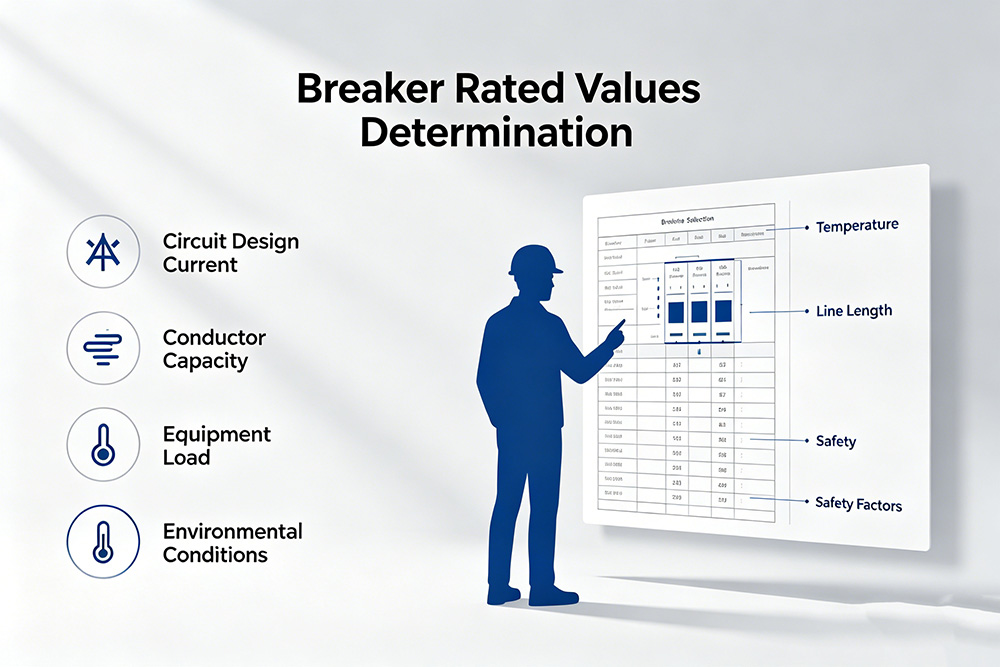
Breaker ratings are determined based on the design current of the circuit, conductor capacity, equipment load, and environmental conditions.
Engineers typically select a breaker slightly higher than the maximum operating current while considering temperature, line length, and safety factors to ensure the breaker protects the circuit under normal load and operates reliably under overload or short circuit conditions.
Breakers to implement the 80 rule
The 80 rule is a simple yet practical guideline in electrical engineering. Whether selecting breakers, designing distribution systems, or arranging motors, transformers, and lines, following the 80 rule reduces risk and ensures stable operation.
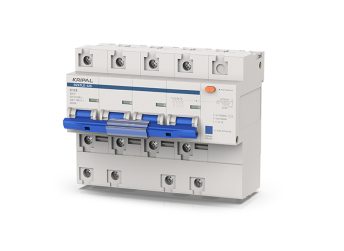
Breakers are always used in this process. Kripal provides various types of breakers, and if you need, you can visit the homepage to choose the appropriate one.
FAQs
Q1 Can the 80 rule be exceeded?
It is generally not recommended to exceed 80 percent of the continuous load unless the load is short-term or the equipment has sufficient tolerance. Exceeding it may cause overheating or breaker trips.
Q2 Does the 80 rule apply to all types of electrical equipment?
It applies to most distribution lines, motors, transformers, and conductors, but equipment with high tolerance or intermittent loads can adjust within safety limits.
Q3 Must breakers always be selected strictly according to the 80 rule?
The 80 rule serves as a design reference to provide a safety margin. In practice, adjustments can be made according to equipment characteristics, environmental conditions, and load types.
Q4 Why 80 percent and not 100 percent?
Continuous full load increases heat, accelerates aging, and raises the risk of failure. Limiting maximum continuous load to 80 percent provides a safety margin and improves reliability and lifespan.
Q5 Does ambient temperature affect the 80 rule?
Yes. High temperature or poor ventilation reduces the load capacity of equipment, requiring strict adherence to the 80 rule. In cooler conditions or with good heat dissipation, some equipment may operate closer to rated load, but caution is still required.
Related Resources
Explore Knowledge Center >
Need a matching KRIPAL product?
Share voltage, quantity and destination. An engineer will reply with options and lead time.