Search
 September 30, 2026
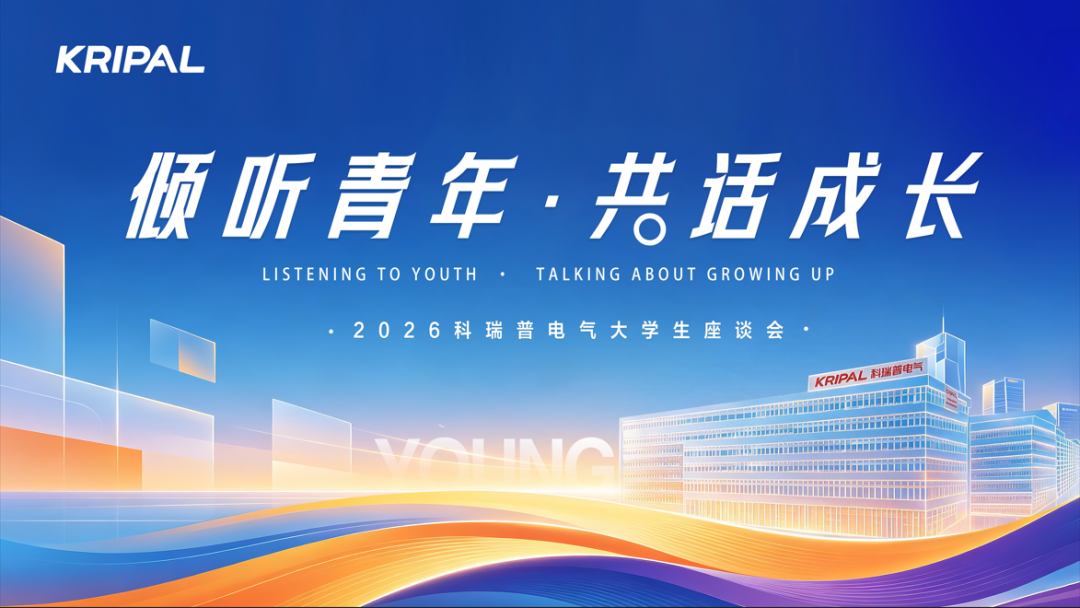
The session let the company hear candid feedback on training, mentoring, and management trainee programs, and let younger staff see how their views feed into decisions. KRIPAL Electric arranged the format as part of a wider effort to strengthen its talent pipeline and improve retention among newer employees.
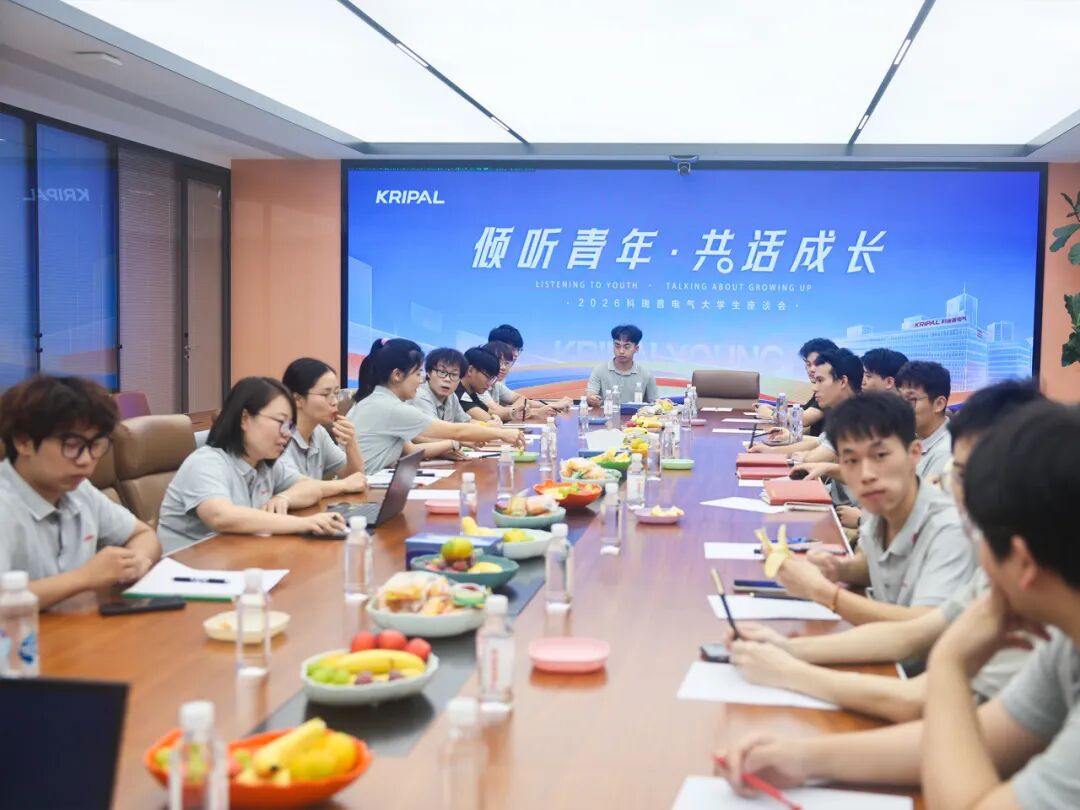
A Meeting Without a Head Table
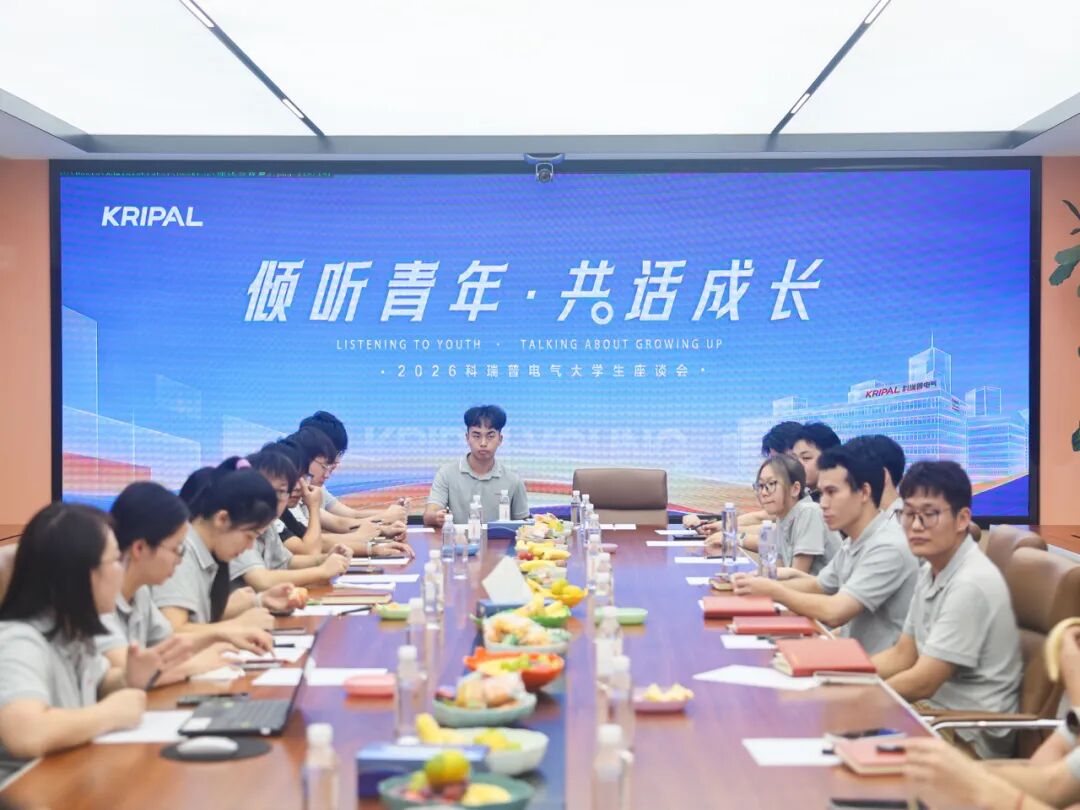
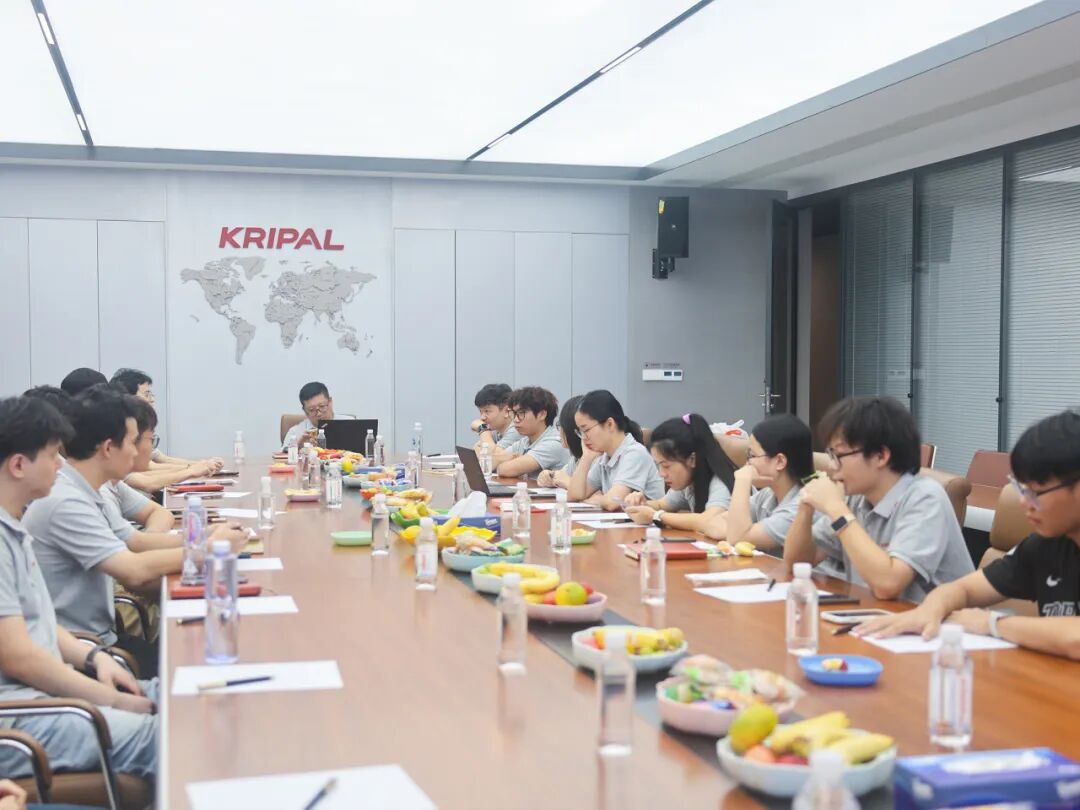
The organizers set the session up as an informal tea gathering rather than a conventional conference. There was no head table and no seating by seniority, and refreshments were laid out so that people could move around and talk. The intent was to remove the distance that a formal room puts between management and newer staff.
Company representatives said the energy a younger workforce brings is what keeps an organization open to new thinking. Graduates who joined within the past three years are treated as a reserve for the talent pipeline, and their suggestions are read as input for improvement rather than as complaints. Every request raised was written down and recorded for follow-up.
What Young Employees Raised
The discussion opened with self-introductions and then moved into an open segment where staff spoke from their own roles. The points raised fell into three broad groups, and each one came with a concrete request attached.
Training and Skills
Tang Yin from the market department of the market research center asked for a more systematic approach to skills development. The specific requests were additional professional courses, a structured mentoring arrangement with experienced staff, and training in new media operations. He also suggested more informal team activities and a workspace better suited to creative work.
Career Paths
Yang Jie from the engineering department of the operations center asked for a clearer picture of individual career development. Alongside that, he wanted a wider range of staff activities and the chance to attend industry exhibitions for professional exposure. Both requests centered on visibility, of the path ahead and of the wider industry.
Day-to-Day Working Life
Other participants raised points covering work arrangements, personal development, and living support. The spread of topics reflected the range of roles in the room, from production equipment through to marketing. Each item was recorded during the session rather than summarized afterwards.
A Three-Year Path From Intern to Patent
Zhou Zhijian from the equipment group of the first production division described his own route from internship to a third year with the company. His work has covered tooling and fixture design and PLC equipment design, and it has moved through project delivery, professional title assessment, and patent applications. His account illustrated what the company hopes the pipeline produces, which is staff who deepen their skills in one place rather than moving between employers.
The newer graduates in the room saw a concrete example of what three years can look like at a manufacturer. The company employs its engineering staff across three industrial parks in Zhejiang, and the route from a graduate intake to a specialist role runs through the same production floor.
Turning Suggestions Into a Closed Loop
KRIPAL Electric said it will set up a full loop of collecting, assigning, and feeding back on the suggestions raised. Every item from the symposium will be sorted, allocated to a responsible function, and reported back to the person who raised it. The mechanism is intended to make the follow-up visible rather than leaving it to goodwill.
- Suggestions from the symposium are recorded individually rather than in summary.
- Each item is assigned to a function and tracked through to a response.
- Feedback goes back to the employee who raised the point.
- Training, mentoring, and career path requests are reviewed together.
- The format is intended to run again rather than as a one-off event.
Why the Format Suits a Manufacturer
A manufacturer with a long product history depends on staff who stay long enough to learn how the products are actually made. KRIPAL Electric has been producing switches, isolators, and contactors since 1992, and the knowledge behind that work sits with people rather than with documents. Structured feedback from newer staff is one way to find out where that transfer of knowledge is working and where it is not.
The company stated that it will keep building channels for this kind of communication and treat what younger staff expect as an input to how the business develops. The aim described was a two-way relationship in which both sides move forward together.
Conclusion
The symposium put newer employees in a room with management and asked for candor rather than presentations. The requests covered training, career visibility, and daily working conditions, and the company committed to a tracked feedback loop for each one. For a manufacturer building a talent pipeline, the value sits in whether that loop closes.
Want to grow with us or share your feedback?