Search
Knowledge Center
How to Maintain Surge Protection Device?
Learn how to maintain your surge protection device (SPD), identify fault signs, safely replace it, and extend its lifespan for reliable electrical safety.
 June 11, 2026
Key Takeaways
- Regular inspection helps maintain reliable SPD protection performance.
- SPD failure may result from repeated surge exposure, aging components, or unsuitable installation conditions.
- SPD service life depends on operating environment and surge stress rather than a fixed replacement period.
- Correct installation and maintenance are essential for long-term electrical protection.
Why Maintaining a Surge Protection Device Matters
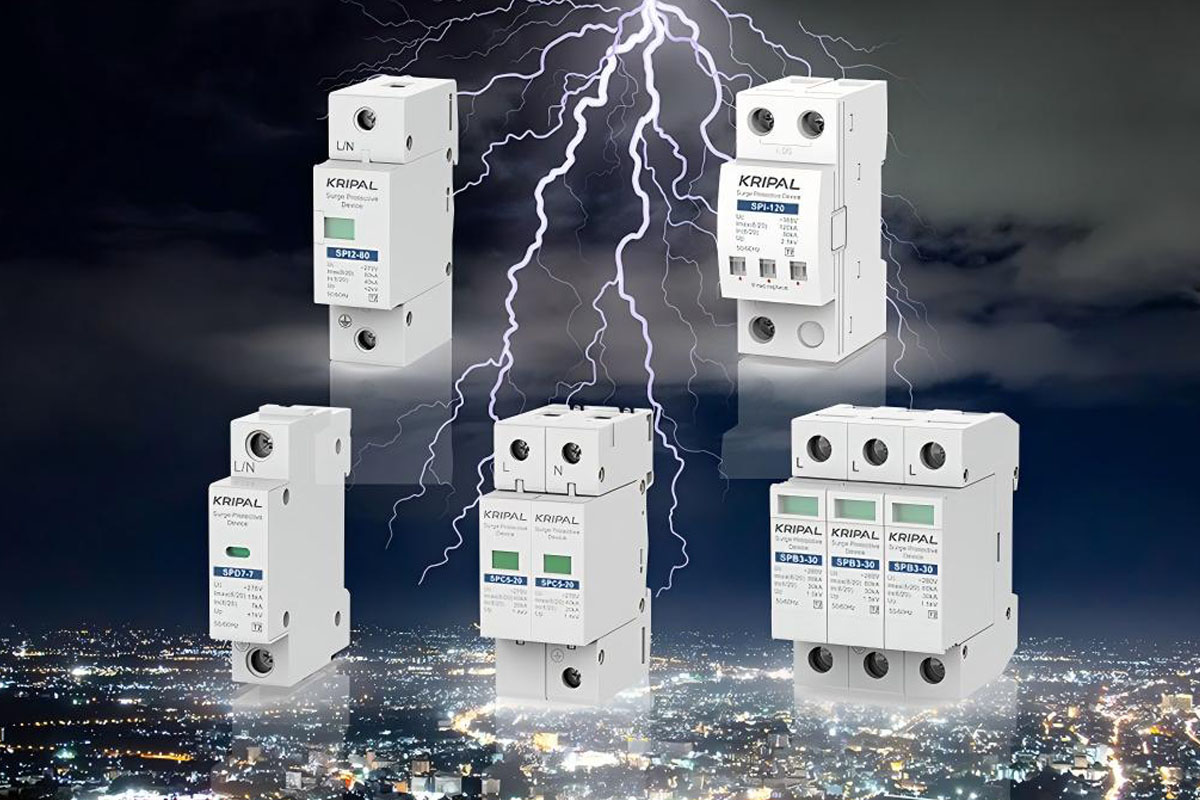
A surge protection device provides an important protection layer between electrical disturbances and sensitive equipment. During lightning-induced surges or switching transients, the SPD rapidly diverts excessive surge current and limits the voltage reaching connected devices. This helps reduce damage risks to electrical equipment such as control systems, industrial machinery, and electronic devices.
Over time, repeated surge events may gradually degrade the internal protection components of an SPD. Although the device may appear normal externally, its protective performance can decrease after significant surge exposure.
Regular maintenance allows potential problems to be identified before they affect system reliability.
This is especially important for industrial facilities, commercial buildings, and renewable energy installations where unexpected equipment downtime can result in significant losses.
According to IEC 61643-11, SPDs should be selected and maintained according to system requirements, installation conditions, and protection objectives.
How Long Does a Surge Protection Device Last
The service life of a surge protection device depends on several factors, including surge frequency, surge intensity, installation location, and environmental conditions. Unlike some electrical components with a fixed replacement cycle, an SPD does not have a universal lifespan. A device installed in an area with frequent lightning activity or unstable power conditions may require replacement sooner than one operating in a stable environment. Environmental factors such as high temperature, humidity, dust, and corrosive conditions can also accelerate component aging.
The application of the SPD also affects operating stress. For example, SPDs used in industrial distribution systems may experience frequent switching surges, while PV DC SPDs installed in solar systems may face outdoor exposure and lightning-related risks. For this reason, SPD replacement should be based on inspection results, status indicators, surge exposure history, and manufacturer recommendations rather than a fixed number of years.
How to Tell if a Surge Protection Device Has a Fault?
A failed or degraded SPD may not always show obvious external damage. Regular inspection helps identify warning signs before the protection function is compromised.
Abnormal Indicator Lights
Most modern SPDs include a visual status indicator that allows users to quickly check the operating condition of the protection module. Under normal conditions, the indicator shows that the SPD is functioning correctly. If the indicator changes to a fault status or indicates the protection module has reached the end of service life, the SPD should be inspected and replaced if necessary. For critical applications, SPDs with remote signaling contacts can provide additional monitoring.
Visible Damage
Physical inspection is one of the simplest ways to identify SPD problems. Signs such as damaged housing, discoloration, melted components, corrosion, or loose terminals may indicate overheating, excessive surge stress, or environmental damage. Terminal connections should also be checked because poor connections can increase resistance and reduce the effectiveness of surge current discharge. If visible damage is found, the SPD should be replaced.
Excessive Heat or Burning Smell
Under normal operation, an SPD should not generate excessive heat or unusual odors. Abnormal heating or a burning smell may indicate internal component degradation, electrical stress, or a previous high-energy surge event. In this situation, the device should be inspected by qualified personnel and replaced if required.
Daily Maintenance Steps
Regular inspection and basic maintenance help ensure that a surge protection device remains ready to operate when a transient overvoltage occurs. The maintenance frequency depends on the application environment. Electrical systems installed in industrial facilities, photovoltaic projects, and other critical applications usually require more frequent inspection than standard commercial installations.
Regular Inspection of the Housing and Connections
Routine inspection should include checking the SPD housing, terminal connections, and grounding condition. The device should be examined for signs of physical damage, corrosion, overheating, or loose connections. A reliable grounding path is particularly important because surge current must be discharged safely and quickly during a transient event. In industrial environments, factors such as dust, moisture, chemical contamination, and high temperatures should also be considered.
Cleaning Dust and Debris
Keeping the SPD installation area clean helps maintain proper insulation performance and heat dissipation. Dust accumulation, especially conductive dust in industrial environments, may increase the risk of insulation problems or leakage current. Regular cleaning helps maintain a stable operating environment for the protection device. Before cleaning, ensure that the electrical system is safely isolated. Cleaning methods should follow manufacturer recommendations.
Checking SPD Status and Protection Condition
The SPD status indicator should be checked regularly to confirm that the protection module remains operational. For critical installations, additional inspection by qualified technicians may be recommended to evaluate the overall condition of the surge protection system, including grounding performance and installation conditions. It is important to understand that routine field maintenance focuses on checking operating status and visible conditions. Detailed parameters require professional testing equipment.
How to Safely Disconnect and Replace a Surge Protection Device
When an SPD reaches the end of its service life or shows signs of failure, replacement should be performed carefully to ensure electrical safety and restore system protection.
Disconnect Power and Confirm the Circuit Is Safe
Before replacing an SPD, the relevant power supply must be disconnected according to proper electrical safety procedures. The absence of voltage should be confirmed using appropriate testing equipment before any wiring work is performed. This step is essential because electrical systems may contain multiple power sources or residual energy even after a circuit has been switched off.
Remove the Old SPD and Inspect the Installation
After confirming the circuit is safe, the damaged SPD can be removed. Before installing a replacement device, the surrounding wiring, terminals, and grounding connections should be inspected to ensure there are no underlying issues that could affect the performance of the new SPD. Problems such as loose connections, damaged insulation, or poor grounding conditions should be corrected.
Install a New SPD with the Same Specifications
The replacement SPD should match the electrical system requirements and application conditions. Important selection factors include system voltage, protection level requirements, discharge capacity, installation location, and application type. After installation, the wiring connections, grounding path, and SPD status indicator should be checked before restoring power.
Tips to Extend Surge Protection Device Lifespan
Avoid Continuous High Loads
Controlling circuit load reduces stress on the SPD. Extended high load can raise internal temperatures and accelerate component wear. Distributing the load and optimizing circuit design can lower the stress on the device and improve its longevity and stable operation.
Keep the Environment Ventilated and Dry
The installation environment affects SPD reliability. Humid conditions can lower insulation performance, and high temperatures accelerate component aging. Install the device in a ventilated, temperature-controlled, low-humidity area, avoiding exposure to corrosive gases or strong sunlight.
Use with a Voltage Regulator or UPS
In areas with poor power quality, combining an SPD with a voltage regulator or UPS can create a more complete protection system. Voltage regulators reduce fluctuations, and UPS units provide stable power. This layered protection reduces frequent surge exposure and helps prolong the SPD’s service life.
Schedule Professional Checks
While daily inspections can catch most issues, professional checks remain useful. Specialists can measure critical parameters to assess actual protection performance. Regular professional testing helps detect potential problems and plan maintenance to prevent the SPD from failing when needed.
Conclusion
A surge protection device acts as a defense for electrical equipment. Through regular inspections, cleaning, proper replacement, and professional testing, its protective performance can be maintained and its lifespan extended. Implementing a structured maintenance routine helps enhance overall power system safety and reliability.
Kripal offers a variety of surge protection devices that can be selected according to your needs. Contact our homepage for professional guidance.
FAQs
Q: How often should a surge protection device be inspected?
Inspection frequency depends on the installation environment and application importance. Industrial facilities, PV systems, and areas with frequent lightning activity generally require more frequent checks.
Q: Can the SPD still be used if the indicator light is off?
No. A non-illuminated indicator typically signals a failed internal component; the device is no longer providing protection.
Q: Does a surge protection device need periodic replacement?
Yes. Even without a direct strike, internal components degrade over time and should be replaced based on the manufacturer’s schedule.
Q: Can I replace the surge protection device myself?
Only if you are a qualified electrician or have specific training in electrical systems. If you are unsure, always consult a professional.
Q: Should the SPD be checked after a lightning strike?
Absolutely. Even if the device seems functional, internal thermal degradation may have occurred, reducing its effectiveness for future events.
Related Resources
Explore Knowledge Center >
Need a matching KRIPAL product?
Share voltage, quantity and destination. An engineer will reply with options and lead time.