Search
Knowledge Center
Which SPD Type Should You Choose for Type 1, Type 2, and Type 3 Surge Protection?
Learn SPD type selection for Type 1, 2, and 3 surge protection. Compare waveforms, placement, and layered strategies to safeguard electrical systems.
 April 08, 2026
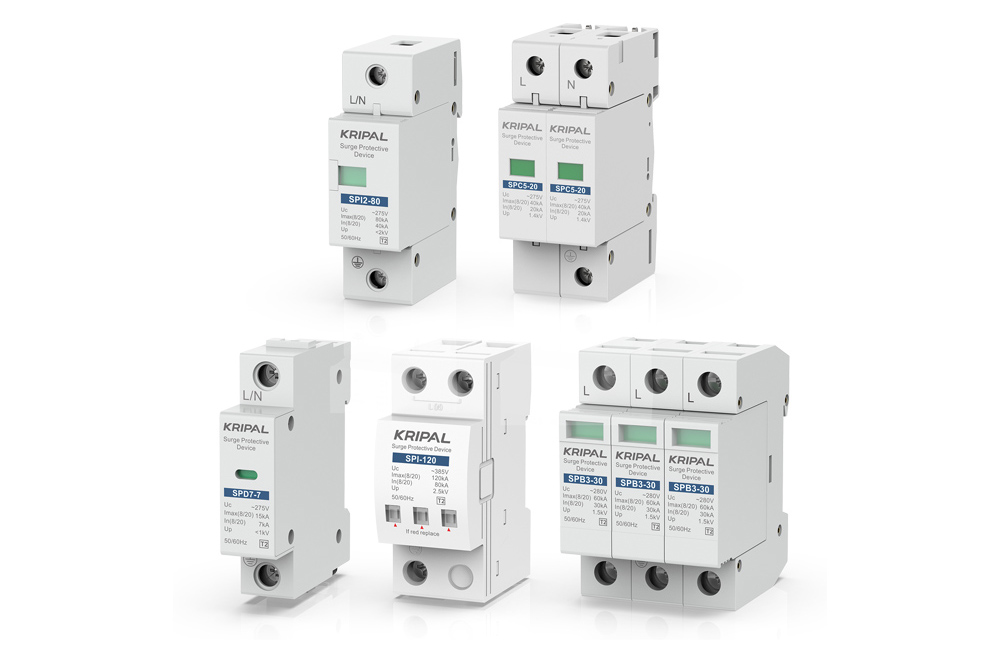
Transient overvoltages in electrical systems can cause equipment failures, shortened lifespan, and even fires. Surge protective devices (SPD) are classified as Type 1, Type 2, and Type 3 according to international standards. Each type addresses a different level of surge energy, has distinct installation locations, and provides protection for specific parts of the electrical system.
Understanding these differences and combining the types properly helps reduce the risk of damage and maintain continuous operation. This article explains the role of each SPD type, technical characteristics, placement strategies, application scenarios, and methods for layered protection.
Readers will gain guidance for selecting and deploying SPD systems that enhance safety and extend equipment lifetime across industrial, commercial, and residential settings.
Key Takeaways
- Type 1 SPD handles high energy surges at the main power entry, protecting against external lightning and power network disturbances.
- Type 2 SPD manages intermediate surges at distribution panels caused by switching or internal sources.
- Type 3 SPD protects sensitive devices from low energy surges near the load.
- Using SPD types in sequence reduces surge energy gradually and lowers residual voltage.
- Choosing SPD should focus on testing waveform, discharge capability, residual voltage, and response speed to match the system voltage and load.
What is an SPD?
A surge protective device is an electrical component that limits transient overvoltage to protect systems and devices. It diverts excess energy to the ground immediately when a surge occurs, preventing downstream equipment from experiencing harmful voltage spikes.
SPDs protect a wide range of systems, from the main distribution boards to individual electronics. They are widely used in industrial plants, commercial buildings, residential facilities, data centers, and critical infrastructure such as telecommunication hubs. SPDs operate using elements such as metal oxide varistors, gas discharge tubes, or other fast acting components that become conductive when voltage exceeds safe limits.
Correct selection and placement of SPDs reduce stress on electrical circuits and extend the lifespan of connected equipment. Engineers often combine multiple SPD types to create a layered system that manages surges across different levels of energy.
Comparison of Type 1, Type 2, and Type 3 SPDs
Surge protective devices are deployed in layers to handle surges of different magnitudes. Type 1 SPDs address the highest energy surges at the main service entry. Type 2 SPDs reduce remaining surges at distribution panels. Type 3 SPDs protect sensitive devices near the load.
This layered arrangement ensures energy from external and internal sources is progressively reduced, lowering stress on downstream devices and maintaining stable operation. Choosing the correct SPD for each layer depends on the system layout, surge exposure, and device sensitivity.
Proper combination of these types improves overall system resilience and minimizes potential equipment downtime.
| SPD Type | Test Waveform | Installation Location | Primary Role | Typical Application |
| Type 1 (Class I) | 10/350 µs (High Energy) | Main Service Entrance / Main Switchboard | Protections against direct lightning strikes and external grid surges. | Industrial Plants, High-Rise Buildings, Solar Farms. |
| Type 2 (Class II) | 8/20 µs (Medium Energy) | Sub-Distribution Panels / Branch Circuits | Filters switching surges and residual energy from Type 1 units. | Residential Panels, Commercial Offices, HVAC Units. |
| Type 3 (Class III) | 1.2/50 µs (Voltage Combo) | Point-of-Use (Near the Device) | Final stage protection for highly sensitive micro-electronics. | Servers, PLC Controllers, Medical Equipment, PCs. |
Type 1 SPD: Main entry high energy protection
Role
Type 1 SPD is installed at the main service entry and handles high energy surges coming from external sources, such as lightning or utility grid disturbances. It absorbs the largest energy surges, preventing them from propagating through the building wiring.
In industrial plants and high rise commercial buildings, Type 1 SPD forms the first barrier against surge events, protecting main breakers and distribution equipment from extreme voltage spikes.
Technical Features
- Test waveform: 10/350 µs simulates high energy lightning surge
- Energy handling: very high, capable of thousands of amperes
- Residual voltage: maintained within safe limits for downstream devices
- Installation: main service entry or main distribution panel, connected directly to the incoming power lines
Application
Facilities in regions with frequent lightning or large electrical loads benefit from Type 1 SPD. It prevents surges from reaching sensitive distribution circuits and limits the risk of system wide outages.
Type 2 SPD: Distribution panel protection
Role
Type 2 SPD is installed at distribution panels or branch circuits to handle surges that remain after Type 1 SPD. It also mitigates surges generated internally, such as those from motor starts, capacitor switching, or other sudden load changes. Type 2 SPD reduces the voltage stress on circuit breakers and downstream devices.
Technical Features
- Test waveform: 8/20 µs suited for intermediate energy surges
- Energy handling: moderate, typical In 10 40kA, Imax 20 100kA
- Residual voltage: further reduced to levels safe for connected equipment
- Installation: main distribution boards or branch panels within buildings
Application
Residential buildings, offices, and commercial facilities commonly use Type 2 SPD. Pairing it with Type 1 creates a layered defense that prevents excessive energy from reaching sensitive circuits, extending equipment longevity and maintaining system reliability.
Type 3 SPD: Endpoint device protection
Role
Type 3 SPD is installed close to sensitive loads, such as computers, servers, medical instruments, or automation controllers. It absorbs low energy surges that could interfere with operation or cause equipment malfunction.
Type 3 SPD works together with Type 1 and Type 2 SPDs but cannot replace them. It limits residual voltage and smooths the final power supply reaching critical devices.
Technical Features
- Test waveform: 1.2/50 µs for low energy, high frequency surges
- Energy handling: low, suitable for precise electronics
- Installation: near outlets, control boxes, server racks, or instrument panels
Application
Critical equipment in offices, medical centers, and industrial automation benefits from Type 3 SPD. Placement near the device ensures final protection, especially in environments where surges can interrupt operation or corrupt data.
Sequential protection
A single SPD cannot control surges across all energy levels. Sequential installation reduces surge energy step by step:
- Type 1 lowers high energy surges at the entry
- Type 2 reduces intermediate surges at distribution panels
- Type 3 absorbs remaining low energy surges near devices
This arrangement prevents residual voltage from damaging equipment, reduces stress on SPDs themselves, and maintains stable operation throughout the electrical system.
Choosing an SPD
Selecting SPD types depends on the level of exposure to surges and device sensitivity.
- Facilities in lightning prone regions or with large electrical systems benefit from Type 1 SPD at the entry.
- Distribution panels in residential, office, and commercial buildings typically include Type 2 SPD.
- Sensitive devices receive additional protection from Type 3 SPD installed nearby.
Consider system voltage, residual voltage, surge current capacity, response speed, and environmental conditions such as temperature and humidity. Correct configuration minimizes equipment damage and extends operational life.
Final Insights on Type 1, Type 2, and Type 3 SPDs
Type 1, Type 2, and Type 3 SPDs each reduce surge energy at different levels. Sequential placement gradually lowers energy before it reaches critical devices, protecting both distribution systems and sensitive equipment.
- Type 1 manages high energy entry surges
- Type 2 reduces intermediate surges in distribution panels
- Type 3 shields sensitive devices at the load
If you have questions about SPD selection, installation, or complete surge protection solutions, our technical team is available to provide guidance and support to ensure safe and reliable operation.
Frequently Asked Questions (FAQ) About SPDs
1. What happens if only one SPD type is installed?
Installing a single SPD type provides limited protection. Type 1 alone cannot protect sensitive devices from residual surges. Type 2 or Type 3 alone leaves high energy surges from lightning or utility disturbances unhandled. Combining types in layers ensures each surge level is managed progressively.
2. Can Type 1 and Type 2 SPDs be installed together?
Yes, pairing Type 1 at the main entry with Type 2 at distribution panels creates a layered system. Type 1 reduces the largest surges while Type 2 handles remaining surges before they reach critical equipment. This combination minimizes voltage stress and prevents equipment failures.
3. Where should Type 3 SPDs be placed?
Type 3 SPDs are installed near sensitive loads, such as computers, servers, or medical instruments. Placement close to devices absorbs low energy surges and smooths voltage before it reaches the load. It ensures the final protection stage complements upstream SPD layers.
4. How to choose SPD based on surge exposure?
Assess exposure to lightning, grid instability, and internal switching events. High energy entry surges require Type 1, intermediate surges are managed by Type 2, and sensitive equipment near the load benefits from Type 3. Reviewing system layout and device sensitivity helps select proper SPD types for each location.
5. Do SPDs require maintenance?
Yes, SPDs can degrade after repeated surge events. Check indicator lights or test status regularly, and replace units showing wear. Layered protection ensures even if one SPD weakens, upstream and downstream devices maintain protection.