Search
Knowledge Center
How Do Rotary Isolator Switches Compare to Main Switches?
Compare rotary isolator switches and main switches. Understand their functions, safety uses, and which to choose for your electrical application.
 May 12, 2026
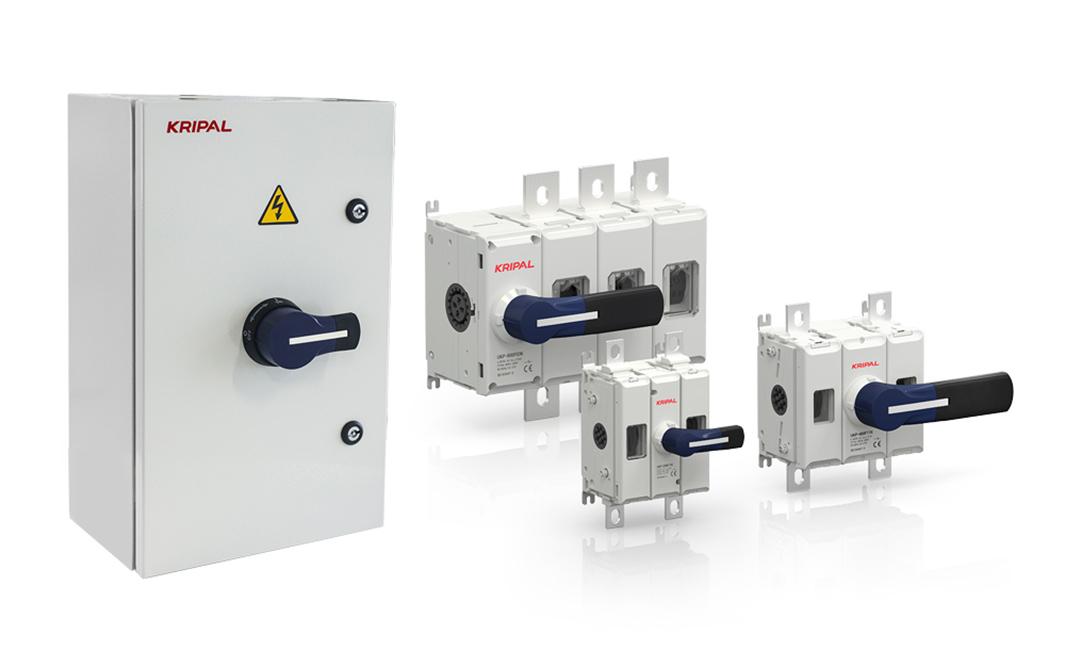
In electrical systems, the choice of switches directly affects the safety and efficiency of equipment. Rotary isolator switches and main switches are two common types, and they each have characteristics in terms of function, application, safety, and cost.
This article provides a comparison of the two from multiple perspectives, helping you understand their differences quickly and offering guidance for practical selection.
Key Takeaways
- Function Differences: Rotary isolator switches are mainly used to cut off power and isolate circuits, while main switches are responsible for overall system control and protection.
- Safety: Rotary isolator switches are easy to operate and provide a high level of safety, making them suitable for scenarios that require frequent operation, while main switches usually include overload protection and focus on the overall safety of the system.
- Application Scenarios: Rotary isolator switches are commonly used in industrial equipment and distribution cabinets, while main switches are often found in building distribution systems, homes, or commercial electrical systems.
What is a Rotary Isolator Switch?
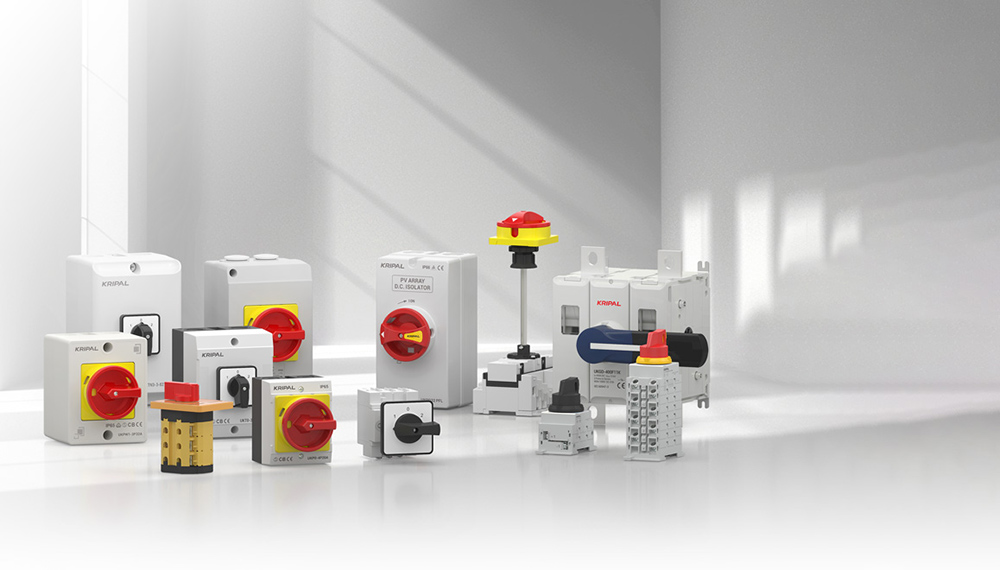
A rotary isolator switch is an electrical device that cuts off or connects a circuit through a rotating operation, and its main purpose is to isolate the circuit and ensure safe disconnection of power.
This type of switch has a simple structure and intuitive operation, which allows the status of the circuit to be clearly visible, and it is widely used in industrial environments, distribution cabinets, and mechanical equipment.
What is a Main Switch?
A main switch is a device that controls the overall power of an electrical circuit or system, and it is typically installed in a distribution box or main control cabinet to connect or disconnect the entire system. Main switches not only allow the control of circuit power, but often include overload and short-circuit protection, ensuring the safety of the entire system.
How Do Their Functions Differ?
Although both rotary isolator switches and main switches can cut off power, their functional focus is different.
Rotary Isolator Switch
A rotary isolator switch is primarily used to manually isolate power, and its main purpose is to ensure that the circuit is completely disconnected during maintenance or repairs, providing a clear break and safety for operators.
This type of switch has a simple function and only allows basic circuit connection and disconnection without overload or short-circuit protection. Its simple structure and reliable operation make it more suitable for scenarios that require frequent operation or local circuit control.
Main Switch
A main switch controls the overall power of the system or equipment and not only allows power connection and disconnection, but also integrates overload, short-circuit, and other protective functions.
Its comprehensive function covers both circuit control and safety protection, making it more suitable for use in main distribution systems or for critical equipment, ensuring the safe operation of the entire electrical system.
How Do Their Safety Features Differ?
Rotary isolator switches provide safety mainly by physically isolating the circuit, ensuring that current does not flow unexpectedly during maintenance or repairs.
The rotating handle shows the status of the switch clearly, which makes operation visual and reduces the risk of errors. However, a rotary isolator switch has limited protection against overloads or short circuits, so other protective devices are typically required to ensure system safety.
Main switches not only disconnect power but also often include overload and short-circuit protection, which can actively prevent electrical accidents. They protect the entire system or equipment from damage caused by abnormal currents. While main switches offer more reliable overall system safety than rotary isolator switches, their operation is less flexible.
Where Are They Each Used?
Rotary isolator switches are commonly used in industrial equipment, distribution cabinets, and mechanical systems that require manual power operation.
Their intuitive operation and clearly visible switch status make them especially suitable for scenarios that require frequent power switching or local maintenance, such as workshop equipment repairs, motor control, and some automated production lines.
Main switches are more commonly found in building distribution systems, commercial electrical systems, and electrical control systems of large equipment.
They handle overall system control and protection, allow centralized power disconnection, and provide overload and short-circuit protection, ensuring the safe operation of the entire system. In situations that require centralized power management or safeguarding critical equipment, main switches serve as an essential component.
How Do Their Costs Differ?
Rotary isolator switches have a simple structure and limited functions, which keeps their cost low. Manufacturing and procurement expenses are relatively economical, and installation and maintenance are convenient, making them a cost-effective choice for industrial equipment and local control scenarios.
Main switches are more complex in function, requiring not only the ability to disconnect power but also integration of overload and short-circuit protection. Their manufacturing and procurement costs are higher, and installation and maintenance require more professional operation and adherence to standards.
Although they are more expensive, their value is justified by the level of system protection and centralized control they provide.
How Do Their Installation Methods Differ?
Rotary isolator switches are installed flexibly and can be mounted on panels or inside cabinets. They are typically compact, do not occupy much space, and can be arranged conveniently in industrial equipment, distribution cabinets, or control cabinets. Installation is generally simple, requiring no complicated wiring, which makes daily maintenance and replacement easier.
Main switches are usually installed inside main distribution boxes or control cabinets to allow centralized control of the system.
Due to their larger function and rated current, installation requires attention to space layout, wiring standards, and safety distances, and the operation is more centralized and standardized. Although installation requirements are higher, they ensure the stability and safety of overall system control.
Do They Differ in Maintenance Difficulty?
Rotary isolator switches have a simple structure and limited functions, which makes maintenance relatively easy. Daily inspection mainly involves checking whether the handle operates smoothly, whether electrical contacts are in good condition, and whether insulation is adequate.
Specialized tools or professional operation are generally not required, and maintenance workload is small for local circuits in industrial equipment or distribution cabinets.
Main switches have more complex functions and usually integrate overload and short-circuit protection, making maintenance more challenging.
Maintenance requires checking the status of protective devices, wiring safety, and the operation of the control system, and sometimes specialized tools or technical personnel are needed. Although the maintenance demands are higher, this ensures that the main switch provides better overall system protection and stability.
Comprehensive Comparison
| Feature | Rotary Isolator Switch | Main Switch |
| Function | Cuts off power and isolates circuits. Basic on/off only. | Controls the entire system with on/off and overload/short-circuit protection. |
| Safety | Physically isolates circuits for safe operation. Limited protection. | Protects against overloads and short circuits, ensuring overall system safety. |
| Application | Industrial equipment and local circuits requiring manual operation. | Building distribution, commercial systems, and large equipment requiring centralized control. |
| Cost | Lower cost, simple structure, easy to maintain. | Higher cost, more complex, requires professional installation. |
| Installation | Flexible, panel or cabinet mount, compact. | Fixed in main distribution boxes, requires layout and wiring standards. |
| Maintenance | Simple inspections, minimal tools needed. | More complex, may require technical personnel and specialized tools. |
Conclusion
Rotary isolator switches and main switches each focus on different aspects. Rotary isolator switches are intuitive to operate and provide clear isolation, making them suitable for local control and equipment maintenance.
Main switches offer comprehensive functionality and combine system control with protection, making them suitable for overall system safety management. The choice should be based on actual needs, installation environment, and safety requirements. Both types complement each other in electrical systems, ensuring safety and efficient operation.
Kripal offers a wide range of rotary isolator switches. You can visit our homepage for more information and consultation.
FAQs
Q1 Can rotary isolator switches and main switches be used interchangeably?
No. Rotary isolator switches are mainly used for local circuit isolation and maintenance, while main switches control the overall system. Their functions and application scenarios are different.
Q2 Which switch is safer?
Their safety features focus on different aspects. Rotary isolator switches emphasize operational safety and circuit isolation, while main switches focus on system protection and fault prevention.
Q3 Which switch is easier to install?
Rotary isolator switches have a simple structure and flexible installation, while main switches are more complex and require standardized layout and professional wiring.
Q4 Are there significant differences in cost?
Rotary isolator switches are low in cost and easy to maintain, while main switches are more expensive but provide overall system control and protection.
Q5 How should I choose which switch to use?
The choice depends on actual needs. If frequent operation or local maintenance is required, choose a rotary isolator switch. If system-wide control and protection are needed, choose a main switch.
Related Resources
Explore Knowledge Center >

Need a matching KRIPAL product?
Share voltage, quantity and destination. An engineer will reply with options and lead time.