Search
Knowledge Center
How to Fully Understand Fuse Holders?
Learn fuse holder types, installation, and troubleshooting. Improve circuit safety with proper fuse holder selection and maintenance.
 May 02, 2026
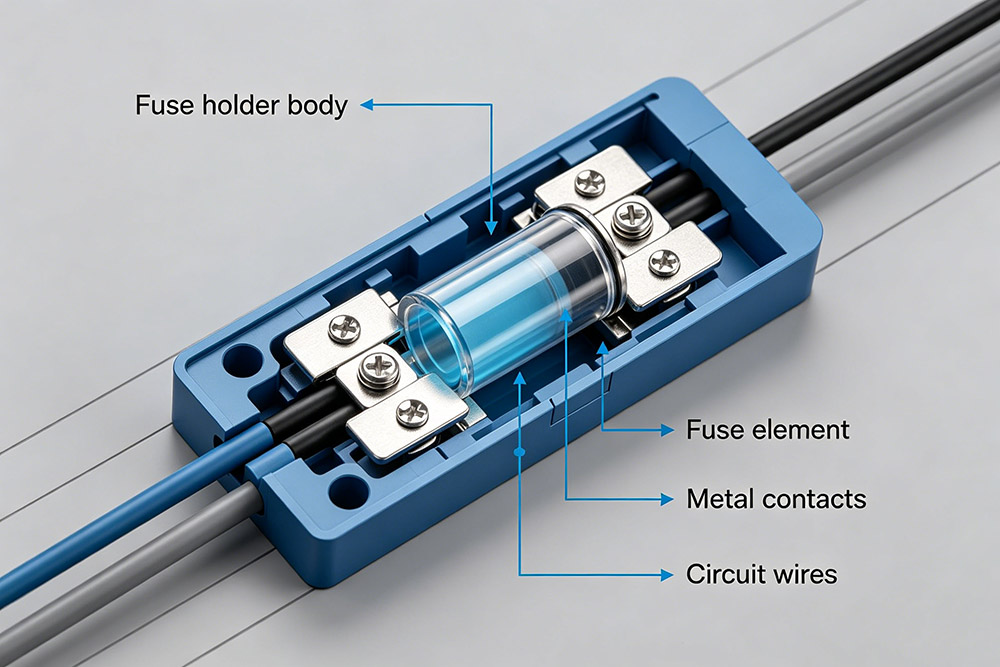
Fuse holders are electronic components used to secure and protect fuses, preventing circuit overload or short circuits from causing damage. Understanding the types of fuse holders, how they work, and how to install them properly can help improve circuit safety and extend the lifespan of devices. This article will guide you through the basic knowledge of fuse holders.
Key Takeaways
- Fuse holders provide protection for electrical circuits by holding fuses in place, which prevents overload or short circuit damage.
- Multiple types are available to meet different application needs, including PCB fuse clips, panel mount holders, and plug-in holders, allowing selection based on device requirements.
- Proper installation and maintenance ensure safe operation, and regular inspection helps maintain reliable performance.
- Familiarity with common issues allows for quick troubleshooting, which helps resolve circuit problems effectively.
What is a Fuse Holder?
A fuse holder is an electronic component that secures and protects a fuse. It not only holds the fuse firmly in place but also ensures that the fuse disconnects the circuit promptly during an overload or short circuit, protecting both the circuit and the device.
In simple terms, a fuse holder acts like a home for the fuse, allowing the circuit to cut off power safely during abnormalities and preventing damage to other electronic components.
How Does a Fuse Holder Work?
A fuse holder keeps the fuse fixed and ensures that it operates correctly when the circuit encounters abnormal conditions. When the current exceeds the rated value of the fuse, the metal wire inside the fuse melts quickly, cutting off the circuit.
The fuse holder provides a stable installation position, allowing the fuse to maintain reliable contact with the circuit while making replacement easy. This design maintains the continuity and safety of the circuit and allows for convenient maintenance and inspection.
Why Should You Purchase a Fuse Holder?
Protect the Circuit
A fuse holder secures the fuse and ensures that it operates correctly during abnormal circuit conditions. When the current exceeds the fuse rating, the fuse melts, cutting off the circuit and preventing damage to other components. Choosing a suitable fuse holder provides protection for the circuit.
Improve Device Stability
Using a fuse holder prevents the fuse from becoming loose or making poor contact, ensuring the circuit operates steadily. This stability reduces unexpected failures in home appliances, automotive electronics, or industrial devices.
Facilitate Maintenance and Replacement
Fuse holders are designed for easy removal and replacement of fuses, making daily maintenance faster. For electronic devices that require frequent inspection, this convenience saves time and reduces maintenance costs.
Extend Device Lifespan
By protecting the circuit and its components, fuse holders prevent damage caused by overload or short circuits, which extends the overall lifespan of the device. This provides long-term benefits for home appliances, vehicles, and industrial equipment.
Types of Fuse Holders
There are four types of fuse holders: PCB fuse clips, PCB fuse holders, panel mount fuse holders, and plug-in fuse holders.
PCB Fuse Clips
PCB fuse clips are usually soldered directly onto the circuit board to hold small fuses. They are compact and easy to install, suitable for protecting internal circuits in electronic devices. When the current overloads, the fuse melts quickly, ensuring the device remains safe.
PCB Fuse Holders
PCB fuse holders are also mounted on circuit boards but provide stronger support and can accommodate fuses with higher current ratings. They offer reliable contact points, making fuse replacement easier while enhancing circuit durability and safety.
Panel Mount Fuse Holders
Panel mount fuse holders are installed on the device exterior, allowing users to replace fuses without opening the internal circuit. They are suitable for home appliances and industrial equipment, offering convenient operation and quick maintenance.
Plug-in Fuse Holders
Plug-in fuse holders are designed for circuits where fuses need to be removed quickly. Fuses can be inserted or removed directly, which is suitable for applications that require frequent fuse replacement, such as test equipment or laboratory circuits, providing ease of operation and flexibility.
Where Are Fuse Holders Commonly Used?
Home Appliances
Fuse holders are widely used in televisions, refrigerators, microwaves, and washing machines to protect circuits and critical components. When the current is abnormal or a short circuit occurs, the fuse melts promptly to prevent device damage and fire hazards.
Automotive Electronics
In automotive systems, fuse holders protect vehicle circuits such as audio systems, lighting, and engine control modules. They can withstand vibrations and temperature variations while ensuring circuits operate safely.
Industrial Equipment
Industrial control systems, automated machinery, and factory electrical systems often use panel mount or plug-in fuse holders to protect high-power circuits and critical control modules. Fuse holders allow quick fuse replacement, ensuring uninterrupted production.
Electronic Products and Laboratory Equipment
PCB and plug-in fuse holders are common in laboratory equipment, test instruments, and electronic development boards. They are compact and easy to replace, allowing circuits to be disconnected quickly during overload and protecting sensitive electronic components.
How to Install a Fuse Holder?
Confirm Specifications and Type
Before installation, confirm that the selected fuse holder matches the required current and voltage of the circuit. Different types of fuse holders require different installation methods, so choosing the correct type is important.
Select the Correct Installation Position
Place the fuse holder on the circuit board or device panel according to the circuit design. Ensure that it is positioned to make proper contact with wires or pads and does not interfere with other components.
Secure and Connect
- PCB fuse clips and holders should be soldered to the circuit board, ensuring firm connections and reliable contact.
- Panel mount holders are fixed to the device panel with screws or clips, and the wires should be correctly connected to the terminals.
- Plug-in holders allow fuses to be inserted directly, making sure they are fully seated and stable.
Check and Test
After installation, inspect whether the fuse holder makes good contact with the circuit and verify that the fuse type and rating are correct. Conduct a low-current test before powering the circuit to ensure safe operation.
Common Issues and Troubleshooting
Poor Contact
Poor contact can cause the circuit to work intermittently or fail. Check whether the fuse holder is securely fastened, examine for oxidation or loose terminals, and clean or resecure the contact points if necessary.
Frequent Fuse Melting
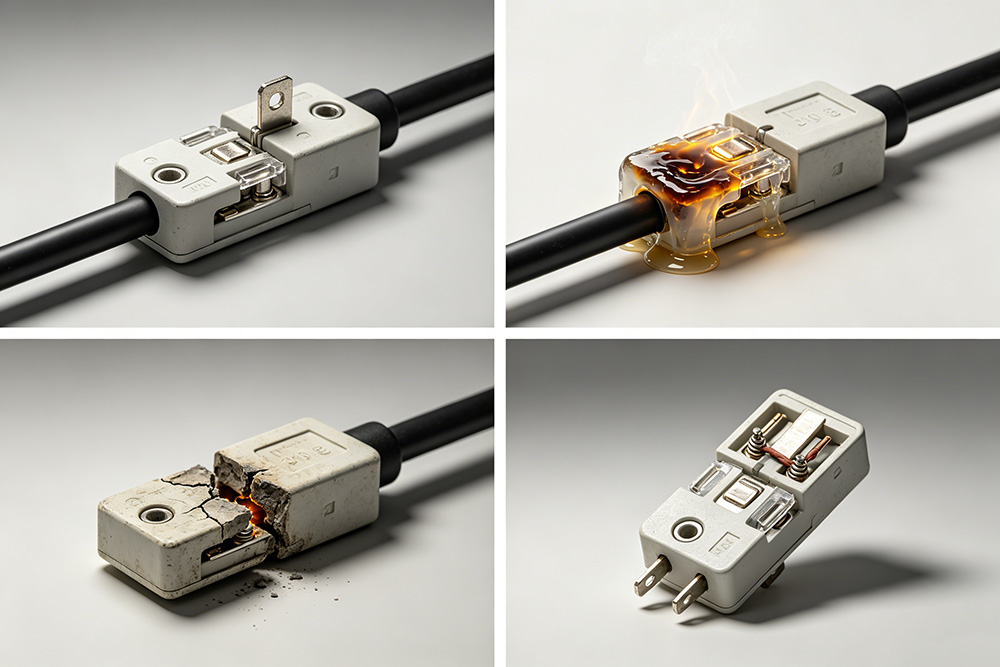
Frequent fuse melting is usually caused by overload, current exceeding the fuse rating, or a short circuit. Check the circuit load, use a fuse with the correct rating, and ensure the wiring has no short circuits.
Damaged or Deformed Fuse Holder
Prolonged use or high temperatures may cause the fuse holder to age, deform, or crack. Replace it immediately to prevent further damage to the circuit.
Incorrect Installation
Incorrect installation may prevent the fuse from working properly, such as wrong orientation, poor soldering, or incomplete insertion. Check the circuit diagram and reinstall the fuse holder correctly.
Conclusion
Fuse holders protect electronic circuits and devices. Whether in home appliances, automotive electronics, or industrial equipment, understanding the basics of fuse holders helps improve circuit safety. Kripal offers a wide variety of fuse holders, and here you can find the one that fits your needs. Visit the homepage for consultation.
FAQs
Q1 What is the difference between a fuse holder and a fuse?
A fuse is the component that protects the circuit, while a fuse holder is the frame or container that secures and installs the fuse. The fuse holder keeps the fuse stable and allows for easy replacement.
Q2 Why does my fuse melt frequently?
This may be caused by current exceeding the fuse rating, circuit overload, or a short circuit. Check the circuit load, confirm the correct fuse rating, and eliminate any short circuits.
Q3 How many types of fuse holders are there?
Common types include PCB fuse clips, PCB fuse holders, panel mount fuse holders, and plug-in fuse holders. Different types are suitable for different applications.
Q4 How do I install a fuse holder correctly?
Confirm the specifications and type, secure it on the circuit board or panel, ensure good contact, and check the installation to make sure the fuse functions properly.
Q5 Where are fuse holders commonly used?
They are widely used in home appliances, automotive electronics, industrial equipment, and laboratory or electronic development boards, protecting circuits and allowing for easy maintenance.
Related Resources
Explore Knowledge Center >
Need a matching KRIPAL product?
Share voltage, quantity and destination. An engineer will reply with options and lead time.