Search
Knowledge Center
Why Are Electronic Overload Relays Important?
Discover why electronic overload relays are crucial for modern motor protection. Learn their key benefits, including precision, adjustability, and advanced features.
 January 14, 2026
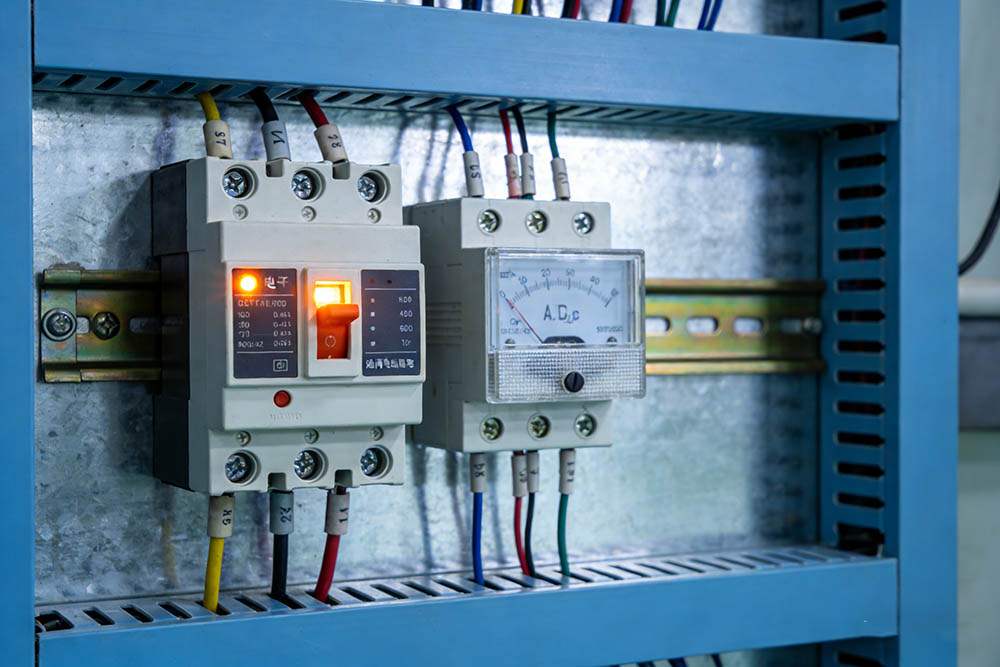
Electronic overload relays play a critical role in the protection of motors and other electrical equipment. Unlike traditional thermal and magnetic relays, electronic overload relays provide more efficient overload protection through precise current monitoring and rapid response. They not only prevent motors from overheating due to overloads but also help ensure the long-term stability of electrical systems. Understanding why electronic overload relays are so important helps in making informed decisions when designing and maintaining electrical systems, ensuring the stability and safety of the equipment.
KEY TAKEWAYS
- Purpose: Provides more accurate overload protection
- Working Principle: Monitors current in real-time and responds quickly once the threshold is exceeded
- Difference from traditional relays: Offers higher precision and faster response than thermal and magnetic relays
- Applications: Widely used in industrial automation, motor control, and high-precision equipment protection
What Is an Electronic Overload Relay?
An electronic overload relay is a protection device used in motor circuits to prevent overheating caused by excessive current. Motors tend to draw higher currents during startup, so overload relays must allow short inrush currents while reacting to sustained overloads. Unlike thermal relays, which rely on heating elements to detect overcurrent, electronic relays use current sensors and electronic circuits to monitor the current more accurately and respond faster.
These relays do not interrupt power directly but instead open the control circuit of a contactor. Once tripped, the contactor disconnects the motor from the power supply.
Working Principle of Electronic Overload Relays
Electronic overload relays are built to safeguard motors by constantly monitoring the current. If the current surpasses safe levels, the relay activates to prevent potential damage. Here’s a breakdown of how these relays operate:
- Current Monitoring
The relay continuously monitors the motor’s current using internal sensors, ensuring it stays within safe levels. - Heat or Signal Response
Depending on the relay type, heat accumulation, magnetic force, or electronic measurements will trigger the trip condition. - Time Delay Action
Most electronic overload relays operate on an inverse time principle: the higher the overload current, the faster the relay trips. - Circuit Interruption
When the relay trips, it opens its auxiliary contact, which causes the contactor to release and disconnect the motor.
Importance of Electronic Overload Relays
Electronic overload relays offer several advantages over traditional protection devices, making them an excellent choice for modern electrical systems. These relays not only enhance the accuracy and speed of overload protection but also provide increased flexibility to meet specific system needs. Below are some key benefits of using electronic overload relays:
- High Precision Protection
Electronic overload relays provide more accurate protection by precisely measuring the current. Compared to traditional thermal relays, electronic relays offer higher precision. - Faster Response Time
These relays react quickly to overload conditions and disconnect the power before damage occurs. This prevents overheating of motors and other electrical equipment. - Stronger Adaptability
The trip settings of electronic relays are adjustable, allowing them to be fine-tuned for different system requirements, ensuring customizable protection for various loads and environmental conditions. - Reduced Equipment Failure and Maintenance Costs
By offering precise protection, electronic overload relays help extend the lifespan of motors and other components, reducing repair and replacement costs.
Comparison Between Electronic Overload Relays and Traditional Relays
When comparing electronic overload relays to traditional thermal and magnetic relays, it is clear that the electronic type stands out in terms of accuracy, response time, and adaptability. Below is a comparison that highlights how electronic relays provide more precise and flexible protection in various systems.
| Feature | Thermal Relay | Magnetic Relay | Electronic Relay |
| Accuracy | Moderate | Moderate | High |
| Response Time | Slow | Fast | Very Fast |
| Adaptability | Affected by temperature | Less sensitive to temperature | Highly adjustable |
| Cost | Lower | Medium | Higher |
| Typical Use | General motor protection | Fast overload response | Advanced motor systems |
The table clearly shows that electronic overload relays offer significant advantages in accuracy and response time, making them ideal for applications that require precision control and fast reactions.
Applications of Electronic Overload Relays
- Industrial Motor Protection
Used in various industrial applications, electronic overload relays protect motors from overload damage, particularly in systems with frequent start/stop cycles. - HVAC Systems
In air conditioning and heating systems, these relays protect compressors and fan motors, ensuring stable operation even when load conditions fluctuate. - Automation Systems
Electronic overload relays are commonly used in automated control systems where adjustable protection parameters are needed for precise equipment stability. - High-Precision Equipment Protection
In high-precision motor-driven systems, electronic relays provide sensitive overload protection, minimizing damage caused by excessive currents.
How to Choose the Right Electronic Overload Relay
When selecting an electronic overload relay, there are a few factors to keep in mind to ensure the system works reliably and efficiently.
Start by matching the motor’s rated current with the relay’s full load current setting. This helps the relay provide adequate protection against overcurrent situations. Then, choose the appropriate trip class based on the motor’s startup time and load characteristics. This influences how the relay will respond to overload conditions.
Next, consider the environmental conditions where the relay will be used. Electronic overload relays are suitable for environments with fluctuating temperatures, making them adaptable for a variety of systems. Lastly, ensure that the relay is compatible with the contactor. Verify both the mechanical and electrical compatibility to ensure the system operates smoothly and effectively.
Maintenance and Troubleshooting
- Inspect Settings
Ensure the current settings match the motor specifications. - Monitor Frequent Trips
If the relay trips repeatedly, it could indicate mechanical overload or incorrect settings. - Check Wiring
Loose connections can result in inaccurate sensing or nuisance trips. Tighten connections as needed.
Frequently Asked Questions
- What causes an overload relay to trip?
Common causes include motor overload, blocked ventilation, phase imbalance, or mechanical binding. - Can overload relays handle short circuits?
Overload relays are designed for overcurrent protection, not for short circuit protection. Use circuit breakers or fuses for short circuits. - How do I reset an overload relay?
Most models allow manual reset after the motor cools down. Some offer automatic reset options. - Are electronic overload relays better than thermal ones?
Electronic models provide higher precision and adjustability, while thermal relays are still suitable for many standard applications.
Why Choose Electronic Overload Relays for Motor Protection?
Electronic overload relays are a vital protection mechanism in modern motor control and electrical systems. By offering precise monitoring and rapid response, these relays prevent overheating and reduce equipment failure. They provide a significant improvement over traditional relays, especially for systems that require fast responses and adjustable protection.
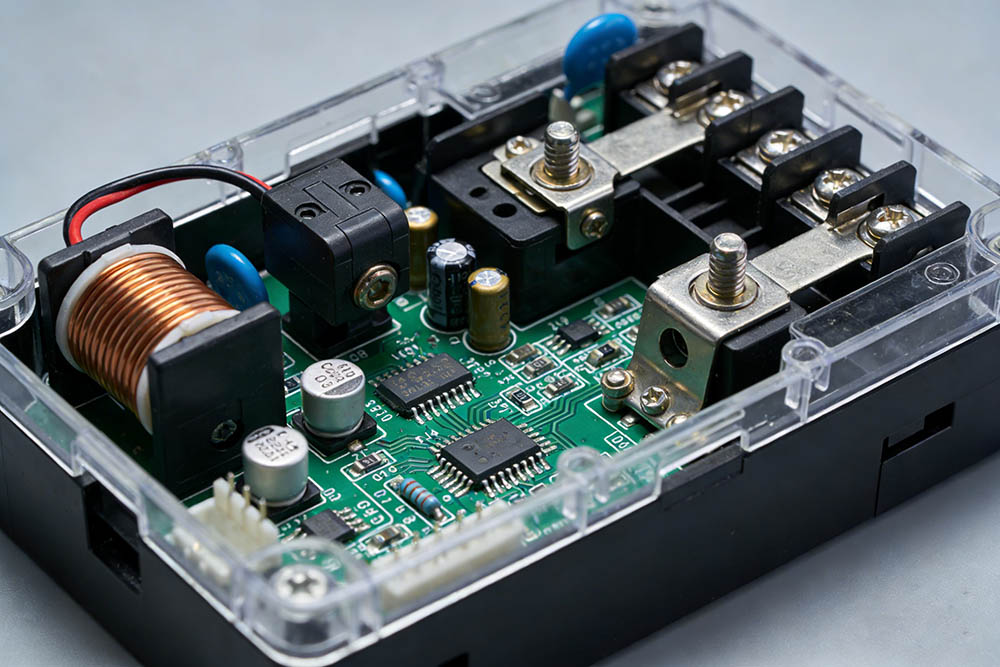
When selecting electronic overload relays, consider the motor’s rated current, load characteristics, and environmental conditions. Pairing these relays with high-quality contactors can improve system stability. For expert advice and to find the right products for your motor control needs, contact the professional team at Kripal.
Related Resources
Explore Knowledge Center >

Need a matching KRIPAL product?
Share voltage, quantity and destination. An engineer will reply with options and lead time.