Electrical circuits may carry current safely under normal conditions. In some situations, however, our current might leak to ground or earth through unintended paths. That leakage may not be large enough to trip overcurrent protection, but still may pose a risk of electric shock or fire.
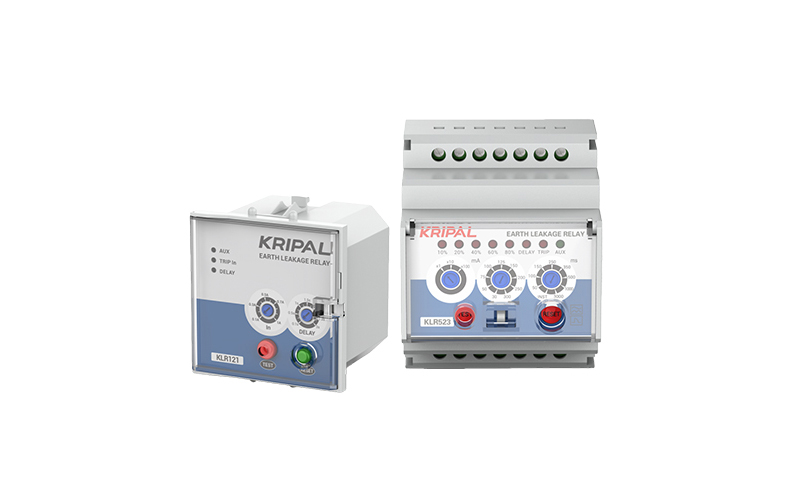
Earth leakage protection devices like ELCB or RCD monitor such leaks and disconnect the supply when leakage appears. This adds a layer of safety against earth faults.
Earth leakage protection detects when current flows out of the intended circuit path to ground instead of returning via the neutral conductor. This unintended flow may occur due to insulation failure, damaged wiring, moisture, or contact with metal enclosures. Such leakage may pose a hazard even if overall current remains low.
A leakage device monitors the difference between outgoing and returning current or senses stray voltage to earth. If imbalance or leakage exceeds a set threshold the device disconnects power. This prevents potential shock to users or damage to equipment.
Types of Leakage Protection Devices
There are two main kinds of devices for earth leakage protection
Current‑sensing RCD / RCCB
Modern systems use current‑sensing devices. These monitor live and neutral currents continuously. Under normal load, the currents match; leakage or fault to earth causes an imbalance.
When the imbalance exceeds a preset threshold, the device trips quickly. This method detects a wide range of leakage scenarios, including small faults, insulation breakdown or human contact with live parts through earth.
Typical Application Scenarios
Leakage protection devices are suitable in environments or circuits such as
- Bathrooms, kitchens, outdoor circuits or wet areas where insulation may degrade or contact with moisture may occur
- Circuits supplying portable tools, pumps, metal‑housed appliances, or equipment exposed to wear and tear or harsh conditions
- Circuits where human contact is possible, for instance, outlets, switches, lighting, and appliances
- Systems where fire risk must be minimised, leakage through degraded insulation or hidden wiring faults may cause smouldering or fire
- Installations combining overcurrent protection and leakage protection to guard against both overload and earth‑fault conditions
What to Consider When Using Leakage Protection?
When you plan to include leakage protection in your installation, consider the following
Check that grounding (earth) wiring is installed correctly and no alternate earth paths bypass the device. Improper grounding can reduce effectiveness or cause mis‑detection
Choose an RCD device with suitable sensitivity. For household circuits, a threshold around 30 mA is common for human safety protection. For industrial or less sensitive circuits, higher thresholds may be used depending on load type.
Test leakage protection device regularly. Periodic testing ensures mechanism works and trips when required. This simple test helps catch device aging, wiring degradation or insulation faults before they become hazards.
Why Leakage Protection Matters?
Overload or short‑circuit protection alone cannot catch earth leakage. Faults that involve current bypassing neutral and returning to earth may remain under detection threshold of overcurrent breakers.
Leakage protection fills this gap. It helps protect people from electric shock if a live wire touches metal enclosure or wiring insulation fails. It helps prevent fire risks from insulation breakdown, stray currents or moisture ingress.
Especially in wet environments, older installations or circuits with metal housings, leakage protection adds safety that overcurrent protection cannot guarantee.
Summary
Earth leakage protection devices such as ELCB or RCD / RCCB add safety against insulation failure, ground faults or moisture. They complement overcurrent protection by guarding against faults that do not produce high current. If you need a reliable leakage protection solution or want to upgrade your circuit protection setup, feel free to ask for a quote today.



 Search
 November 13, 2025