Search
Knowledge Center
When to Upgrade Your Consumer Unit?
Learn when to upgrade your consumer unit: aging, frequent tripping, adding appliances or renovation. Improve electrical safety & meet modern household power needs.
 April 22, 2026
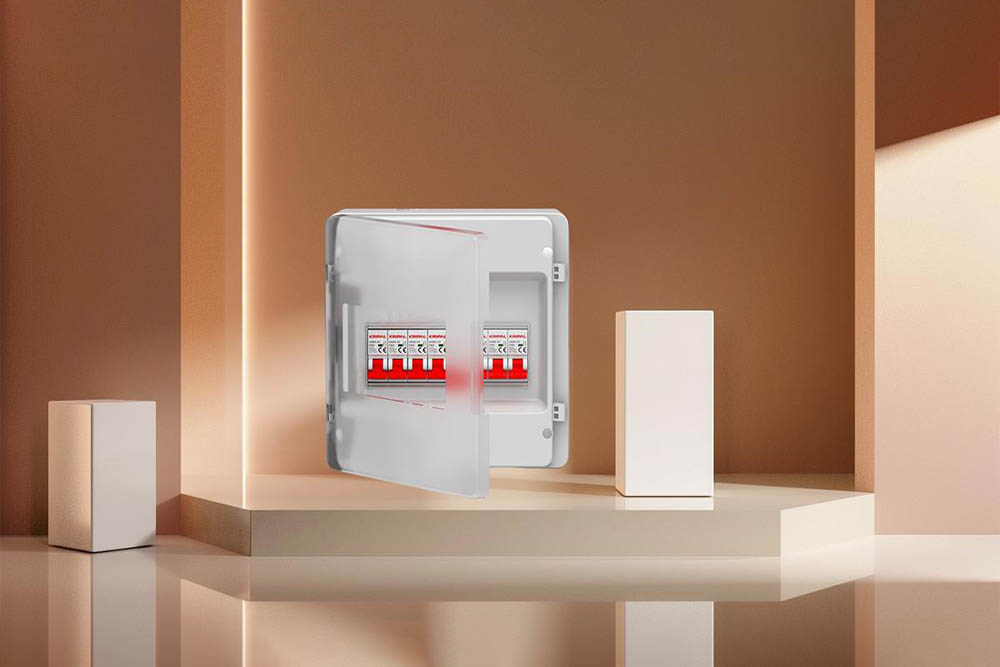
As the “guardian” of household electricity, the consumer unit directly affects the safety and stability of power usage. With increasing electrical demand and aging equipment, upgrading the consumer unit has become a pressing matter.
This article provides a comprehensive guide to upgrading your home’s consumer unit, covering when to replace it, the benefits of upgrading, and key considerations when selecting a new one.
Key Takeaways
The importance of consumer units: The consumer unit is a core device that ensures the safety and stable operation of household electricity systems.
When to upgrade: You should consider upgrading when the consumer unit is aging, overloaded, or experiencing electrical faults.
The benefits of upgrading: It improves electrical safety, prevents fire hazards, and meets the modern household’s power needs.
Common Issues with Consumer Units
Overload Issues
As household appliances increase, the consumer unit may face the risk of overload. When the current load exceeds the capacity of the consumer unit, electrical faults or even fires can occur.
Common overload situations include the simultaneous use of high-power appliances like air conditioners and water heaters, which prevent the consumer unit from distributing power efficiently. Prolonged overload can damage the internal wiring and components of the consumer unit, potentially leading to severe electrical fires.
Electrical Faults and Safety Hazards
If the consumer unit experiences electrical faults, it may cause instability in the home’s electrical system, even leading to safety incidents. Issues like leakage, poor grounding, or short circuits all increase the risk of fires or electric shocks.
These faults are often difficult to detect with a simple inspection, and only a professional electrician can identify and repair them. To protect family members, it is crucial to regularly check for hidden risks in the consumer unit.
Consumer Units Not Meeting the Latest Standards
As electrical technology evolves, the design and standards for consumer units also change. If your consumer unit is old, it may not meet the current electrical requirements or safety standards. Older consumer units not only have insufficient capacity but may also lack modern electrical protection functions such as overload protection and leakage protection.
Such units can become a source of electrical faults, affecting the stability and safety of household electricity. Upgrading the consumer unit to meet the latest standards is essential to ensure the safe and stable operation of household appliances.
When to Consider Replacing Your Consumer Unit?
Decreased Performance of an Old Consumer Unit
With time, the performance of a consumer unit may gradually decline, especially for older units. Over years of use, the internal wiring and components of the consumer unit may wear out or age, making it unable to distribute power efficiently or causing faults. If your consumer unit can no longer handle the required electrical load or frequently trips, it may be time for a replacement.
Adding New Appliances or Equipment
As the standard of living improves, many people add new household appliances or equipment such as air conditioners, refrigerators, and water heaters. These high-power appliances increase the electrical load.
If your current consumer unit cannot provide enough power, an overload may occur. Upgrading the consumer unit ensures that the new equipment can operate safely and efficiently, avoiding safety hazards caused by insufficient power supply.
Home Renovation or Expansion
During home renovation or expansion, it may be necessary to reconfigure the electrical system or add new electrical loads. If the consumer unit cannot meet the expanded needs or if the original electrical wiring does not meet modern standards, replacing the unit during renovation is necessary.
The new consumer unit can provide more circuits and meet the latest safety standards, offering better power support for home renovations and expansions.
Electrical Equipment Failure
If electrical equipment in the home frequently malfunctions or the damage to appliances becomes more severe, it may be due to issues with the consumer unit.
Overload, poor grounding, or unstable current all cause damage to household appliances. When appliances frequently fail, it is a sign to check and replace the consumer unit to ensure the normal operation of the electrical system and avoid repeated damage to appliances.
Quick Checklist: When & Why to Upgrade Your Consumer Unit
| Current Situation (The Signal) | Potential Risk | Benefit of Upgrading (The Solution) |
| Aging Unit (10+ years old) | Loose wiring & fire hazards. | Modern Standards: Newer units like KRIPAL’s new models offer superior fire-resistant materials. |
| Frequent Tripping | Circuit overload or leakage. | Reliable Power: Higher capacity and professional-grade breakers ensure stable electricity for all appliances. |
| No RCD/SPD Protection | High risk of electric shock or surge damage. | Enhanced Safety: Built-in RCDs and Surge Protection Devices (SPD) protect both your family and expensive electronics. |
| Adding New High-Power Loads | Overheating and power failure. | Future-Proofing: Dedicated circuits for EV chargers, air conditioners, and solar systems prevent system strain. |
Benefits of Upgrading Your Consumer Unit
Improving Electrical Safety
Upgrading the consumer unit greatly enhances the safety of the home’s electrical system. Modern consumer units are equipped with various electrical protection functions such as overload protection, leakage protection, and short-circuit protection.
These features help prevent electrical fires, electric shocks, and damage to electrical equipment. When the consumer unit meets the latest safety standards, it minimizes the safety risks associated with electrical faults and protects the safety of family members and property.
Meeting Modern Household Power Needs
As household appliances increase and power needs grow, an old consumer unit may not meet the modern demands of a home. Upgrading the consumer unit increases its capacity to support more appliances running simultaneously, ensuring that each appliance works properly.
New consumer units typically provide more circuits and higher power capacity, adapting to the increasing electrical needs of modern homes, improving efficiency and convenience.
Avoiding Appliance Damage and Fire Hazards
Old consumer units that cannot distribute power effectively or are constantly overloaded are likely to cause damage to appliances or create fire hazards. Upgrading the consumer unit ensures stable power distribution, reducing the risk of appliance damage due to unstable current or overload.
Additionally, the modern protection features inside the unit quickly cut off power in case of an anomaly, preventing fire hazards caused by excessive current or short circuits and protecting both appliances and property.
How to Choose the Right Consumer Unit?
Consider the Current Load Capacity
When selecting a consumer unit, the first thing to consider is the current load capacity, or the maximum current the unit can handle. Determine the capacity of the consumer unit based on the number and power of household appliances. For average households, common consumer units have capacities of 60A, 100A, or higher.
If you have multiple high-power appliances or plan to add more, it is advisable to choose a unit with a higher load capacity. Make sure the consumer unit can meet daily power needs and handle potential increases in power demand.
Choose a Consumer Unit That Meets the Latest Standards
With the advancement of electrical technology, the design and safety standards of consumer units continue to evolve. Selecting a consumer unit that complies with the latest national or local safety standards not only improves the safety of the electrical system but also ensures that the home’s power system remains effective for many years.
Modern consumer units typically come with overload protection, leakage protection, and short-circuit protection, effectively preventing electrical accidents. Therefore, when choosing a consumer unit, ensure it complies with the current electrical safety standards and avoid using outdated units that fail to provide comprehensive protection.
Seek Professional Electrician Advice
As consumer units involve electrical safety and power distribution, it is best to seek the advice of a professional electrician when choosing the right unit. An electrician can provide customized recommendations based on your home’s power requirements, layout, and electrical design.
They can also ensure the proper installation and adjustment of the consumer unit for stable and efficient operation. Additionally, an electrician can help inspect the existing unit for faults and provide repair or replacement suggestions, ensuring electrical safety in the home.
The Process of Replacing a Consumer Unit
Pre-replacement Preparation
Before replacing the consumer unit, thorough preparation is needed. First, confirm the home’s power requirements and choose an appropriately sized consumer unit. Then, turn off the main power supply to avoid electrical shocks or other safety accidents during the replacement process.
Additionally, inspect the existing consumer unit’s layout and electrical design to ensure the new unit will fit properly. It is best to consult a professional electrician before replacing the unit to ensure it meets the latest electrical standards and is tailored to the home’s power needs.
Installation Process
The installation of a consumer unit must be carried out by a professional electrician. First, the electrician will remove the old unit and inspect the wiring to ensure no aging or damaged parts.
Then, the new consumer unit will be installed according to the design plan, ensuring it is securely fixed to the wall. The electrician will connect each electrical circuit to the new unit, ensuring correct and stable wiring.
Finally, the electrician will test the consumer unit’s various functions, including overload protection and leakage protection, and perform electrical adjustments to ensure proper power distribution.
Safety Measures
Safety is the most important consideration during the replacement process. Before installation, make sure the main power supply is completely turned off to avoid electrical shocks.
The tools used during installation must meet safety standards to prevent electrical accidents caused by tool damage. Electricians should wear insulated gloves and safety shoes to reduce the risk of electrical shock.
After the new consumer unit is installed, the electrician should conduct a full range of tests to ensure all electrical connections are secure and the protection features are working correctly. Finally, family members should avoid touching electrical equipment during the installation process to ensure the safety of the site.
Conclusion
Replacing the consumer unit is a crucial step in ensuring the safety and stability of household power. Upgrading the consumer unit not only improves electrical safety, meets modern power demands, but also effectively prevents appliance damage and fire hazards.
By selecting the right consumer unit and having a professional electrician install it, you can ensure reliable power for your home and maintain the safety of the electrical system in the long run.
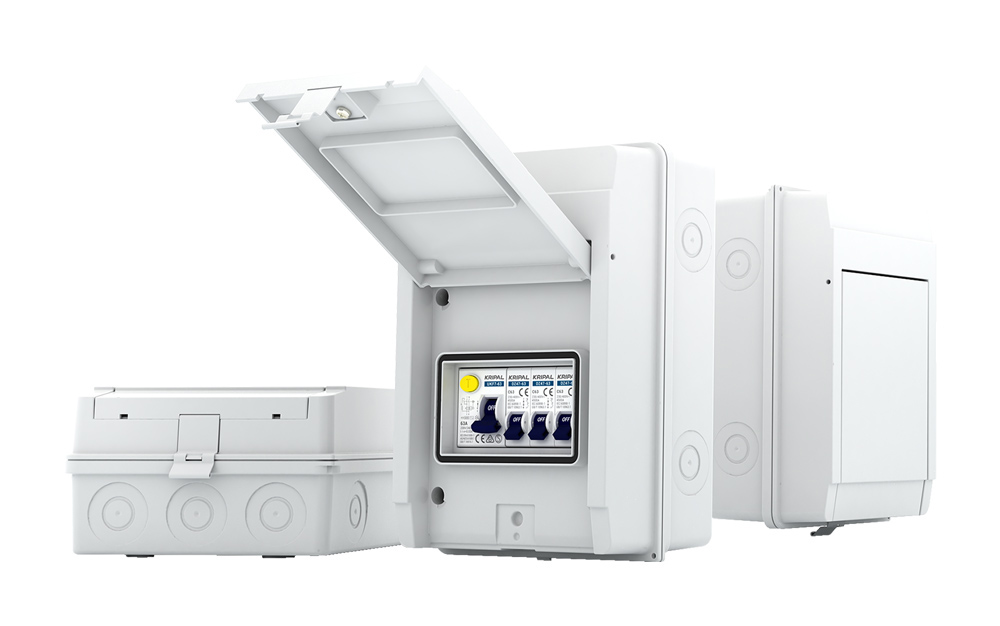
KRIPAL offers a variety of consumer units, including the latest 2026 models. You can select one based on your household needs for high quality at affordable prices. Visit our homepage for more options.
FAQs
Q Why do I need to replace my consumer unit?
Replacing the consumer unit is typically done to improve electrical safety, address issues like overload, aging, or electrical faults, and ensure the unit meets the growing power needs of modern homes.
Q How do I know if my consumer unit needs replacing?
If the consumer unit frequently trips, experiences electrical faults, or cannot meet the household’s power needs, it may need replacing. Additionally, adding more electrical appliances or undergoing major renovations may also warrant upgrading the unit.
Q Do I need to turn off the main power supply when replacing the consumer unit?
Yes, the main power supply must be turned off before replacing the consumer unit to ensure safety and prevent electrical shocks or accidents during the installation process.
Q What factors should I consider when selecting a consumer unit?
When choosing a consumer unit, consider its current load capacity, whether it meets the latest safety standards, and it is recommended to consult a professional electrician to ensure it meets your household’s power requirements and electrical safety needs.
Q Should I hire a professional electrician to replace the consumer unit?
Yes, replacing the consumer unit involves complex electrical work and should be done by a professional electrician. The electrician will ensure proper installation and conduct safety tests to ensure the electrical system operates correctly.