Search
Knowledge Center
What Is a Surge Protective Device?
Learn how surge protective devices (SPDs) safeguard your electrical equipment from voltage spikes. Discover types, selection, and installation tips.
 June 06, 2026
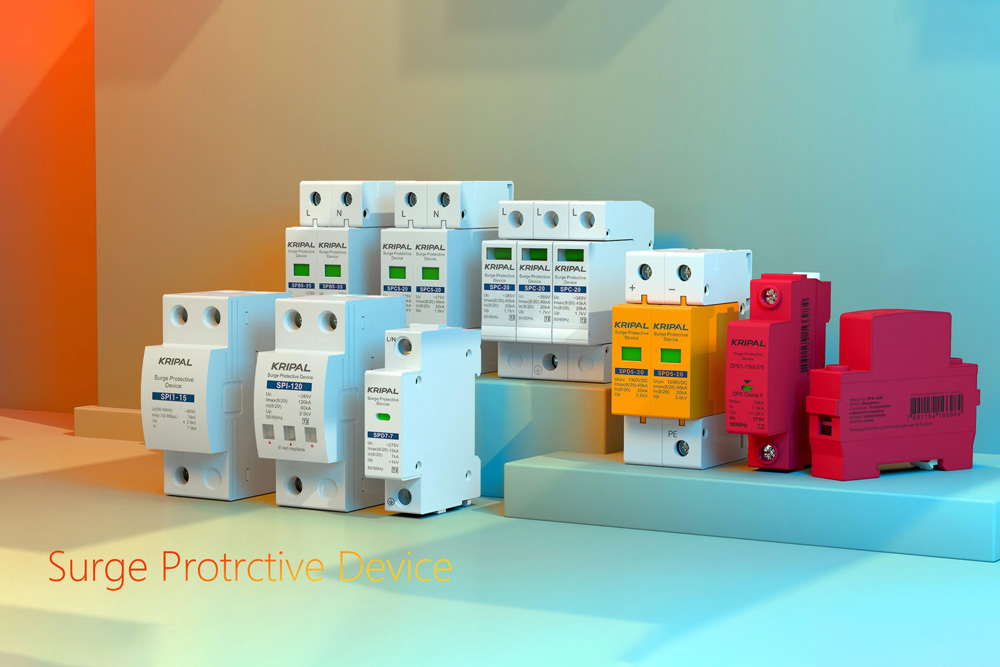
A surge protective device is a device that protects electrical and electronic equipment from damage caused by sudden voltage spikes. It is commonly made using components such as metal oxide varistors and transient voltage suppression diodes, which help extend equipment lifespan and improve electrical safety.
This article explains what surges are, how surge protective devices work, their classifications, applications, selection methods, installation practices, and future development trends.
Key Takeaways
- Surge protective devices help prevent electrical equipment from being damaged by sudden voltage spikes.
- Common protection components include metal oxide varistors and transient voltage suppression diodes.
- Surge protective devices can be classified according to current ratings, voltage ratings, and installation locations.
- Proper selection and installation can help extend the service life of electrical equipment.
What Is a Surge?
A surge is a sudden increase in voltage or current that occurs within a very short period of time. It is commonly caused by lightning strikes, power grid fluctuations, or the switching of high-power electrical equipment. Surges can damage electronic devices and lead to equipment failure or data loss. Understanding surges helps users choose suitable protection measures.
What Is a Surge Protective Device?
A surge protective device is designed to absorb or divert excess electrical energy when a surge occurs. It redirects dangerous transient overvoltage into heat or safely transfers it to the grounding system, which protects household appliances, industrial equipment, and communication systems from damage.
How Does a Surge Protective Device Work?
A surge protective device monitors voltage levels through internal protection components. When the voltage exceeds a predefined threshold, components such as metal oxide varistors or transient voltage suppression diodes become conductive and absorb or divert excess energy to the grounding system. As a result, other equipment connected to the circuit remains protected from high-voltage impacts. Most devices respond within nanoseconds, which helps prevent electronic components from being damaged.
Types of Surge Protective Devices
Surge protective devices are commonly classified according to their current and voltage ratings.
Low Voltage Surge Protective Devices
These devices are suitable for household appliances and small office equipment, with rated voltages commonly around 220 volts.
Medium Voltage Surge Protective Devices
These devices are used in industrial control systems and larger electrical equipment, with rated voltages that can reach 380 volts.
High Voltage Surge Protective Devices
These devices are designed for power distribution systems and communication infrastructure, where they can withstand higher levels of surge voltage.
Where Are Surge Protective Devices Used?
Household Appliance Protection
Many household appliances, including televisions, refrigerators, air conditioners, computers, and smart home devices, can be affected by surge events that result from lightning-induced voltages, utility grid disturbances, or the operation of elevators and water pumps. Even small recurring surges may gradually degrade internal components and shorten equipment lifespan. Surge protective devices absorb excessive voltage quickly, helping prevent equipment failure, fire hazards, and the loss of valuable personal data stored in electronic devices.
Industrial Equipment Protection
Industrial systems rely on precision equipment such as programmable logic controllers, variable frequency drives, sensors, and CNC machines, all of which are highly sensitive to voltage fluctuations. Strong surge events may occur when large motors start or stop, transformers switch operating states, or lightning affects nearby infrastructure. A properly designed surge protection system prevents excessive voltage from spreading through the electrical network, reducing the likelihood of equipment damage and minimizing production downtime and financial losses.
Telecommunications and Data Centers
Communication base stations, servers, routers, switches, and storage systems are highly sensitive to transient voltage changes. Outdoor communication facilities are frequently exposed to lightning activity, while data centers that support industries such as finance and healthcare require uninterrupted operation. Multi-level surge protection solutions provide protection from the incoming power source to the end equipment, helping maintain stable operation around the clock and reducing the risk of service interruptions and data loss.
Renewable Energy Systems
Renewable energy installations such as solar power plants, wind farms, electric vehicle charging stations, and energy storage systems are often located outdoors, where they face greater exposure to lightning and surge events. Expensive components such as inverters and battery systems can be damaged by transient overvoltage. Properly selected AC and DC surge protective devices help shield these systems from electrical disturbances, improving operational stability and extending equipment lifespan.
How to Choose the Right Surge Protective Device?
Select According to Rated Voltage
When choosing a surge protective device, the rated voltage should match the operating voltage of the equipment being protected. If the voltage rating is too low, the device may operate too frequently. If it is too high, the device may not provide adequate protection. Matching the voltage rating correctly helps ensure reliable performance.
Select According to Surge Current Capacity
The device should be capable of handling the maximum surge current that may occur in the installation environment. Residential applications generally require lower surge current ratings, while industrial systems often require higher ratings so that the device can withstand larger surge events without failure.
Select According to Installation Location
Surge protective devices can be installed at the main power entrance, on branch circuits, or near sensitive equipment. Main distribution protection covers the entire electrical system, while point-of-use protection focuses on individual devices. Combining multiple protection levels often provides better overall performance.
Consider Response Time and Service Life
Devices with faster response times can react more quickly when abnormal voltage conditions occur. High-quality surge protective devices are also designed to withstand repeated surge events, which helps reduce replacement frequency and maintenance costs over time.
How to Install a Surge Protective Device?
Install at the Main Distribution Panel
Installing a surge protective device at the main distribution panel helps protect the entire electrical system within a home, commercial building, or industrial facility. The grounding system should be properly connected, and adequate installation space should be available for future inspection and maintenance.
Install Near Sensitive Equipment
For sensitive equipment such as computers, servers, and precision instruments, additional surge protection can be installed at the power outlet or near the equipment itself. This approach provides another layer of protection even when a main surge protective device is already present.
Ensure Proper Grounding and Safe Wiring
The grounding conductor must be connected to a reliable grounding system so that excess surge energy can be safely discharged. Installation should follow applicable electrical safety standards to reduce the possibility of short circuits or poor electrical connections.
Inspect and Replace Regularly
Surge protective devices may gradually lose effectiveness after absorbing multiple surge events. Regular inspections are recommended, particularly during seasons with frequent thunderstorms. Devices that show signs of failure or have reached the end of their service life should be replaced promptly.
Future Trends and Smart Surge Protection
Smart surge protective devices are increasingly being integrated with Internet of Things technologies. These systems can monitor voltage conditions in real-time and provide alerts through mobile applications or cloud platforms. In addition to traditional protection functions, they can collect and analyze surge event data, helping users manage electrical systems more effectively. As technology continues to evolve, smart surge protection solutions are becoming more common in both residential and industrial environments.
Conclusion
Surge protective devices help protect electrical and electronic equipment from damage caused by transient overvoltage. By selecting suitable products and installing them correctly, users can reduce the risk of equipment failure and improve system reliability. As intelligent technologies continue to advance, surge protection solutions are becoming more efficient and more connected.
Kripal offers a wide range of surge protective devices. Feel free to visit our website and contact us for more information.
FAQs
No. It can reduce the impact of lightning-induced surges and power system disturbances, but it cannot absorb the full energy of a direct lightning strike.
No. Protection is generally recommended for the main electrical supply and for sensitive electronic equipment.
Yes. Their protective capability may decrease after repeated surge events, so regular inspection and replacement are recommended.
Industrial devices usually have higher voltage and surge current ratings and are designed to withstand larger electrical disturbances.
Yes. A reliable grounding system is required so that excess surge energy can be safely discharged.
Related Resources
Explore Knowledge Center >

Need a matching KRIPAL product?
Share voltage, quantity and destination. An engineer will reply with options and lead time.