Search
 March 30, 2026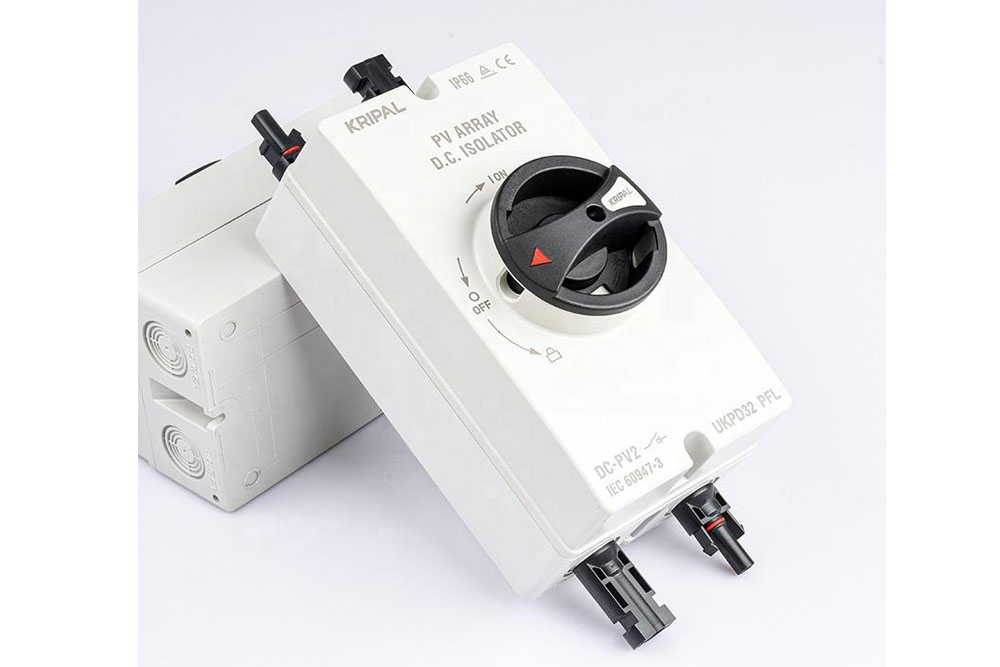
When installing a solar photovoltaic system, the DC isolator is a common component that is often overlooked, which raises a frequent question: is it really required? This article explains the function, necessity, and practical application of DC isolators to help you better understand their role.
Key Takeaways
- DC isolators are mainly used to improve the safety of solar systems and make emergency shutdown and maintenance easier.
- Whether installation is required depends on local regulations and system design.
- Some modern inverters include built in isolation functions, although compliance still needs to be confirmed.
- Proper selection and installation of a DC isolator can reduce faults and safety risks.
In What Situations Must a DC Isolator Be Installed?
Regions Where Regulations Require It
If local electrical codes or industry standards specify that a DC isolator must be installed, then it must be followed regardless of system size. For example, in Australia and some European countries, standards require DC isolators for rooftop systems, so compliance takes priority.
Inverters Without Built In DC Isolation
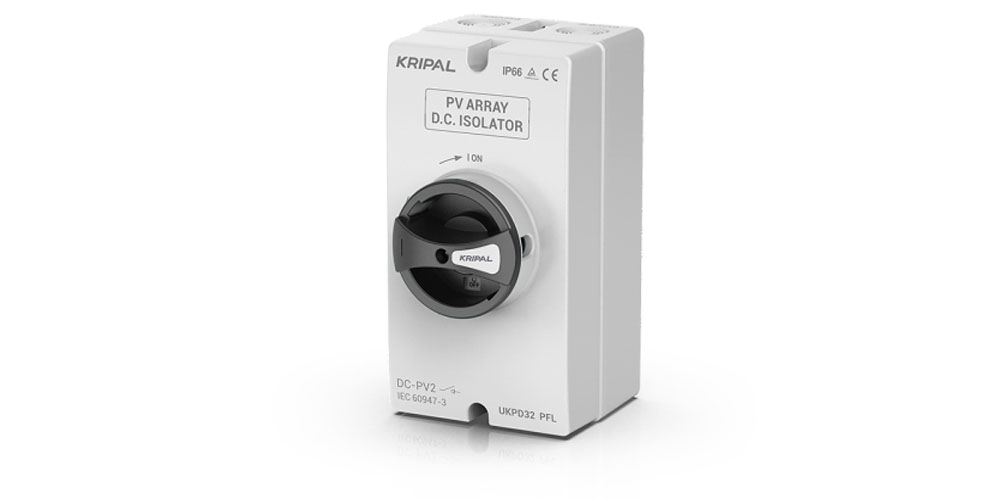
When the inverter does not include a DC isolation function, or when its internal isolator does not meet local certification standards, an external DC isolator must be installed. This allows the DC current between the PV modules and the inverter to be disconnected when needed, which improves safety during maintenance or fault handling.
Rooftop Solar Systems
For rooftop installations, DC isolators are generally expected. Since PV modules continue generating electricity under sunlight, the system may remain energized during emergencies such as fires. A DC isolator allows the power to be disconnected quickly, which helps protect firefighters and maintenance personnel.
Commercial and Large Scale Systems
In commercial or large scale solar projects, DC isolators are commonly used. These systems operate at higher voltage and current levels, which increases potential risks. Isolators help with section isolation, maintenance, and fault management, which improves overall system reliability.
Are There Situations Where a DC Isolator Is Not Required?
Inverters With Certified Built In Isolation
If the inverter includes a DC isolator that meets local certification standards, then in some regions it is acceptable to omit an external DC isolator. This can simplify system design and reduce installation costs.
Alternative Safety Technologies
With the development of new technologies, some solutions can replace traditional DC isolators. Rapid shutdown systems or module level power electronics can reduce voltage quickly during emergencies, which can provide similar or higher levels of protection. In regions where regulations allow, these technologies can be used instead.
Non Rooftop or Low Risk Installations
If the system is installed in a ground mounted or lower risk environment and already includes adequate electrical protection and isolation measures, then the use of a DC isolator may be more flexible. The final decision still depends on local standards.
Comparison: Built-in Inverter Switch vs. External DC Isolator
| Feature | Built-in DC Switch | KRIPAL External DC Isolator |
| Physical Isolation | Limited to internal circuitry. | Full isolation between PV array and inverter. |
| Emergency Access | Hard to reach if the inverter is high or indoors. | Can be mounted at eye level for rapid shutdown. |
| Heat Dissipation | Shares heat with inverter electronics. | Independent housing for superior thermal stability. |
| Maintenance Safety | Inverter terminals may remain live. | Allows 100% safe inverter replacement/repair. |
| Ingress Protection | Matches inverter rating. | Dedicated IP66/IP67 weather-proof protection. |
| Standard Compliance | Basic manufacturer specs. | Designed for IEC 60947-3 & AS/NZS 5033. |
| Certifications | No independent third-party certification; only complies with basic inverter certification. | TUV, CE, and RoHS certified; fully meets international safety and environmental standards. |
What Are the Advantages and Disadvantages of a DC Isolator?
Advantages
Improved System Safety: A DC isolator allows the DC power to be disconnected quickly in emergency situations, which reduces the risk of electric shock and creates a safer environment for emergency response. It also helps isolate faults and prevent further damage.
Easier Maintenance and Servicing: During maintenance, the isolator provides a clear disconnection point, which allows technicians to work on the system without power. This improves both efficiency and safety.
Compliance With Regulations: In many regions, installing a DC isolator is required by regulations. Including this device helps ensure the system can pass inspections and avoids compliance related issues.
Disadvantages
Increased System Cost: Adding a DC isolator and installing it increases overall system cost, which may be a concern for smaller projects or limited budgets.
Potential Failure Point: DC isolators are often installed outdoors, where they are exposed to sunlight, rain, and temperature changes. Over time, this can lead to aging, water ingress, or poor contact, which may affect system performance and safety.
High Installation Quality Requirements: If installation is not done properly, such as poor sealing or incorrect wiring, it can lead to overheating, arcing, or fire risks. This requires careful installation and quality components.
How to Choose the Right DC Isolator for a Solar Installation?
Check the Rated Voltage
The rated voltage of the DC isolator must be higher than the maximum voltage that the system can produce. It should not be selected based only on normal operating voltage. Residential and commercial systems commonly use 600V, 800V, or 1000V, while larger systems may reach 1500V. The isolator must match the highest possible string voltage.
Check the Rated Current With Margin
The rated current must match the maximum operating current of the PV string or combined circuits. It is better to select a model with some margin, since high temperatures and continuous operation can affect performance and lifespan.
Confirm Poles and Wiring Configuration
The isolator must match the number of poles and the wiring configuration of the system. Common options include 2P and 4P. Different configurations support different voltage levels, so it is important to follow the manufacturer’s wiring diagrams and specifications.
Consider Protection Rating for Outdoor Use
If the isolator is installed outdoors, the protection rating should be high enough to handle environmental conditions. Products with IP65 or IP66 ratings are commonly used to protect against dust, rain, and long term exposure.
Certified Safety: TUV, CE, and RoHS Compliance
When dealing with high-voltage DC power, certifications are not just labels—they are lifelines. KRIPAL DC isolators are engineered and tested to meet the most rigorous international safety benchmarks:
- TUV Certified: Our switches have undergone independent laboratory testing to ensure they meet the strict safety and quality standards required for global solar markets.
- CE Marking: KRIPAL products fully comply with European health, safety, and environmental protection legislation.
- RoHS Compliant: We are committed to sustainability. Our isolators are free from hazardous substances, ensuring environmental safety throughout the product’s lifecycle.
Choosing a TUV-certified isolator like KRIPAL’s ensures that your PV system is protected against catastrophic arc failures and electrical fires.
Expert Advice for Your PV Project
Don’t compromise your system’s safety with uncertified components. KRIPAL provides TUV-approved DC isolators designed to handle up to 1500V. Whether you need a 2-pole or 4-pole configuration, our CE-marked solutions guarantee reliability in the harshest environments.