Search
Knowledge Center
What Is a PV Combiner Box? Functions, Components and Selection Guide
Learn PV combiner box functions, key components (fuses, SPD), and selection guide for solar systems. Improve safety and monitoring in utility or residential projects.
 April 11, 2026
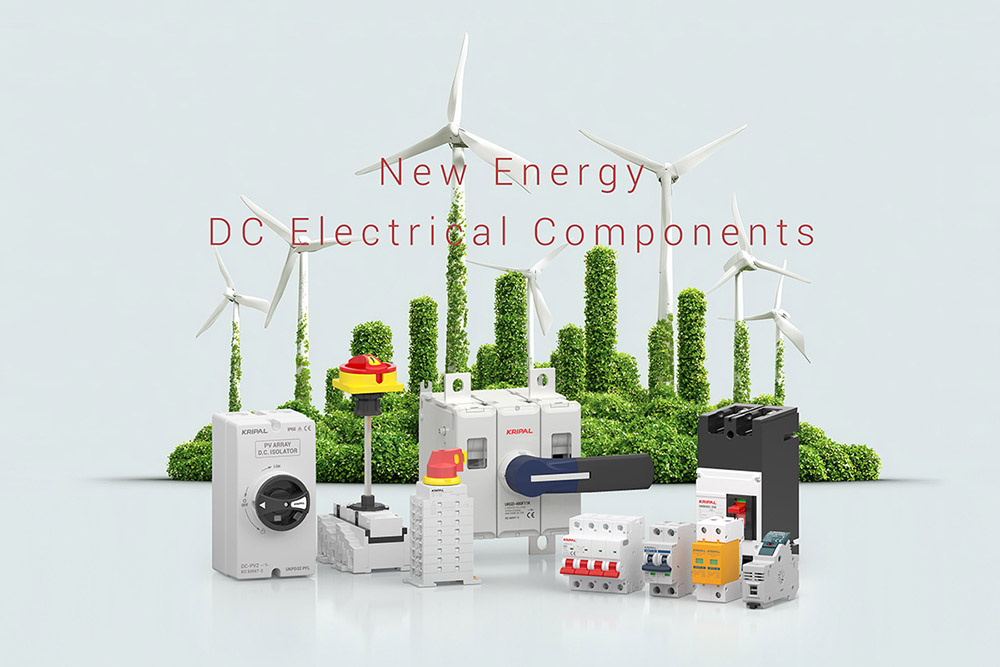
A PV combiner box gathers DC output from multiple photovoltaic strings and connects them to an inverter or DC distribution system. As system scale increases, more strings need to be managed within a structured electrical layout. The combiner box integrates protection, monitoring, and communication functions, supporting stable operation and consistent power output across the system lifecycle.
Key Takeaways
- Centralized collection of multiple PV strings simplifies wiring and system structure
- Built in protection against overvoltage, overcurrent, and short circuits improves operational safety
- String level monitoring enables fast fault identification and performance tracking
- Reduced cabling lowers installation complexity and material cost
- Development is moving toward modular, standardized, and data driven systems
What is a PV Combiner Box
A PV combiner box connects photovoltaic strings and the inverter. It collects DC current from multiple strings and delivers it through a single output path, forming a structured connection between generation and conversion stages.
Each string consists of modules connected in series, producing DC power under solar irradiation. The combiner box gathers these outputs into one point, reducing the number of cables routed toward the inverter.
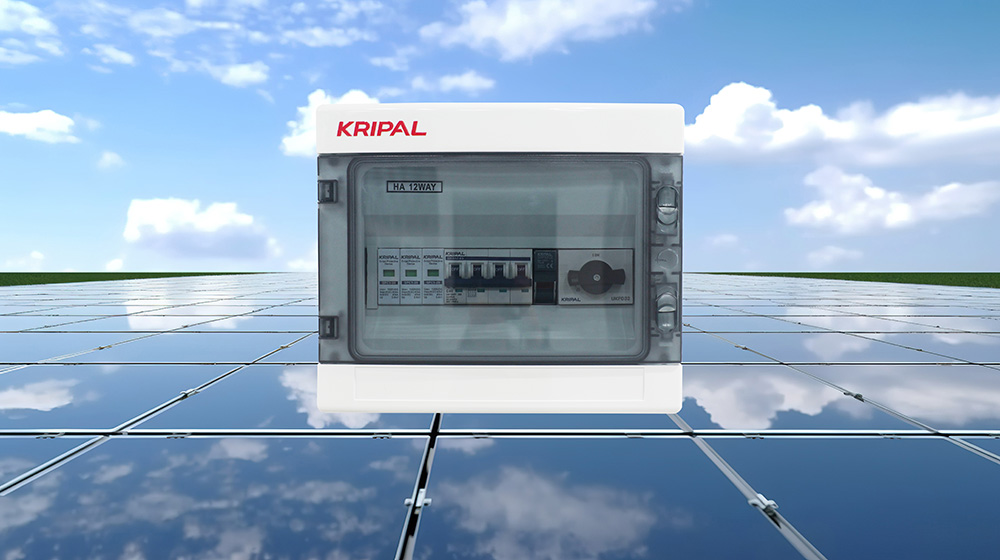
In modern systems, protection devices, monitoring units, and communication interfaces are integrated within the enclosure, allowing multiple electrical functions to be handled in one location.
Core Functions of a PV Combiner Box
The combiner box gathers outputs from multiple strings into one DC path, creating a centralized connection point within the system.
This structure:
- reduces connection points at the inverter side, simplifying installation
- lowers cable usage across long distances, especially in large fields
- improves layout clarity, making inspection and maintenance more direct
In utility scale plants, centralized aggregation supports organized cable routing and reduces installation workload across large areas.
Benefits of Using a PV Combiner Box
| Feature | Benefit for EPC | Benefit for Distributor |
| Centralized wiring | Faster installation | Standardized product offering |
| String-level protection | Improved safety | Higher system reliability |
| Monitoring capability | Easier maintenance | Value-added solution |
| Modular design | Flexible expansion | Broader product portfolio |
System Protection
The combiner box integrates multiple protection mechanisms within a single enclosure, covering electrical faults and environmental impacts. These functions work together to limit damage, isolate faults quickly, and maintain stable operation across the system.
Overvoltage and Surge Protection
Outdoor PV systems are exposed to lightning strikes and grid disturbances. Surge protection devices inside the enclosure absorb transient voltage spikes and limit their impact on downstream equipment such as inverters and monitoring units.
Overcurrent and Short Circuit Protection
Each input channel includes a fuse or circuit breaker. When abnormal current or a short circuit occurs, the affected string is isolated at the source, preventing fault spread and maintaining operation of the remaining strings.
Reverse Current Protection
Reverse current can occur when one string operates under fault conditions while others remain active. Internal protection limits this current flow, reducing stress on modules and connectors.
Intelligent Monitoring and Data Collection
Integrated monitoring functions provide real time visibility into electrical and environmental conditions at the string level. This supports accurate performance tracking, faster fault detection, and centralized data management across the system.
String Level Monitoring
Each string can be monitored individually, including current, voltage, and operating status. This level of visibility allows operators to identify mismatch, shading impact, or degradation trends across different strings.
Temperature and Environmental Monitoring
Sensors inside the enclosure track internal temperature and surrounding conditions. These data points support early detection of overheating risks and improve awareness of operating environments.
Remote Communication and Data Transfer
Communication interfaces such as RS485 or Modbus transmit real time data to supervisory systems. Central platforms can aggregate this data across multiple combiner boxes, supporting remote diagnostics and system wide analysis.
System Performance and Reliability
Optimized electrical paths reduce resistive losses across cables and connection points. Stable current flow across strings supports consistent power output under varying conditions. Integrated protection and monitoring reduce unexpected faults and support long term operation with fewer interruptions.
Main Components of a PV Combiner Box
The combiner box integrates electrical protection, switching, and monitoring elements within a compact enclosure. These components work together to manage current flow, protect equipment, and support stable operation under different environmental conditions.
Core Structure
- DC Fuse or Circuit Breaker
Provides protection at each input channel and isolates faults at the string level, limiting the impact of abnormal conditions - Surge Protection Device
Limits the effect of lightning and transient overvoltage, protecting sensitive equipment within the system - DC Isolator Switch
Allows safe disconnection of the DC circuit during maintenance or emergency situations, improving operational safety - Monitoring Module
Collects electrical parameters such as current and voltage, and transmits data to external monitoring systems - Terminals and Enclosure
Ensure stable electrical connections and provide protection against dust, water, and corrosion, supporting operation in outdoor environments
Application Scenarios
PV combiner boxes are applied across different types of photovoltaic systems, from large scale power plants to smaller distributed installations. Their configuration and layout vary based on system size, installation environment, and wiring requirements.
Utility Scale PV Plants
Large ground mounted systems use combiner boxes to gather multiple strings across wide areas. This supports structured cable routing and centralized connection to inverters or DC distribution units.
Commercial and Industrial PV Systems
In rooftop or campus installations, shorter cable runs and organized routing improve installation consistency. The combiner box also supports easier inspection and maintenance in distributed layouts.
Residential PV Systems
In smaller systems, compact configurations support safer wiring and clearer system organization, especially when multiple strings are present.
PV Combiner Box Application Guide
This table summarizes how PV combiner boxes are typically used across different system types.
| System Type | Typical Number of Strings | Role of PV Combiner Box | Key Benefit |
| Residential PV Systems | 1–4 strings | Optional depending on system layout | Improves wiring organization when multiple strings are present |
| Commercial Rooftop Systems | 4–10 strings | Commonly used | Simplifies cable routing and improves maintenance efficiency |
| Commercial & Industrial (C&I) Systems | 8+ strings | Frequently used | Centralized protection and structured wiring |
| Ground-Mounted PV Systems | Multiple strings across wide areas | Widely used | Reduces long-distance cable complexity |
| Utility-Scale PV Plants | Large number of strings | Typically used in centralized architectures | Supports large-scale current collection and protection |
| Distributed PV Systems | Varies by project | Used based on design requirements | Improves system structure and expandability |
How to Select a PV Combiner Box?
Number of Input Strings
Match the number of inputs to system scale and physical layout. This ensures balanced utilization of each channel and avoids idle capacity. Proper sizing also prevents excessive current concentration under peak generation conditions, which can affect long term operation.
Voltage and Current Ratings
Align equipment ratings with system parameters such as maximum DC voltage and expected current levels. Consider margin for temperature variation and irradiance changes to ensure stable performance across different operating conditions.
Protection Level and Environmental Conditions
Consider installation environment, including outdoor exposure, dust levels, humidity, and temperature range. Enclosures with higher ingress protection ratings provide better resistance against water and contaminants, supporting long term operation in harsh environments.
Monitoring and Communication Functions
Monitoring capability provides detailed visibility into string performance and system status. Communication interfaces enable data transmission to centralized platforms, allowing real time supervision, performance analysis, and faster response to abnormal conditions.
Certification and Product Consistency
Products with recognized certifications and consistent manufacturing quality support reliable operation across different projects. Field proven designs and standardized production processes reduce variability and improve long term performance stability.
Industry Trends
PV combiner boxes are evolving alongside the growth of photovoltaic systems in scale and complexity. Changes in system architecture, digitalization, and higher electrical standards are driving new requirements for structure, monitoring capability, and safety performance.
Modular and Standardized Structures
Modular configurations simplify installation and future expansion by allowing flexible assembly of components. Standardized layouts improve consistency across projects, reduce engineering workload, and support faster deployment, especially in large scale installations.
Data Oriented Operation
Integration with monitoring platforms enables continuous data collection at the string level. Operators can track performance trends over time, compare data across multiple sites, and identify anomalies with greater accuracy. This supports more proactive maintenance and better system visibility.
Higher Electrical and Safety Requirements
Increasing system voltage and capacity place higher demands on insulation performance, thermal control, and coordination between protection devices. Equipment must handle greater electrical stress while maintaining stable operation under varying environmental conditions.
Practical Summary
A PV combiner box integrates current collection, protection, and monitoring within a single unit. Proper configuration supports stable operation, structured system layout, and consistent power output over time.
If you have any questions about PV combiner boxes or related solutions, our technical team is ready to support you.