Search
Knowledge Center
How Do Lighting Contactors Differ from Motor Contactors?
Explore the key differences between lighting contactors and motor contactors, including their applications and electrical ratings in lighting contactor vs motor contactor.
 December 29, 2025
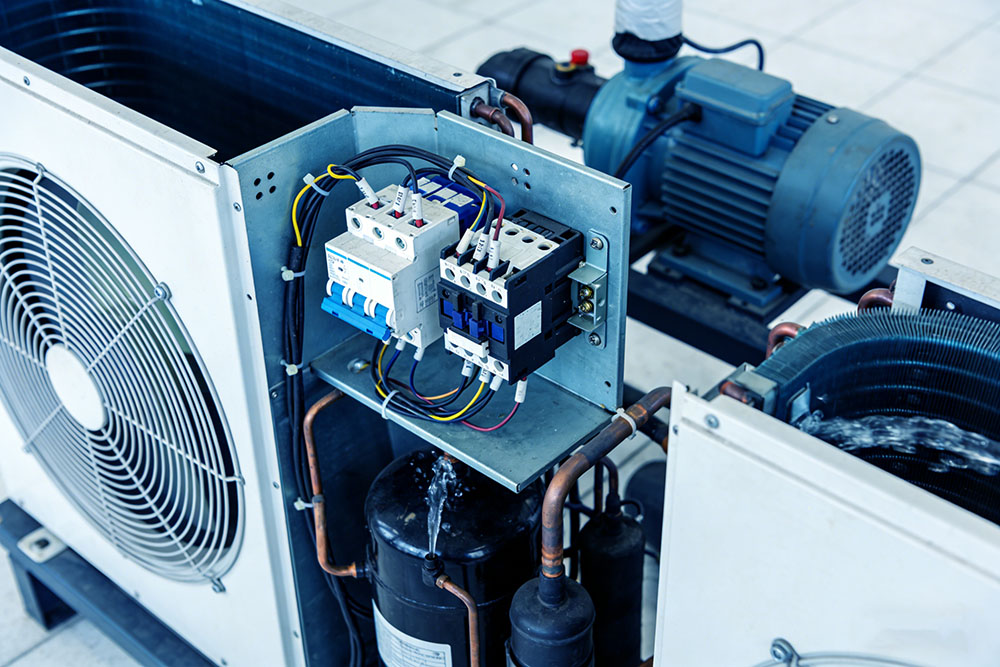
HVAC contactors are essential components used to control electrical circuits in various systems, from residential heating and cooling to large industrial setups. These contactors ensure that the correct amount of power is delivered to key components like motors and compressors. However, not all contactors are created equal. Depending on the type of load and the conditions under which they are used, different contactors are designed for specific tasks. Two common types of contactors are lighting contactors and motor contactors. Understanding the differences between these two can help you make the right choice for your system’s needs.
KEY TAKEAWAY:
- Design purpose: Lighting contactors control low-current lighting loads, while motor contactors manage high-current motor loads.
- Usage: Lighting contactors are optimized for frequent switching, while motor contactors are designed to handle large inrush currents.
- Applications: Lighting contactors are ideal for lighting systems, and motor contactors are essential for motor control in industrial systems.
What is an HVAC Contactor
An HVAC contactor is an electromechanical switch used to control the flow of electricity to high-voltage components like compressors, fan motors, and pumps. It is activated by a low-voltage control signal from the thermostat. When the thermostat calls for heating or cooling, the contactor’s coil is energized, creating a magnetic field that pulls the contacts together, allowing current to flow. When the temperature setpoint is reached, the control signal stops, de-energizing the coil and opening the contacts to stop the flow of electricity. HVAC contactors are widely used in residential, commercial, and industrial systems to provide stable power to system components.
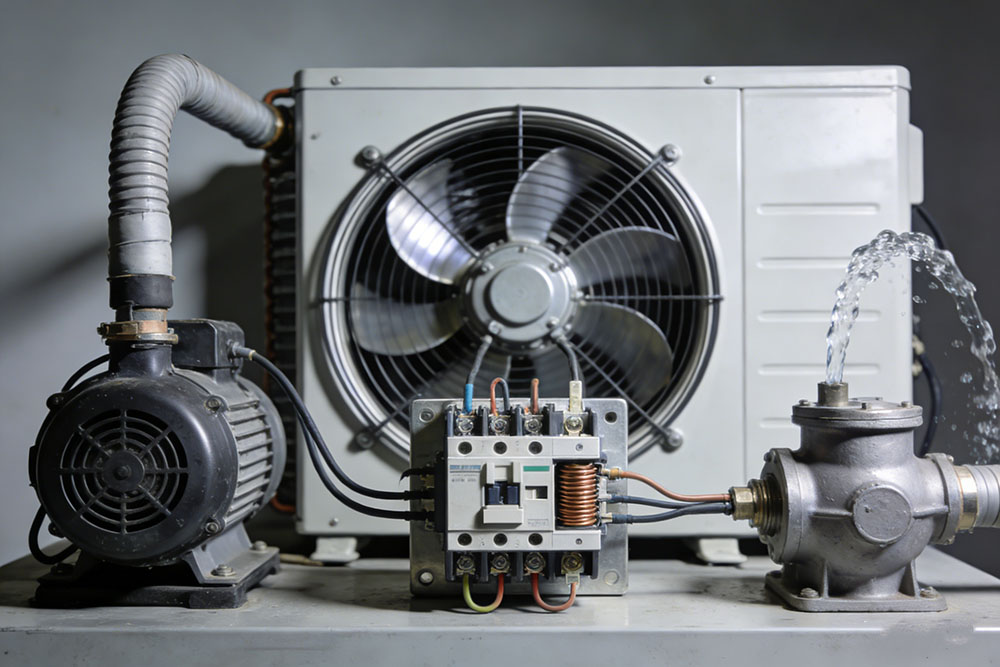
Contactors are not only used in HVAC systems but also in other electrical applications. Depending on the type of load, different contactors are designed for lighting or motor control. The following table compares lighting contactors and motor contactors to show how their design and performance differ.
Differences Between Lighting Contactors and Motor Contactors
| Aspect | Lighting Contactors | Motor Contactors |
| Design Purpose | Used to control low-current lighting loads with minimal inrush current at startup. | Used to control the start and stop of electric motors, which create high inrush currents during startup. |
| Current Rating and Inrush Capacity | Lower current ratings, designed for low inrush current loads. | Designed to withstand high inrush currents produced by motor startups. |
| Frequency of Use and Lifespan | Optimized for frequent switching with low loads, resulting in a longer lifespan under these conditions. | Designed to handle frequent switching with high loads, built for long-term use under heavy-duty conditions. |
Typical Applications for Lighting Contactors
Industrial and Commercial Lighting Systems
Lighting contactors are commonly used in industrial environments, warehouses, malls, and other areas that require bulk lighting control. These contactors can work alongside timers or photocells to automate lighting schedules and reduce energy costs.
Large Venue Lighting
In sports arenas, exhibition halls, and auditoriums, lighting contactors are used to control high-power lighting systems. By automating the switching process, they help reduce manual operation and increase energy efficiency.
Typical Applications for Motor Contactors
Industrial Drive Systems
Motor contactors are extensively used in industrial systems to start and stop machines such as pumps, fans, and conveyor belts. These contactors often work with overload protection devices to form a complete motor control system.
Building Facility Machinery
Motor contactors control large electric motors in systems like elevators, HVAC systems, and other building infrastructure. These systems rely on reliable contactors to ensure smooth operation and prevent system failures.
How to Choose the Right Contactor for Your System
Based on Load Type
For lighting circuits, choose lighting contactors as they are optimized for handling low inrush currents and frequent switching. For motors and high inrush loads, motor contactors are the appropriate choice as they can handle larger currents and sudden power surges.
Check Rated Parameters
Ensure that the contactor’s voltage and current ratings match your system’s requirements. Using a contactor with ratings below what is needed can lead to overheating, while using one with higher ratings may be inefficient and costly.
Consider Environmental Factors
Environmental factors like temperature, humidity, and dust can impact the performance and lifespan of contactors. For systems in harsh environments, select contactors with higher protection ratings to ensure reliable operation.
Common Misconceptions
Misunderstanding the Interchangeability of Contactors
Many people believe that any contactor can be used for any load type, but this is not true. Lighting contactors and motor contactors have different design specifications. Using the wrong type can lead to early failure or inefficiency in operation.
Neglecting Protective Accessories
Contactor systems should always be used with overload protectors, circuit breakers, and other protective devices. These components work together to ensure the safe and reliable operation of the system and prevent damage from overcurrent conditions.
Conclusion
Although both lighting contactors and motor contactors serve the purpose of controlling electrical circuits, their designs are tailored to different needs. Lighting contactors are ideal for low-load, high-frequency switching applications, while motor contactors are designed to handle the high currents and inrushes that come with electric motor systems.
When choosing a contactor, ensure you select one that meets the specific requirements of your system to guarantee reliability and efficiency. Kripal offers a wide range of high-quality contactors for various applications, including both lighting and motor control. For expert advice and to find the right products for your application, contact our professional team.
Related Resources
Explore Knowledge Center >

Need a matching KRIPAL product?
Share voltage, quantity and destination. An engineer will reply with options and lead time.