Search
Knowledge Center
Do You Need a 10kA Miniature Circuit Breaker?
Do you need a 10kA miniature circuit breaker? Learn how KA rating affects protection, when to choose 10kA MCB, and compare types for your electrical system.
 March 27, 2026
Miniature circuit breakers are vital for protecting electrical systems, and the 10kA MCB is widely used due to its high impact resistance. However, not all electrical systems require such a high-rated current breaker. This article will explore the features, advantages, and applications of the 10kA MCB.
Key Takeaways
- 10kA miniature circuit breakers have strong impact resistance and are suitable for high-load electrical systems.
- The KA rating indicates the maximum short-circuit current that the breaker can withstand, with 10kA being suitable for environments with higher risks.
- Choosing whether a 10kA breaker is needed depends on the load and safety requirements of the electrical system.
- 10kA MCBs are commonly used in residential, industrial, and commercial electrical systems to provide effective protection.
What is the KA Rating?
The KA rating refers to the maximum short-circuit current that a miniature circuit breaker can withstand, measured in kiloamperes (kA). It shows the maximum amount of current the breaker can safely disconnect during a short-circuit event.
The higher the KA rating, the greater the protection capacity of the breaker, making it suitable for environments with larger currents or higher short-circuit risks.
Why is the KA Rating Important?
Ensuring the Safety of Electrical Systems
The KA rating directly affects how well the miniature circuit breaker performs during a short-circuit event. A proper KA rating ensures the breaker can effectively disconnect the current during a fault, preventing damage to electrical equipment or fire hazards. Selecting the right KA rating is crucial for ensuring safe operation of the electrical system.
Choosing the Right Breaker for the Load
Different electrical systems and applications have varying requirements for circuit breakers. The KA rating helps users choose the correct product. For example, in industrial environments with large equipment loads, short-circuit currents are likely higher, requiring a higher KA rating. In contrast, residential or small commercial systems typically need a breaker with a lower rating.
Compliance with Standards and Regulations
A proper KA rating not only improves safety but also ensures that the circuit breaker complies with relevant electrical standards and regulations. Different regions or countries have strict requirements for electrical installations, and choosing the correct KA rating helps avoid legal issues and financial losses from non-compliance.
Improving System Reliability and Stability
Choosing the appropriate KA rating enhances the overall reliability and stability of the electrical system. A low KA rating may result in the breaker failing to disconnect overload currents in time, while an excessively high KA rating could lead to unnecessary costs and over-protection. Selecting the right KA rating ensures the long-term, stable operation of the electrical system.
Advantages and Disadvantages of 10kA Miniature Circuit Breakers
Advantages:
High Impact Resistance: The 10kA miniature circuit breaker has a higher short-circuit tolerance, allowing it to quickly disconnect the current during a short-circuit event, protecting electrical devices and circuits from severe damage. It is especially useful for high-load electrical systems.
Suitable for High-Risk Environments: Due to its higher KA rating, the 10kA breaker is ideal for environments with significant current fluctuations or higher short-circuit risks, such as industrial facilities, large commercial buildings, and high-load electrical systems.
Improves System Stability and Safety: The 10kA MCB effectively prevents electrical equipment from being affected by overloads and short circuits, reducing device failures caused by current surges and enhancing the overall stability and safety of the electrical system.
Disadvantages:
Higher Cost: Compared to breakers with lower KA ratings, 10kA MCBs are generally more expensive. For systems with lighter loads, this could result in unnecessary expenditure.
Not Suitable for Small Systems: For smaller residential electrical systems or circuits with lower loads, the high current rating of a 10kA breaker might be excessive. Opting for a lower KA rating breaker would be more cost-effective.
Potential Over-Protection: In some cases, the high protective capacity of a 10kA MCB could be excessive, especially in low-load or low-risk environments, leading to unnecessary costs and equipment complexity.
Types of 10kA Miniature Circuit Breakers
Type C Breaker
Type C MCBs provide medium overload protection and are commonly used in most standard electrical loads, particularly in residential and light industrial settings. Its disconnection capacity is 10kA, suitable for environments with larger short-circuit currents but moderate loads.
Type B Breaker
Type B MCBs have lower overload protection capabilities and are ideal for precision electrical devices and smaller loads, such as household lighting and low-power appliances. Although it also provides 10kA short-circuit protection, its lower overload tolerance makes it unsuitable for high-power or high-load environments.
Type D Breaker
Type D MCBs offer higher overload protection and are suitable for environments with significant current fluctuations or where multiple electrical devices operate simultaneously, such as in industrial settings. The 10kA protection ensures better resistance to current surges, protecting devices from damage.
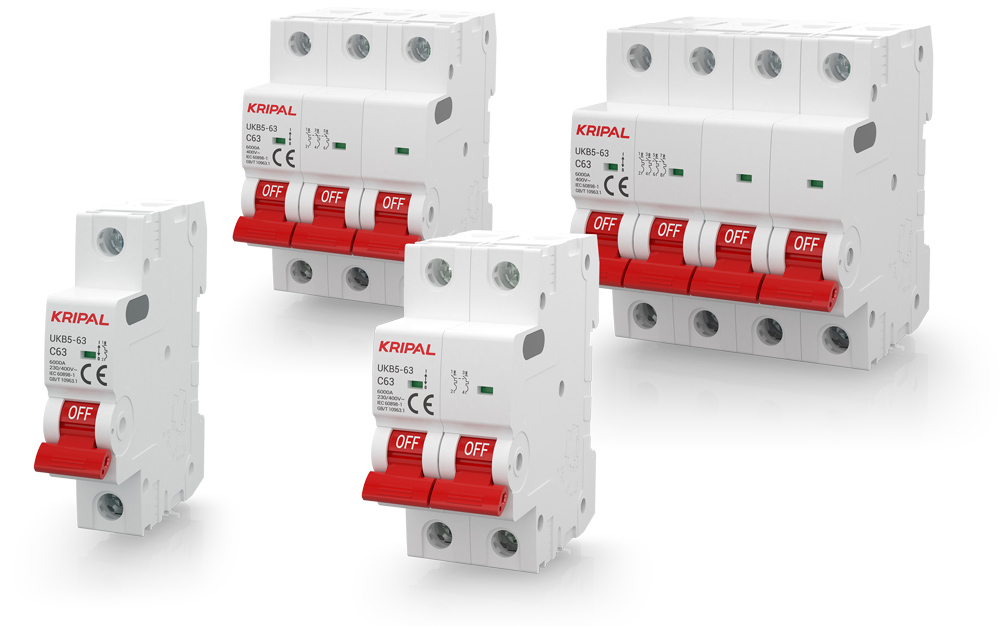
Double-Pole Breaker
The double-pole 10kA MCB is often used in single-phase circuits and provides dual-pole protection, allowing it to disconnect both live wires at once, ensuring comprehensive protection for the electrical system. This type of breaker is commonly found in more complex electrical environments.
Four-Pole Breaker
The four-pole 10kA MCB is designed for three-phase circuit systems and provides protection for both the three-phase current and the neutral line. It is widely used in industrial and commercial electrical systems, offering protection for four wires and is ideal for large loads and high-current environments.
Common Applications of 10kA Miniature Circuit Breakers
Industrial Facilities
In industrial environments, electrical equipment often bears large loads and faces higher short-circuit risks. 10kA MCBs provide effective protection for machinery and electrical systems, preventing damage or fire hazards due to overloads or short circuits.
Commercial Buildings
In commercial buildings such as office complexes and shopping centers, electrical loads are typically high, and the electrical systems are complex. 10kA MCBs offer efficient short-circuit protection, ensuring stable operation and protecting equipment from excessive currents.
High-Load Residential Systems
In larger homes, especially multi-story residences or those with heavy appliances (like air conditioners or electric boilers), 10kA MCBs offer additional protection, safeguarding household electrical systems from current fluctuations that could damage appliances or circuits.
Data Centers and Server Rooms
Data centers and server rooms rely heavily on electrical power, and any electrical failure can lead to significant losses. 10kA MCBs provide strong short-circuit protection, preventing sudden faults from damaging power equipment or data services.
Public Facilities
For large public spaces such as hospitals, schools, and malls, electrical loads are high, and maintaining a secure power supply is essential. 10kA MCBs offer robust protection for these facilities, ensuring a stable and safe electrical supply.
How to Determine if You Need 10kA Current?
Assess the Load and Short-Circuit Risk of the Electrical System
The need for a 10kA MCB depends on the load and the potential short-circuit current. If your system carries large loads and faces a higher risk of short circuits (such as in industrial settings or large commercial buildings), a 10kA breaker will provide better protection. For smaller loads or lower short-circuit risks, a lower KA rating breaker may be sufficient.
Calculate the Maximum Possible Short-Circuit Current
You can determine whether a 10kA breaker is needed by calculating the maximum short-circuit current that may occur in the electrical system. If the calculated value exceeds 10kA, a 10kA breaker is a safer choice. If the short-circuit current is smaller, consider a breaker with a lower KA rating.
Check the Manufacturer’s Recommendations for Electrical Equipment
Electrical equipment or installation manuals usually specify the required breaker specifications and protection levels. Based on the equipment’s power and the manufacturer’s recommendations, you can determine if a 10kA breaker is necessary. For industrial equipment, a 10kA MCB is often recommended to handle high loads and sudden current surges.
Consider Local Electrical Standards and Regulations
Some regions or industries have specific electrical installation standards that dictate the required breaker specifications for different types of buildings, facilities, and equipment. If you are unsure whether a 10kA breaker is necessary, consult local electrical standards or speak with a professional electrical engineer to make an informed decision.
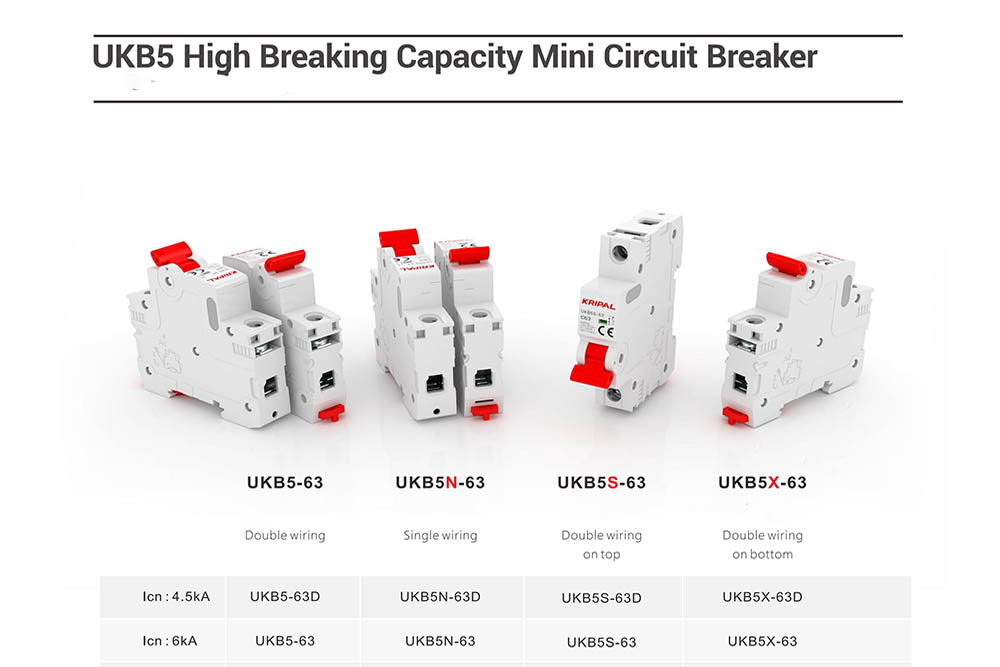
KRIPAL UKB5 Series: Breaking Capacity Selection Guide
| Breaking Capacity (Icn) | Common Application | Recommended Environment | Compliance Standard |
| 4.5kA | Standard Residential | Basic lighting and power circuits in small apartments. | IEC 60898-1 |
| 6kA (Most Popular) | Modern Residential / Commercial | Office buildings, retail shops, and high-standard housing. | IEC 60898-1 / SEMKO |
| 10kA (High Performance) | Light Industrial / Heavy Load | Areas near power transformers, data centers, and small factories. | IEC 60898-1 / CE |
One Series, Total Protection: The Versatility of UKB5
The KRIPAL UKB5 series is engineered to be the ultimate modular solution for low-voltage distribution. By offering 4.5kA, 6kA, and 10kA breaking capacities within the same compact 18mm module width, KRIPAL allows engineers to standardize their panel designs while tailoring protection levels to specific short-circuit risks.
Whether you are managing a budget-sensitive residential project requiring 4.5kA or a high-demand commercial site needing the robust 10kA impact resistance, the UKB5 series maintains consistent installation dimensions and CE/SEMKO certified reliability.
Conclusion
Choosing whether a 10kA miniature circuit breaker is needed depends on the load, short-circuit risk, and safety requirements of your electrical system. By evaluating your system’s needs and following the relevant standards, you can make the best choice to ensure the safe and stable operation of your electrical system.
KRIPAL offers a variety of high-quality miniature circuit breakers. Feel free to visit our website to explore our selection.
FAQs
Q What is a 10kA miniature circuit breaker?
A: A 10kA miniature circuit breaker is a protection device that can disconnect a maximum of 10kA during a short-circuit, safeguarding the electrical system.
Q Do I need a 10kA miniature circuit breaker?
A: You need a 10kA breaker for high-load or high-risk systems, like industrial or large commercial buildings. Smaller residential systems typically don’t require it.
Q What does KA rating mean?
A: The KA rating indicates the maximum short-circuit current a breaker can withstand, measured in kiloamperes. A 10kA breaker handles up to 10kA.
Q What are the applications of a 10kA miniature circuit breaker?
A: 10kA MCBs are used in industrial facilities, commercial buildings, large residences, and data centers to protect high-load or high-risk systems.
Q What types of 10kA miniature circuit breakers are there?
A: Types include C, B, D, double-pole, and four-pole, each for different load and system configurations.