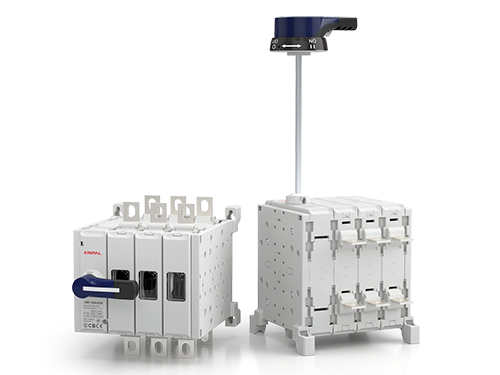
Which KRIPAL UKP AC switch disconnector should I choose?
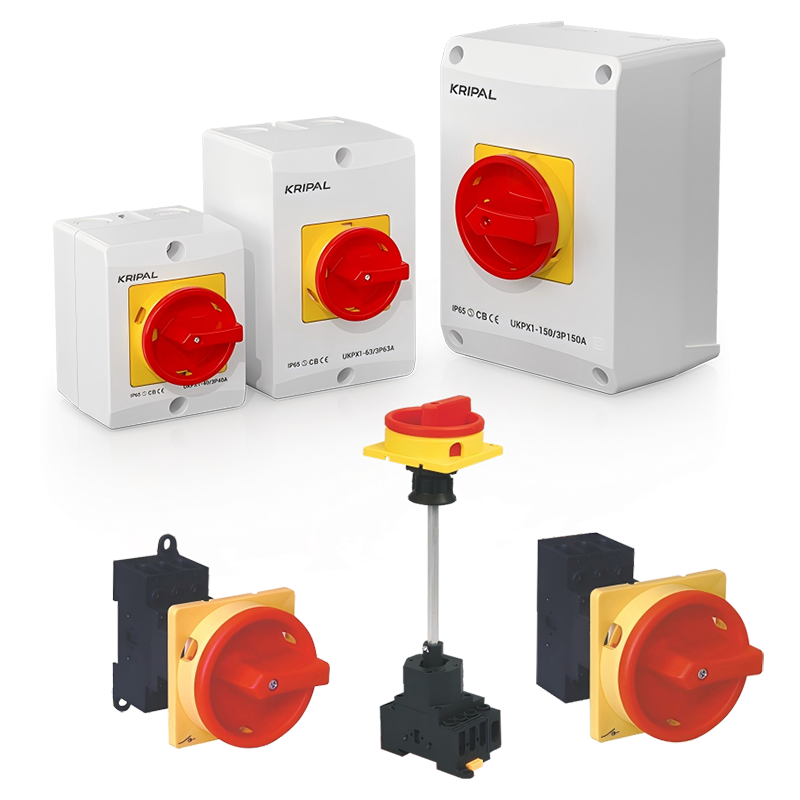
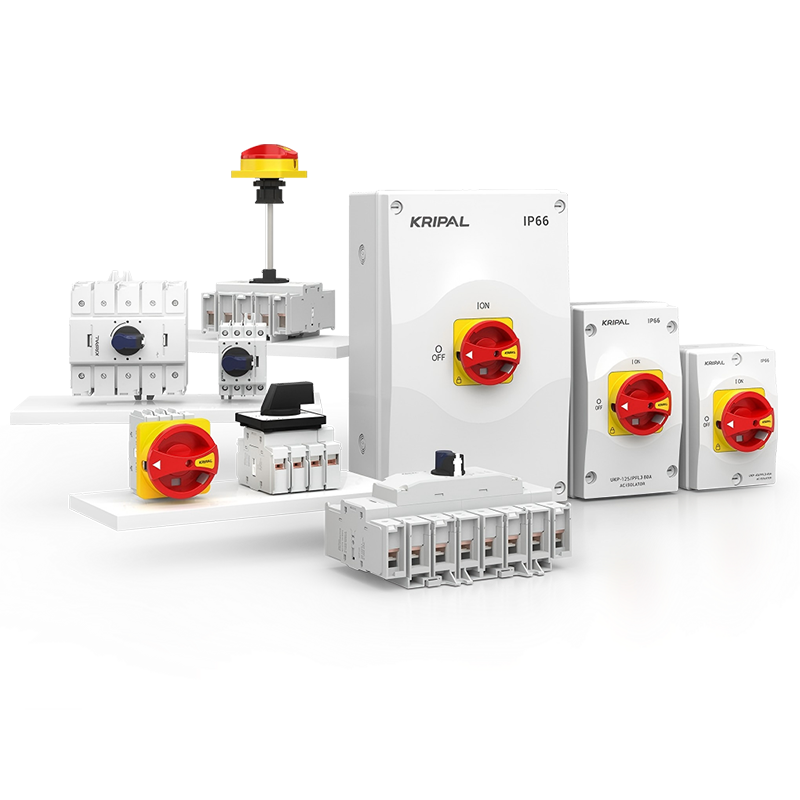
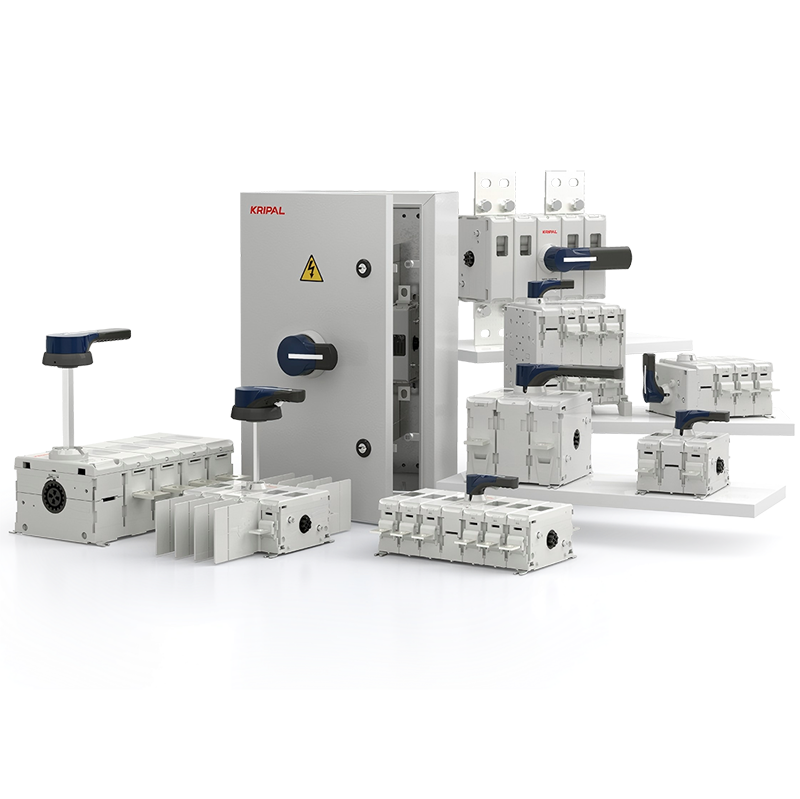
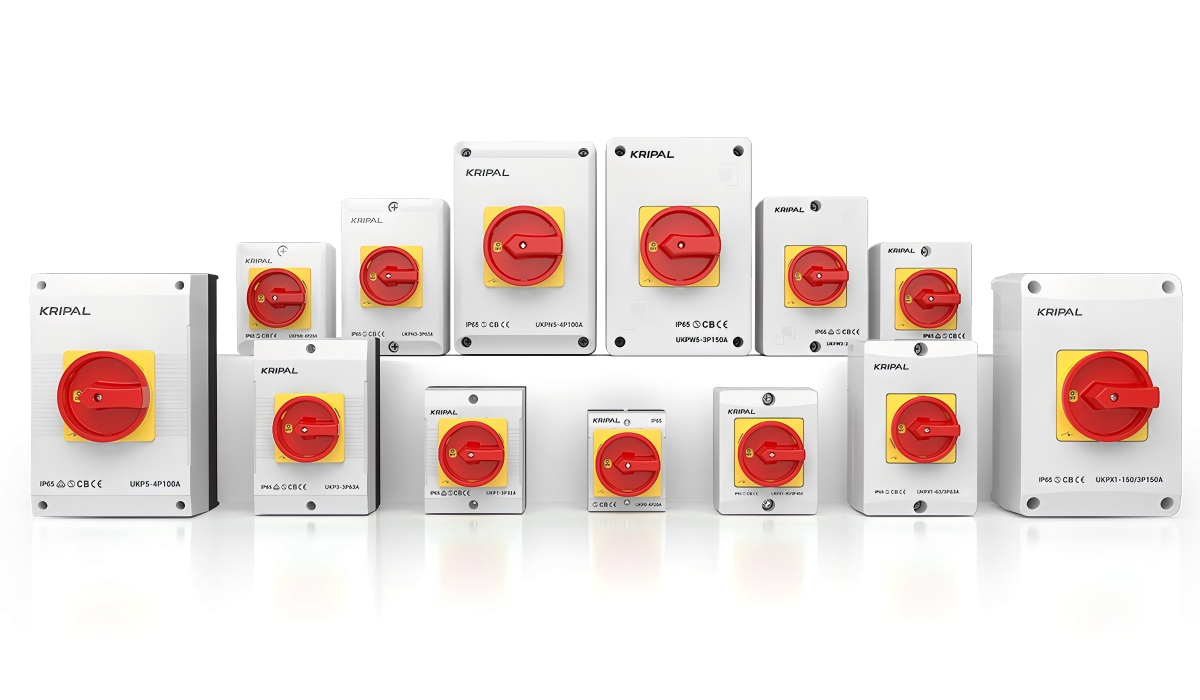
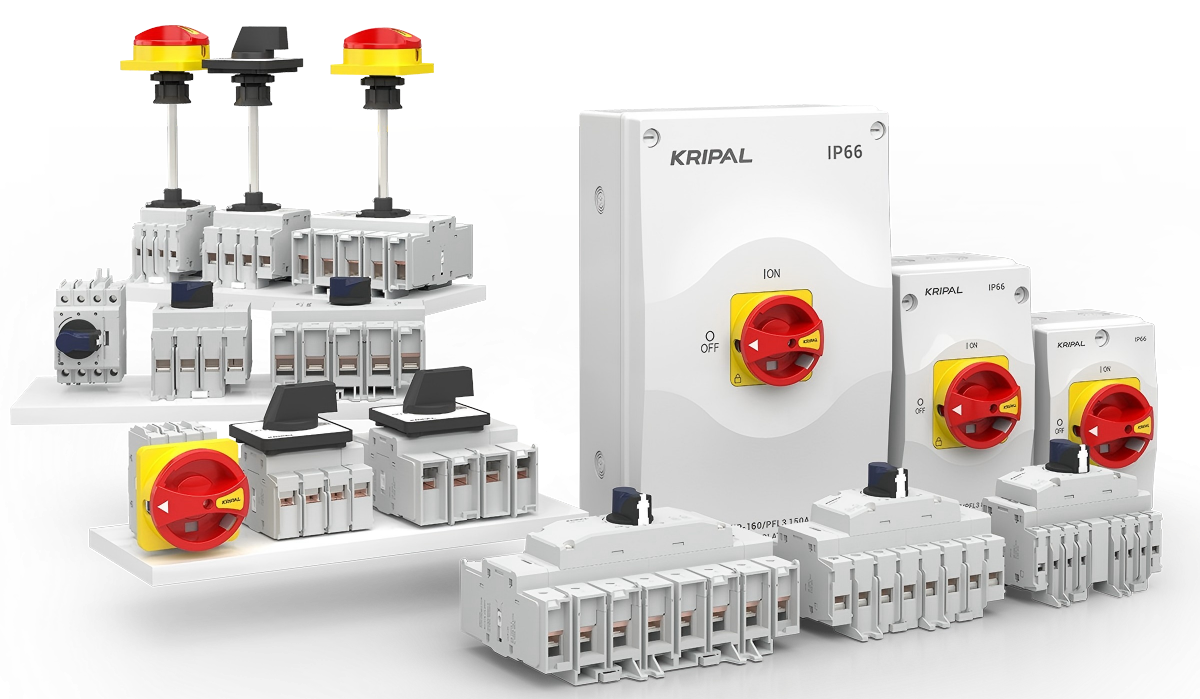
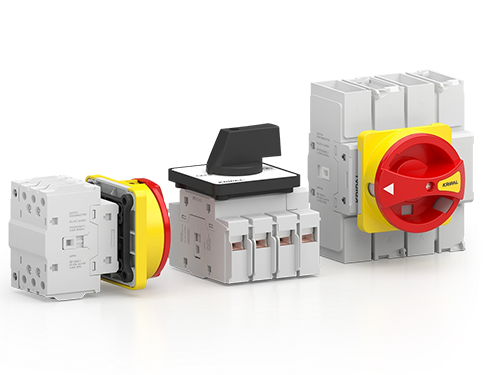
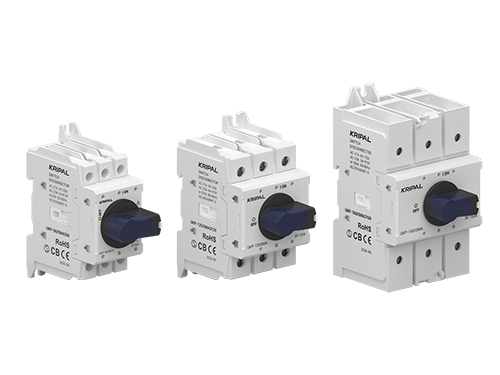
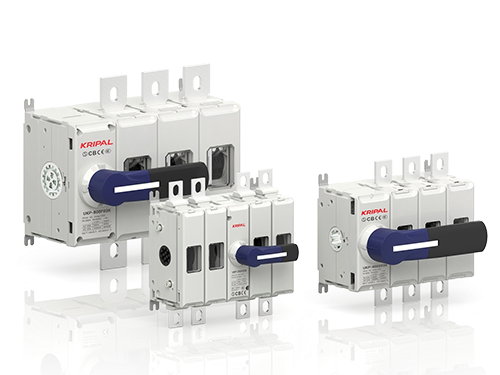
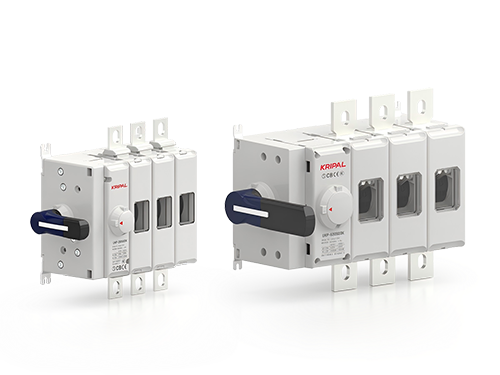
Choose based on current and application: UKP 10–150A or UKP-50/125/160 for currents up to 160A in panels, HVAC, or OEM equipment; UKP 250–1600A for main distribution panels or MCCs requiring load-break operation above 125A. The UKP-50/125/160 series is the upgraded, more compact version of the UKP 10–150A range.
Can UKP switch disconnectors be operated under load?
This depends on the series. The UKP 250–1600A series is rated for load-break operation. The UKP 10–150A and UKP-50/125/160 series must not be operated under load — they require the circuit to be de-energized by an upstream breaker or contactor first.
How many poles do I need?
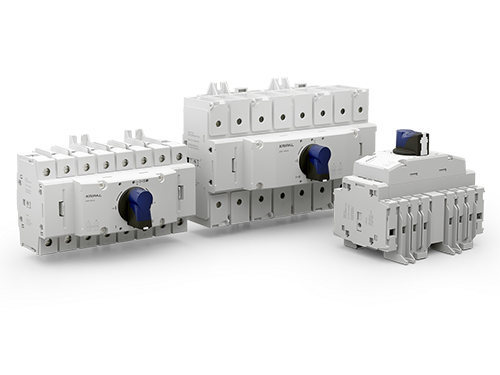
Single-phase circuits typically need 2P, three-phase circuits typically need 3P or 4P (with neutral), and combined/dual-circuit applications may need 6P or 8P.
What does IP65 vs IP66 vs IP67 mean for enclosed isolators?
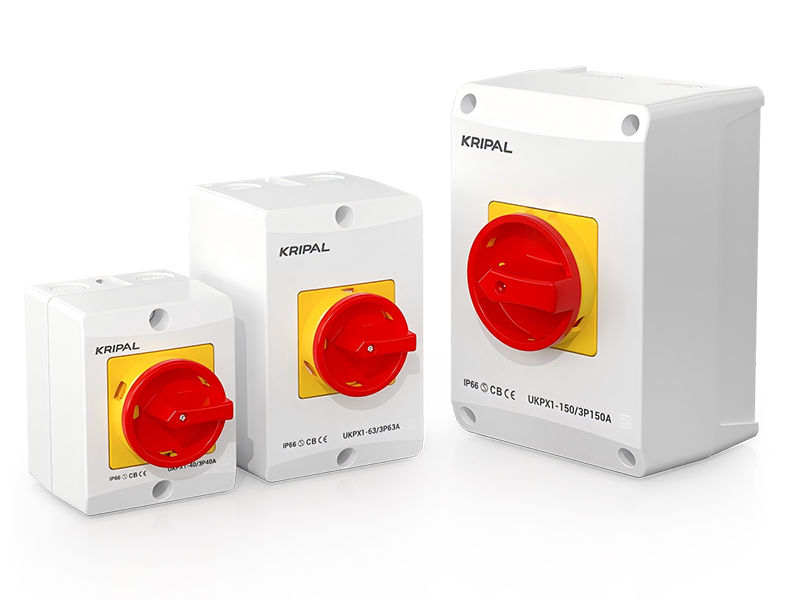
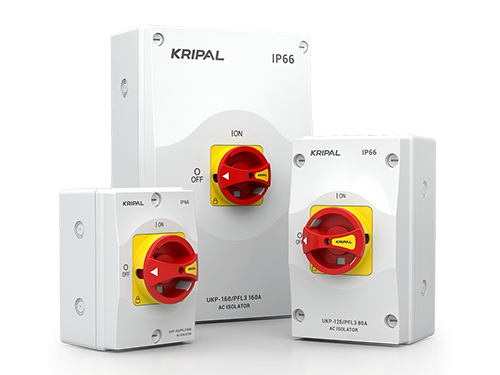
IP65 protects against dust ingress and low-pressure water jets; IP66 adds protection against powerful water jets; IP67 adds protection against temporary immersion. The UKP-50/125/160PFL series covers this full range (IP64–IP67), while the UKP 10–150A enclosed version is rated IP65/IP66.
What is the maximum insulation voltage across the UKP range?
UKP 10–150A: 690V. UKP-50/125/160: 800V. UKP 250–1600A: 1000V.
Can I combine a UKP isolator with an MCB or fuse in the same enclosure?
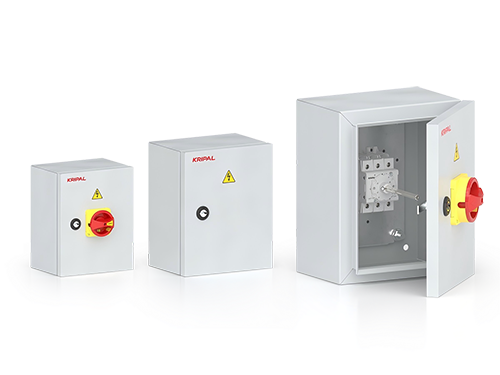
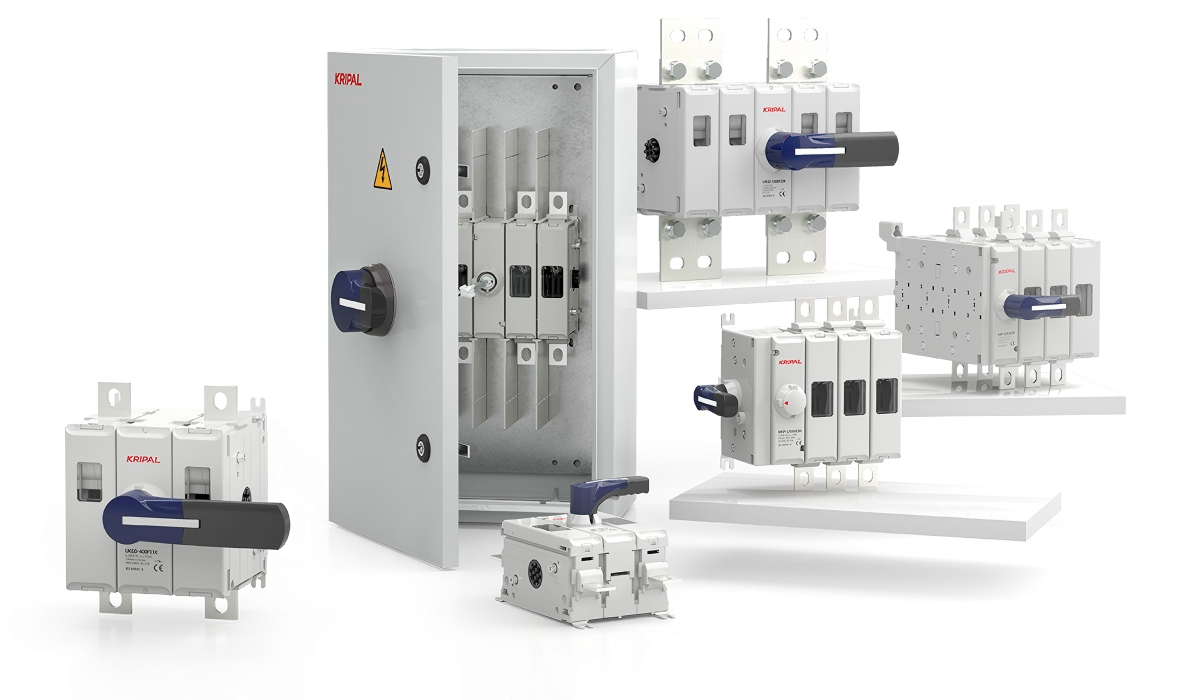
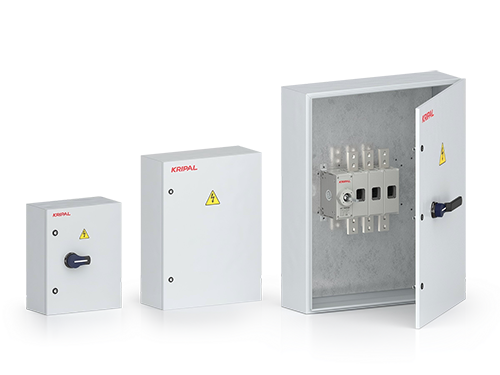
Yes. Several UKP variants, including the enclosed metal box series (UKPS-250 to 1600), are commonly installed alongside downstream MCBs or fuses to combine isolation with short-circuit and overload protection in a single distribution box.
Do UKP switches support lockout-tagout (LOTO)?
Yes. Handles across the range support padlocking in the open position (up to 3 padlocks on the metal-enclosed series), satisfying standard LOTO safety procedures during maintenance.
What is the difference between Base Mount and Busbar Direct Mount?
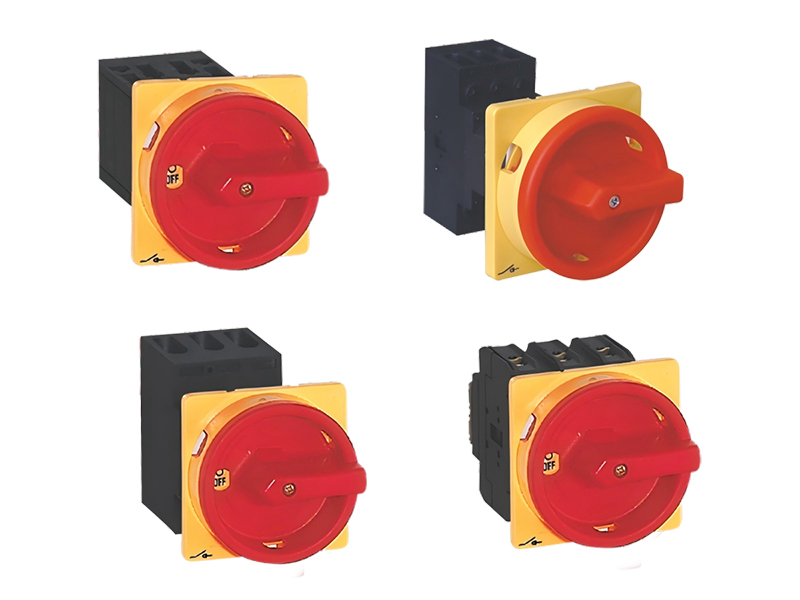
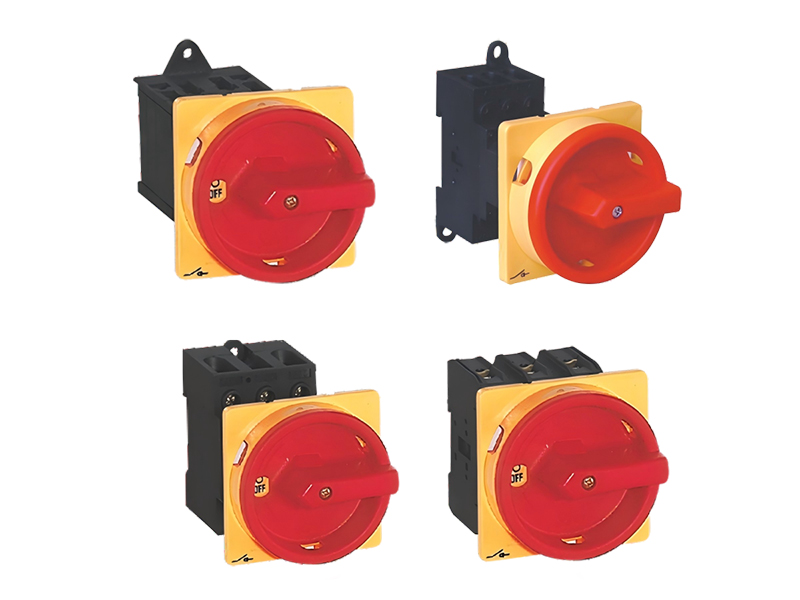
Base Mount bolts the complete switch base directly to a metal mounting plate inside the panel. Busbar Direct Mount uses a removable base with extended bare-copper terminals that stack directly onto the panel's busbars, eliminating the need for transition copper bars — commonly used in high-current circuits.
When should I use an extension shaft?
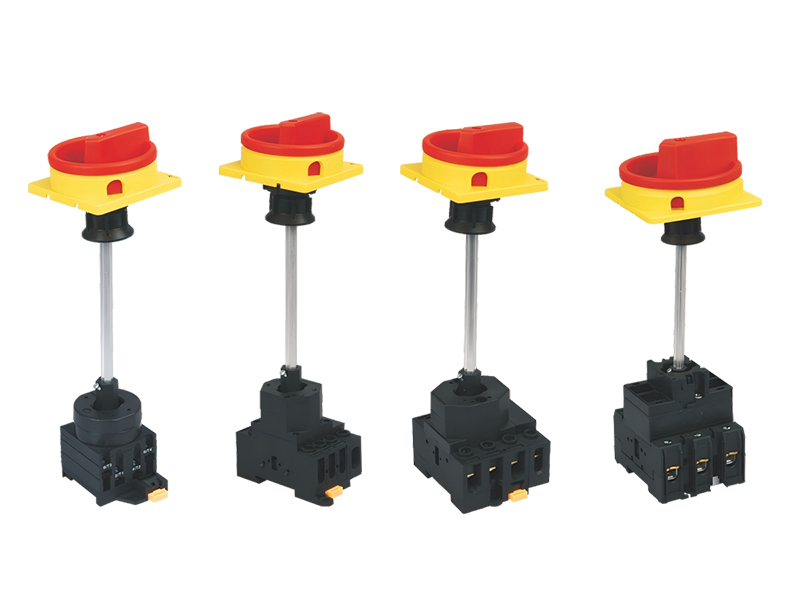
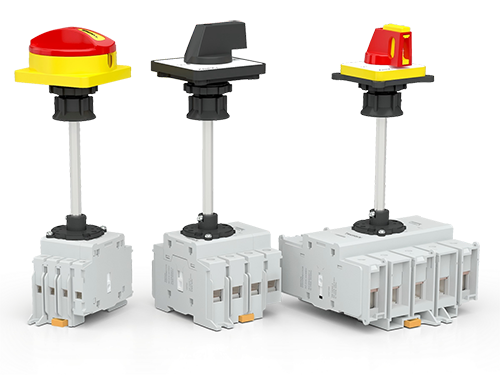
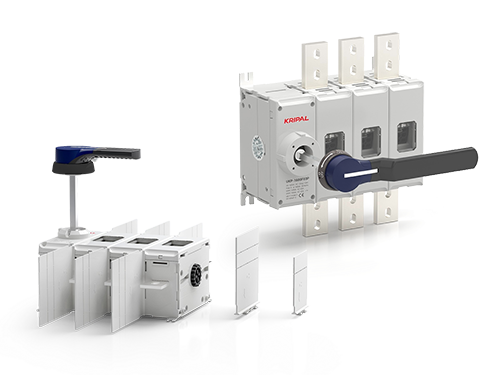
An extension shaft is used when the operating handle needs to be accessible from outside the cabinet door, allowing safe lockable operation without opening the panel.
When should I choose side operation instead of front operation?
Side operation is used when the switch sits too close to the cabinet's back panel for front access, or when multiple switches are densely arranged side by side (as in MCC layouts) and front handles would interfere with each other.
What is a mechanical interlock switch?
Mechanical interlock switch (UKP-50J...S/125J...S/160J...S or UKP-50J...U/125J...U/160J...U) uses a mechanical linkage between two switch-disconnectors to guarantee that two power sources cannot be connected to the same load at the same time, typically used in dual-power or generator/mains changeover applications.
Which certifications do UKP switches hold?
UKP 10–150A and UKP-50/125/160 are certified to CE, CB, UKCA and SEMKO. UKP 250–1600A is certified to CE, CB and SEMKO. Confirm the exact certificate scope for your required model with our technical team.
What standards do UKP metal-enclosed switches comply with?
The UKPS-250 to 1600 metal-enclosed series complies with IEC 60947-1 and IEC 60947-3.
Can KRIPAL supply UKP switches under a private label / OEM brand?
Yes, the full UKP range is manufactured in-house and available for OEM and private-label supply, including custom enclosure branding and packaging.



 Search