Search

Outdoor Weatherproof Socket Outlets for Antarctica New Zealand Scott Base 2.8MW BESS
July 31, 2023
Project Snapshot
Ross Island 2.8MW BESS Outdoor Power Distribution Infrastructure
Scott Base, Ross Island, Antarctica
2023 to 2028
Antarctica New Zealand
Outdoor weatherproof power outlets for BESS auxiliary systems and research equipment

Project Background
Antarctica New Zealand is undertaking the largest infrastructure project in the organization’s history, a complete rebuild of Scott Base on Ross Island. Central to this rebuild is a new 2.8MW Battery Energy Storage System that will dramatically reduce diesel consumption and support the station’s transition toward renewable energy integration.
Located at 77 degrees south latitude, Scott Base experiences average winter temperatures of minus 30 degrees Celsius, wind speeds exceeding 150 kilometers per hour, and complete darkness for four months of the year.
The Weatherproofing Challenge
Outdoor socket outlets in Antarctica face multiple failure modes simultaneously. Snow accumulation covers outlets and melts into water during equipment operation. Wind-driven ice particles abrade surface seals. The extreme temperature differential creates condensation inside outlet enclosures.
| Environmental Challenge | 56SO310 Design Response |
|---|---|
| Continuous snow and ice exposure | IP66 dust tight and water jet protected |
| Extreme cold component stress | Minus 25 to plus 75 degrees Celsius operating range |
| Automatic sealing after plug removal | Patented self-sealing transparent cover snaps shut instantly |
| Abrasion from wind driven ice | Impact resistant ABS housing |
| Corrosion in coastal environment | Brass contacts and corrosion resistant materials |
The Solution
The 56SO310 was specified for all outdoor power distribution points within the BESS installation. Its patented self-sealing transparent cover eliminates the failure mode of manual cover closure in extreme conditions. The transparent cover allows maintenance teams to visually confirm outlet status without breaking the IP66 seal.
Project Timeline
- Phase 1 (2023/24 Antarctic Summer): Site preparation and foundation work.
- Phase 2 (2024/25): BESS container delivery and installation.
- Phase 3 (2025/26): System commissioning and handover.
- Full Operational Handover: Scheduled for 2028.
Related Products
Explore Products >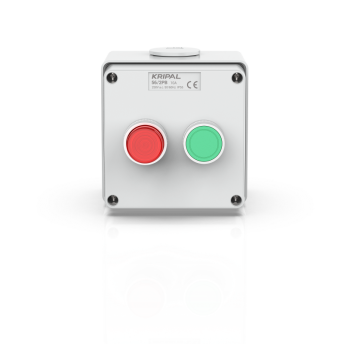


56-2PB Push-button Control Station 10A Start/Stop IP66 Weatherproof Switch
This comprehensive range of industrial button control stations provides reliable motor control solutions for demanding environments.
View Details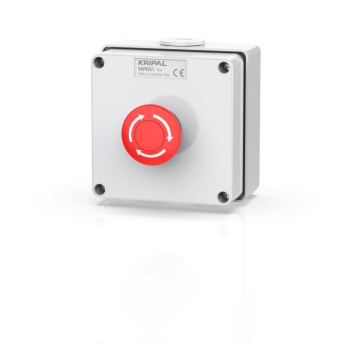
56PS1 Push-button Control Station 10A Emergency stop station with mushroom head IP66 Weatherproof Switch
This comprehensive range of industrial button control stations provides reliable motor control solutions for demanding environments.
View Details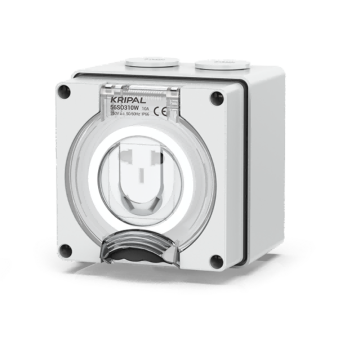
56SO Weatherproof Socket Outlet 250V 10A 3 Flat PIN IP66 Surface Mount
KRIPAL 56SO Series 250-500V Socket Outlets feature a patented transparent hinged cover that automatically snaps shut and locks securely when the plug is withdrawn
View DetailsHow can we assist you?
Tell us a bit more so we can route your request to the right expert.