Search
Knowledge Center
What Are Weatherproof Isolator Switches?
Learn what weatherproof isolator switches are, their IP65/IP66/IP67 ratings, and applications in solar, HVAC & industrial systems. Choose the right AC/DC isolator.
 May 14, 2026
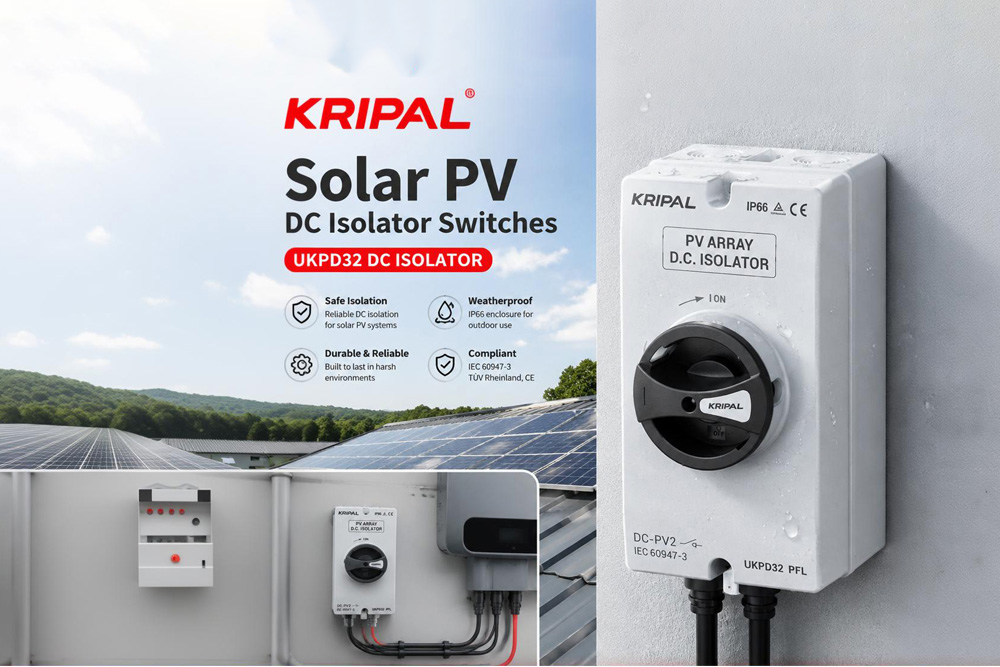
Weatherproof isolator switches are electrical safety devices designed to disconnect power circuits in outdoor or harsh environments. They are typically manufactured using durable thermoplastic or polycarbonate materials and feature sealed enclosures that protect internal components from water, dust, moisture, and corrosion.
These switches are widely used in solar power systems, industrial facilities, HVAC equipment, water treatment plants, and other outdoor electrical installations where reliable power isolation is essential for maintenance and safety.
In this article, we will explain what weatherproof isolator switches are, how they work, their common applications, IP protection ratings, different switch types, and the key factors to consider when choosing the right weatherproof isolator switch.
Key Takeaways
- Weatherproof isolator switches safely disconnect electrical circuits in outdoor and harsh environments.
- They provide protection against water, dust, moisture, and environmental contaminants.
- Common applications include solar systems, industrial equipment, HVAC systems, and marine facilities.
- Selecting the correct IP rating, electrical specifications, and certifications is critical for long-term reliability.
What Is a Weatherproof Isolator Switch?
A weatherproof isolator switch is a manually operated electrical switch designed to completely disconnect power from a circuit while preventing environmental factors such as rain, dust, humidity, and UV exposure from affecting its performance.
Unlike standard indoor isolator switches, weatherproof models are housed in sealed enclosures with specialized gaskets and durable materials.
These features allow them to operate safely in outdoor environments where electrical equipment may be exposed to challenging weather conditions. They are commonly used as safety isolation devices during maintenance, repairs, and emergency shutdown procedures.
How Does a Weatherproof Isolator Switch Work?
A weatherproof isolator switch works by physically separating electrical contacts within a circuit, providing a clear and reliable mechanical indication of isolation. When the switch is turned to the OFF position, the current flow is completely interrupted.
This ensures the circuit is safely disconnected, allowing maintenance personnel to service the equipment without the risk of accidental energization.
The weatherproof enclosure protects the internal switching mechanism from water, dust, and other contaminants, ensuring reliable operation even in harsh environmental conditions. This combination of electrical isolation and environmental protection makes these switches an important component in many outdoor electrical installations.
Common Applications of Weatherproof Isolator Switches
Weatherproof isolator switches are widely used across various industries where electrical equipment operates outdoors or in challenging environments.
Solar Photovoltaic Systems
Solar photovoltaic installations often require reliable isolation points to safely disconnect power during maintenance, troubleshooting, or emergency situations. Weatherproof isolator switches are commonly installed between solar panels and inverters as DC isolator switches, as well as on AC output circuits as AC isolator switches.
Because DC current produces more persistent electrical arcs than AC current, only DC-rated isolator switches should be used between photovoltaic modules and inverters. Using an AC isolator in a DC circuit can create serious safety hazards and may lead to equipment damage or fire.
Since solar equipment is continuously exposed to sunlight, rain, temperature fluctuations, and dust, weatherproof switches provide the necessary protection to ensure safe operation and long service life. Their durable construction helps maintain electrical safety while minimizing downtime in renewable energy systems.
Industrial Manufacturing Equipment
Industrial facilities frequently operate machinery in environments where dust, moisture, vibration, and chemical exposure are present. Weatherproof isolator switches provide a dependable means of disconnecting equipment for maintenance and servicing.
These switches help technicians safely isolate motors, pumps, conveyors, and production equipment before performing repairs. Their rugged design enhances workplace safety and reduces the risk of electrical accidents in demanding manufacturing environments.
Outdoor Power Distribution Systems
Outdoor power distribution networks require reliable switching devices that can withstand changing weather conditions throughout the year. Weatherproof isolator switches are commonly used in electrical panels, utility installations, and outdoor control systems.
Their sealed enclosures protect electrical components from rain, dirt, and airborne contaminants, ensuring stable operation and reducing maintenance requirements. This makes them a critical part of many outdoor electrical infrastructure projects.
Water Treatment Facilities
Water treatment plants operate in environments with high humidity, splashing water, and frequent exposure to corrosive substances. Weatherproof isolator switches help ensure safe electrical isolation for pumps, filtration systems, and control equipment.
The waterproof design prevents moisture ingress that could otherwise damage internal components or create safety hazards. As a result, these switches contribute to reliable plant operation and improved personnel safety.
HVAC Systems
Heating, ventilation, and air conditioning systems often include outdoor condensers, rooftop units, and ventilation equipment that require local isolation switches. Weatherproof isolator switches provide a safe means of disconnecting power during servicing and maintenance activities.
Their ability to resist rain, UV exposure, and temperature extremes makes them particularly suitable for outdoor HVAC installations. Proper isolation improves technician safety and helps meet electrical code requirements.
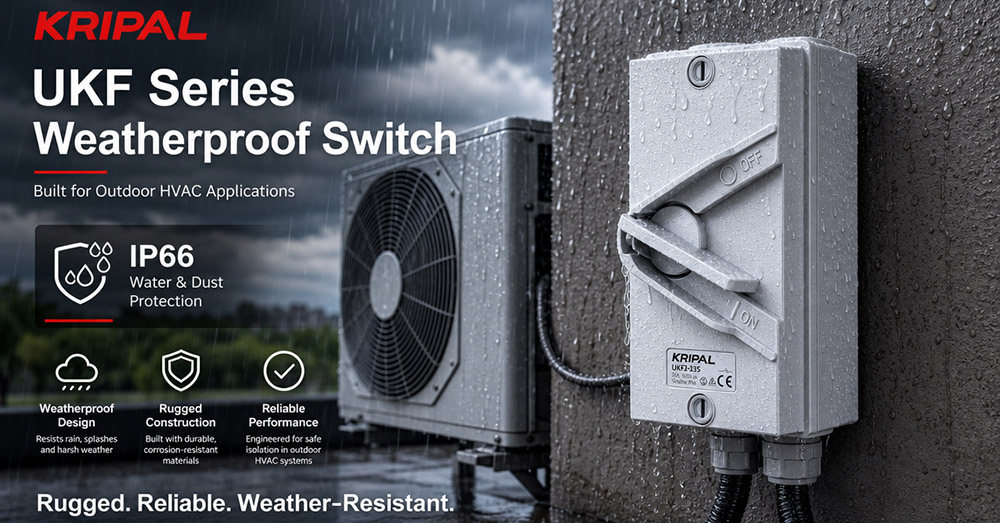
KRIPAL UKF Weatherproof Isolator Series delivers water-resistant, weatherproof phase isolation for HVAC maintenance, ensuring safety code compliance in harsh outdoor environments.
Port and Marine Facilities
Port operations and marine environments present some of the harshest conditions for electrical equipment due to salt spray, humidity, and corrosive atmospheres. Weatherproof isolator switches are commonly used for cranes, dockside power systems, lighting installations, and marine machinery.
The protective enclosure helps prevent corrosion and moisture damage, ensuring dependable operation even in coastal environments. This reliability is essential for maintaining operational efficiency and safety in marine applications.
What Is a Waterproof Rating?
Waterproof ratings help determine how well an electrical enclosure can resist water and dust penetration. Understanding these ratings is essential when selecting a weatherproof isolator switch.
What Is an IP Rating?
IP refers to the International Protection Marking defined by IEC 60529. It classifies the degree of protection provided by an enclosure against the ingress of solid objects and liquids.
The first digit indicates protection against solid particles such as dust, while the second digit indicates protection against water.
A higher IP rating generally means better environmental protection. Understanding IP ratings helps users choose the appropriate switch for specific installation conditions and environmental challenges.
Difference Between IP65, IP66, and IP67
- IP65-rated switches are protected against dust and low-pressure water jets from any direction. They are suitable for many outdoor applications where occasional exposure to rain or cleaning procedures may occur.
- IP66-rated switches provide enhanced protection against powerful water jets and severe weather conditions. They are commonly used in industrial and outdoor environments requiring greater durability.
- IP67-rated switches provide protection against temporary immersion in water under specified conditions and are often selected for installations where accidental flooding or water accumulation may occur.
However, it is important to note that IP67 does not automatically include IP66 protection. IP66 and IP67 are based on different test methods under IEC 60529. For environments exposed to heavy rain, powerful water jets, or washdown procedures, an IP66 or IP66/IP67-rated switch may be more appropriate.
Choosing Between IP65, IP66, and IP67
| IP Rating | Suitable For | Key Environmental Exposure |
| IP65 | General outdoor use | Rain and low-pressure water spray |
| IP66 | Industrial environments, coastal areas, installations exposed to heavy rain or high-pressure cleaning | Heavy rain and high-pressure water jets |
| IP67 | Locations where temporary immersion or water accumulation may occur | Temporary immersion in water |
| IP66 + IP67 (Combined rating) | Highest level of outdoor reliability (preferred by many engineers) | Both high-pressure jets and temporary immersion |
Types of Weatherproof Isolator Switches
Several types of weatherproof isolator switches are available to meet different electrical system requirements.
AC Isolator Switches
AC isolator switches are designed for alternating current systems and are commonly used in commercial buildings, industrial equipment, HVAC systems, and power distribution networks. They provide safe disconnection for maintenance and emergency shutdown procedures.
Their robust construction and weather-resistant enclosures make them suitable for both indoor and outdoor electrical installations requiring dependable isolation.
DC Isolator Switches
DC isolator switches are specifically designed to interrupt direct current circuits, particularly in solar photovoltaic applications. Because DC current behaves differently from AC current, these switches incorporate specialized arc-extinguishing mechanisms.
They are essential components in solar installations and help ensure compliance with electrical safety standards while protecting equipment and maintenance personnel.
Single-Pole Isolator Switches
Single-pole isolator switches disconnect a single conductor within a circuit and are generally used in specific control or switching applications.
For safety isolation purposes, electrical standards and local regulations often require all live conductors to be disconnected simultaneously. Therefore, multi-pole isolator switches are typically preferred for maintenance isolation, photovoltaic systems, and three-phase installations.
Multi-Pole Isolator Switches
Multi-pole isolator switches disconnect multiple conductors simultaneously, ensuring complete circuit isolation. They are commonly used in three-phase industrial systems and larger commercial installations.
Their ability to isolate multiple phases at once improves safety and simplifies maintenance procedures in complex electrical systems.
How to Choose the Right Weatherproof Isolator Switch?
Selecting the correct weatherproof isolator switch requires careful consideration of electrical, environmental, and regulatory requirements.
Voltage and Current Requirements
The switch must be rated for the voltage and current levels of the electrical circuit. Using an undersized switch can result in overheating, premature failure, or safety hazards.Always verify the maximum operating voltage, current capacity, and load characteristics before selecting an isolator switch for a specific application.
Installation Environment
Environmental conditions play a major role in determining the appropriate switch design. Factors such as temperature extremes, humidity, dust exposure, chemical contamination, and UV radiation should all be considered. Choosing a switch designed for the intended environment helps ensure long-term reliability and reduces maintenance costs.
Protection Rating Selection
The required IP rating depends on the installation location and expected environmental exposure. Indoor installations may require lower protection levels, while outdoor and industrial environments often demand higher IP ratings. Selecting an appropriate protection rating helps prevent moisture ingress and environmental damage throughout the product’s service life.
Certification Requirements
Many industries require compliance with specific safety and performance standards. Certifications such as IEC, UL, CE, and other regional approvals indicate that the switch has been tested according to recognized standards. Using certified products helps improve safety, reliability, and regulatory compliance.
Brand and Quality Considerations
Product quality directly affects operational reliability and lifespan. Established manufacturers typically offer better engineering, quality control, and technical support. Investing in a high-quality weatherproof isolator switch can reduce downtime, maintenance expenses, and long-term replacement costs.
Conclusion
Weatherproof isolator switches are essential safety devices for outdoor and harsh-environment electrical installations. By providing reliable circuit isolation and protection against water, dust, and environmental contaminants, they help improve electrical safety, equipment reliability, and operational efficiency.
Selecting the right switch based on electrical ratings, IP protection levels, certifications, and application requirements is critical for long-term performance.
Kripal has many types of waterproof isolation switches, you can choose which one is suitable for you. Welcome to the homepage for consultation.
FAQs
QWhat is the purpose of a weatherproof isolator switch?
A weatherproof isolator switch safely disconnects electrical power while protecting internal components from water, dust, and environmental exposure.
QWhere are weatherproof isolator switches commonly used?
They are commonly used in solar systems, industrial facilities, HVAC equipment, outdoor power distribution systems, and marine applications.
QWhat does IP66 mean?
IP66 indicates a dust-tight enclosure and protection against powerful water jets from any direction, in accordance with IEC 60529.
QWhat is the difference between AC and DC isolator switches?
AC isolators are designed for alternating current systems, while DC isolators are specifically engineered to safely interrupt direct current circuits.
QHow do I choose the correct IP rating?
The appropriate IP rating depends on the installation environment and the level of dust, moisture, and water exposure expected.
Related Resources
Explore Knowledge Center >


Need a matching KRIPAL product?
Share voltage, quantity and destination. An engineer will reply with options and lead time.