Search
Knowledge Center
Difference Between Single Pole and Double Pole RCBO Breakers
Learn the difference between single pole and double pole RCBO breakers. Compare isolation, applications, safety, and how to choose the right RCBO for residential & commercial systems.
 April 29, 2026
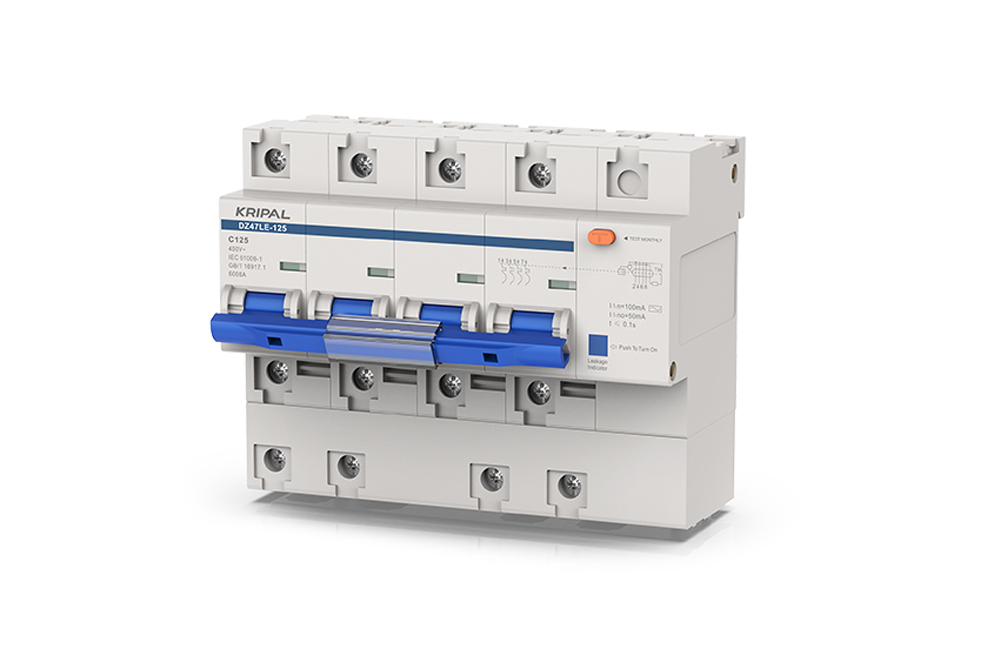
Residual Current Breakers with Overcurrent protection (RCBOs) combine residual current protection and overcurrent protection in a single device. They help protect electrical circuits from electric shock, earth leakage, overloads, and short circuits.
Single pole and double pole RCBO breakers offer similar protection functions, but they differ in the way they disconnect the circuit and in their typical applications. Understanding these differences helps in selecting the right RCBO for different electrical systems.
What Is an RCBO Breaker?
An RCBO (Residual Current Breaker with Overcurrent Protection) is a protective electrical device that combines the functions of an MCB (Miniature Circuit Breaker) and an RCD/RCCB (Residual Current Device) into a single compact unit. It continuously monitors the current flowing through both the live and neutral conductors.
If the device detects an imbalance caused by current leakage to earth, or if an overload or short-circuit fault occurs, the RCBO automatically disconnects the circuit to prevent damage and improve electrical safety.
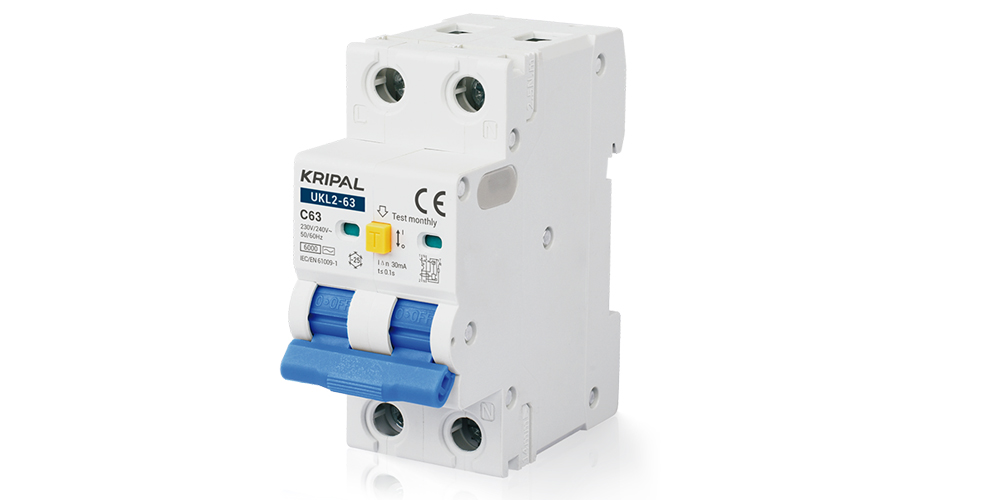
RCBOs provide several important protection functions, including overload protection, short-circuit protection, earth leakage protection, and protection against electric shock. Because they combine multiple protection features within one device, RCBOs are widely used in residential, commercial, and industrial distribution boards.
Many modern electrical installations prefer RCBOs because they provide individual circuit protection, helping to isolate faults without shutting down the entire electrical system.
What Is a Single Pole RCBO?
A single pole RCBO disconnects only the live conductor during a fault condition. The neutral conductor remains connected.
In many electrical systems, especially in some UK and European installations, single pole RCBOs are commonly used because the neutral conductor is bonded to earth at the supply point and is considered close to earth potential.
Main Characteristics of Single Pole RCBOs
Single pole RCBOs are designed to switch and protect only the live conductor, while the neutral conductor remains permanently connected. They feature a compact design and are commonly used in standard residential distribution boards. Compared with double pole models, single pole RCBOs are generally more cost-effective and suitable for many typical household applications.
Typical Applications
Single pole RCBOs are often used for:
- lighting circuits
- socket outlet circuits
- domestic consumer units
- standard single-phase installations
What Is a Double Pole RCBO?
A double pole RCBO disconnects both the live and neutral conductors simultaneously when a fault occurs.
Unlike a single pole device, the neutral conductor is also isolated from the supply. This provides full circuit isolation.
Main Characteristics of Double Pole RCBOs
Double pole RCBOs disconnect both the live and neutral conductors simultaneously when a fault occurs, providing full isolation of the protected circuit. This improves electrical safety and offers additional protection in installations where complete circuit isolation is required.
They are commonly used in TT earthing systems and some commercial or industrial installations where neutral isolation is important for safety and compliance with wiring regulations.
Typical Applications
Double pole RCBOs are commonly used for:
- TT earthing systems
- outdoor installations
- caravan parks
- temporary power systems
- industrial equipment
- areas with higher electrical safety requirements
Single Pole vs Double Pole RCBO Breakers
The main difference between single pole and double pole RCBO breakers is how they isolate the circuit during a fault.
| Feature | Single Pole RCBO | Double Pole RCBO |
| Live conductor protection | Yes | Yes |
| Neutral conductor isolation | No | Yes |
| Number of poles switched | 1 | 2 |
| Circuit isolation | Partial | Full |
| Device size | More compact | Larger |
| Typical cost | Lower | Higher |
| Common application | Residential circuits | TT systems and commercial installations |
Why Are Double Pole Switches Used with Single Pole RCBOs or MCBs?
This is a common point of confusion in electrical installations.
In many consumer units, the protective device may be single pole, while the main switch or isolator is double pole.
The reason is that the RCBO or MCB is designed mainly for fault protection, while the main switch is intended for complete isolation of the installation during maintenance or emergency shutdown.
A double pole main switch disconnects both live and neutral conductors, ensuring the installation is fully isolated from the power supply.
Meanwhile, the single pole RCBO only interrupts the live conductor during overload or earth leakage faults.
This arrangement is widely used in many residential systems because it balances safety, practicality, and cost.
Advantages of Single Pole RCBOs
Single pole RCBOs offer several practical benefits:
Compact Installation
They usually occupy less space inside the distribution board.
Cost-Effective Solution
Single pole devices are generally less expensive than double pole versions.
Suitable for Standard Residential Systems
For many domestic TN earthing systems, single pole protection is commonly accepted and widely used.
Advantages of Double Pole RCBOs
Double pole RCBOs provide additional isolation capability.
Full Circuit Isolation
Both live and neutral conductors are disconnected during a fault.
Improved Safety in Certain Systems
In TT earthing systems or installations with unstable neutral conditions, double pole isolation can provide additional protection.
Better for Outdoor or Harsh Environments
Double pole devices are often preferred in outdoor circuits, temporary installations, and locations where isolation requirements are higher.
Which RCBO Type Should You Choose?
The correct type of RCBO should be selected based on several important factors, including the earthing system, local electrical regulations, installation environment, safety requirements, and the design of the distribution board. Choosing the appropriate RCBO helps ensure reliable circuit protection, proper operation, and compliance with electrical standards.
Single Pole RCBOs Are Commonly Used For:
- standard residential installations
- indoor circuits
- TN earthing systems
- compact consumer units
Double Pole RCBOs Are Commonly Used For:
- TT earthing systems
- outdoor equipment
- commercial installations
- temporary power systems
- installations requiring full isolation
Electrical standards and regulations vary by country, so the final selection should always comply with local wiring requirements.
Conclusion
Both single pole and double pole RCBO breakers provide protection against overloads, short circuits, and earth leakage faults. The main difference lies in whether the neutral conductor is also disconnected during operation.
Single pole RCBOs are widely used in residential electrical systems because they are compact and economical. Double pole RCBOs provide full isolation by disconnecting both live and neutral conductors, making them suitable for installations where additional isolation is preferred or required.
Visit Kripal to explore our range of single pole and double pole RCBO breakers for residential and commercial electrical systems.
If you have any questions or need assistance with RCBO selection, feel free to contact our team.
Related Resources
Explore Knowledge Center >


Need a matching KRIPAL product?
Share voltage, quantity and destination. An engineer will reply with options and lead time.