Search
Knowledge Center
What Is an Electrical Isolator Switch in Power Systems?
Learn what an electrical isolator switch is, its types (single pole, weatherproof), and key role in power systems for safe maintenance.
 January 11, 2026
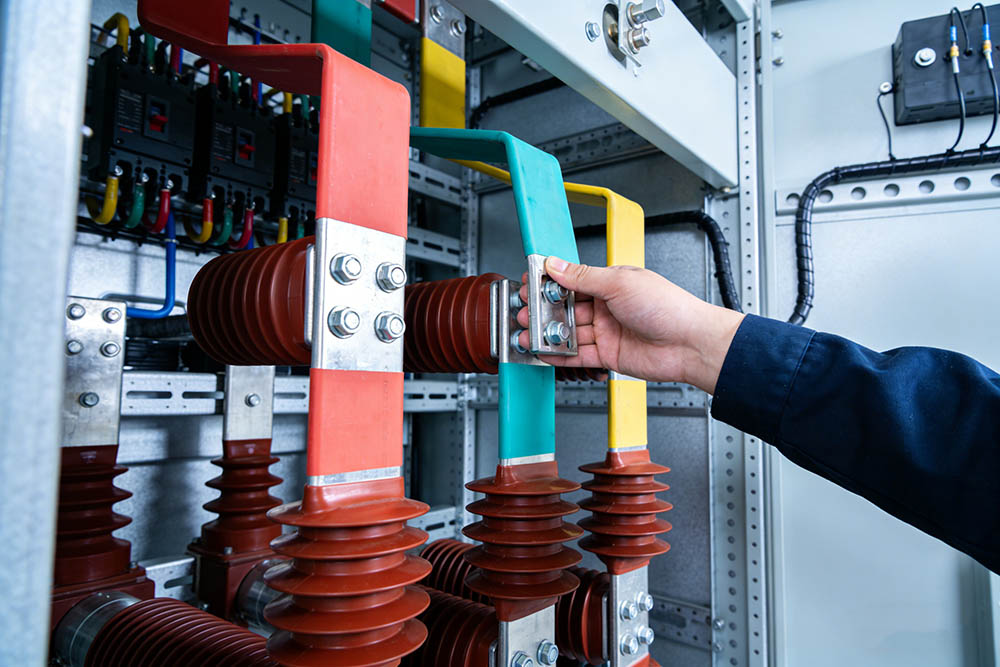
If you work with electrical systems, you have likely come across an isolator switch. It may look simple from the outside, but it serves a very specific purpose in power distribution systems. An electrical isolator switch is designed to disconnect a part of a circuit from the main supply so that maintenance, inspection, or repair can be carried out safely.
Unlike protective devices that automatically trip during faults, isolator switches are operated manually and are used when the circuit is not under load. Their job is straightforward. Create a clear physical break in the circuit so everyone knows the power is off.
KEY TAKEAWAYS
- Function: Provides a clear and physical disconnection between equipment and the power source during maintenance
- Operation: Manually operated and intended to be switched after the load has already been disconnected
- Protection Scope: Does not cut off short circuit or overload current like a circuit breaker
- Configurations: Offered in single phase, double pole, three phase, and four pole options
- Applications: Commonly installed in industrial plants, commercial buildings, residential systems, and outdoor setups
- Environment Options: Available in weatherproof enclosures to handle dust, rain, and outdoor conditions
Kripal manufactures weatherproof isolator switches for outdoor and industrial applications, providing reliable isolation even in demanding conditions.
What Is an Electrical Isolator Switch
An electrical isolator switch is a mechanical switching device that ensures complete disconnection of a circuit from its power source. It is usually installed between the power supply and electrical equipment such as motors, distribution boards, HVAC units, or solar inverters.
When switched to the OFF position, the internal contacts separate and create a visible air gap. This visible separation gives technicians confidence that the downstream equipment is no longer energized.
Isolator switches are typically used after a circuit breaker has already interrupted the load. They are not designed to interrupt heavy current or short circuit faults.
How Does an Isolator Switch Work
The working principle is simple and mechanical.
Inside the isolator are conductive contacts connected to an external handle. When the handle is turned ON, the contacts close and allow current to flow through the circuit.
When turned OFF:
- The contacts physically separate
- The conductive path is broken
- A visible gap appears between contacts
- Equipment downstream is electrically isolated
Because the separation is physical and visible, it provides clear confirmation of isolation. In higher voltage systems, isolators are sometimes used together with earthing switches to ground the isolated section.
Types of Electrical Isolator Switches
Isolator switches are available in various configurations depending on system requirements.
Based on Number of Poles
- Single Pole Isolator: Used in single-phase systems where only one conductor needs to be disconnected.
- Double Pole Isolator: Disconnects both live and neutral conductors. Common in residential and light commercial setups.
- Three Pole Isolator: Used in three-phase industrial systems to disconnect all three phases simultaneously.
- Four Pole Isolator: Disconnects three phases and neutral. Frequently used in commercial and industrial distribution panels.
Based on Installation Environment
Indoor Isolator Switches
Indoor isolator switches are installed inside control panels, switchboards, or electrical rooms where they are protected from dust, moisture, and direct sunlight. These switches are suitable for commercial buildings, factories, and other controlled environments. They provide reliable isolation while allowing easy access for maintenance and system adjustments.
Outdoor or Weatherproof Isolator Switches
Outdoor or Weatherproof Isolator Switches Outdoor isolator switches feature sealed enclosures with high IP ratings to resist dust, rain, humidity, and UV exposure. Kripal’s weatherproof isolator switches are built for applications such as construction sites, solar power systems, agricultural installations, and industrial yards. The durable enclosures and strong sealing maintain stable operation even in changing weather conditions.
Based on Operation Style
- Rotary handle isolators
- Enclosed switch disconnectors
- Panel mounted isolators
- Surface mounted isolators
Each type is selected based on accessibility, mounting method, and application environment.
Comparison of Isolator Switch Types
| Type | Typical Use | Mounting | Features |
| Rotary Handle Isolators | General purpose switching | Panel or surface mounted | Simple operation, visible handle position, easy to operate manually |
| Enclosed Switch Disconnectors | Industrial or outdoor applications | Wall or surface mounted | Fully enclosed for safety, protects internal contacts from dust and moisture |
| Panel Mounted Isolators | Control panels and switchboards | Panel cutout | Compact design, easy integration into control systems, accessible for maintenance |
Applications of Electrical Isolator Switches
Isolator switches are widely used across different sectors. Their function is consistent. Provide safe disconnection before maintenance.
Industrial Plants
Machinery requires periodic servicing. Installing an isolator near equipment allows maintenance teams to disconnect power locally without shutting down the entire facility.
Commercial Buildings
In large buildings, isolators are used for HVAC systems, elevators, and lighting circuits so specific sections can be serviced independently.
Residential Installations
Double pole isolators are commonly used for appliances such as water heaters and air conditioning units.
Solar Power Systems
Solar installations often require DC isolators between panels and inverters. These allow safe maintenance of photovoltaic systems.
Utility and Distribution Systems
In substations, isolators separate parts of the grid for inspection and repair after breakers have de-energized the system. Outdoor installations often demand weather resistant enclosures. This is where high IP rated models, like those offered by Kripal, become particularly suitable.
Isolator Switch vs Circuit Breaker
Many people confuse isolators with circuit breakers. While both disconnect circuits, their purposes differ.
| Feature | Isolator Switch | Circuit Breaker |
| Interrupts Fault Current | No | Yes |
| Operated Under Load | No | Yes |
| Provides Visible Gap | Yes | Not Always |
| Main Function | Maintenance Isolation | Overload and Short Circuit Protection |
A circuit breaker automatically disconnects power during faults. An isolator provides manual, visible disconnection for maintenance.In most installations, both devices are used together. The breaker trips first, and the isolator secures the circuit for service work.
Factors to Consider When Choosing an Isolator Switch
Selecting the right isolator depends on several technical factors:
- Rated voltage and current
- Number of poles required
- Type of load
- Installation environment
- IP protection rating
- Locking capability for maintenance safety
For outdoor and industrial projects, weatherproof isolators with strong sealing and impact resistant housings are often preferred.
Kripal offers outdoor isolator switches built to operate reliably in dusty, wet, and variable temperature conditions. These products are widely used by contractors and equipment manufacturers who need reliable isolation in real world conditions.
Installation and Maintenance Tips
To ensure reliable operation:
- Install the isolator in an accessible location
- Clearly label ON and OFF positions
- Ensure the circuit is de-energized before operating
- Perform periodic inspection for corrosion or loose connections
- Use lockout procedures during maintenance
Proper installation helps extend service life and maintain safe operation.
Reliable Power Isolation with Indoor and Outdoor Switches
An electrical isolator switch provides a straightforward and dependable way to disconnect power for maintenance and inspection. It does not replace circuit protection devices, but it complements them by offering visible and secure isolation.
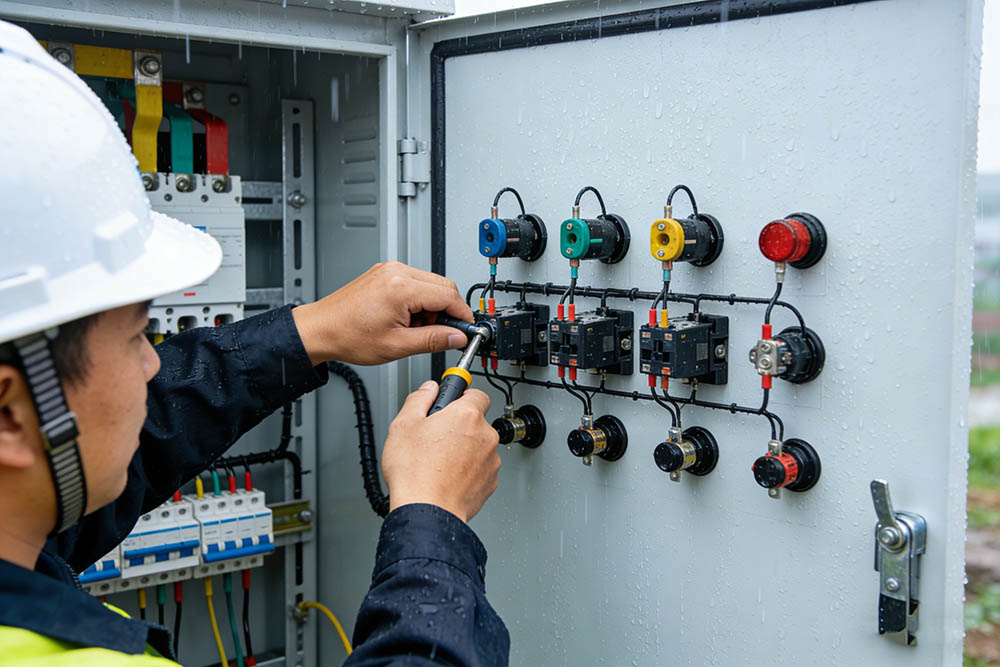
From residential wiring to industrial plants and solar power systems, isolators are widely used wherever equipment needs safe servicing.
For projects that require reliable outdoor performance, Kripal offers weatherproof isolator switches designed for demanding environments. As an experienced isolator switch supplier, Kripal provides solutions suitable for industrial, commercial, and renewable energy applications. For expert advice and to find the right products for your application, contact our professional team.
Related Resources
Explore Knowledge Center >


Need a matching KRIPAL product?
Share voltage, quantity and destination. An engineer will reply with options and lead time.