Search
Knowledge Center
What Are the Different Types of Overload Relays and Their Applications?
Explore the different types of overload relays—thermal, magnetic, electronic—and their specific applications in motor protection. Learn how to select the right one.
 January 06, 2026
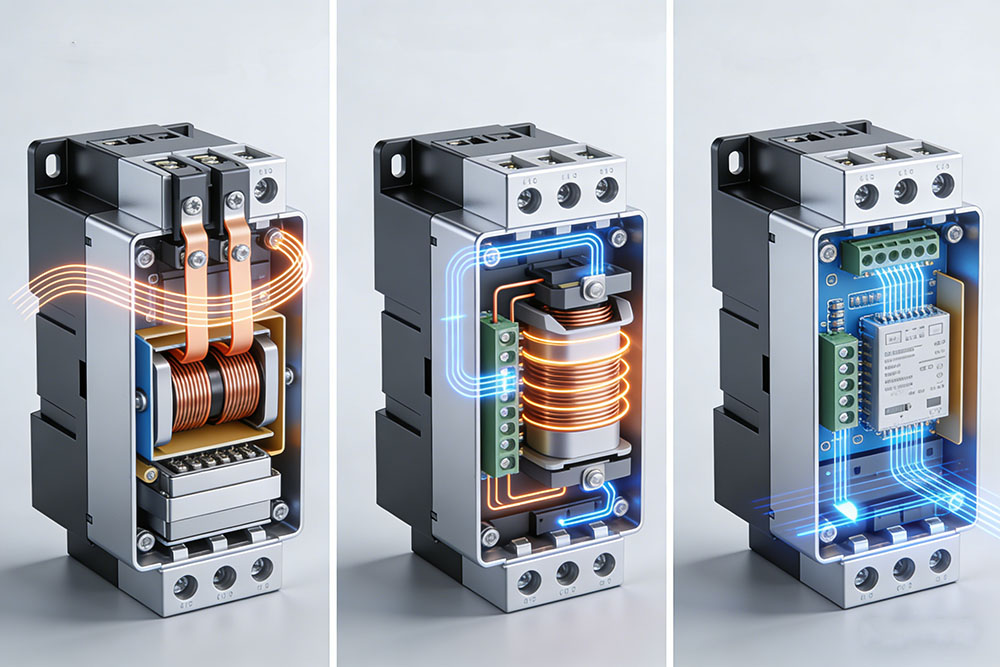
Overload relays protect motors by preventing damage from overcurrent and are widely used in motor control and protection systems. Understanding the types of relays, their working principles, wiring methods, and applications helps make accurate decisions when selecting a relay, improving system efficiency and reducing the risk of equipment failure.
Key Points
- Definition: Overload relays protect motors from overcurrent damage
- Types: Thermal relays, magnetic relays, and electronic relays
- Function: Disconnect the circuit during overcurrent conditions to protect equipment
- Applications: Motors, HVAC systems, and automation control
- Selection: Choose the right relay based on motor load, rated current, and control requirements
This article provides an overview of overload relay types, working principles, applications, selection methods, and common FAQs.
Classification of Overload Relays
Overload relays can be divided into three main types based on their operating principles and application scenarios. Each type differs in structure, response, suitable environment, and cost.
The table below summarizes the main characteristics of thermal, magnetic, and electronic overload relays:
| Type | Thermal Overload Relay | Magnetic Overload Relay | Electronic Overload Relay |
| Working Principle | Uses a bimetallic strip that bends as current flows, opening contacts when the bend reaches a set value | Uses a magnetic field generated by current to move contacts and disconnect power | Monitors current with sensors and triggers protection when the set value is exceeded |
| Application | Standard industrial motor protection, HVAC systems, and automation devices | Systems requiring fast response, such as pumps and fans | High precision automation, motor starting, and high inrush load applications |
| Advantages | Simple structure, low cost, can tolerate short-term overload | Fast response, less affected by temperature | High accuracy, adjustable settings, stable under temperature changes |
| Disadvantages | Performance may be affected by environmental temperature | Limited application range | Higher cost |
Working Principles of Overload Relays
Overload relays protect motors by monitoring current and responding when the load exceeds safe limits. Different types of relays operate in different ways, so understanding their working principles helps in selecting the correct relay for a given system. The following sections describe how thermal, magnetic, and electronic overload relays function.
Thermal Overload Relay
Thermal relays are suitable for systems with stable loads that do not change frequently. They should be selected based on the motor’s full load current to prevent overcurrent damage. Thermal relays are suitable for general industrial environments, but performance may be affected by ambient temperature.
Magnetic Overload Relay
Magnetic relays are used for systems that require fast response, such as pumps, fans, or other high-inertia loads. When selecting a relay, the motor rated current should be considered to ensure the circuit is quickly disconnected during overload. Magnetic relays are less affected by temperature and are suitable for general industrial and fast-switching environments.
Electronic Overload Relay
Electronic relays are suitable for high-precision automation systems, motor starting, and applications with high inrush loads. The set value can be adjusted according to the motor rated current for high accuracy. Electronic relays are suitable for high-temperature, high-humidity, or dusty environments. Choosing relays with higher protection ratings or good sealing ensures long-term stable performance.
Applications of Overload Relays
Overload relays are used in a variety of systems to protect motors and maintain stable operation. Understanding how and where these relays are applied helps ensure proper system performance and reduces the risk of damage. The following sections describe the main application areas for overload relays.
Motor Protection
The most common application of overload relays is in motor control systems. They prevent long-term overload from damaging motors and help extend motor life.
HVAC Systems
In air conditioning, ventilation, and heating equipment, overload relays protect fan motors and compressors, ensuring stable system operation.
Automation Control Systems
In automated equipment and control panels, overload relays monitor load current in real time and prevent system failures caused by overload conditions.
How to Choose the Right Overload Relay
Selecting an overload relay requires considering the motor rated current, load type, and environmental conditions to match the appropriate relay type.
Thermal Overload Relay
Suitable for systems with stable loads. Selection should be based on the motor full load current to prevent overcurrent damage. Thermal relays are suitable for general industrial environments, but ambient temperature may affect performance.
Magnetic Overload Relay
Suitable for systems that need fast response, such as pumps, fans, or other high-inertia loads. Motor rated current should be considered to ensure the circuit disconnects quickly during overload. Less affected by temperature, suitable for general industrial and fast-switching environments.
Electronic Overload Relay
Suitable for high-precision automation, motor starting, and high inrush load applications. The set value can be adjusted according to motor rated current. Suitable for high-temperature, high-humidity, or dusty environments. Higher protection or good sealing ensures stable long-term operation.
FAQ
Can all relays be used interchangeably?
No. Different types of overload relays operate differently and are suitable for different conditions. Choosing the wrong type may lead to inaccurate protection or early equipment failure.
Can a single protective device be relied on alone?
No. Overload relays should be used together with overload protectors, circuit breakers, and other protective devices to ensure complete system protection and avoid damage if one component fails.
Application of Overload Relays in Motor Protection and System Safety
Overload relays help protect motors and support stable operation of electrical systems. Understanding the characteristics and applications of thermal, magnetic, and electronic relays helps select the right relay, preventing equipment damage from overload. Selection should consider motor rated current, load type, and environmental conditions.
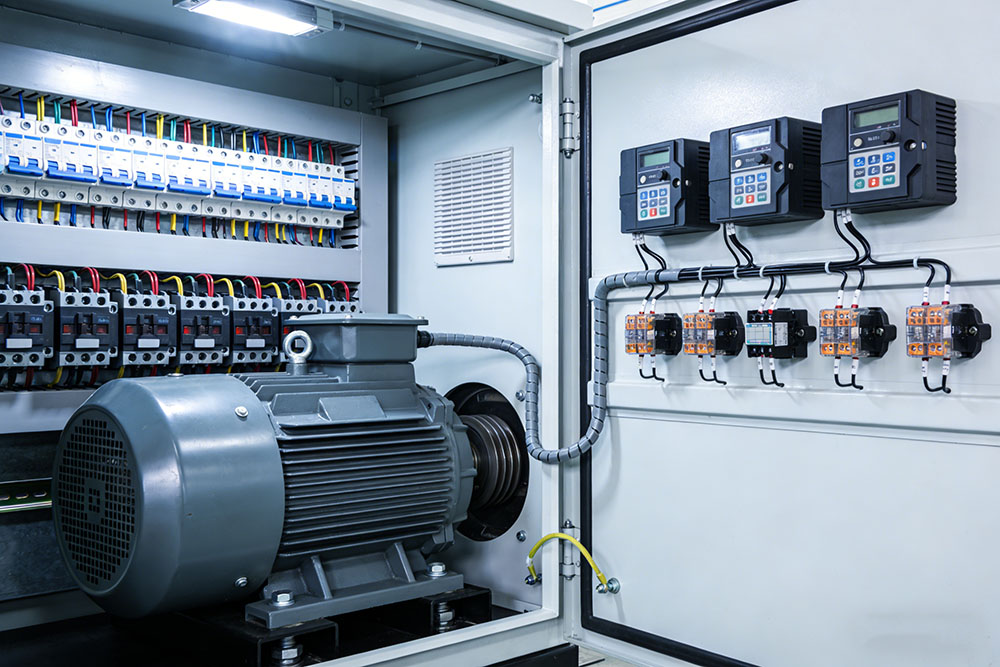
Kripal provides a wide range of high-performance overload relays suitable for motors, HVAC systems, and automation control. Whether for motor start protection or high-frequency load monitoring, Kripal relays provide reliable and stable solutions. For expert advice and to find the right products for your application, contact our professional team.
Related Resources
Explore Knowledge Center >

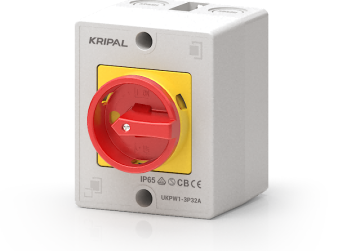
Need a matching KRIPAL product?
Share voltage, quantity and destination. An engineer will reply with options and lead time.