Search
Knowledge Center
How Much Does HVAC Repair or Replacement Cost in 2026?
Discover typical HVAC repair and replacement costs for 2026. Learn what factors influence prices, get cost-saving tips, and decide on new vs. repair.
 January 03, 2026
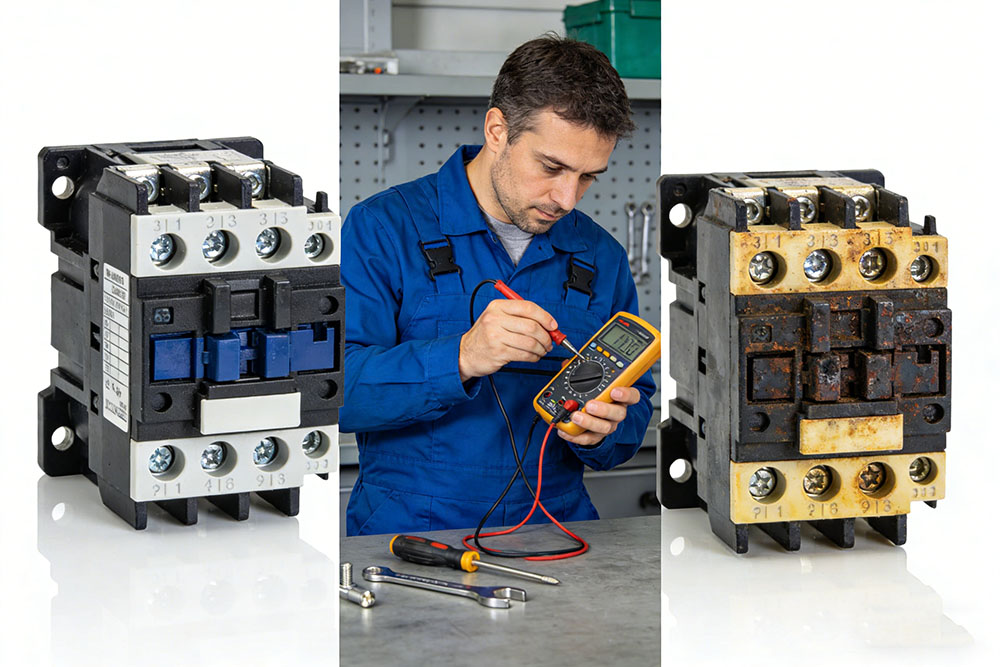
If you are planning HVAC maintenance, repair, or a full system upgrade, cost is usually the first question that comes to mind. In 2026, HVAC pricing continues to shift due to material costs, labor rates, energy efficiency standards, and refrigerant regulations. Whether you are replacing a contactor, repairing a compressor, or installing a new air conditioning system, understanding the cost structure helps you plan better.
KEY TAKEAWAYS
- Repair Range: Minor HVAC repairs can range from low hundreds to over a thousand dollars depending on the component
- Full Replacement: Replacing a complete HVAC system can range from several thousand to significantly higher depending on size and efficiency
- Cost Drivers: Labor rates, refrigerant changes, equipment efficiency, and regional pricing all affect final cost
- Component Impact: Small parts like contactors are affordable individually but can cause major system issues if ignored
- Planning Tip: Regular inspection and timely component replacement can help manage long term expenses
This guide breaks down what influences HVAC repair and replacement costs in 2026 and where smart component choices can make a difference.
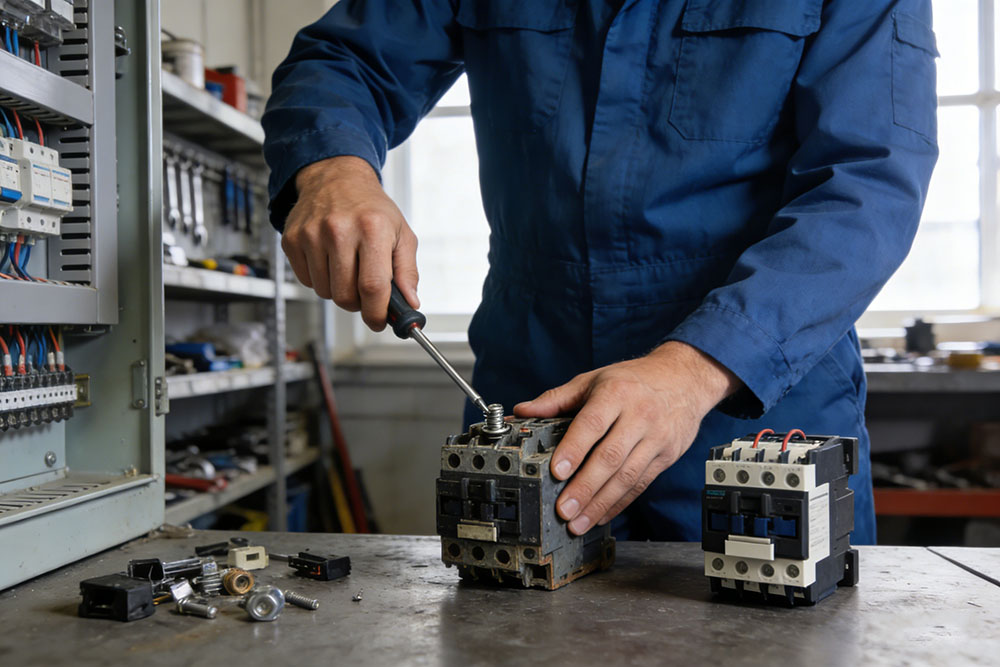
Average HVAC Repair Costs in 2026
HVAC repair costs vary depending on the specific issue. Below are common repair categories and typical price ranges.
Minor Electrical Repairs
These include replacing contactors, capacitors, relays, or small wiring components.
Typical range
- 150 to 500 USD including labor
AC contactor replacement often falls within this category. The part itself is not expensive, but labor and service fees add to the total.
Moderate Component Repairs
These include blower motor replacement, fan motor repair, or thermostat replacement.
Typical range
- 400 to 1200 USD
Costs increase based on equipment type and accessibility.
Major Repairs
Compressor replacement or evaporator coil repairs fall into this group.
Typical range
- 1200 to 3000 USD or more
In many cases, when repair costs approach half the cost of a new system, homeowners and facility managers consider replacement instead.
HVAC System Replacement Cost in 2026
Replacing a full heating and air conditioning system is a larger investment.
Residential HVAC Replacement
Average range
- 6000 to 15000 USD depending on system size and efficiency
Higher efficiency systems with advanced features cost more upfront but may reduce energy expenses over time.
Commercial HVAC Replacement
Commercial systems vary widely depending on tonnage and building size.
Average range
- 15000 USD and up
Installation complexity and duct modifications can significantly influence final cost.
Why HVAC Prices Are Rising in 2026
Several factors contribute to higher HVAC pricing this year.
Refrigerant Regulations
New environmental regulations are phasing in updated refrigerants. Systems compatible with newer refrigerants may carry higher equipment costs.
Material Costs
Copper, steel, and electronic components continue to fluctuate in price. These materials are widely used in compressors, coils, and control devices.
Labor Shortages
Skilled HVAC technicians are in high demand. Increased labor rates affect both repair and installation pricing.
Higher Efficiency Standards
Modern systems often meet stricter efficiency guidelines. Advanced technology and improved components raise production costs.
Cost Comparison: Repair vs Replacement
Here is a simplified comparison to help decision making.
| Situation | Repair Option | Replacement Option |
| Minor electrical issue | Replace small part such as contactor | Not required |
| Aging system over 12 years | Temporary repair possible | Consider upgrade |
| Frequent breakdowns | Costs add up over time | New system may offer better reliability |
| High energy bills | Limited improvement | Modern high efficiency unit may reduce operating cost |
Every case is different. Equipment age, repair history, and operating efficiency should all be reviewed before deciding.
The Role of Small Components in Overall Cost
Sometimes the most affordable parts prevent the most expensive failures.
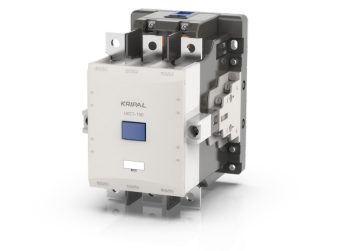
For example, an AC contactor controls power to the compressor. If the contacts wear out and are not replaced, they may cause compressor damage. Compressor replacement can cost thousands of dollars.
Timely replacement of electrical components such as contactors helps maintain system stability and reduces the chance of larger repair bills.
How to Control HVAC Costs
The following are practical steps that can help manage HVAC expenses.
Schedule Regular Maintenance
Regular inspections can detect worn or aging components early and prevent minor issues from becoming major failures. Replacing a contactor or other key parts during maintenance usually costs far less than replacing a compressor or motor after a breakdown. Regular maintenance also reduces system downtime and keeps the equipment running efficiently.
Monitor System Age
HVAC systems that have been in use for 10 to 15 years or more may lose efficiency and experience more frequent failures. Regular assessment of system condition helps determine whether parts need to be replaced or upgraded, preventing extra energy use and repair costs over time.
Choose Reliable Components
Using durable electrical parts and controllers improves switching performance and reduces the frequency of failures and repairs. This extends the service life of the equipment and maintains stable operation and energy efficiency.
Compare Repair Cost to System Value
When repair costs approach a significant portion of replacement cost, consider the long-term benefits of upgrading or replacing the system. Evaluating factors such as equipment lifespan, efficiency, and future maintenance needs can help manage overall HVAC expenses more effectively.
HVAC Contactor Replacement Cost Breakdown
Because contactor issues are common, here is a closer look.
| Item | Estimated Cost Range |
| AC Contactor Part | 20 to 150 USD |
| Labor and Service | 100 to 350 USD |
| Total Replacement | 150 to 500 USD |
The part itself is relatively affordable. The overall cost depends largely on service call and labor rates. Selecting a well built contactor reduces repeated service visits.
Frequently Asked Questions About HVAC Costs
Is it worth repairing an old HVAC system
If the system is under 10 years old and repair cost is reasonable, repair may be a practical choice. Older systems with repeated issues may benefit from replacement.
How long does an HVAC system last
Most residential systems last 12 to 15 years with proper maintenance.
Why are HVAC replacement costs so high
Equipment efficiency upgrades, refrigerant changes, and labor rates all contribute to higher pricing.
Does replacing small parts really help
Yes. Components like contactors, capacitors, and relays control system operation. Replacing them at the right time helps avoid larger failures.
Conclusion
HVAC repair and replacement costs in 2026 depend on system size, efficiency standards, labor rates, and component condition. Minor repairs such as replacing a contactor are relatively affordable, while compressor or full system replacement represents a larger investment.
Regular maintenance and timely replacement of electrical components help keep systems running smoothly and reduce unexpected expenses.
For those sourcing dependable electrical components for HVAC systems, Kripal offers a range of contactors designed for consistent switching and long service life. Whether you are maintaining residential units or commercial installations, for expert advice and to find the right products for your application, contact our professional team.
Related Resources
Explore Knowledge Center >
Need a matching KRIPAL product?
Share voltage, quantity and destination. An engineer will reply with options and lead time.