Search
Knowledge Center
How Long Should an AC Contactor Last?
Discover the typical AC contactor lifespan of 5-10 years. Learn what factors affect it, key signs of wear, and essential maintenance tips to extend its life.
 January 02, 2026
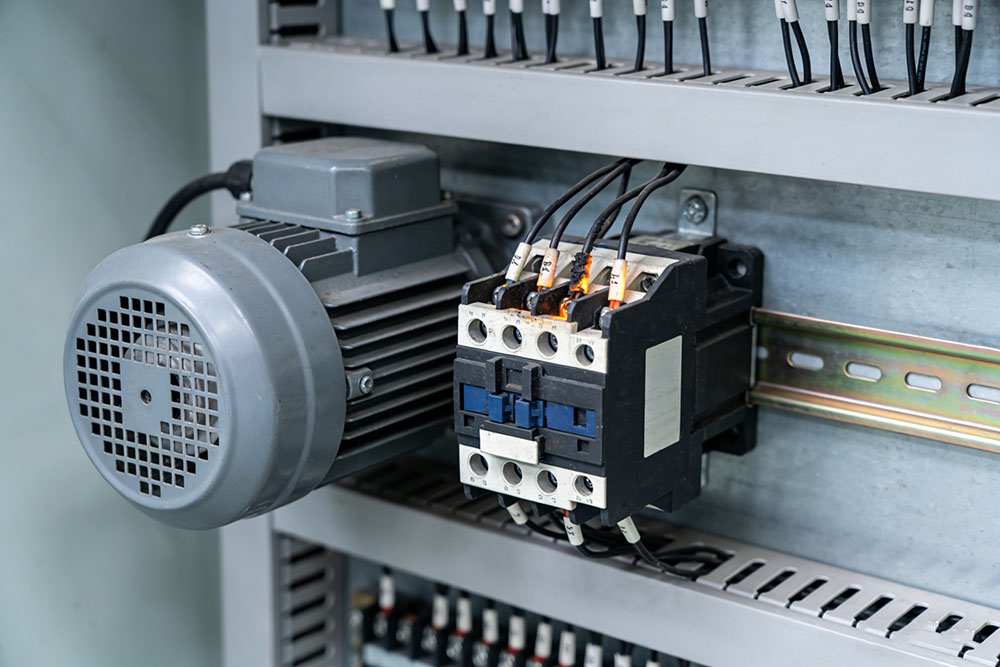
An AC contactor is a commonly used electrical component in motor control panels, HVAC systems, and industrial machinery. It is responsible for controlling the flow of electricity to devices like motors, compressors, and fans by opening or closing the circuit. Like all mechanical and electrical components, contactors have a service life. Understanding this can help with proper maintenance and replacement planning to avoid unexpected failures.
KEY TAKEAWAY:
- Typical lifespan: 5 to 10 years
- Factors affecting lifespan: Load frequency, operating environment, product quality
- Maintenance tips: Regular inspection and cleaning can extend service life
- Failure signs: Slow response, pitting on contacts, or coil failure are common indicators
What Affects the Lifespan of an AC Contactor?
The lifespan of an AC contactor is affected by several factors that act on its mechanical and electrical components and determine how long it can operate reliably. Understanding these factors helps in selecting and maintaining the contactor more effectively. The following sections describe how operating frequency, environmental conditions, load type, and voltage fluctuations can influence the contactor’s lifespan.
Load Frequency
The lifespan of a contactor largely depends on the number of cycles it operates. Each time the contactor opens and closes, the mechanical parts and contacts are subject to wear. Contactors that operate frequently, especially in systems with motors or devices that start and stop regularly, will age faster.
Environmental Conditions
Exposure to high temperatures, humidity, dust, or corrosive gases can significantly shorten the lifespan of a contactor. These environmental factors cause degradation of internal components, including the insulation and contacts. The lifespan of a contactor is much shorter in harsh industrial settings compared to a stable, controlled environment.
Load Type and Current Size
When a contactor is used to control highly inductive loads such as motors, higher inrush currents and electrical arcing may occur at startup. Prolonged exposure to these conditions leads to contact erosion or welding, thereby reducing the contactor’s operational lifespan. Light loads or resistive loads do not create these stresses, and the contactor will last longer under such conditions.
Voltage and Power Fluctuations
Voltage surges, transient over-voltage, and frequent tripping can also cause damage to the coil and contacts. Voltage fluctuations may create electrical stress, resulting in quicker deterioration of the contactor’s components.
Typical Lifespan of an AC Contactor
Under normal operating conditions, the average lifespan of an AC contactor is typically between 5 to 10 years. The actual life expectancy varies depending on the factors listed above:
- For light loads, stable power supply, and favorable environmental conditions, the lifespan may approach or exceed ten years.
- For heavy loads, frequent starts and stops, or harsh environments, the lifespan can be as short as three to five years.
It is important to note that “lifespan” refers to the period before a contactor fails and must be replaced. Equipment may continue to operate beyond this period, but with a higher risk of failure.
Common Symptoms of Contactor Wear
A contactor can show signs of wear before it fails completely. Observing these signs early helps identify potential problems and allows maintenance or replacement to be performed in time. The following symptoms are commonly seen when a contactor is starting to degrade.
Slow Response or No Action
If a contactor’s coil becomes overheated, worn, or its wiring becomes faulty, the contactor may fail to open or close as required. The system will experience delays in circuit activation or deactivation, impacting overall performance.
Pitting or Welding of Contacts
High inrush currents, particularly with motor loads, cause electrical arcing across the contact points. Over time, this leads to pitting or even welding of contacts, which can cause the contactor to malfunction.
Unusual Noise or Heat
If the contactor’s components are degraded, the unit may generate unusual sounds or excessive heat during operation. This could be a sign of internal damage that needs immediate attention.
How to Extend the Lifespan of an AC Contactor
AC contactors are critical components in many electrical systems, and their performance can be affected by usage, load, and environmental conditions. Taking steps to maintain them and reduce stress can help them operate reliably for a longer period. The following methods cover practical approaches for inspection, load matching, environmental protection, and additional devices that support contactor longevity.
Regular Inspection and Cleaning
Routine inspection and cleaning of contactors can help remove dust, corrosion, and other debris from contact points, which reduces the chances of contact failure. Checking for signs of wear regularly and cleaning contact surfaces will prolong the life of the contactor.
Match the Contactor to the Load
Ensure that the contactor is appropriately sized for the load it is controlling. Choosing a contactor with the correct voltage and current rating will reduce the chances of overloading and increase its longevity.
Improve Environmental Conditions
Protect contactors from extreme conditions such as high temperatures, humidity, and dust. Using protective covers or selecting contactors with higher protection ratings ensures that they can withstand harsh environments, improving their performance and lifespan.
Use Additional Protective Devices
Using surge protectors, soft-start devices, and overcurrent protection devices can reduce the stress on contactors, helping extend their lifespan by minimizing power surges and electrical shocks.
When Should You Replace an AC Contactor?
Common signs that indicate it is time to replace a contactor include:
- Significant pitting, wear, or welding of the contact points
- Unresponsive contactor that fails to activate or deactivate the circuit properly
- Excessive heat or noise during operation
- The contactor has exceeded its expected service life of 5 to 10 years
If any of these symptoms are present, it is advisable to replace the contactor to avoid further damage to the system.
Conclusion
AC contactors generally last between 5 to 10 years, though their lifespan can be affected by load frequency, environmental conditions, and the type of system they are used in. Regular maintenance, selecting the appropriate contactor, and protecting the device from environmental damage can significantly extend its service life and improve system reliability.
Kripal offers a wide range of high quality contactors that are suitable for various applications such as lighting control, motor protection, and industrial automation. Whether you need a normally open or normally closed contactor, our products provide reliable performance to keep your electrical systems running smoothly. For guidance and to select the right contactor for your application, contact our professional team.
Related Resources
Explore Knowledge Center >
Need a matching KRIPAL product?
Share voltage, quantity and destination. An engineer will reply with options and lead time.