Search
Knowledge Center
How Does an HVAC Contactor Impact System Performance and Efficiency?
Learn how an HVAC contactor controls power to your compressor & fan, impacting system efficiency. Discover signs of failure, maintenance tips, and more.
 December 30, 2025
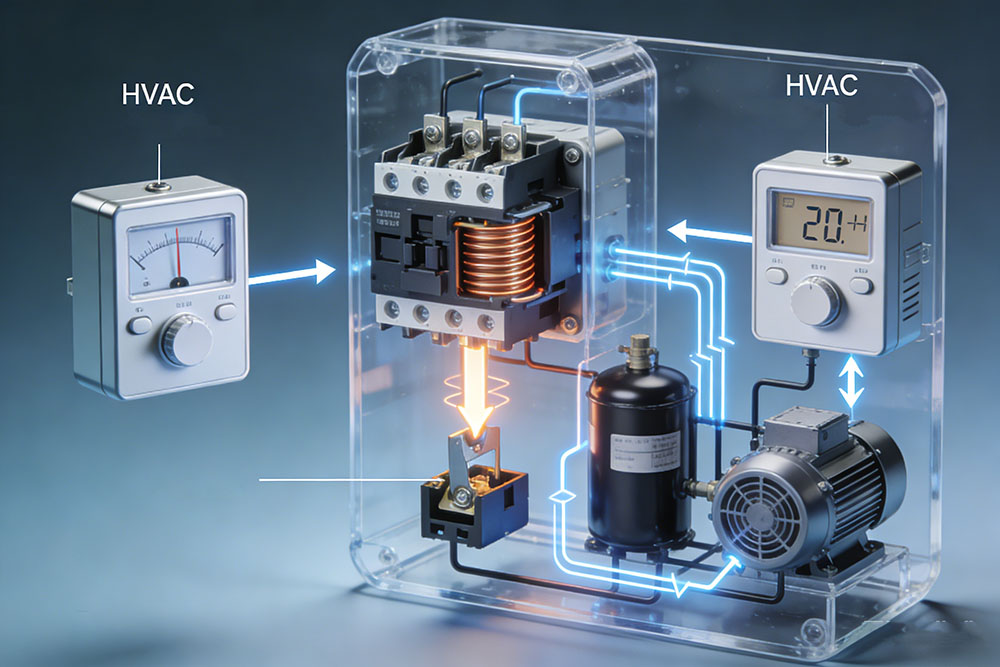
An HVAC contactor is a small electromechanical switch that controls the flow of electricity to key system components like the compressor and fan motors in heating and air conditioning systems. When the thermostat calls for cooling or heating, the contactor activates and completes the circuit to start the system. Without a properly functioning contactor, the HVAC unit won’t operate reliably.
KEY TAKEAWAY:
- Function: Controls power flow to HVAC motors,
- Operation: Responds to thermostat signals to make or break circuits
- Impact: Affects system reliability and energy efficiency
What Is an HVAC Contactor?
An HVAC contactor is an electromechanical switch used in air conditioners, heat pumps, and other HVAC systems to link low-voltage control signals from the thermostat to high-voltage power circuits. It acts like a bridge, allowing large currents required by compressors and fans to flow only when the system needs them.
Primary Components of a Contactor
The key components of a contactor are:
- Coil (electromagnet): Energized by a low-voltage thermostat signal.
- Contacts: Conduct high voltage to the HVAC load when closed.
- Spring mechanism: Opens the contacts when the coil de-energizes.
These parts work together to ensure safe switching of electrical loads.
How an HVAC Contactor Works
An HVAC contactor operates based on a simple electrical principle: it uses a low-voltage control signal to activate a high-current switch.
When cooling or heating is needed, the thermostat sends a low-voltage signal to the contactor. The coil generates a magnetic field that pulls the contact assembly together, completing the high-voltage circuit to the compressor and fan motor, thus powering the HVAC system. Once the thermostat reaches the setpoint, the signal stops, the coil de-energizes, and the contacts open, cutting power to the system. This process repeats every time the system cycles on and off.
Key Functions of an HVAC Contactor
The HVAC contactor plays several roles in the system:
- Power Control: It makes or breaks the electrical connection to major components like the compressor and outdoor fan motor based on signals from the thermostat.
- System Cycling: It automates the start and stop cycles of the HVAC unit, ensuring smooth operation.
- Electrical Safety: The contactor isolates low-voltage control circuits from high-voltage power circuits, reducing the risk of electrical faults.
Signs of a Failing HVAC Contactor
Recognizing early symptoms of contactor failure can prevent system breakdowns and costly repairs:
| Signs | Potential Cause |
| HVAC won’t turn on or off consistently | Worn or stuck contacts |
| Buzzing or humming noises during operation | Coil or contact issues |
| Intermittent cooling or heating cycles | Faulty control signal or contacts |
| Visible pitting or corrosion on the contacts | Electrical damage due to wear |
| Outdoor unit continues running after thermostat turn-off | Sticking contacts or coil failure |
These signs often point to worn contacts, coil issues, or electrical sticking.
HVAC Contactor Lifespan and Maintenance Tips
Typically, HVAC contactors last between 5 to 10 years, depending on usage, operating conditions, and maintenance frequency. Environmental factors such as humidity, dust, and frequent cycling can shorten their lifespan. Regular maintenance is key to ensuring the contactor performs well over time and extends its service life.
Maintenance Tips for Contactors
Routine checks help maintain the contactor’s performance and prolong the system’s lifespan. Here are some key maintenance tasks:
- Inspect the contacts: Check for any burning or wear that could lead to electrical damage.
- Check coil voltage and connections: Ensure the signal is activated correctly to avoid issues with the system.
- Clean debris and corrosion: Keep the contactor clean to maintain optimal electrical conductivity.
- Replace worn-out contactors: If you notice wear or any signs of failure, replace the contactor before it leads to unexpected downtime.
Regular inspection and preventative maintenance will help extend the contactor’s life and reduce the risk of unexpected failures.
Common Misconceptions About Contactors and HVAC Systems
There are some misconceptions about HVAC contactors:
- Contactors Only Break Power: While often thought of as simple power switches, contactors also support system safety and energy management by responding only when needed based on thermostat control.
- A Contactor Works Alone: In reality, contactors must work with other components such as relays, overload protectors, and control boards to ensure stable system performance.
Conclusion
HVAC contactors are core electrical components that control power flow and cycling for compressors and fans in heating and cooling systems. A contactor that makes clean connections and responds reliably to thermostat signals improves overall performance and energy use.
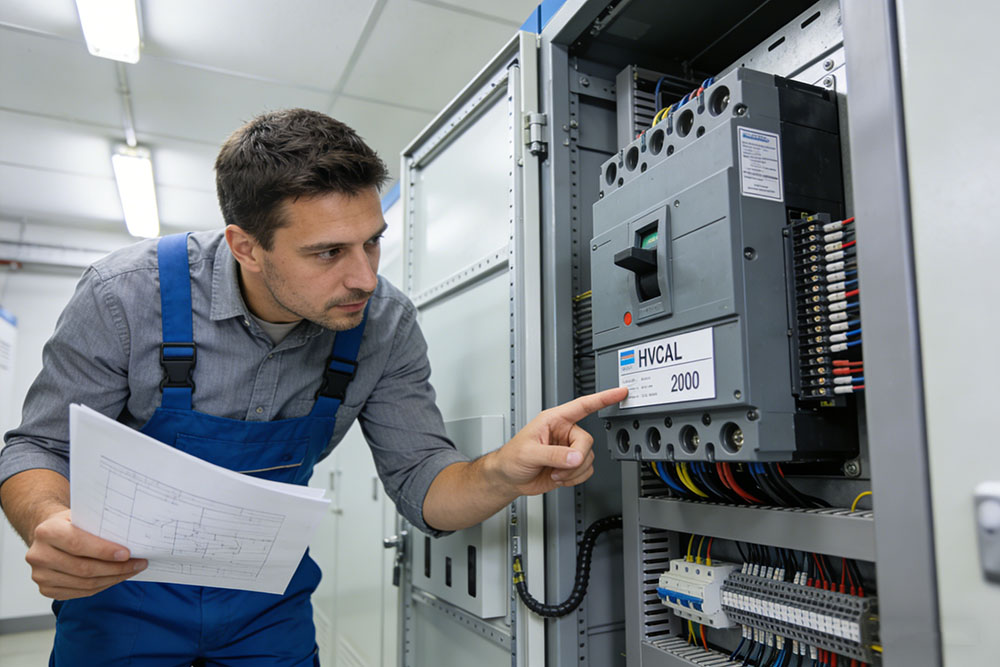
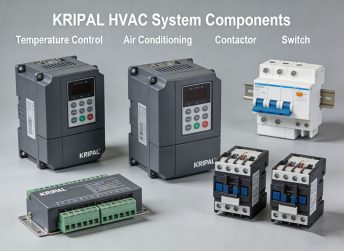
When selecting components for your HVAC system, make sure to choose contactors and electrical controls that meet the specific demands of your application for reliable performance and reduced maintenance. Kripal provides a wide range of high-quality contactors and control products suitable for various loads and environmental conditions. For guidance on choosing the right solutions and integrating them into your system, consult our expert team.
Related Resources
Explore Knowledge Center >
Need a matching KRIPAL product?
Share voltage, quantity and destination. An engineer will reply with options and lead time.