Search
 February 22, 2026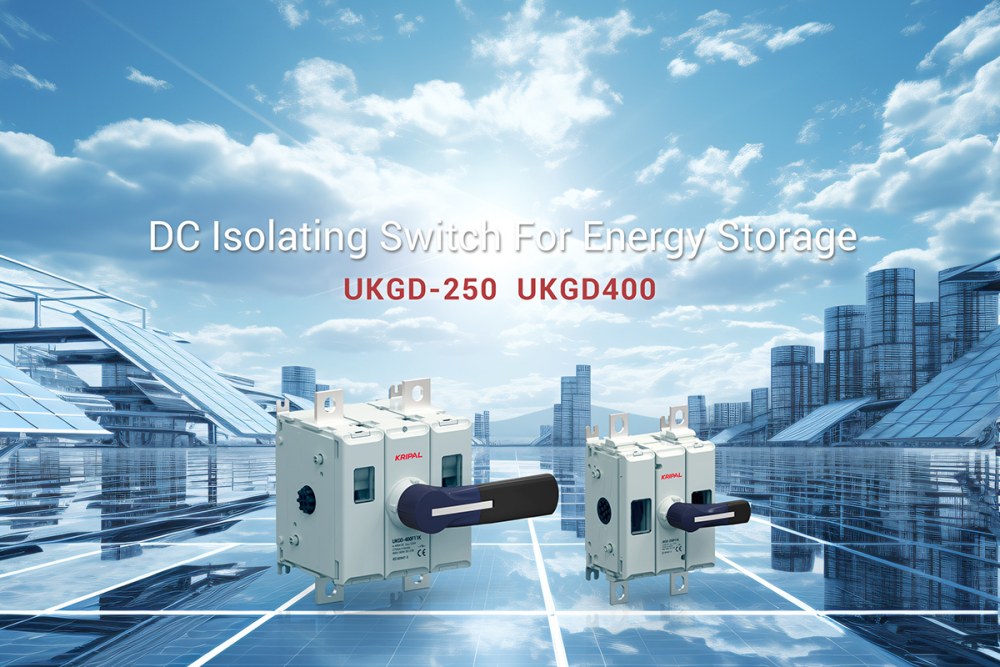
Key Takeaway
Fused and non-fused disconnect switches address different system needs. Fused disconnects combine isolation and protection in a single device, which can be useful in standalone or legacy installations. Non-fused disconnects focus on safe isolation and rely on upstream protection, making them well suited for modern HVAC, industrial, and renewable energy systems. Understanding system architecture, protection strategy, and maintenance expectations helps ensure disconnect switches are applied in a practical and maintainable way.
Disconnect switches are widely used in HVAC, industrial, and renewable energy systems to isolate electrical equipment during maintenance or emergency situations. While fused and non-fused disconnect switches may appear similar, they serve different functions within an electrical system.
Understanding how each type works, where it fits, and how it interacts with upstream protection helps reduce design errors and simplifies long-term operation.
What Is a Disconnect Switch Used For?
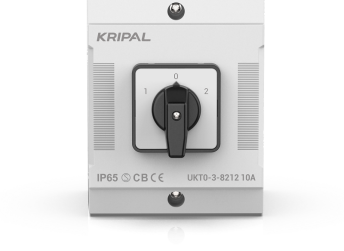
A disconnect switch is a manually operated device designed to separate electrical equipment from its power source. It provides a visible and reliable isolation point, allowing technicians to work on equipment safely after power has been removed.
Disconnect switches are typically installed close to loads such as motors, compressors, HVAC units, pumps, and photovoltaic inverters. This local isolation supports maintenance procedures, lockout practices, and compliance with electrical codes.
Understanding Fused Disconnect Switches
A fused disconnect switch combines isolation and overcurrent protection in a single enclosure. In addition to disconnecting power manually, it contains fuses that open the circuit automatically when abnormal current conditions occur.
This configuration is often seen in older installations or standalone systems where upstream protection is limited. By integrating fuses, the disconnect itself becomes part of the protection scheme.
Where Fused Disconnects Are Commonly Applied
- Standalone motor or compressor installations
- Legacy systems without centralized circuit breakers
- Equipment requiring local branch-circuit protection near the load
While this approach simplifies certain designs, it also introduces fuse replacement, spare inventory, and additional maintenance considerations.
Understanding Non-Fused Disconnect Switches
A non-fused disconnect switch provides mechanical isolation only. It does not include overcurrent protection and depends entirely on upstream protective devices such as circuit breakers or fused distribution panels.
This separation of protection and isolation aligns with modern electrical system design, where protection is coordinated at the distribution level and disconnects focus on safe isolation.
Why Non-Fused Disconnects Are Widely Used Today
- Protection is already provided upstream
- Isolation points are still required near equipment
- Fuse management is reduced
- High-current applications are easier to maintain
Non-fused disconnects are now standard in many commercial HVAC systems, industrial control panels, and renewable energy installations.
A Practical Comparison: Fused vs Non-Fused Disconnect Switch
| Aspect | Fused Disconnect | Non-Fused Disconnect |
| Isolation function | Yes | Yes |
| Overcurrent protection | Integrated fuses | Provided upstream |
| Maintenance effort | Fuse replacement required | Minimal |
| Suitability for high current | Limited | Better suited |
| Typical installations | Legacy or standalone systems | Modern coordinated systems |
How Disconnect Switches Are Applied in HVAC Systems
In HVAC installations, disconnect switches are typically mounted near condensers, compressors, and air handling units. This allows technicians to isolate equipment locally during service, which is often required by codes and manufacturer guidelines.
Smaller or older HVAC systems may still use fused disconnects to provide local protection. In larger commercial or industrial HVAC systems, non-fused disconnects are more common because protection is handled centrally and isolation is the primary requirement at the equipment level.
Selecting the Right Disconnect Type
Rather than treating fused vs non-fused as a component decision, it is better viewed at the system level.
Fused disconnects tend to fit better when:
- Upstream protection is not available or not sufficient
- Local protection is required by equipment specifications
- Retrofitting older electrical systems
Non-fused disconnects tend to fit better when:
- Circuit breakers already provide coordinated protection
- High-current loads make fuse replacement impractical
- Maintenance simplicity and scalability are priorities
This approach reflects how modern electrical systems are designed and operated.
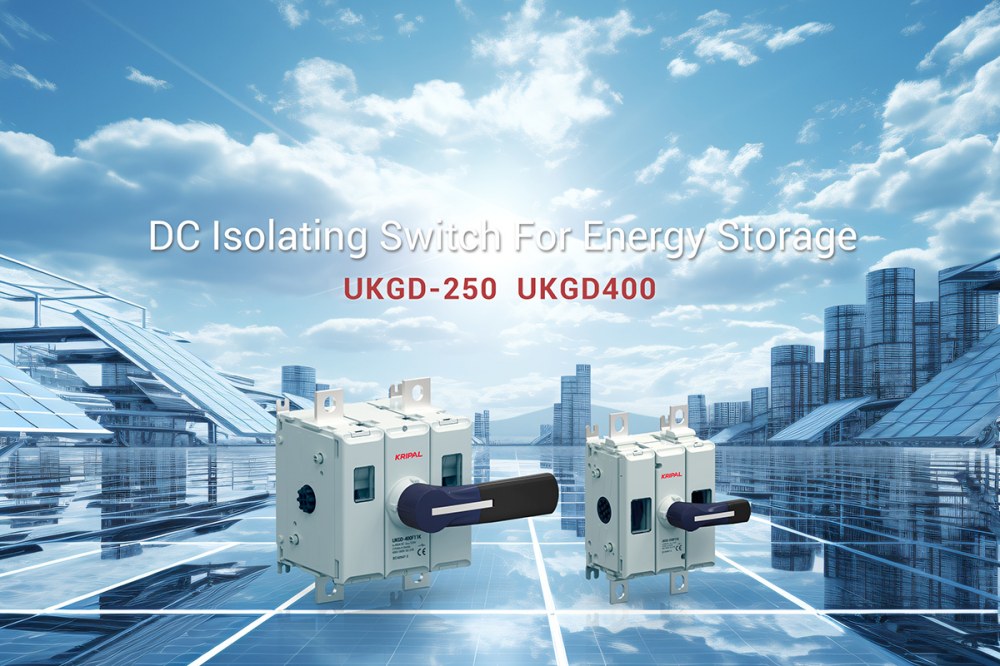
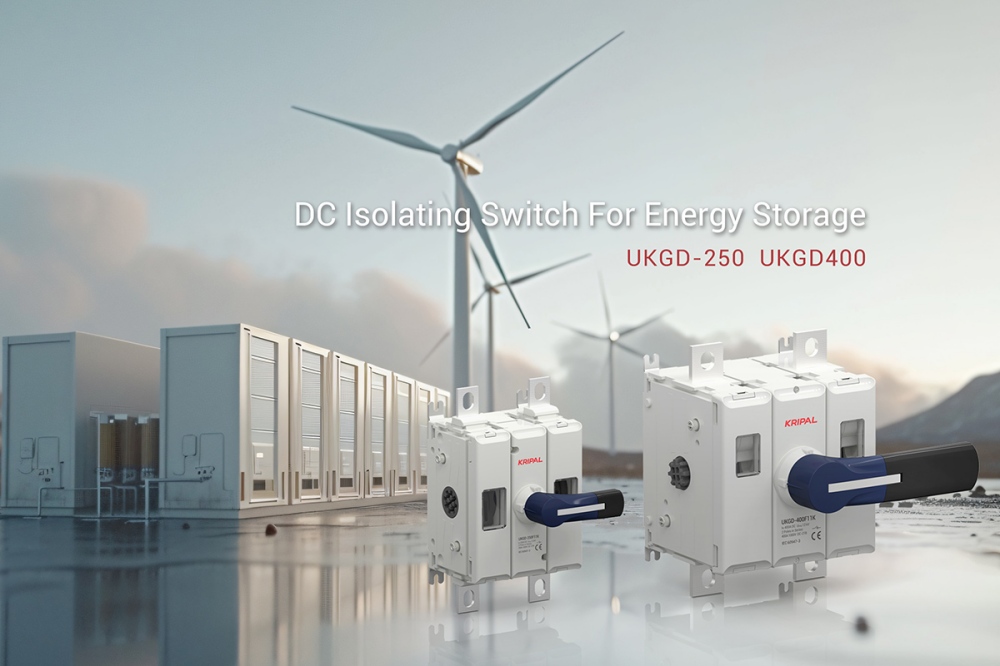
KRIPAL High-Current Non-Fused Disconnect Switches
For applications requiring reliable isolation under heavy load conditions, KRIPAL offers high-current non-fused disconnect switches designed for industrial, HVAC, and renewable energy systems.