Search
Knowledge Center
Purchase AC contactors at the best price
Looking for reliable AC contactors? Buy AC contactors at the best price from KRIPAL, ideal for HVAC and industrial applications.
 December 23, 2025
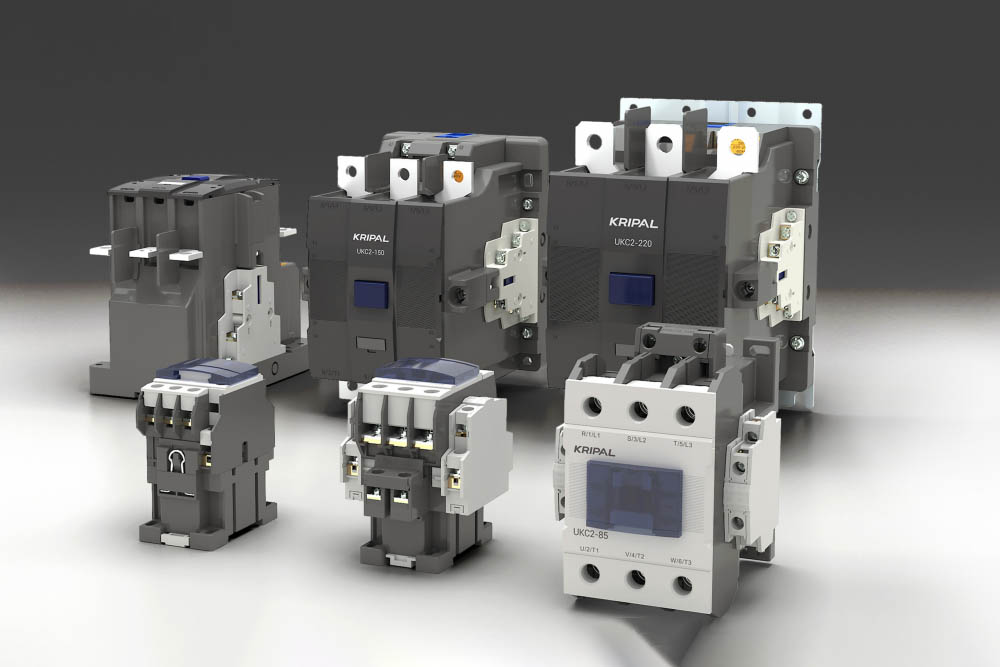
When selecting an AC contactor, price is often a key factor in the purchasing decision. However, the optimal price is not simply the lowest price, but the one that offers the best value for the cost. This article will explain how to purchase the most suitable AC contactor at the best price while ensuring quality and performance, helping you control project costs and improve equipment reliability.
Key Takeaways
- Value for Money: When choosing an AC contactor, consider both price and quality to ensure it meets your needs without overpaying.
- Brand and Certification: Opt for well-known brands or certified products, which can effectively guarantee equipment stability and long service life.
- Comparing Suppliers: Compare prices and negotiate with multiple suppliers to find discounts and promotional offers, ensuring you secure the best price.
- Long-term Cost Consideration: In addition to the initial purchase price, evaluate maintenance costs and energy efficiency to reduce long-term operational expenses.
What is an AC Contactor?
An AC contactor is an electrical device used to control circuit switching, commonly found in industrial automation and household appliances. It uses electromagnetic forces to control high-current circuits, enabling the rapid switching of electrical current. Simply put, an AC contactor acts as a remote-controlled switch, allowing a low-voltage signal to control high-voltage current. It is widely used in motor starters, lighting controls, and electrical protection systems.
What are the Causes of AC Contactor Failure?
Electromagnetic Coil Failure: The coil may have a broken wire, short circuit, or wear and tear, causing it to fail to attract the core properly or release, affecting the contactor’s operation. Contact Wear: Frequent switching can cause wear or oxidation of the contacts due to electrical arcing, resulting in poor contact and reduced performance.
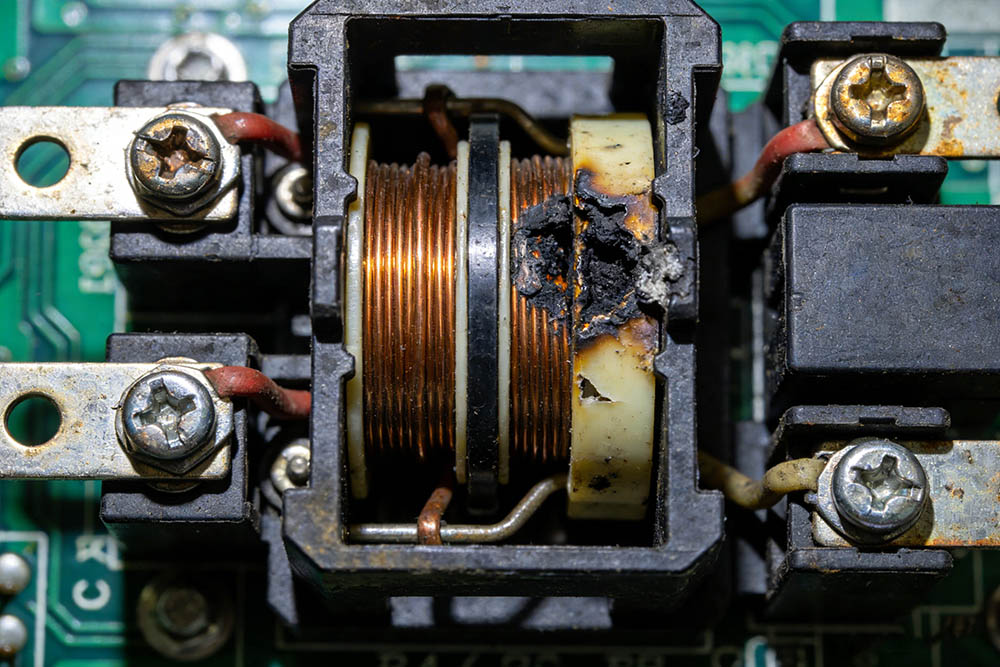
Overload Current: When the contactor continuously bears currents exceeding its rated load, it can overheat, damage, or even cause fires. Environmental Factors: Humidity, dust, or corrosive gases can degrade the contactor’s performance or cause short circuits, leading to failure.
What Does an AC Contactor Consist of?
- Generates a magnetic field that drives the contactor’s mechanical movement. When the coil is energized, it attracts the core and causes the movable contacts to engage or disengage with the fixed contacts.
- Works with the electromagnetic coil to move the contacts through electromagnetic force, either closing or opening the circuit.
- These contacts interact with the stationary contacts. The movable contact moves as the core moves, completing or disconnecting the circuit.
- These work with the movable contacts, providing the electrical pathway. They are typically fixed and form contact with the movable contact.
What Are the Costs Involved in Replacing an AC Contactor?
Equipment Procurement Costs
This is the most direct and core cost of replacing an AC contactor, mainly influenced by the product’s brand, technical specifications, and application scenario. The price is affected by the brand reputation, rated current, number of poles, coil voltage, protection grade, and whether the product is imported or domestic. High-end brands or contactors designed for precision equipment or hazardous environments will have significantly higher prices than standard industrial models, making it the basis for cost budgeting.
Installation Costs
These are the direct costs incurred during the installation phase, covering both labor and material costs. Labor costs depend on the complexity of the equipment, the difficulty of high-altitude or hazardous operations, and the skill level of the technicians. Materials include wiring terminals, cable trays, protective enclosures, fasteners, and insulating tape, among others. Hidden expenses may also arise from tool wear, temporary auxiliary equipment usage, and ensuring installation standards are met.
Equipment Downtime Loss
This is an indirect economic loss often overlooked but can be a significant cost. If the contactor fails suddenly, leading to production line or critical equipment downtime, it results in reduced output, delayed orders, idle labor costs, and possible additional production expenses. If the failure impacts upstream or downstream processes, there could be risks of contract violations or penalties. The longer the downtime, the greater the losses.
Commissioning and Testing Costs
Once the new contactor is installed, it is not immediately ready for use. Professionals must carry out commissioning, parameter checks, reliability tests, and load trials to ensure proper operation. This requires technical personnel and time. For more advanced equipment, technical support from the manufacturer may be needed, resulting in additional service costs.
| Cost Item | Brief Description |
| Equipment Procurement Cost | Cost of the new AC contactor, varies by brand, rated current, poles, coil voltage, protection level, and domestic/imported. |
| Installation Cost | Includes labor fee and installation materials (terminals, enclosure, fasteners, etc.), plus tool wear and auxiliary equipment usage. |
| Equipment Downtime Loss | Indirect loss from production stop: output reduction, order delay, idle labor, and possible penalty risks. |
| Commissioning & Testing Cost | Labor and time for on-site debugging, parameter verification, load test, and ensuring stable operation. |
Why Choose KRIPAL AC Contactors?
Reliable Product Performance
KRIPAL offers a wide range of AC contactors for various currents and application scenarios, such as industrial motor starters, HVAC, lighting, and more. Their performance is stable, and they have long-lasting durability.
Strict Quality and Certification
KRIPAL products are certified by internationally recognized quality and safety standards, including CE, UL, TUV, KEMA, VDE, 3C, and CB certifications. Their quality control system is comprehensive and suitable for global markets.
Established Brand and Global Service Network
Since its establishment in 1992, KRIPAL has built a solid R&D, production, and global sales/service system. The brand has a good reputation in multiple countries and regions.
High Value for Money and Customization
The company has strong in-house component production capabilities and offers OEM/ODM services. It provides flexible product configurations for different projects while maintaining competitive overall pricing.
When Repair Costs Approach Replacement Cost?
If the contactor frequently fails, requires repeated cleaning, or needs coil or contact repairs, the accumulated maintenance cost may exceed the price of a new unit. When labor time and downtime losses are considered, replacing the contactor is often the more economical solution.
When Downtime Becomes Expensive?
In industrial production lines or commercial HVAC systems, unexpected shutdowns can cause significant financial loss. If a contactor shows unstable operation or frequent tripping, proactive replacement helps avoid costly interruptions and emergency service fees.
When Energy Efficiency Declines?
Worn contacts can increase resistance, leading to overheating and energy waste. Over time, this may raise operating costs. Replacing an aging contactor with a new, properly rated model can improve efficiency and reduce long-term electricity expenses.
Conclusion
Replacing an AC contactor is crucial to ensuring the stable operation of the electrical system. Over time, the performance of the contactor may degrade, leading to equipment failure, downtime, or safety risks. By selecting high-quality contactors and performing proper maintenance and replacement based on actual needs, you can extend the equipment’s lifespan, reduce maintenance costs, and ensure the efficiency and safety of the production process.
KRIPAL provides a wide range of AC contactors that can solve any issues you face in this regard. Visit our product page to find the solution that fits your needs.
FAQs
Q: How to check if an AC contactor needs replacement?
Check if it engages and disengages properly, whether the contacts are worn, burnt, or overheated, and if it trips frequently. If any anomalies are present, it should be replaced.
Q: What is the typical lifespan of a contactor?
The mechanical lifespan of a standard contactor is about 1 million cycles, but frequent heavy loads can significantly shorten this lifespan.
Q: What to consider when replacing an AC contactor?
Choose the correct specification and model, ensure proper wiring, and check compatibility with the system. After installation, ensure the system is properly commissioned.
Q: What types of equipment can an AC contactor control?
AC contactors are typically used for controlling motors, air conditioners, heaters, lighting, and other high-power equipment.
Q: How to extend the lifespan of an AC contactor?
Regular maintenance, avoiding overloads, keeping the environment clean and dry, and matching the correct load are key to extending the lifespan.
Related Resources
Explore Knowledge Center >

Need a matching KRIPAL product?
Share voltage, quantity and destination. An engineer will reply with options and lead time.