Search
Knowledge Center
What Is a Magnetic Contactor?
Learn what a magnetic contactor is, how it works, AC/DC types, AC-1 vs AC-3 categories, and key differences from relays for motor control applications.
 May 24, 2026
Key Points
Introduction to Magnetic Contactors
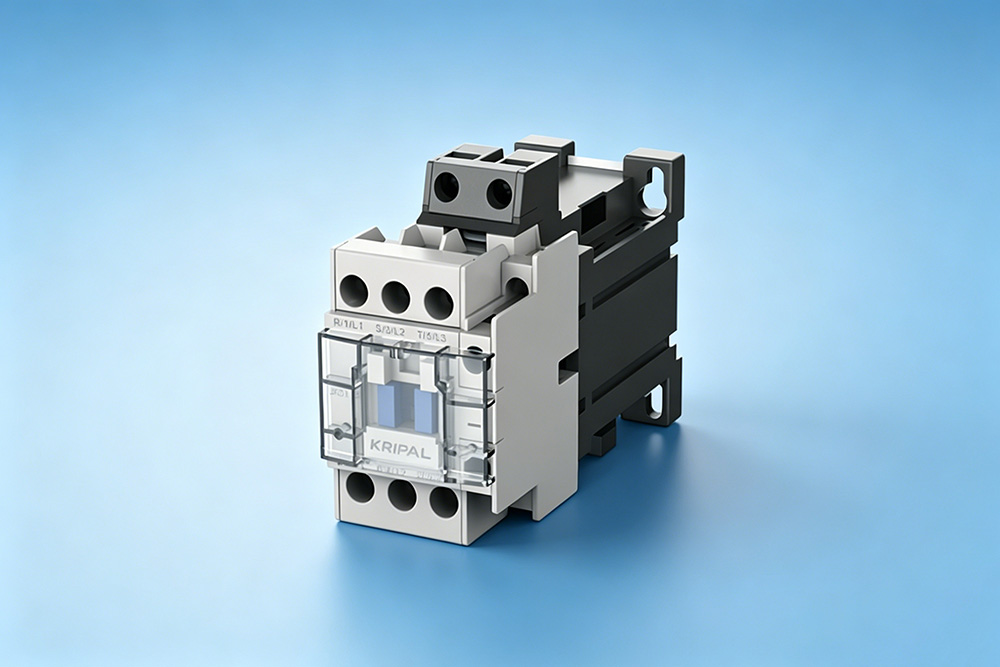
A magnetic contactor is an electrically controlled switching device designed to manage power circuits, especially in applications involving motors, lighting systems, and industrial machinery. It works by using an electromagnetic coil to open or close electrical contacts, allowing or stopping the flow of current in a circuit.
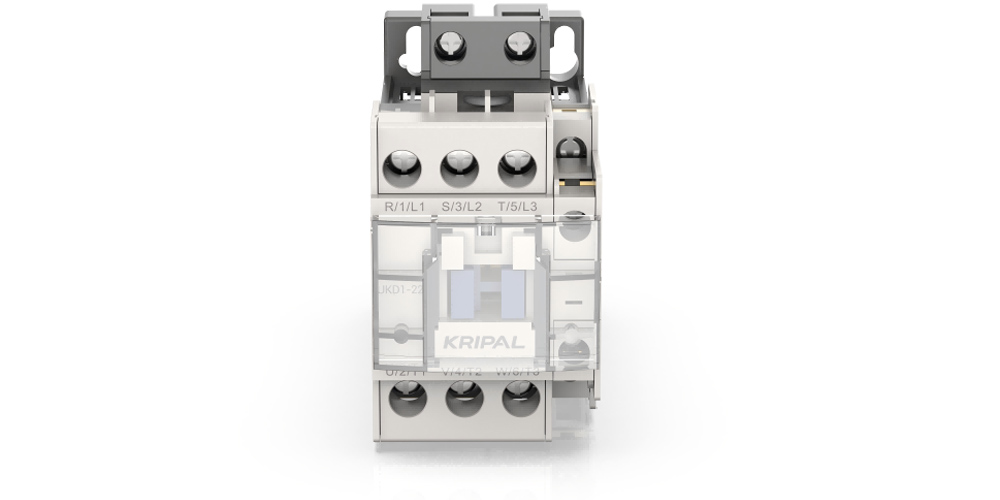
Unlike manual switches, magnetic contactors are built for repeated operation and remote control, making them suitable for automation systems and heavy-duty electrical environments.
How a Magnetic Contactor Works
The operation of a magnetic contactor is based on electromagnetic force.
When voltage is applied to the coil, it generates a magnetic field. This magnetic field pulls a movable iron core, which causes the main contacts to close. Once the contacts are closed, current flows through the load circuit, powering the connected device.
When the coil voltage is removed, the magnetic field disappears. A spring mechanism then returns the contacts to their original open position, cutting off the current.
This simple mechanism allows safe and efficient switching of high-power electrical loads using a low-power control signal.
Coil Operating Power Stages
Magnetic contactor coils operate in two distinct electrical phases:
- Inrush (Pickup) Phase: When the coil is first energized, a higher current is required to generate sufficient magnetic force to pull the armature. This is known as the pickup or inrush stage.
- Holding Phase: After the contacts are fully closed, the required coil power decreases significantly. Only a reduced current is needed to maintain the magnetic field and keep the contacts in position.
This two-stage power behavior improves energy efficiency while ensuring reliable switching performance in industrial control systems.
Engineering Significance
This operating principle enables magnetic contactors to:
- Switch high-power loads safely using low-power control signals
- Reduce manual switching risks in industrial systems
- Support frequent automatic switching in motor control applications
- Improve system reliability and operational efficiency
Components of a Magnetic Contactor
A typical magnetic contactor consists of several key parts:
| Component | Function |
| Coil | The electromagnetic element that activates the contactor when energized. |
| Iron Core | Works with the coil to create mechanical movement through magnetic attraction. |
| Main Contacts | Carry the load current and switch the main power circuit. |
| Auxiliary Contacts | Used for control circuits, signaling, and interlocking functions. |
| Enclosure | Protects internal components from dust, moisture, and mechanical damage. |
| Springs | Ensure the contacts return to their default state when the coil is de-energized. |
Types of Magnetic Contactors
Magnetic contactors can be classified based on their application and construction:
| Type | Description |
| AC Magnetic Contactors | Designed for alternating current (AC) circuits, commonly used in industrial motor control systems. |
| DC Magnetic Contactors | Used in direct current (DC) systems, often found in battery-powered equipment and electric vehicles. |
| Miniature Contactors | Compact contactors suitable for light-duty applications such as HVAC systems and small machinery. |
| Reversing Contactors | Used to change the direction of motor rotation by switching phase connections. |
| Vacuum Contactors | Utilize a vacuum to extinguish electrical arcs, commonly used in medium-voltage motor switching applications (3.3kV–12kV) for arc suppression. |
AC Utilization Categories (IEC Standard)
AC magnetic contactors are classified according to IEC utilization categories defined in IEC 60947-4-1, which specify their performance under different load conditions.
AC-1 (Resistive Load)
AC-1 contactors are used for non-inductive or slightly inductive loads such as heaters, resistive circuits, and lighting systems. These applications involve stable current conditions with minimal switching stress.
AC-3 (Motor Control Applications)
AC-3 contactors are designed for squirrel cage induction motor control, including starting and stopping operations in applications such as pumps, compressors, and conveyor systems.
In AC-3 operation, the contactor must close under motor starting conditions, where the current can reach 6–8 times the rated operational current (Ie). This makes AC-3 devices suitable for frequent switching cycles in industrial environments.
Engineering Considerations
In practice, AC-3 contactors are selected based on motor power and operating duty rather than only nominal current. They must withstand repeated inrush currents without contact welding or overheating.
Typical applications include:
- Pumps
- Compressors
- Conveyor systems
- HVAC motors
AC-1 vs AC-3 Current Comparison:
| Category | Load Type | Switching Duty | Current Behavior | Typical Application |
| AC-1 | Resistive load | Low frequency switching | Stable current (no high inrush) |
Heaters, lighting |
| AC-3 | Motor load | Frequent start/stop | High inrush current (6–8× Ie) | Pumps, compressors, conveyors |
Advantages of Magnetic Contactors
Magnetic contactors offer several practical benefits in electrical systems:
- Enable remote and automatic control of circuits
- Improve safety by isolating high-voltage operations
- Support frequent switching without significant wear
- Reduce manual intervention in industrial systems
- Compatible with automation and control systems
Applications of Magnetic Contactors
Magnetic contactors are widely used across different industries and environments:
| Application Area | Typical Use |
| Industrial Automation | Controls motors, conveyor systems, pumps, and compressors in automated industrial processes. |
| HVAC Systems | Used in air conditioning units, ventilation fans, and heating equipment for efficient climate control. |
| Lighting Control | Manages large-scale lighting systems in commercial buildings and outdoor installations. |
| Manufacturing Equipment | Supports production lines where machines require frequent starting and stopping operations. |
| Power Distribution Systems | Used for switching and protecting electrical circuits in substations and control panels. |
Magnetic Contactor vs Relay
Although both devices are used for switching circuits, they differ in capacity and application.
A relay is typically used for low-power signals, while a magnetic contactor is designed for high-current loads. Contactors are more robust and suitable for industrial environments, whereas relays are more common in electronic control systems.
How to Select a Magnetic Contactor
When selecting a magnetic contactor, the following ratings must be considered:
- Rated operational current (Ie): Defines the maximum load current (e.g., 9A, 18A, 32A, 65A, 95A)
- Motor power (kW/HP): Must match motor size
- Utilization category: AC-1 for resistive load, AC-3 for motor load
- Coil voltage: Common options include 24V, 110V, 220V, 380V
- Electrical life & mechanical life: Determines durability under switching cycles
Proper selection ensures stable operation, reduces overheating risk, and extends equipment lifespan.
A magnetic contactor is typically used as part of a coordinated motor protection system, which includes:
- Contactor: Used for switching the motor ON/OFF
- Overload relay: Protects against long-term overcurrent conditions
- Circuit breaker or fuse: Protects against short-circuit faults
This coordination ensures:
- Safe motor operation under normal load
- Protection during overload conditions
- Instant disconnection during fault currents
In industrial control systems, correct coordination between these components is essential to ensure equipment safety and system reliability.
Conclusion
Magnetic contactors play an important role in modern electrical systems by enabling safe, efficient, and automated control of high-power circuits. Their combination of electromagnetic operation and mechanical reliability makes them a standard component in industrial and commercial applications. Visit Kripal to discover our magnetic contactors. Feel free to reach out whenever you need support.
FAQ
Q1 What is the main purpose of a magnetic contactor?
A magnetic contactor is used to switch electrical power circuits on and off using a low-power control signal.
Q2 What is the difference between a contactor and a relay?
A contactor is designed for high-current applications, while a relay is used for low-power control circuits.
Q3 Can magnetic contactors be used for DC systems?
Yes, but DC contactors are specifically designed to handle direct current safely and efficiently.
Q4 Where are magnetic contactors commonly used?
They are widely used in motor control, HVAC systems, industrial automation, and lighting systems.
Q5 Do magnetic contactors require maintenance?
Yes, periodic inspection is recommended to ensure contacts remain clean and the coil operates properly.
Q6 What is the lifespan of a magnetic contactor?
The lifespan depends on usage conditions and load type. Under normal operating conditions, a magnetic contactor can last for millions of mechanical cycles. Regular maintenance can help extend its service life.
Q7 Can a magnetic contactor be used for single-phase systems?
Yes, magnetic contactors can be used in both single-phase and three-phase systems, depending on the design and rating of the device.
Q8 What causes a magnetic contactor to fail?
Common causes include contact wear, coil burnout, dust accumulation, overheating, or incorrect voltage supply.
Q9 How do I know if a contactor is faulty?
Signs of failure may include unusual noise, failure to energize, frequent tripping, burnt smell, or visible damage to contacts.
Q10 Do magnetic contactors consume a lot of power?
No, they typically consume very low power through the coil, especially after the initial energizing phase.
Q11 Can magnetic contactors operate automatically?
Yes, they are commonly integrated into automation systems and can be controlled by PLCs, timers, or sensors.
Q12 Are magnetic contactors safe to use?
Yes, when properly selected and installed, they provide a safe and reliable way to control high-power electrical circuits.
Q13 How often should a contactor be inspected?
Inspection frequency depends on usage, but periodic checks every few months are recommended in industrial environments.
Q14 Can a contactor work without an overload relay?
It can operate without one, but using an overload relay is recommended to protect motors and prevent damage from excessive current.
Related Resources
Explore Knowledge Center >
Need a matching KRIPAL product?
Share voltage, quantity and destination. An engineer will reply with options and lead time.