Search
News
How to Replace an AC Contactor
KRIPAL offers reliable AC contactors for industrial and commercial use. Available in low voltage and waterproof types. Ideal for HVAC, motor starting, and power switching.
 March 01, 2026
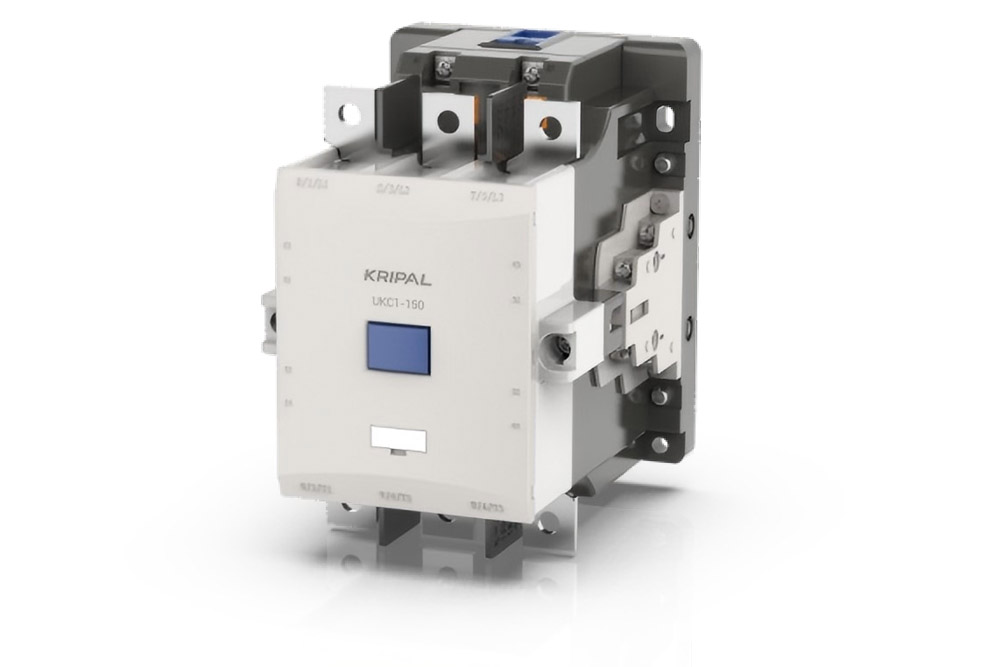
In industrial control systems and electrical equipment, AC contactors are widely used components that support the normal operation of motors, power switching systems, and automated control circuits.
When a contactor becomes worn or damaged, minor issues may prevent equipment from operating properly, while more serious failures can create safety risks. Learning how to replace an AC contactor helps improve system reliability and supports safer operation for both professionals and skilled users.
In practice, many people are unfamiliar with contactor selection, wiring methods, and replacement procedures. This often leads to wiring errors, mismatched components, or unsafe work performed while circuits are still energized.
This article focuses on how to replace an AC contactor by starting with preparation, then explaining the replacement process and precautions so the task can be completed safely and correctly.
Key Takeaway
- Always disconnect power and confirm that the circuit is de energized before replacing an AC contactor.
- Select a contactor whose voltage, current rating, and configuration match or are compatible with the original device.
- Follow the original wiring layout and mark or photograph connections to avoid wiring mistakes.
- After installation, perform functional testing to confirm normal operation without abnormal heat or noise.
- Proper procedures help reduce failure rates and support longer equipment service life.
What Is an AC Contactor?
An AC contactor is an electrical control device used to open and close AC circuits. It is commonly found in distribution panels, motor control systems, and automation equipment.
Using a low control current, it allows higher operating currents to be switched safely, which supports centralized control, remote operation, and automated processes while reducing direct human interaction with high voltage circuits.
An AC contactor operates based on electromagnetic principles. When the coil is energized, the electromagnetic force pulls the moving contacts into the fixed contacts, allowing current to flow.
When the coil is de-energised, the spring mechanism separates the contacts and interrupts the circuit. Since the contacts operate within an arc suppression structure, arcing is reduced, allowing the contactor to handle higher currents and frequent switching reliably.
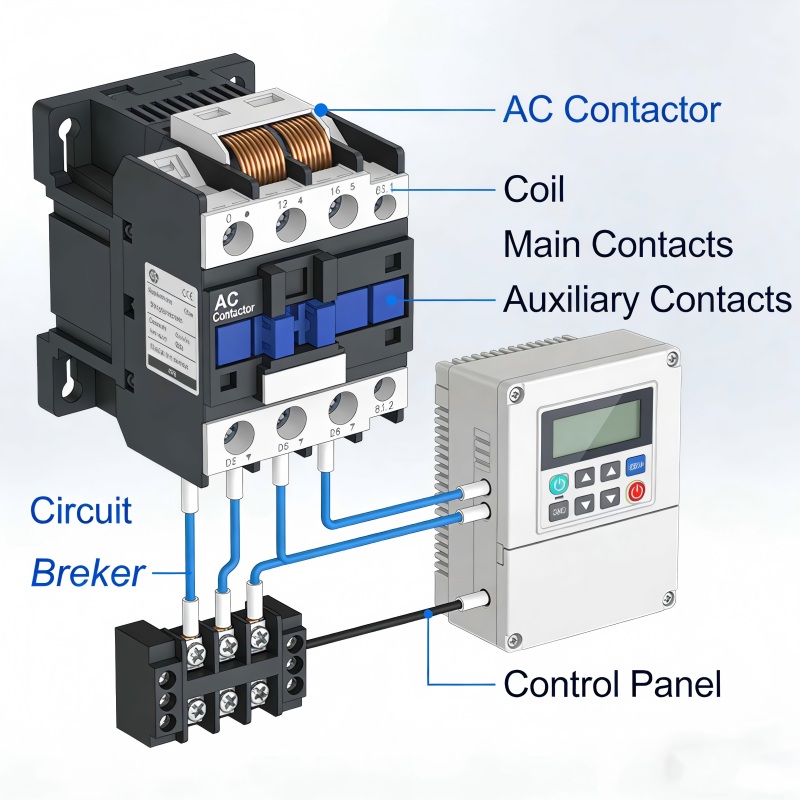
Because AC contactors offer high contact capacity, long service life, and stable control performance, they are widely used in motor starting, equipment interlocking, and both industrial and residential electrical control systems.
When Should an AC Contactor Be Replaced?
Equipment Does Not Start When Commanded
If a control signal from a push button, PLC, or thermostat is present but the contactor does not engage and the load remains inactive, the coil or internal mechanism may have degraded. In such cases, the contactor may no longer close reliably and replacement should be considered.
Equipment Does Not Stop When Commanded
If a stop signal is issued but the equipment continues running, the contacts may have fused due to arcing or overheating. This condition presents operational risk and replacement is typically recommended without delay.
Unstable Operation or Repeated Engagement
When a contactor repeatedly pulls in and releases, or when equipment starts and stops randomly, the issue may be related to coil deterioration, worn magnetic components, or poor contact condition. Continued operation under these conditions accelerates wear.
Visible Contact or Terminal Damage
If inspection after power isolation reveals burned contacts, pitted surfaces, discolored terminals, excessive heat, or a burnt odor, increased resistance and overheating are likely present. Continued use may lead to further failures.
Frequent Tripping of Protective Devices
When circuit breakers or thermal overload relays trip repeatedly after load and wiring issues have been ruled out, the contactor may be causing current fluctuation or overheating. Replacing the contactor often resolves repeated protection events.
What tools and materials are needed?
Common Tools
Basic electrical tools are typically sufficient. Screwdrivers are used for mounting and terminal connections. Insulated pliers assist with wire handling. A multimeter or voltage tester is used to verify power isolation and perform basic checks. A wrench may be required for mounting hardware or DIN rail components.
Safety Equipment
Electrical work requires protective equipment. Insulated gloves help prevent accidental contact. Safety glasses reduce risk from debris or wire movement. Insulated footwear or mats provide additional protection when available.
Replacement Materials
A new AC contactor is required, selected to match coil voltage, rated current, and contact configuration. Spare wires, terminals, and connectors may be needed if existing components show wear. Electrical tape or heat shrink tubing helps protect and organize wiring.
Auxiliary Items
A phone or camera is useful for recording wiring before removal. Labels or markers help identify conductors so wiring can be restored accurately.
What precautions should be taken when replacing an AC contactor?
Power Must Be Fully Disconnected
Before any work begins, disconnect the main power supply along with control and load circuits. Switching off a control button alone is not sufficient. After opening the breaker, confirm that all terminals are de energized using a tester before proceeding.
Select a Compatible AC Contactor
Physical appearance alone is not a reliable selection method. The replacement contactor should match coil voltage, rated current, contact configuration, and wiring layout. Using an incompatible device may lead to malfunction or overheating.
How to Replace an AC Contactor?
- Turn off the main power and control supply. Use a multimeter or voltage tester to confirm that all terminals are free of voltage.
- Before removing the old contactor, photograph the wiring or label each conductor. This helps prevent wiring errors during reinstallation.
- Loosen terminal screws and disconnect all conductors. Remove mounting screws or release the device from the DIN rail. Inspect wires and terminals for damage and replace if needed.
- Mount the new contactor securely in the original position. Reconnect power, load, and control wires according to the recorded layout. Tighten all terminals properly.
- Confirm that all connections are secure, correctly placed, and free from exposed conductors. Ensure the contactor is firmly mounted.
Restore Power and Test Operation
Re energize the system and perform short test runs. Observe engagement and release behavior while checking for abnormal noise, odor, or heat. Once normal operation is confirmed, return the equipment to service.
How to Extend the Service Life of an AC Contactor?
- Select a contactor that supports the actual load requirements. Continuous overload accelerates contact wear and heat buildup.
- Both under-voltage and over-voltage affect coil performance. Stable control voltage supports reliable engagement and reduces mechanical stress.
- Frequent operation increases arcing and wear. Adjust control logic to minimize unnecessary cycling when possible.
- Secure terminals reduce resistance and heating. Adequate enclosure ventilation helps manage operating temperature.
- Periodic checks of contacts, terminals, and operating sound help detect early signs of wear before failure occurs.
- Proper coordination with overload relays and circuit breakers limits exposure to abnormal conditions and supports longer service life.
Conclusion
Replacing an AC contactor is a practical DIY task that, when done correctly, can save time and money. By identifying fault symptoms early and selecting a contactor that matches the system, normal system operation can usually be restored quickly.
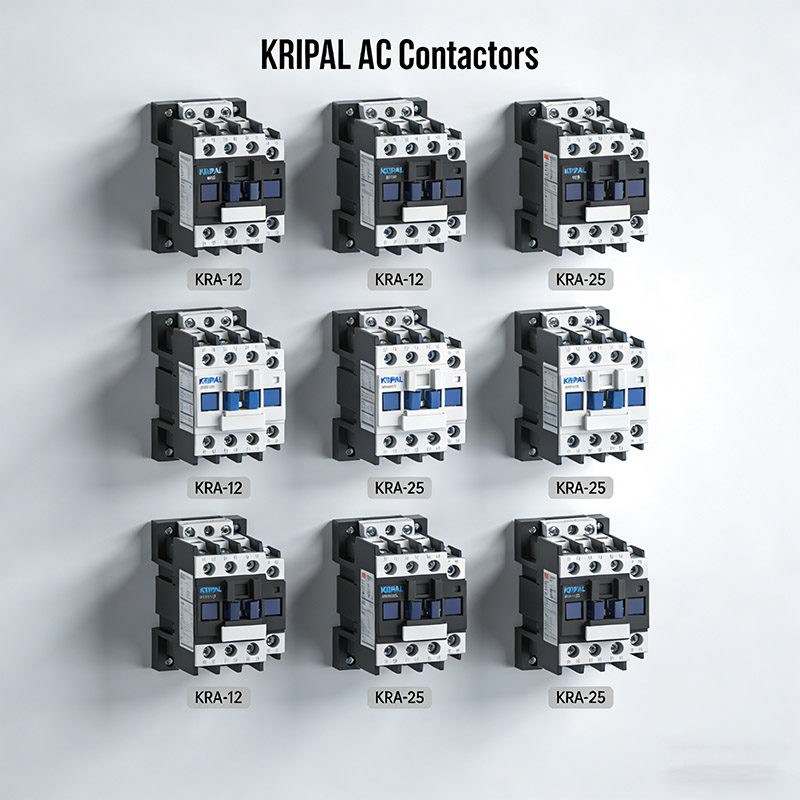
Electrical work requires careful handling. Replacing an AC contactor can be a safe and cost-effective solution when the appropriate parts are selected and installed correctly. KRIPAL offers a wide variety of AC contactors for different applications. Please visit our product page to find the option suitable for your system.
FAQs
Q: What are common signs of a failed AC contactor
Equipment may not start, may cycle repeatedly, may continue running after a stop command, or may show burned contacts, overheated terminals, unusual odors, or frequent tripping.
Q: The contactor clicks but the equipment does not run. Is the contactor faulty
Not always. The coil may be engaging while the contacts are worn. Power supply, load components, capacitors, or protective devices should also be checked after isolating power.
Q: What is the most critical safety step during replacement
Power must be disconnected at the main source and verified with a tester before any work begins.
Q: How do I choose a compatible AC contactor
Match the coil voltage, rated current, and contact configuration with the original device. Similar appearance alone does not guarantee compatibility.
Q: Is wiring replacement difficult and how can errors be avoided
Wiring is manageable when performed carefully. Photograph or label conductors before removal and confirm all terminals are tightened after installation.
Related Resources
Explore News >

How can we assist you?
Tell us a bit more so we can route your request to the right expert.