Search
News
What Symptoms Will Occur When an AC Contactor Fails
Discover the top symptoms of a failing AC contactor, from chattering and overheating to complete failure. Learn the causes, troubleshooting steps, and how to prevent downtime.
 December 02, 2025
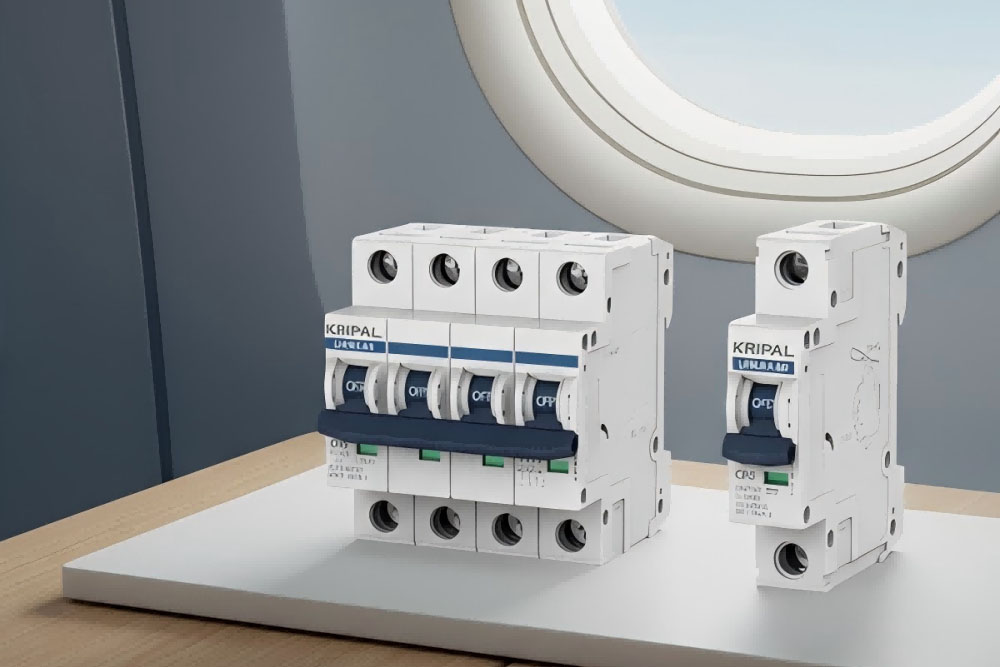
An AC contactor is a widely used component in electrical control systems, where it is applied to motor starting, stopping, and circuit control. When a fault occurs, equipment operation may be affected and safety risks may increase. In many cases, early warning signs are overlooked, which allows minor issues to develop into more serious problems.
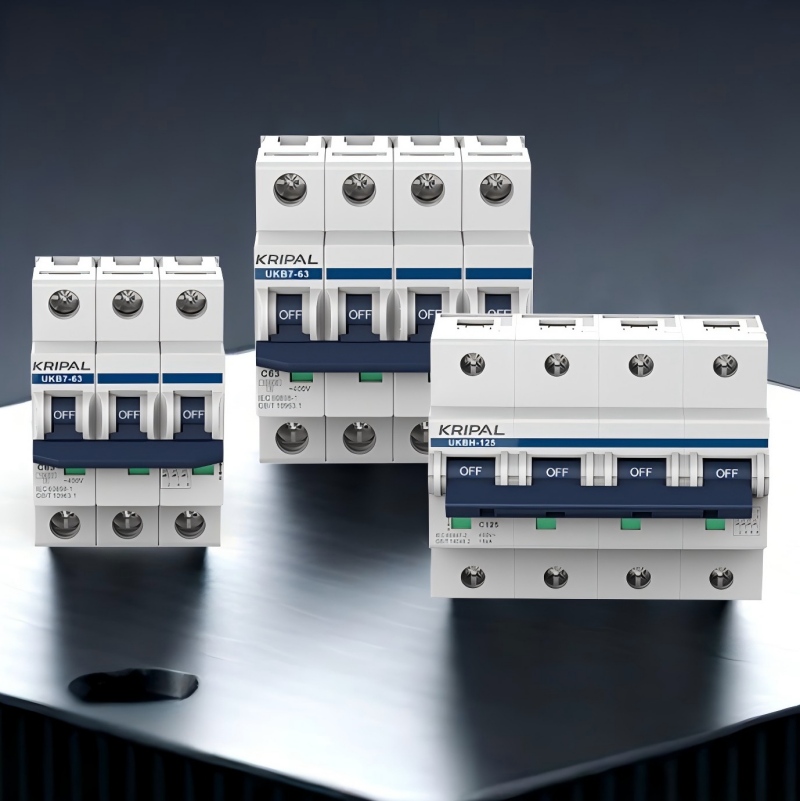
What symptoms will appear when an AC contactor fails, and how can these signs help with timely troubleshooting? This article outlines common fault symptoms so that maintenance and inspection can be carried out more effectively.
Key Takeaways
- AC contactors often show obvious abnormalities before failure, such as unusual noise, vibration, or unstable pull in.
- Overheating or burning of contacts, as well as frequent tripping of equipment, often indicates poor internal contact.
- If a motor fails to start or runs unstably, the issue may be related to the coil or the control circuit.
- When abnormal signs are identified and handled early, downtime can be reduced and operational safety can be improved.
What Is an AC Contactor?
An AC contactor is an electrical switching device that is used to control the opening and closing of AC circuits from a distance, and it is widely applied in motor control, lighting systems, and industrial automation.
Its function is based on electromagnetic force, which is generated when the coil is energized, causing the main contacts to close or open so that high power circuits can be controlled. In simple terms, it operates like an electrically controlled switch through which a small current controls a larger current, which improves operational safety and supports automation.
In electrical systems, AC contactors are usually used together with thermal relays and circuit breakers so that equipment can operate in a stable and protected manner.
What Happens When a Contactor Fails?
Failure to Pull In
When the coil is energized but the contactor does not operate, the main contacts remain open and the equipment cannot start. This condition may be caused by a burned coil, insufficient control voltage, an open control circuit, or damaged auxiliary contacts. In such cases, pressing the start button produces no response.
Unstable Pull In or Frequent Chattering
If the contactor vibrates or produces a continuous humming sound after it pulls in, the cause may be unstable voltage, foreign matter on the iron core surface, aged springs, or coil deterioration. Continued chattering accelerates contact wear.
Burned or Poorly Connected Contacts
When frequent switching or heavy load operation occurs, electric arcs may erode and oxidize the contacts, which increases contact resistance. As a result, current may fluctuate, motor temperature may rise, or phase loss may occur.
Contacts That Weld and Cannot Open
If contacts become welded due to excessive heat, the main circuit may remain closed even after the control circuit is de energized. This situation creates safety risks because the equipment may not stop as expected.
Overheating or Burning Smell
If the housing becomes hot or a burning odor is noticed, poor contact, coil overload, or prolonged overcurrent may be responsible. If the problem is not addressed, the coil may be damaged and fire hazards may increase.
| Failure Type | Description | Possible Causes | Impact |
| Failure to Pull In | Coil is energized but the contactor does not operate and equipment cannot start. | Burned coil, low control voltage, open circuit, damaged auxiliary contact | Equipment fails to start |
| Unstable Pull In or Chattering | Contactor vibrates or makes continuous humming noise. | Voltage instability, dirty iron core, aged spring, coil aging | Faster contact wear, unstable operation |
| Burned or Poor Contacts | Contacts are eroded or oxidized, causing high resistance. | Frequent switching, heavy load, arc erosion | Motor overheating, current fluctuation |
| Contacts Welded Closed | Contacts remain closed after control power is removed. | Excessive heat, severe arc damage | Equipment cannot stop, safety risk |
| Overheating or Burning Smell | Housing becomes hot or emits burning odor. | Poor contact, overload, overcurrent | Coil damage, fire hazard |
What Causes These Failures?
Abnormal Voltage
When control voltage is too low, the contactor may pull in weakly, which causes chattering and increases contact resistance. When voltage is too high, coil temperature rises, which accelerates insulation aging and raises the risk of burnout. Frequent voltage fluctuation can also lead to repeated pull in and release, which increases mechanical wear. These issues are often related to unstable power supply or incorrect coil voltage selection.
Coil Aging or Burnout
When a coil remains energized for long periods, heat accumulates and insulation gradually degrades, which may result in short circuits or open circuits. Burnout can also occur in high ambient temperatures or when voltage exceeds the rated value. In some cases, low voltage chattering increases heat and contributes to failure.
Contact Wear and Arc Erosion
When switching is frequent or current is high, arc energy damages contact surfaces, which increases resistance and heat. Oxidation and pitting may develop, and over time this can lead to deformation or welding. Inductive loads such as motors can accelerate this process.
Overload or Short Circuit Impact
When current exceeds the rated capacity, contact temperature rises rapidly, which weakens contact material and increases the chance of welding. A short circuit may create strong electrical stress, which can damage contacts and reduce service life.
Mechanical Wear or Jamming
As moving parts wear, pull in and release actions may become slow or incomplete. Springs may lose elasticity, and dust or corrosion may increase friction, which affects smooth operation and reduces contact pressure.
Improper Installation or Wiring
When terminals are loose or conductors are undersized, contact resistance increases and overheating may occur. If installation is misaligned, internal movement may become unstable, which can cause vibration or incomplete release.
Environmental Factors
High temperature, humidity, dust, or corrosive gases can accelerate insulation aging and metal corrosion, which increases the likelihood of failure. Protective enclosures can help reduce these effects.
Incorrect Selection or Overload Operation
When the contactor rating does not match the actual load, contacts operate under higher stress, which increases heat and arc damage. Long term overload or frequent starting can shorten service life and increase the risk of contact welding or coil overheating.
How to troubleshoot?
Power must be disconnected and absence of voltage must be confirmed so that inspection can be carried out safely. The external condition should be examined, during which burn marks, deformation, discoloration, or loose terminals should be checked.
Control voltage should be measured with a multimeter to confirm that rated voltage is present. If voltage is abnormal, the power supply and control circuit should be inspected. Coil resistance should be measured after power is removed so that open or short circuit conditions can be identified.
Main and auxiliary contacts should be inspected for erosion, oxidation, or welding. Slight damage may be cleaned, while severe damage requires replacement. The mechanical structure should be tested manually to confirm smooth movement without jamming.
Load conditions and protective devices should be checked to determine whether overload or short circuit has occurred. After repairs are completed, power can be restored for no load and load testing so that normal operation can be verified.
How to Prevent Failures?
When a suitable model is selected according to actual load current and application category, long term overload can be avoided. If control voltage matches the rated coil voltage and remains stable, overheating and unstable pull in can be reduced.
When installation is vertical and terminals are tightened properly, poor contact and overheating are less likely to occur. If switching frequency is reduced or a higher durability model is selected for frequent operation, contact wear can be minimized.
When regular cleaning and inspection are performed, early signs of wear can be detected.
If the operating environment is kept clean and dry, component aging can be slowed. When protective devices such as thermal relays and circuit breakers are properly configured, electrical impact can be limited. If maintenance records are maintained, potential risks can be identified in advance.
Conclusion
AC contactors are widely used in electrical control systems, and when a failure occurs, equipment operation and safety may be affected. By understanding common symptoms and causes and by following systematic troubleshooting procedures, faults can be resolved more efficiently. When proper selection, installation, and maintenance are carried out, service life can be extended and system reliability can be improved.
KRIPAL offers custom AC contactor services. Please contact our engineers to meet your needs.
FAQs
Q: Is it normal for a contactor to produce a humming sound frequently?
A slight electromagnetic sound is normal, but if the noise becomes louder or vibration occurs, voltage instability or internal contamination may be the cause.
Q: Why does the motor not start even though the contactor pulls in?
Poor main contact connection, phase loss, or load side wiring issues may prevent motor operation.
Q: Can contacts continue to be used after they are polished?
If erosion is minor, cleaning may be acceptable, but if deformation or severe damage is present, replacement is recommended.
Q: What are common causes of coil burnout?
High voltage, voltage fluctuation, prolonged overload, or aging insulation may lead to coil failure.
Q: How often should a contactor be replaced?
Replacement intervals depend on switching frequency and load conditions. In heavy duty or frequent operation environments, inspection should be conducted regularly and replacement should be based on wear condition.
Related Resources
Explore News >
How can we assist you?
Tell us a bit more so we can route your request to the right expert.