Search
Knowledge Center
What Causes an RCD to Trip?
Discover what causes an RCD to trip, including appliance faults, moisture, wiring issues & more. Learn how to troubleshoot and prevent unwanted RCD tripping safely.
 April 30, 2026
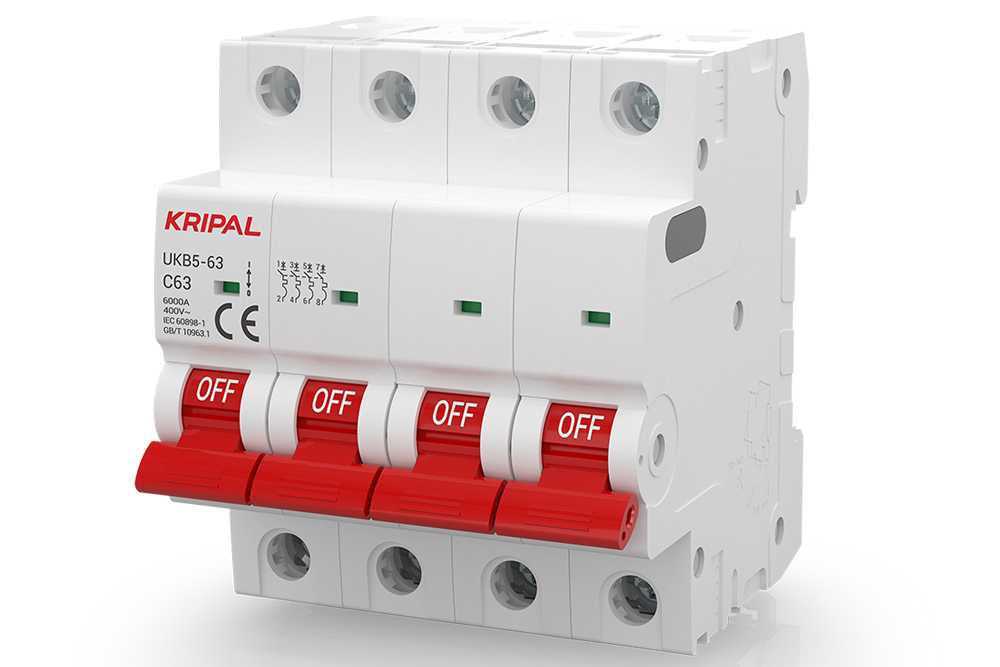
An RCD (Residual Current Device) is designed to protect people from electric shock and reduce the risk of electrical fires. When it detects an imbalance in the electrical current, it automatically shuts off the power within milliseconds.
Although occasional tripping can happen, repeated RCD trips usually indicate an underlying electrical problem that should not be ignored. Understanding the possible causes can help identify faults earlier and prevent damage to appliances or wiring systems.
What Happens When an RCD Trips?
Under normal conditions, the current flowing through the live wire should match the current returning through the neutral wire. If electricity leaks through faulty wiring, damaged insulation, or a person, the RCD detects the imbalance and disconnects the circuit automatically.
This safety mechanism helps prevent serious accidents, but it can also become frustrating when the power cuts out unexpectedly on a regular basis.
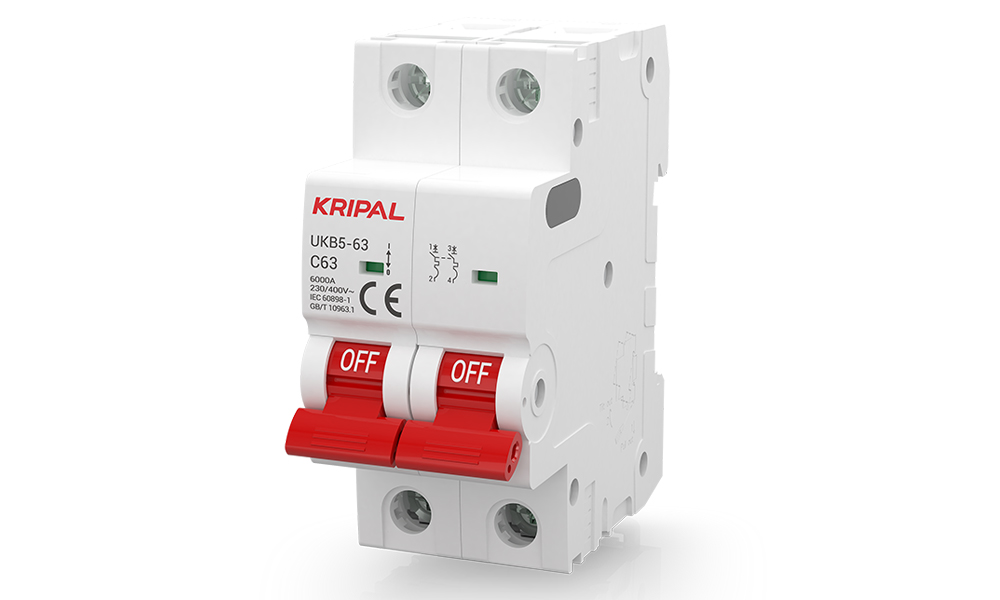
Common Causes of RCD Tripping
1. Faulty Electrical Appliances
One of the most common reasons for RCD tripping is a defective appliance. Kettles, washing machines, ovens, refrigerators, and heaters can develop internal faults over time.
Damaged insulation, worn components, or moisture entering the appliance may allow current leakage to earth, causing the RCD to trip.
A simple way to identify the problem is to unplug all appliances connected to the affected circuit and reconnect them one by one until the RCD trips again.
2. Moisture or Water Ingress
Water and electricity are a dangerous combination. Moisture entering sockets, outdoor outlets, extension leads, or appliances can create leakage currents that trigger the RCD.
This issue is more common in:
- Outdoor electrical installations
- Bathrooms
- Kitchens
- Garages
- Garden equipment
Heavy rain, condensation, or damaged seals may also contribute to the problem.
3. Damaged Wiring
Damaged or aging wiring can deteriorate over time due to heat, pests, physical impact, or worn insulation. When exposed conductors come into contact with metal surfaces or earth connections, the RCD may trip automatically to reduce the risk of electric shock.
Common signs of damaged wiring include burning smells, flickering lights, buzzing sounds, discolored sockets, and frequent breaker tripping.
4. Overloaded Circuits
Although RCDs mainly respond to leakage currents rather than overloads, overloaded circuits can still contribute to nuisance tripping, especially when combined with other minor electrical faults.
Running multiple high-power appliances on the same circuit may place excessive stress on the electrical system.
Common examples include:
- Portable heaters
- Air conditioners
- Electric kettles
- Microwaves
- Washing machines
5. Faulty Heating Elements
Heating elements in appliances such as ovens, dishwashers, water heaters, and washing machines are particularly prone to leakage faults.
As the element heats up, damaged insulation may allow electricity to escape to earth, causing the RCD to trip intermittently.
In many cases, the tripping occurs shortly after the appliance starts heating.
6. Outdoor Electrical Problems
Outdoor electrical equipment and sockets are regularly exposed to rain, dirt, humidity, and temperature changes, making them more vulnerable to electrical faults. Common outdoor problems include damaged extension leads, faulty pond pumps, wet outdoor sockets, defective garden lighting, and power tools exposed to moisture.
Even a small amount of water entering an outdoor electrical connection can create leakage current and cause the RCD to trip for safety protection.
7. Neutral-to-Earth Faults
A neutral-to-earth fault occurs when the neutral conductor unintentionally touches the earth conductor somewhere in the circuit.
This creates an imbalance that the RCD detects immediately.
These faults are often difficult to locate without professional testing equipment and may occur inside appliances, junction boxes, or damaged cables.
8. Aging Electrical Installations
Older electrical systems may not meet modern safety standards. Over time, insulation resistance decreases, connections loosen, and components wear out.
As a result, older homes and buildings are more likely to experience recurring RCD trips.
Electrical upgrades or rewiring may eventually be necessary if faults become frequent.
9. Faulty RCD Unit
In some situations, the RCD itself may be defective.
Like any electrical component, RCDs can wear out after years of operation. Internal mechanical failures or sensitivity issues may cause random or repeated tripping even when no actual fault exists.
Testing the RCD regularly using the built-in test button can help identify potential issues.
10. Multiple Small Leakage Currents
Modern homes contain many electronic devices, each producing tiny amounts of leakage current during normal operation.
Individually, these leakages are harmless. However, when several devices operate together on the same circuit, the combined leakage may exceed the RCD threshold and cause occasional trips.
This issue is more commonly found in properties that use a large number of modern electronic devices and equipment. Homes or buildings with computers, LED lighting, surge protectors, variable-speed appliances, and smart home devices often generate small amounts of leakage current during normal operation, which can sometimes contribute to RCD tripping.
Why Does the Power Keep Cutting Out Suddenly?
If the power cuts out suddenly and the RCD has switched off, the system is likely detecting an electrical fault somewhere on the circuit.
The interruption may happen:
- Immediately after plugging in an appliance
- During wet weather
- When certain equipment starts operating
- Randomly at different times of day
Identifying patterns can help narrow down the source of the problem.
How to Find the Cause of an RCD Trip
A basic troubleshooting process can help isolate the issue safely.
Step 1: Unplug Appliances
Disconnect all appliances connected to the affected circuit.
Step 2: Reset the RCD
Switch the RCD back on.
- If it stays on, reconnect appliances one at a time.
- If it trips immediately, the issue may be within the wiring or circuit itself.
Step 3: Check for Moisture or Damage
Inspect sockets, plugs, extension leads, and visible cables for signs of moisture, overheating, burning marks, cracks, or physical damage. Water ingress, damaged insulation, and loose connections can all cause leakage current and trigger the RCBO.
Pay particular attention to:
- Outdoor sockets
- Kitchen appliances
- Bathroom circuits
- Recently used electrical equipment
If any damaged or wet equipment is found, disconnect it from the power supply before resetting the RCBO.
Step 4: Contact a Qualified Electrician
Persistent RCD tripping should be inspected by a licensed electrician, especially if:
- The fault cannot be identified
- Burning smells are present
- Wiring appears damaged
- The RCD will not reset
- Tripping becomes more frequent
Can You Prevent RCD Tripping?
Although some causes of RCD tripping cannot be completely avoided, regular electrical maintenance can help reduce the risk of repeated trips and improve overall safety.
Good maintenance practices include testing the RCD regularly, replacing damaged appliances, avoiding overloaded circuits, keeping outdoor electrical equipment dry, upgrading aging wiring systems, and arranging periodic electrical inspections to identify potential faults before they become serious problems.
Conclusion
RCD tripping is usually a sign that the electrical system is responding correctly to a fault or leakage current. While some causes are minor and easy to fix, others may indicate more serious wiring or safety problems.
Explore our range of RCD and RCBO protection devices for safer and more reliable electrical installations.
If you need product support or technical assistance, feel free to contact us.
Related Resources
Explore Knowledge Center >

Need a matching KRIPAL product?
Share voltage, quantity and destination. An engineer will reply with options and lead time.