Search
Knowledge Center
What is a High Voltage Direct Current Contactor
Learn what a high voltage DC contactor is, how it handles continuous direct current, and its role in EVs, solar systems, and battery storage. Complete guide with arc extinguishing explained.
 March 25, 2026
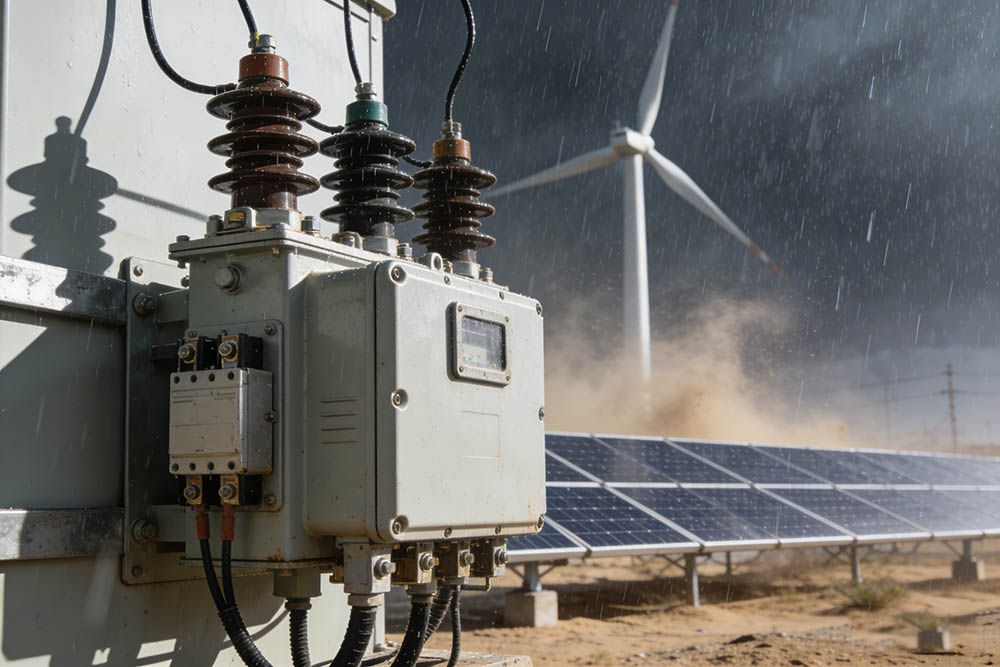
As global industries accelerate their transition toward renewable energy generation and electrified transportation managing massive electrical loads safely presents a primary engineering challenge. Switching continuous heavy power requires highly specialized industrial hardware. Standard alternating current equipment simply melts under the intense thermal pressure of a direct current grid.
To solve this specific physical problem engineers rely on a robust switching device known as the high voltage direct current contactor. In this comprehensive technical guide we will explore the internal mechanics of these heavy duty switches break down their primary structural components and explain how they protect modern power grids from catastrophic thermal failures.
Understanding the High Voltage Direct Current Contactor
A high voltage direct current contactor operates as an electrically controlled heavy duty switch designed specifically to open and close a high power circuit safely. Unlike a standard circuit breaker which acts primarily as a protective safety device that trips during an unexpected emergency a contactor manages the frequent routine switching of massive electrical loads during normal daily operations.
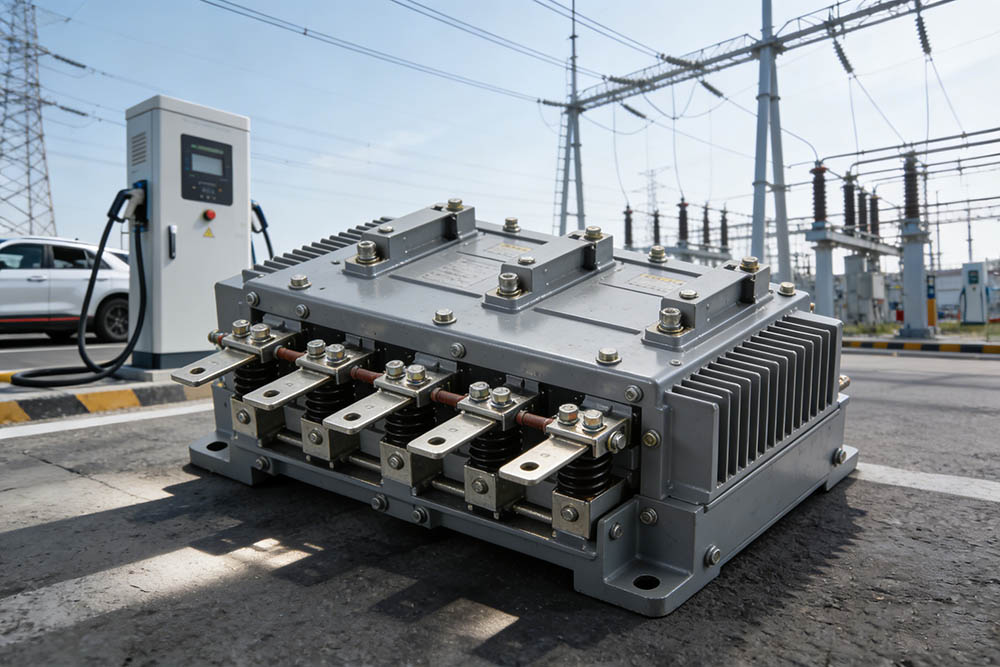
Facility managers and automotive engineers use these robust switches to control the continuous flow of direct current electricity in high capacity solar arrays massive chemical battery storage systems and heavy industrial machinery. They provide a highly reliable method to connect or disconnect a massive power source remotely without exposing maintenance personnel to dangerous high voltage environments.
How Does a High Voltage Direct Current Contactor Actually Work
The fundamental operation of this component relies on basic electromagnetism combined with advanced thermal management. The entire switching process happens in fractions of a second but involves several coordinated physical actions.
When the main facility control system sends a small low voltage electrical signal to the internal copper coil of the contactor it generates a powerful magnetic field. This invisible magnetic force physically pulls a movable iron armature core toward it. Because the heavy metallic contacts attach directly to this moving armature the magnetic pull forces the contacts together closing the main circuit and allowing the high voltage direct current to flow freely through the facility.
When the control system removes the low voltage signal the magnetic field collapses instantly. A heavy mechanical return spring then forcefully pushes the armature away separating the contacts and cutting the massive power flow immediately.
Primary Internal Components of the Contactor
To survive the extreme mechanical stress and thermal heat of continuous switching a high voltage direct current contactor utilizes several highly specialized internal components. Every single part plays a fundamental role in maintaining grid stability.
The Electromagnetic Coil
This acts as the engine of the contactor. Modern industrial contactors often feature dual coil systems or built in pulse width modulation boards. These advanced electronic boards deliver a massive initial burst of energy to close the heavy contacts quickly then reduce the holding current to save power and prevent the copper coil from overheating during continuous operation.
The Main Metallic Contacts
The physical connection points that carry the massive electrical load. Engineers manufacture these contacts using advanced silver alloys like silver tungsten or silver tin oxide. These specific metallurgical combinations offer excellent electrical conductivity while severely resisting contact welding under extreme heat.
The Arc Extinguishing Chamber
The most sophisticated section of the entire device. This chamber surrounds the main contacts and contains the explosive thermal energy generated during the switching process.
The Sealed Outer Enclosure
High voltage switching requires a pristine internal environment. Manufacturers utilize advanced ceramic brazing technology and epoxy resins to create a hermetically sealed chamber. This airtight seal prevents oxygen and moisture from entering preventing the internal silver contacts from oxidizing over decades of use.
The Physics of Arc Extinguishing in Direct Current Grids
The most significant engineering challenge occurs the exact moment the switch opens under a heavy load. Because direct current flows continuously without any natural drop in voltage physically separating the live metallic contacts creates a sustained and extremely hot plasma arc.
To prevent this plasma from completely destroying the outer housing engineers fill the sealed contact chamber with specialized inert gases like pure nitrogen or a specific hydrogen mixture. These gases feature exceptional thermal conductivity cooling the plasma arc rapidly. Furthermore engineers install powerful permanent magnets surrounding the contacts. These magnets create a perpendicular magnetic field that physically blows the electrical arc apart forcing it away from the contacts and into a ceramic chute until the plasma collapses completely.
| Physical Characteristic | Alternating Current Switching | Direct Current Solar Switching |
| Natural Voltage Drop | Yes drops to zero dozens of times per second | No continuous and unyielding voltage flow |
| Primary Arc Extinguishing | Relies heavily on natural grid voltage drops | Requires magnetic blowouts and sealed inert gas chambers |
| Enclosure Requirement | Standard vented plastic housings work fine | Requires hermetically sealed ceramic or epoxy chambers |
| Contact Welding Risk | Very low under normal building conditions | Extremely high if the wrong switching component is used |
Major Industrial Applications
The modern transition to renewable energy and sustainable transportation depends entirely on the reliable performance of these robust switching devices. Engineers install them in environments where continuous high voltage switching represents a fundamental operational requirement.
Electric Vehicle Drivetrains
Inside modern electric vehicles these contactors sit between the main battery pack and the electric motor drive system. They safely connect the massive battery power to the wheels when you start the car and instantly cut the power during a collision to protect the passengers from high voltage shocks.
Commercial Charging Stations
Public fast charging networks rely entirely on these robust switches to deliver high voltage direct current straight into the vehicle battery safely starting and stopping the massive power flow the exact second the user unplugs the heavy charging cable.
Solar Power Generation Plants
In massive solar photovoltaic farms contactors safely connect the raw unconditioned power generated by the solar arrays directly to the main central inverters allowing operators to isolate specific sections of the massive grid for routine maintenance securely.
Battery Energy Storage Systems
Modern solar facilities utilize large chemical battery banks to store excess generation. Contactors manage the heavy daily charge and discharge cycles ensuring the batteries connect to the main grid safely without experiencing damaging electrical surges.
How to Select the Right High Voltage Direct Current Contactor
Choosing the correct switching equipment requires a careful and highly accurate evaluation of your specific engineering parameters. You cannot afford to guess the required electrical capacity when dealing with renewable energy infrastructure.
| Engineering Parameter | Selection Guidelines | Impact on System Stability |
| Maximum System Voltage | Must exceed the maximum open circuit voltage of your arrays | Prevents the plasma arc from jumping across the open contacts |
| Continuous Current Rating | Must handle peak summer generation without overheating | Prevents thermal degradation of the internal silver contacts |
| Coil Operating Voltage | Must match your specific facility control system voltage | Ensures the electromagnet pulls the contacts together forcefully |
| Environmental Sealing | Look for high ingress protection ratings | Protects internal mechanics from heavy dust and extreme moisture |
Beyond basic mathematical load calculations the physical manufacturing quality of the protective device matters immensely. Outdoor solar environments and vehicle engine compartments subject electrical components to extreme summer heat heavy vibration and freezing winter temperatures.
When sourcing hardware for your renewable infrastructure integrating a fully certified high voltage direct current contactor guarantees long term grid stability. You must prioritize equipment that carries rigorous third party laboratory certifications. These global testing approvals prove that the switching components maintain their precise mechanical integrity and extinguish plasma arcs safely even after hundreds of thousands of operational cycles under severe environmental stress.
To Sumup
Managing a high capacity renewable energy facility or designing an electric vehicle powertrain means fully understanding the underlying physics of continuous direct current electricity. Deploying the exact right switching hardware prevents severe thermal damage and guarantees total operational safety.
By selecting dedicated high voltage direct current contactors featuring hermetically sealed chambers and advanced magnetic arc extinguishing technology facility managers and automotive engineers can ensure their infrastructure operates flawlessly for decades.
Upgrade your renewable energy projects with fully certified industrial switching protection today. Explore the complete range of premium solar electrical components at Kripal. We engineer advanced direct current contactors designed specifically to handle the harshest environmental conditions and the most demanding electrical loads globally.
Related Resources
Explore Knowledge Center >
Need a matching KRIPAL product?
Share voltage, quantity and destination. An engineer will reply with options and lead time.