Search
News
How should we understand HVAC
New to HVAC? Discover what Heating, Ventilation & Air Conditioning means. Learn about core components, system types, and how to choose the right one for your needs.
 December 05, 2025
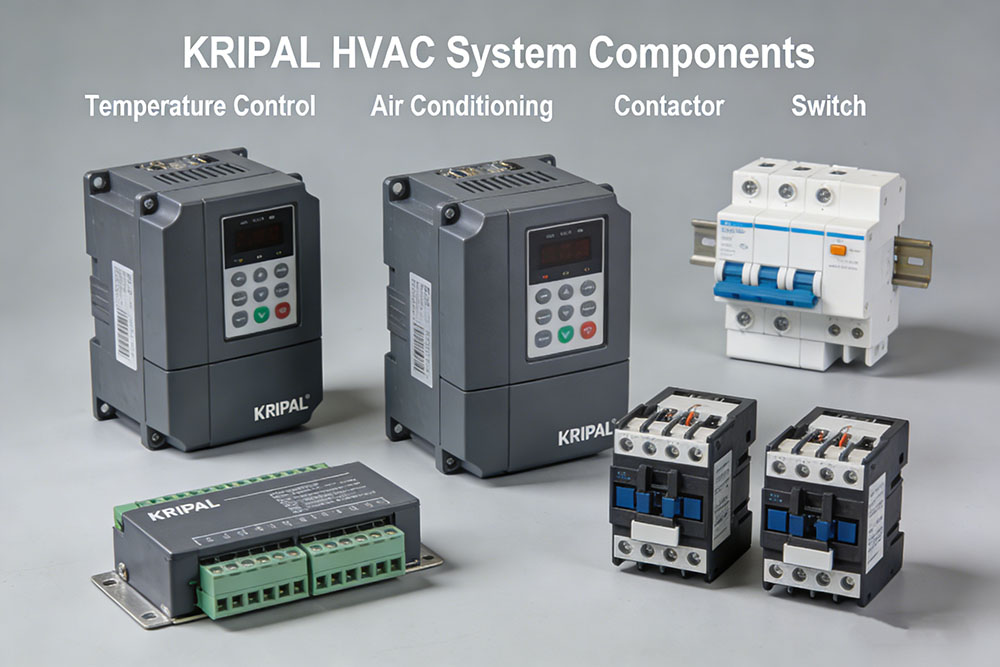
In modern buildings, HVAC, which stands for Heating, Ventilation, and Air Conditioning, refers to the system that maintains indoor comfort and air quality. By regulating temperature, humidity, and airflow, it creates a stable and healthy environment for both residential and commercial spaces. As energy efficiency and smart technologies continue to develop, HVAC systems are becoming increasingly integrated into building design and management.
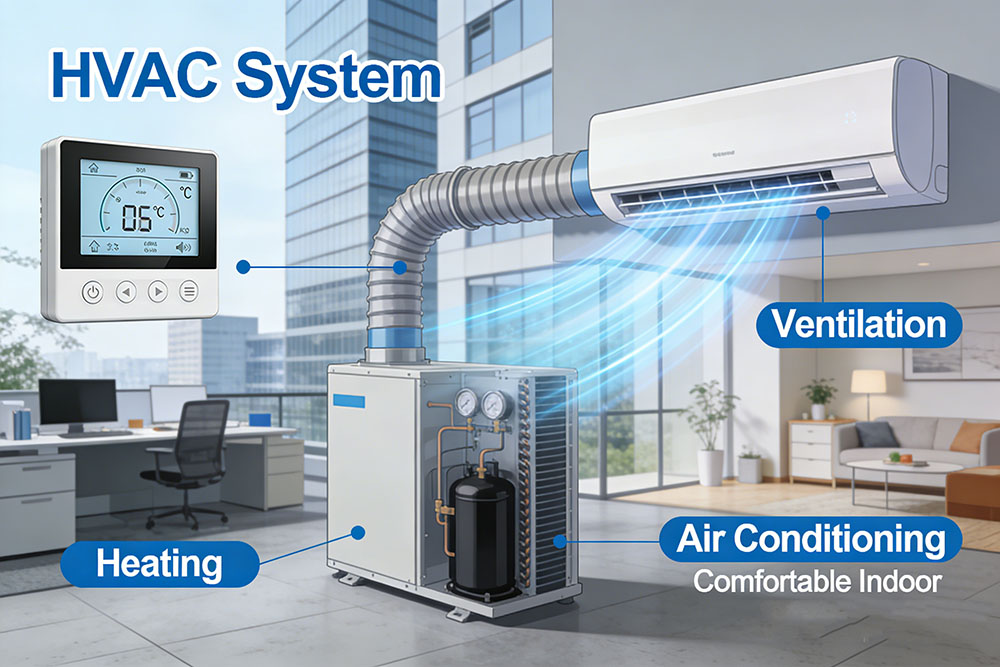
Many people may wonder what functions HVAC includes and how it operates. This article introduces the basic concept, core components, and practical applications of HVAC so that readers can better understand how it affects everyday life.
Key Takeaways
- HVAC refers to Heating, Ventilation, and Air Conditioning systems.
- It regulates indoor temperature, humidity, and air quality.
- It is widely used in residential, commercial, and industrial buildings.
- With advancements in energy saving and smart technology, HVAC systems are becoming more efficient and intelligent.
What Is HVAC?
HVAC is the abbreviation for Heating, Ventilation, and Air Conditioning, which describes an integrated system designed to control indoor environmental conditions.
In simple terms, HVAC systems manage indoor temperature, humidity, and air circulation. When the weather becomes cold, the heating system provides warmth. When temperatures rise, the air conditioning system cools the space. The ventilation system introduces fresh air and removes stale air, which helps maintain air quality. Whether in homes, offices, or shopping centers, HVAC systems support indoor comfort and health.
How Does an HVAC System Work?
The working principle of an HVAC system is based on energy transfer and air circulation, which together regulate indoor temperature and air quality.
In cooling mode, refrigerant circulates through the system. As it passes through the evaporator, it absorbs indoor heat and evaporates. The compressor then increases its pressure and temperature before the refrigerant moves to the condenser, where it releases heat to the outside environment. This continuous cycle transfers heat from indoors to outdoors, which lowers the indoor temperature.
In heating mode, warmth can be generated through electric heaters, gas boilers, or heat pumps.
When a heat pump is used, it extracts heat from outdoor air and transfers it indoors. At the same time, the ventilation system uses fans to circulate air, bringing fresh air inside while removing polluted air, and filters help improve air quality. Together, cooling, heating, and ventilation maintain a comfortable indoor environment.
What Are the Components of an HVAC System?
Heating System
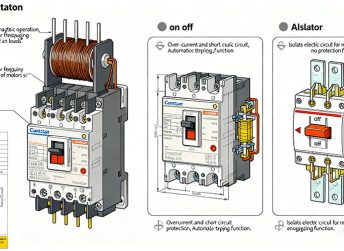
The heating system provides warmth during cold seasons and may include gas boilers, electric heaters, heat pumps, or underfloor heating systems. These devices generate heat and distribute it through air or water circulation, while contactors and switches ensure safe and stable control of heating equipment.
Cooling System
The cooling system reduces indoor temperatures during hot weather. Its main components include the compressor, evaporator, condenser, and expansion valve, which work together to transfer heat outside. Contactors are widely used to control compressors and fan motors, and switches provide reliable power control.
Ventilation System
The ventilation system includes fans, ducts, air inlets, and exhaust outlets to supply fresh air and remove stale air. Fan motors and air handling units are typically operated through contactors and switches to maintain steady airflow.
Air Treatment Equipment
Air filters, humidifiers, dehumidifiers, and air purifiers improve indoor air quality by removing dust and adjusting humidity levels, relying on dependable contactors and switches for consistent operation.
Control System
Thermostats, sensors, and smart controllers monitor temperature and humidity to optimize comfort and energy efficiency, with contactors serving as essential power switching components to ensure safe HVAC operation.
| Module | Function Description |
| Heating System | Provides heat to increase indoor temperature |
| Cooling System | Reduces indoor temperature through refrigerant cycles |
| Ventilation System | Enables indoor and outdoor air exchange |
| Air Treatment System | Filters air and adjusts humidity |
| Control System | Monitors and regulates system operation |
What Types of HVAC Systems Are Available?
Split System
A split system includes one outdoor unit and one indoor unit. It is commonly used in homes and small offices because installation is relatively simple and costs are lower. However, larger spaces may require multiple units.
VRF or VRV System
A Variable Refrigerant Flow system connects one outdoor unit to multiple indoor units. Since each zone can be controlled independently, comfort and energy efficiency can be improved. This system is suitable for offices, hotels, and mid sized commercial buildings.
Central HVAC System
A central system uses equipment such as chillers or air handling units to provide cooling or heating, which is distributed through ducts or water pipes. It is often installed in large buildings including hospitals, airports, and shopping malls.
Ducted System
A ducted system distributes conditioned air through concealed ductwork. Because only air outlets are visible, it provides a cleaner interior appearance and consistent airflow. It is commonly used in villas and commercial spaces.
Heat Pump System
A heat pump system provides both cooling and heating by transferring heat from air, water, or the ground. Since it uses environmental energy sources, it can achieve higher energy efficiency compared with traditional electric heating systems.
| Type | Features | Applications | Advantages and Limitations |
| Split System | One indoor and one outdoor unit | Homes and small offices | Lower cost but limited coverage |
| VRF or VRV | Multiple indoor units connected to one outdoor unit | Offices and hotels | Efficient but higher initial investment |
| Central System | Centralized cooling and heating distribution | Large buildings | Stable operation but complex installation |
| Ducted System | Air delivered through ducts | Villas and commercial spaces | Aesthetic design but requires ceiling space |
| Heat Pump | Transfers heat from environmental sources | Energy efficient homes | High efficiency but climate dependent |
How Are HVAC Systems Connected?
- Refrigerant pipes, chilled water pipes, or hot water pipes connect indoor and outdoor equipment. Split and VRF systems use refrigerant piping, while central systems rely on water circulation.
- Air is distributed through supply and return ducts. This arrangement allows continuous airflow and supports fresh air exchange.
- Compressors, fans, and pumps require electrical power. Control signals are transmitted through wiring that links different components.
- Thermostats and sensors connect to central controllers, which allow automatic operation and monitoring.
- In larger buildings, HVAC systems are integrated into Building Automation Systems so that centralized monitoring and management can be achieved.
How to Choose the Right HVAC System
Since different buildings have different needs, factors such as area size, room layout, and occupancy levels should be evaluated. Additional requirements, including noise control or air purification, should also be considered. Because long term operating costs depend on energy consumption, systems with higher efficiency ratings and inverter technology are generally preferred.
Since building size and structure vary, the system type should match the application. Smaller homes may benefit from split systems, while larger buildings may require centralized solutions. Ceiling height, equipment space, and outdoor unit placement should be reviewed in advance, since installation feasibility affects both cost and performance.
Although some systems require higher initial investment, they may reduce electricity costs over time. Maintenance accessibility and spare part availability should also be examined. Since HVAC systems operate for many years, selecting a brand that offers dependable service can reduce operational risks.
How to Maintain an Air Conditioning System
Filters and air inlets should be cleaned regularly because dust accumulation can reduce airflow and efficiency. Abnormal noise or vibration should also be checked. Outdoor units should remain unobstructed so that heat dissipation can function properly. Indoor airflow should not be blocked by furniture.
Professional technicians should inspect refrigerant levels, electrical connections, and mechanical components periodically so that potential issues can be detected early. Frequent switching on and off should be avoided. Reasonable temperature settings can reduce energy consumption and mechanical stress.
Conclusion
HVAC systems support indoor comfort by regulating temperature and air quality. When properly selected and maintained, system efficiency can improve and service life can be extended. Since installation and routine maintenance both affect long term performance, consistent management ensures reliable operation.
KRIPAL supplies electrical control components for HVAC systems, including contactors and switches that support safe and stable operation of heating, cooling, and ventilation equipment. Visit our product page to find solutions that fit your application needs.
FAQs
Q: What is the difference between HVAC and a regular air conditioner?
HVAC refers to a complete system that includes heating, ventilation, and air conditioning, while a regular air conditioner usually focuses only on cooling or cooling with heating.
Q: Should homeowners always choose a central HVAC system?
Smaller homes may benefit from split or VRF systems, while larger houses that require uniform comfort may consider central systems.
Q: How often should HVAC systems be maintained?
Filters may be cleaned every one to two months, and professional servicing is typically recommended once a year.
Q: Does HVAC consume a lot of electricity?
Energy consumption depends on system type, efficiency rating, and usage habits. High efficiency inverter systems can help reduce power consumption.
Q: What do buyers often overlook when selecting HVAC systems?
Many people focus on purchase price while overlooking long term operating costs, maintenance convenience, and after sales service.
Related Resources
Explore News >
How can we assist you?
Tell us a bit more so we can route your request to the right expert.