Search
Knowledge Center
What Is an Overload Relay?
Learn what an overload relay is, including its types and functions, and discover what is an overload relay to protect motors effectively.
 January 11, 2026
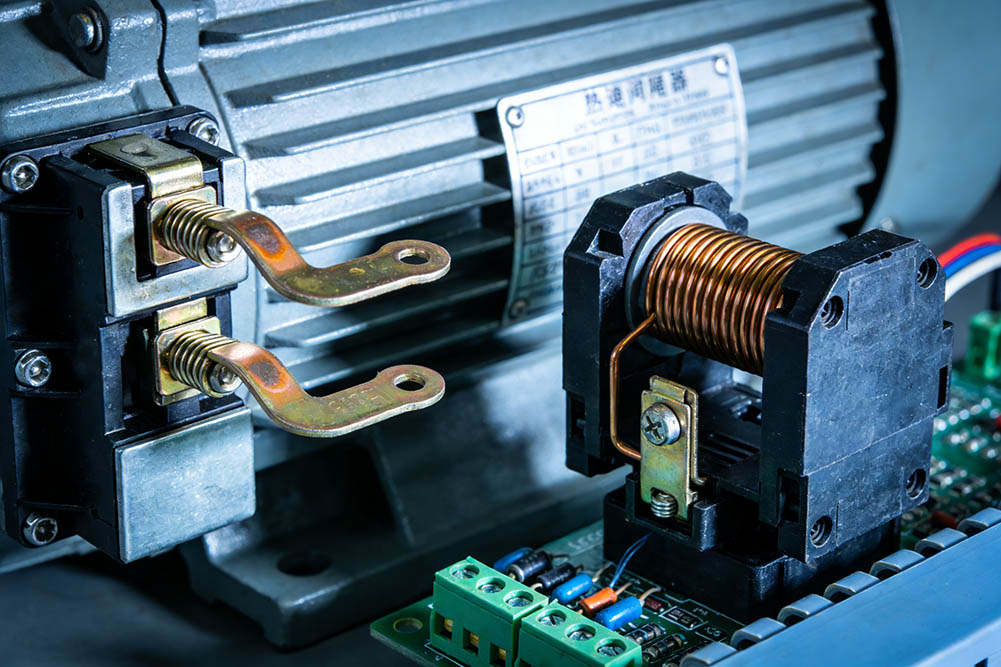
An overload relay monitors current in electrical circuits and prevents motors or other devices from overheating or being damaged by excessive current. These devices detect when current exceeds a preset level and cut off the circuit to keep motors and equipment from being harmed. Overload relays are essential for ensuring that motors and electrical components operate within safe current limits, thus prolonging their lifespan and preventing costly breakdowns.
KEY TAKEAWAY
- An overload relay monitors electrical current and responds when it exceeds safe levels.
- It interrupts the circuit during overload conditions to protect motors and other equipment from overheating or damage.
- Common types include thermal, magnetic, and electronic overload relays, each suitable for different applications and load conditions.
- Overload relays are used in motor protection, HVAC systems, and industrial automation to maintain safe operation.
Introduction to Overload Relays
An overload relay monitors electrical current and protects motors or other equipment from damage caused by excessive current. It interrupts the circuit when the current exceeds a set level, helping prevent overheating and equipment failure.
Overload relays are available in three main types, each with a different method of detecting overloads and triggering circuit disconnection.
Thermal Overload Relays
Thermal overload relays use a bimetallic strip that bends when heated by the current flowing through a heating element. If the current remains above the set level for a certain time, the bending of the strip activates the mechanism to open the circuit. These relays are suitable for motors with moderate and stable loads and are commonly used in industrial and residential applications.
Magnetic Overload Relays
Magnetic overload relays rely on an electromagnet to detect current. When the current exceeds the preset value, the magnetic field moves a plunger or armature, which opens the circuit. These relays respond faster than thermal models, making them suitable for systems where motors start and stop frequently. They are less affected by ambient temperature changes.
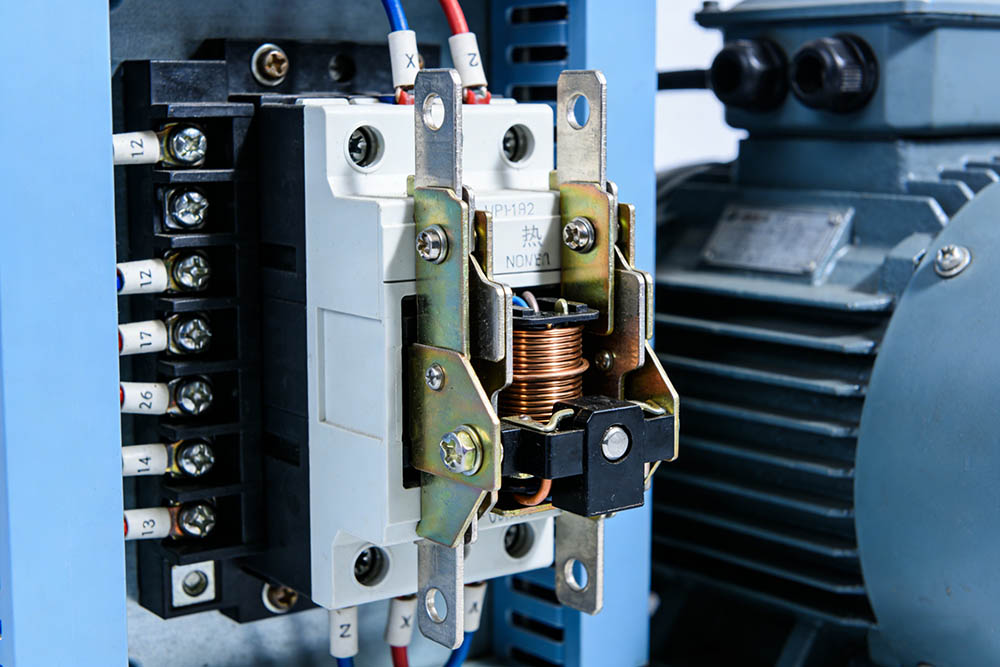
Electronic Overload Relays
Electronic overload relays use current sensors and electronic circuits to monitor the electrical flow continuously. When the current exceeds a set threshold, the relay disconnects the circuit. These relays offer precise and adjustable protection, making them suitable for automated systems or applications where high accuracy is needed. They also provide faster response and greater flexibility compared to thermal and magnetic types.
Comparison of Overload Relay Types
| Type | Detection Method | Response | Typical Use | Features |
| Thermal | Bimetallic strip heated by current | Moderate | Motors with stable loads | Cost-effective, simple, suitable for standard industrial and residential use |
| Magnetic | Electromagnet and plunger | Fast | Motors with frequent starting and stopping | Quick response, less sensitive to temperature, suitable for high-frequency applications |
| Electronic | Current sensors and electronic circuits | Very fast | Automated systems and complex loads | High precision, adjustable, flexible protection, fast response |
Key Functions of Overload Relays
Overload relays are responsible for protecting electrical systems and ensuring motors and other components run efficiently. Understanding their functions helps you select the right relay for your system and prevent damage.
Motor Protection
The primary function of overload relays is to protect motors from damage caused by excessive current. When a motor is overloaded, the relay detects the increase in current and interrupts the power supply to prevent the motor from overheating. This protection helps extend the motor’s lifespan and prevent costly repairs or replacements.
System Overcurrent Protection
In addition to motor protection, overload relays also provide overcurrent protection for the entire system. By disconnecting the circuit when an overcurrent condition occurs, these relays prevent damage to other components of the system, such as wiring, transformers, or control panels.
Fault Indication
Many electronic overload relays come with fault indication features. These relays can send out signals or warnings when an overload condition occurs, making it easier for maintenance teams to detect and address the issue promptly. This feature is especially useful in systems that operate in remote or hard-to-access locations.
Industry Applications for Overload Relays
Overload relays are widely used in various industries to protect equipment from damage caused by overcurrent conditions. They are designed to prevent equipment failure by disconnecting the circuit when excessive current is detected. The following sections highlight the key applications where overload relays are used to ensure the safety and efficiency of equipment.
Manufacturing
Overload relays are commonly used to protect conveyor motors, which operate continuously in manufacturing systems. These motors often experience varying loads throughout their operation. The overload relays are capable of handling voltages up to 690V and currents from 0.1A to 630A, making them ideal for 8-hour or continuous duty operations.
HVAC Systems
In HVAC systems, overload relays protect compressors and blower motors. These motors often face high inrush currents during startup and varying load conditions during operation. Overload relays ensure that the motors operate safely, preventing overheating and reducing the risk of system failure.
Water Treatment
In water treatment facilities, overload relays protect pump motors that operate in humid and harsh environments. These relays are designed to withstand high moisture levels, making them suitable for systems such as sewage treatment plants or water filtration systems. They help maintain the efficiency of pump motors and prevent damage due to overcurrent.
Data Centers
Overload relays are used in data centers to protect backup generators during power transfer operations. The systems require automatic transfer switches (ATS) to respond in less than 100 milliseconds to ensure the electrical load is quickly shifted to backup power without disrupting operations. Overload relays play a key role in ensuring smooth power transfer, preventing damage to sensitive equipment.
How to Choose the Right Overload Relay for Your System
Match to Motor Rated Current
When choosing an overload relay, it is essential to match the relay’s current rating with the motor’s rated current. A relay that is too small will trip too often, while a relay that is too large may fail to provide adequate protection. Selecting the correct size ensures optimal protection and the longevity of the motor.
Choose Based on Load Characteristics
The type of overload relay you select should be based on the load characteristics of your system. For systems that require rapid response to overloads, magnetic or electronic relays are recommended. For more stable loads, thermal overload relays may be sufficient.
Consider Environmental Conditions
Environmental factors such as temperature, humidity, and dust can affect the performance of overload relays. For systems operating in harsh environments, select relays with higher protection ratings to ensure that they continue to function properly under adverse conditions.
Frequently Asked Questions about Overload Relays
Can any overload relay be used with any motor?
It is a common misconception that all overload relays are interchangeable with any motor. In fact, different types of relays are designed for specific operational conditions. Using the wrong type can lead to inefficient protection or failure to safeguard the motor during an overload event.
Can overload relays work independently?
Although overload relays provide crucial protection, they should not be used alone. They need to be paired with other protective devices like circuit breakers and fuses. These components work together to ensure comprehensive protection, helping to keep the system running smoothly and safely.
Choosing the Right Overload Relay for Your Needs
Overload relays provide essential protection for motors and electrical systems. They monitor current flow and disconnect the circuit when an overload is detected to prevent equipment damage. Thermal, magnetic, and electronic relays offer different protection levels based on the specific needs of the system.
When selecting an overload relay, consider factors such as the motor’s rated current, the load type, and the environmental conditions. Kripal offers a range of high-performance overload relays suitable for various industrial, HVAC, and automation applications. For expert advice and to find the right products for your application, contact our professional team.
Related Resources
Explore Knowledge Center >


Need a matching KRIPAL product?
Share voltage, quantity and destination. An engineer will reply with options and lead time.