Search
Knowledge Center
What is a Consumer Unit?
Learn what is a consumer unit, how circuit breakers & RCDs work, and key tips for choosing the right one. Essential guide to home electrical safety.
 April 21, 2026
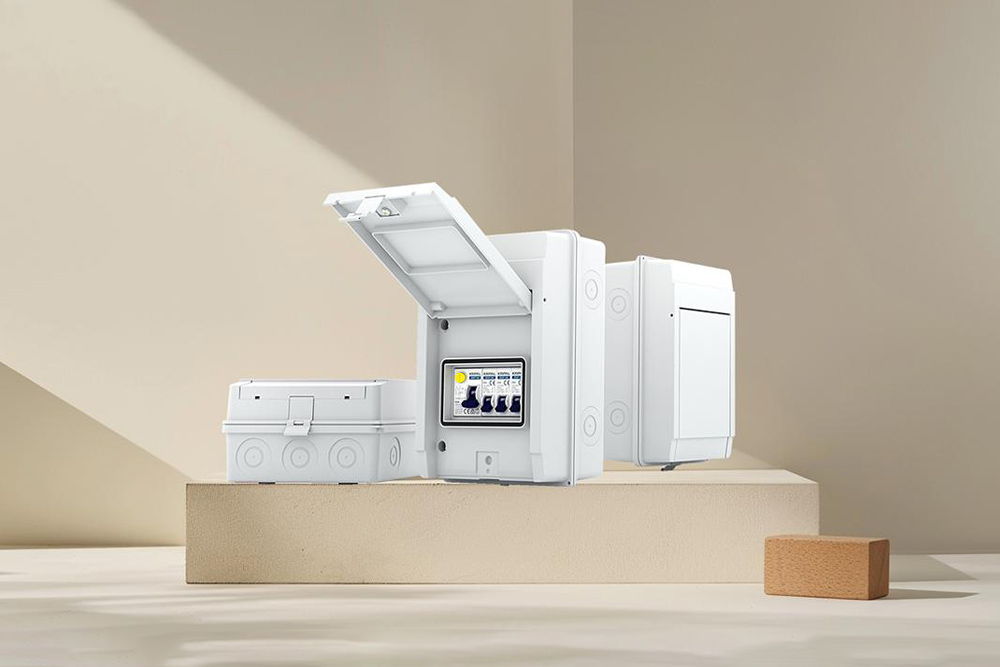
A consumer unit is a part of the home’s electrical system. It is responsible for distributing electricity to various devices and providing circuit protection. This article will introduce the basic components of a consumer unit, its working principles, installation, and maintenance tips, helping you better understand how to ensure electrical safety and stability in your home.
Key Takeaways
- A consumer unit is responsible for distributing electricity to various devices in the home and providing protection.
- Safe use of the consumer unit.
- Choosing the right model and specifications of the consumer unit can enhance the safety of the home’s electrical system.
What is a Consumer Unit?
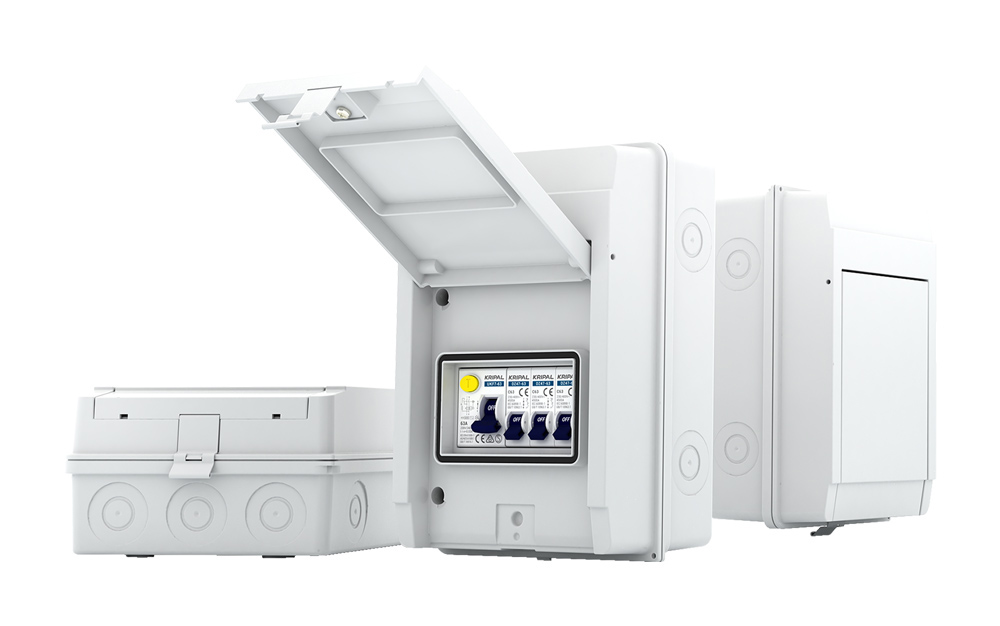
A consumer unit is a core device in the home’s electrical system. It receives power from the grid and distributes it to various electrical devices. It includes protective devices, such as circuit breakers and residual current devices, to ensure the safety of the electrical system in the home.
View KRIPAL Consumer Unit Series →
Components of a Consumer Unit
Consumer Unit Enclosure
The enclosure is the first line of defense to protect the internal electrical components. It is typically made from durable metal or fire-resistant plastic materials. The enclosure not only prevents damage to the internal components from dust, moisture, and external forces but also isolates the electrical components to prevent electrical shocks.
The design of the enclosure generally meets safety standards such as fire, explosion, and water resistance, ensuring that in case of a fault in the electrical system, the risk to people and equipment is minimized.
Circuit Breakers and Residual Current Devices
Circuit Breakers: Circuit breakers are automatic protection devices that disconnect the power supply when the circuit experiences overload or short-circuit issues, preventing damage to the circuit and fires. They can be manually controlled, making maintenance and management easier.
Residual Current Devices: RCDs are safety devices designed to prevent electrical leakage accidents. When leakage occurs, the RCD detects the leakage current and immediately disconnects the power supply, effectively preventing electric shocks. This device is critical for ensuring the safety of family members, especially in wet environments.
Main Switch
The main switch is the core control unit within the consumer unit, responsible for managing and controlling electricity for the entire house. It connects to the power bus and distributes power to different circuits.
The main switch is usually located at the top of the consumer unit or in a prominent position for easy access, enabling quick power shutdown during emergencies or when maintenance is needed, reducing the risk of electrical hazards.
Earthing System
The earthing system is a vital safety measure in the home’s electrical system. It connects electrical appliances or circuits to the ground, effectively directing leakage current into the earth and preventing the current from flowing through the human body, reducing the risk of electric shocks.
The earthing system ensures that in case of a fault, electrical current will flow safely through the earth instead of through the human body or other conductors. The design and maintenance of the earthing system must comply with local electrical safety standards to ensure the safe operation of the home’s electrical system.
How Does a Consumer Unit Work?
Current Distribution
One of the primary functions of a consumer unit is to distribute electricity from the grid to various electrical devices and circuits in the home. Power enters the consumer unit through the main switch, and the current is distributed through different circuits.
Each circuit provides power to a different area or device. For example, separate circuits are typically used for the kitchen, lighting, and water heater, preventing overloading or short-circuit issues. The consumer unit ensures stable operation of electrical devices in the home by accurately distributing current and also makes it easier to manage and maintain.
Protective Function
The protective function of the consumer unit is very important and is mainly achieved through circuit breakers, RCDs, and other devices that safeguard the home’s electrical circuits. When the circuit experiences overload, short-circuit, or leakage, the protective devices in the consumer unit will immediately disconnect the power supply to prevent electrical fires or electric shock accidents.
- Circuit Breakers: Circuit breakers disconnect the circuit when the current exceeds safe limits, preventing overload from causing fires or circuit damage.
- Residual Current Devices (RCDs): RCDs detect leakage current, especially when an electrical appliance’s outer casing becomes live, and disconnect the power to prevent electric shock accidents.
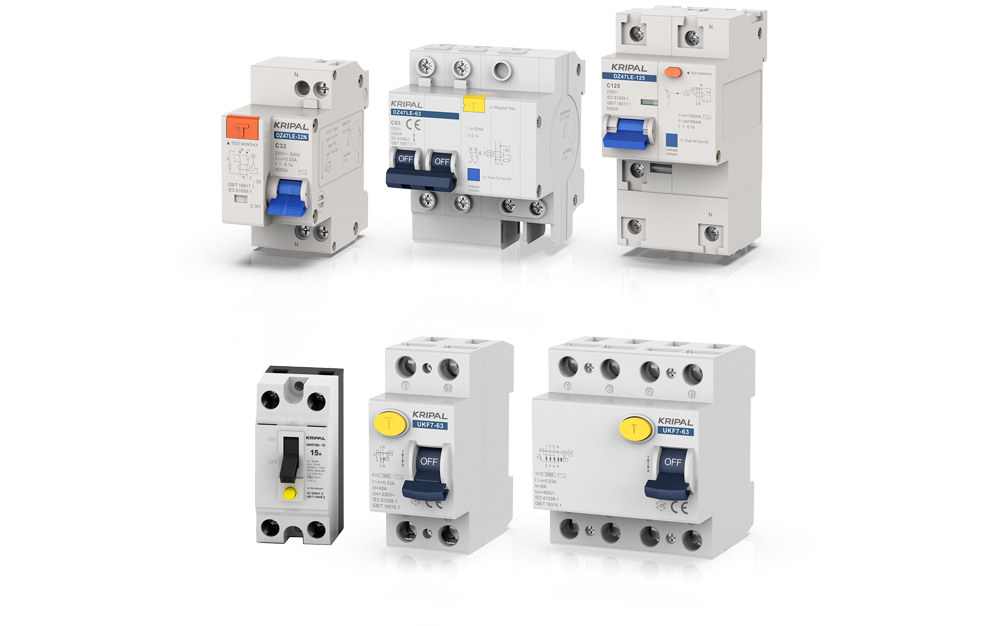
These protective functions work together to ensure the safety of household electricity use.
Electrical Safety and Protection
Electrical safety is a core goal in the design of a consumer unit. The unit is equipped with various safety devices to reduce the risk of electrical accidents and ensure the safety of household members.
- Earthing System: The earthing system connects electrical equipment to the ground, safely directing leakage current into the earth and preventing electric shocks.
- Enclosure Protection: The consumer unit’s enclosure is made of fire-resistant, waterproof, and shockproof materials, further protecting the circuits from external interference and preventing accidental contact with internal electrical components.
- Safety Labels and Warnings: The switches and devices inside the consumer unit are usually clearly labeled with warnings, ensuring that users understand the function of each device and avoid incorrect operation.
Quick Guide: Consumer Unit Essentials
| Feature | Component/Action | Why It Matters for Your Home |
| Main Control | Main Switch | Allows you to instantly shut off all power to the house for emergencies or repairs. |
| Circuit Safety | Circuit Breakers | Automatically trips to stop power if a circuit is overloaded, preventing electrical fires. |
| Life Protection | RCD (Residual Current Device) | Detects tiny electricity leaks and cuts power instantly to prevent fatal electric shocks. |
| System Grounding | Earthing System | Directs stray electricity safely into the ground rather than through a person. |
| Durability | Enclosure (IP Rating) | Protects internal parts from dust and water; high IP ratings are vital for kitchens or outdoors. |
| Maintenance | Annual Inspection | Regular checks by a professional prevent hidden faults from becoming dangerous hazards. |
Choosing the Right Consumer Unit
Choosing the Right Size Based on Household Electrical Load
When selecting a consumer unit, the first factor to consider is the home’s electrical load. For small homes or homes with basic electrical appliances, a consumer unit with a capacity between 63A and 100A is sufficient.
For medium-sized homes or homes with devices like air conditioners, a unit with a capacity between 100A and 150A is recommended. Larger homes or homes with high electrical demands may require a unit with a capacity above 150A. Choosing the right capacity ensures stable power supply and prevents overload.
Adequate Number of Circuits
Each circuit is responsible for supplying power to specific areas or appliances, such as lighting, sockets, and air conditioners. Ensure that the consumer unit has enough circuits to avoid overloading the circuits by using multiple devices on the same circuit. Plan the number of circuits according to the number and function of household appliances, ensuring safety and ease of management.
Unit with Comprehensive Protection Features
The consumer unit should have basic protection functions, such as circuit breakers and RCDs. Circuit breakers prevent overloads and short circuits, while RCDs protect against leakage and electric shocks. These devices are particularly important in wet environments or homes with elderly or young children.
Protection Rating (IP Rating) for the Installation Location
The protection rating of the consumer unit should match the installation environment. For dry indoor environments, an IP2X or IP3X rating is sufficient. For wet environments such as kitchens and bathrooms, an IP4X or higher rating is needed.
If installed outdoors, an IP65 or higher rating is recommended to protect the unit from water and dust, increasing durability and safety.
Brand and Quality Certification Are Important
It is important to choose a consumer unit from a reputable brand and ensure it has quality certifications such as CCC or CE. Well-known brands usually use high-quality materials, providing more reliable electrical safety. Avoid choosing units without a brand or unclear quality to avoid potential safety risks.
Safe Use of a Consumer Unit
Regular Checks and Maintenance
Regularly check the consumer unit to ensure electrical safety. Check for loose connections, damaged wires, or abnormal scorch marks. If any faults or damage are found, promptly repair or replace the components to prevent electrical fires.
Do Not Operate the Power Switches Freely
The power switches and circuit breakers are designed to protect the circuits and should not be operated freely. Power should only be turned off when there is a fault or during maintenance. Avoid frequently switching the main power switch or circuit breakers unless necessary to prevent unnecessary damage to the circuits.
Keep the Consumer Unit Dry and Ventilated
The consumer unit should be installed in a dry, well-ventilated area, avoiding placement in damp or water-prone areas. Moisture can cause electrical components to deteriorate, increasing the risk of faults or electric shocks. Regularly clean the area around the consumer unit and ensure proper ventilation to prevent overheating.
Do Not Modify the Internal Circuits by Yourself
If you need to add appliances or modify the electrical layout, have a professional electrician handle the work. Modifying the internal circuits or adding new appliances can cause circuit mismatches, overloads, or short circuits, potentially leading to fires.
Install Residual Current Devices
Ensure the consumer unit is equipped with RCDs for enhanced electrical safety. RCDs will quickly cut off the power supply in case of leakage, preventing electric shock accidents. They are especially important in bathrooms, kitchens, and other wet environments.
Avoid Overloading Circuits
Avoid connecting too many high-power devices to a single circuit. Ensure that each circuit’s load does not exceed the maximum capacity of the consumer unit. Overloading will cause the circuit breaker to trip, and in severe cases, may damage the circuit. Properly distribute devices to avoid overloading.
Conclusion
A consumer unit not only distributes electricity but also includes protective functions that ensure electrical safety. Regular checks, proper maintenance, and adherence to safe operating guidelines are essential for ensuring the consumer unit operates safely and efficiently for a long time.
KRIPAL offers many models of consumer units, and you can choose one based on your home’s needs. Feel free to visit our homepage for selection.
FAQs
Q Do I need to check the consumer unit regularly?
A: Yes, it is recommended to check it at least once a year, or whenever there is an issue with the circuit.
Q How can I determine if the capacity is sufficient?
A: You can calculate based on the total power of your home appliances or consult a professional electrician for an assessment. Homes with high-power appliances typically require higher capacity.
Q What is an RCD and what does it do?
A: An RCD detects leakage and quickly disconnects the power supply. It effectively prevents electric shocks and is especially crucial in wet environments.
Q Can I install and maintain the consumer unit myself?
A: No, it must be done by a professional electrician. Modifying it yourself can cause electrical hazards such as electric shocks or fires.
Q What should I do if the consumer unit trips?
A: Check for overload, short circuit, or leakage. If the overload is the cause, reduce the number of devices and reset the breaker. If it trips frequently, contact an electrician for inspection.