Search
News
Solar System Circuit Breaker Types and Applications
Learn about solar system circuit breaker types, applications, and why specialized protection matters. Compare MCB vs MCCB for photovoltaic systems and ensure solar safety.
 March 24, 2026
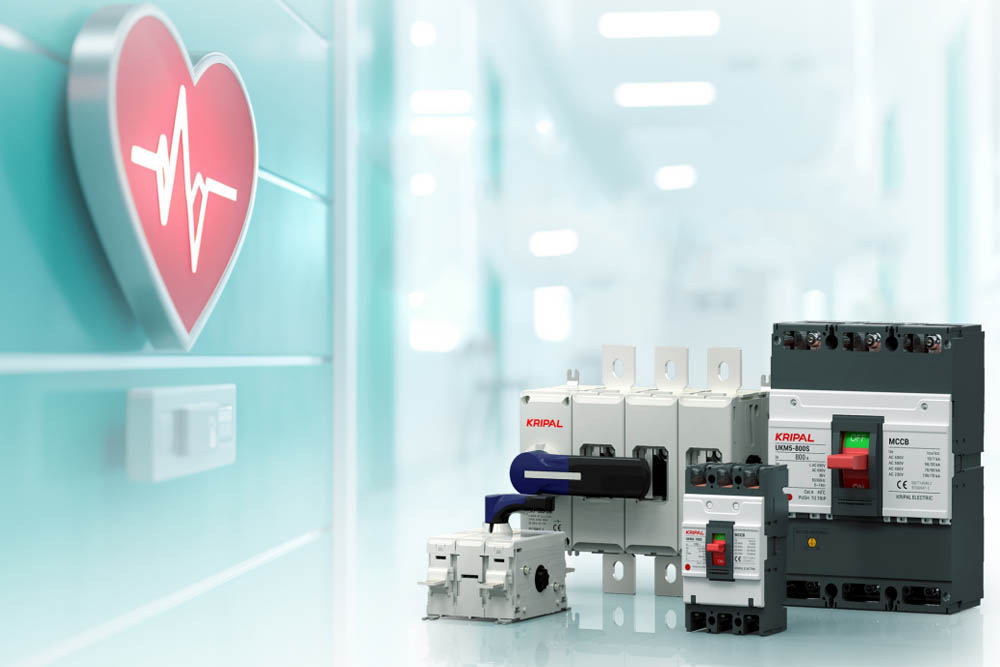
Installing a reliable solar photovoltaic system requires much more than just mounting panels on a roof. Protecting the entire infrastructure from electrical faults remains the most important step in the engineering process. Because renewable energy systems operate using continuous direct current electricity they demand highly specialized protective devices. In this comprehensive guide we will explore the specific types of direct current circuit breakers their primary applications across different facility sizes and how to select the right certified components for your next project.
Why Solar Systems Require Specialized Circuit Breakers
Standard alternating current electricity supplied by municipal grids constantly reverses direction dropping to zero volts dozens of times every second. This natural zero crossing point makes it relatively easy for standard building breakers to extinguish an electrical arc.
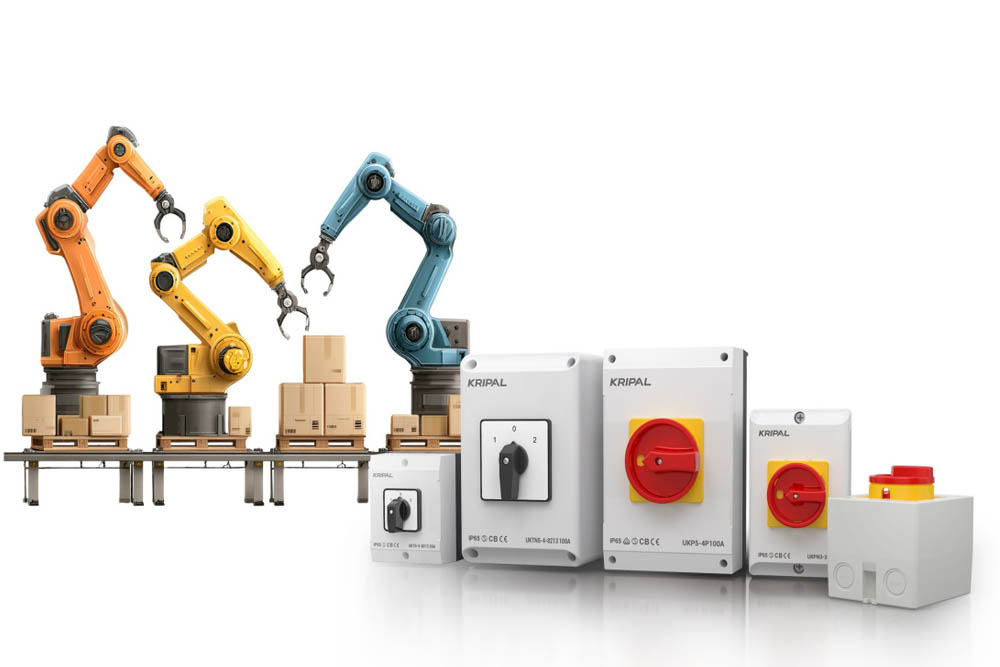
Direct current electricity generated by solar panels behaves entirely differently. It flows continuously in one single direction. When a fault occurs or a switch opens this continuous power creates a sustained and extremely hot electrical arc. If a facility manager attempts to use standard alternating current breakers in a solar grid those breakers will instantly melt and cause severe electrical fires. Specialized direct current circuit breakers feature advanced magnetic blowouts and complex arc extinguishing chambers specifically designed to stretch and cool these massive plasma arcs safely.
What is a Solar System Circuit Breaker
A solar system circuit breaker represents an automatic protection device engineered specifically to shield electrical circuits from massive thermal damage caused by severe overloads or sudden short circuits. Unlike a standard ordinary fuse which operates only once and requires immediate physical replacement a circuit breaker functions as a highly durable and reusable switching mechanism. After a maintenance team clears the underlying electrical fault the breaker can restart either manually or automatically to continue normal grid operations safely.
In photovoltaic power generation applications these specific direct current circuit breakers serve several primary operational purposes
- Safe Isolation and Switching: The device provides a secure manual disconnection point allowing maintenance personnel to safely isolate the solar photovoltaic array battery banks or solar inverters for routine maintenance without fearing live high voltage hazards.
- Transformer Isolated System: Support For designs utilizing transformer isolated inverters engineering standards generally mandate the use of two pole direct current circuit breakers featuring a current limiting capacity of at least 1.25 times the short circuit current of the solar array and 1.2 times the open circuit voltage.
- Active Overcurrent Protection: The device acts as a robust thermal and magnetic shielding unit. When the current flowing through the circuit exceeds the maximum rated capacity due to a mechanical fault or a severe wiring error the breaker trips instantly cutting off the power supply.
- Thermal Damage Prevention: This rapid reaction ensures the protective wire insulation does not melt and prevents the surrounding expensive equipment from experiencing catastrophic thermal destruction.
Facility managers must clearly distinguish between a simple direct current isolator switch and a true direct current circuit breaker. While an operator can use an isolator switch to manually interrupt a circuit to maintain operations it does not provide automatic overcurrent protection. A dedicated circuit breaker delivers the required manual isolation functions alongside active automated fault protection.
Solar Direct Current VS Alternating Current Circuit Breakers
In renewable solar installations replacing a direct current circuit breaker with a standard alternating current circuit breaker ranks among the most common and dangerous engineering mistakes. To untrained individuals these two devices look almost identical externally. For physicists and electrical engineers however understanding the difference between alternating current and direct current miniature circuit breakers reveals entirely distinct internal mechanical structures.
The most significant physical distinction lies in the zero crossing phenomenon.
The Physics of Alternating Current
The polarity of alternating current reverses fifty or sixty times per second depending on the specific grid frequency. During this rapid cycle the voltage drops to absolute zero volts over one hundred times every single second. When an alternating current breaker trips and generates an electrical arc between its metallic contacts it naturally forms a zero voltage point which actively helps extinguish the arc safely.
The Danger of Direct Current
Direct current delivers a continuous and unyielding voltage completely lacking any natural zero crossing points. When you attempt to break a live circuit carrying high voltage direct current the resulting electrical arc will not extinguish itself naturally.
The Plasma Bridge Effect
Instead of dissipating the arc transforms into a continuous and highly stable plasma bridge generating massive amounts of thermal energy reaching thousands of degrees Celsius.
Catastrophic Equipment Failure
When a contractor mistakenly uses a standard alternating current circuit breaker in a solar direct current circuit the device will likely fail to cut the arc. This failure leads to contact welding meaning the internal contacts melt and fuse together permanently. Alternatively the immense heat completely destroys the outer plastic casing causing devastating electrical fires.
To combat this extreme heat engineers design true solar direct current circuit breakers with highly sophisticated arc extinguishing chambers. These internal chambers utilize powerful magnetic blowout coils to forcefully stretch the electrical arc and push it deep into specialized arc chutes where the plasma arc divides and cools rapidly.
| Physical Characteristic | Alternating Current Breakers | Direct Current Solar Breakers |
| Natural Zero Crossing | Yes occurs dozens of times per second | No continuous voltage flow |
| Arc Extinguishing Method | Relies on natural voltage drops | Requires powerful magnetic blowouts and arc chutes |
| Contact Welding Risk | Very low under normal conditions | Extremely high if the wrong breaker type is used |
| Primary Application | Standard commercial building wiring | Solar photovoltaic arrays and battery storage systems |
Primary Types of Solar Circuit Breakers
Engineers must match the physical size and tripping capacity of the protective breaker to the specific demands of the solar installation. The renewable energy industry relies primarily on two main categories of protective devices to maintain grid stability.
Direct Current Miniature Circuit Breakers
For residential installations and small commercial rooftops engineers utilize a direct current miniature circuit breaker. These compact protective devices typically mount onto standard rails inside small enclosures. They employ a highly effective dual thermal magnetic trip mechanism.
- Thermal Protection: A bimetallic strip bends slowly to break the circuit during a gradual continuous overload protecting cables from slow overheating.
- Magnetic Protection: An internal electromagnetic coil snaps the circuit open instantly during a sudden short circuit fault preventing immediate explosive damage.
- Application: These compact devices perfectly protect individual solar panel strings and small central inverter inputs.
Direct Current Moulded Case Circuit Breakers
Massive utility scale solar farms and large industrial complexes generate enormous amounts of electricity. To manage these immense heavy loads facility operators install a direct current moulded case circuit breaker.
- Robust Construction: These heavy duty units feature thick thermoset plastic housings engineered specifically to contain the explosive physical force of a massive electrical short circuit.
- High Capacity Handling: They offer significantly higher amperage ratings and superior short circuit breaking capacities.
- Application: They serve as the absolute standard for heavy industrial renewable energy projects protecting main transmission lines and massive battery storage banks.
| Breaker Category | Typical Amperage Range | Primary Trip Mechanism | Ideal Installation Environment |
| Miniature Circuit Breaker | Up to 63 Amperes | Fixed Thermal Magnetic | Residential arrays and small string combiner boxes |
| Moulded Case Circuit Breaker | 63 to 1000 Amperes or more | Adjustable Thermal Magnetic or Electronic | Utility scale solar farms and main inverter connections |
Common Applications Within a Solar Power Grid
Direct current circuit breakers provide localized protection at multiple stages throughout the entire solar generation process. Understanding exactly where to place these devices helps ensure total facility grid stability.
- Protection Inside Solar Combiner Boxes: When a project involves dozens of panel strings engineers route all those cables into a centralized combiner box. Inside this enclosure individual miniature circuit breakers protect each specific string from dangerous reverse currents that could flow backwards from damaged shaded panels.
- Main Inverter Protection: The main inverter acts as the highly expensive brain of the solar facility. Placing high capacity moulded case circuit breakers between the massive solar array and the inverter input ensures that unpredictable voltage spikes never reach the sensitive electronic conversion chips.
- Battery Storage Integration: Modern solar facilities often include large chemical battery storage banks to hold excess generation. Because batteries can discharge massive amounts of raw energy instantly during a short circuit engineers must install robust circuit breakers to separate the battery bank from the rest of the grid safely.
Selecting the Right Breaker and the Value of Certifications
Choosing the correct protective equipment requires a careful and highly accurate evaluation of your specific engineering parameters. You cannot simply guess the required electrical capacity.
- Voltage Calculation: You must calculate the maximum theoretical open circuit voltage of your entire solar array considering the lowest possible winter temperatures which naturally increase panel voltage output. Your chosen breaker must exceed this maximum rating safely.
- Current Calculation: You must determine the continuous operating current to select a breaker that will not trip prematurely during normal peak summer generation when temperatures rise significantly.
Beyond basic mathematical calculations the physical manufacturing quality of the protective device matters immensely. Outdoor solar environments subject electrical components to extreme summer heat heavy moisture and freezing winter temperatures. This harsh reality makes international safety certifications absolutely necessary for long term project survival.
| Selection Criteria | Engineering Requirement | Impact on Solar System |
| Maximum Voltage Rating | Must exceed array open circuit voltage | Prevents voltage from jumping across open breaker contacts |
| Continuous Current Rating | Must handle maximum summer generation | Prevents nuisance tripping during peak sunlight hours |
| Environmental Protection | Must feature highly durable enclosures | Protects internal mechanics from dust and extreme moisture |
| Laboratory Certifications | Must carry international safety approvals | Guarantees the breaker performs perfectly under extreme stress |
Kripal manufactures a complete line of direct current protection devices that carry rigorous third party laboratory certifications. These global testing approvals prove that our circuit breakers maintain their precise trip curves and extinguish plasma arcs safely even after thousands of operational cycles under severe environmental stress. Relying on fully certified equipment guarantees smooth municipal grid inspections and ensures your commercial facility meets the strictest property insurance requirements.
Final Thoughts
Protecting a major solar infrastructure investment means understanding the underlying physics of continuous direct current electricity and deploying the exact right hardware for each specific electrical zone. From small residential string protection using compact miniature breakers to massive industrial grid management relying on robust moulded case units selecting the correct direct current circuit breaker prevents severe thermal damage. Proper selection ultimately guarantees long term operational stability and a reliable financial return for your entire renewable energy facility.
Upgrade your renewable energy projects with fully certified industrial protection today. Explore the complete range of premium solar electrical components at Kripal. We build advanced direct current circuit breakers designed specifically to handle the harshest environmental conditions and the most demanding electrical loads. Visit our engineering catalog to find the exact protective devices your facility requires and let our technical team help you build a safer more reliable power grid.
Related Resources
Explore News >
How can we assist you?
Tell us a bit more so we can route your request to the right expert.