Search
Knowledge Center
What is the difference between relay and overload?
Explore the key differences in functions and principles between a relay vs overload relay to choose the right option for control and protection.
 December 18, 2025
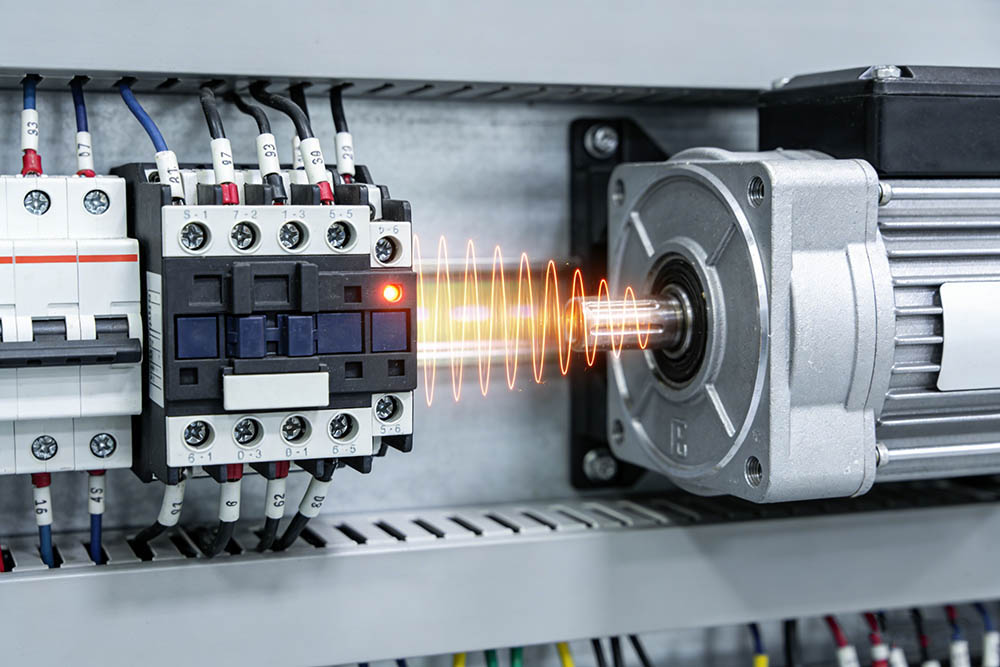
In electrical systems, relays and overload relays are vital components for protection and control. While they share some similarities in function, their working principles and applications differ. This article will help readers understand the key differences between relays and overload relays, as well as their significance in practical applications.
Key Takeaway
- Relay: Used for automatic control to switch high-current equipment using low-current signals.
- Overload relay: Used to protect devices, such as motors, from damage caused by overcurrent.
- Main difference: A relay focuses on circuit control, while an overload relay focuses on current protection.
What is a Thermal Relay?
A thermal relay protects motors from overload by monitoring current. When overcurrent occurs, its heating element trips and cuts off the circuit, preventing damage. It works via the thermal effect and is widely used for motor overload protection.
What is an Overload Thermal Relay?
An overload thermal relay is a protection device specifically designed to protect motors and other electrical equipment from overload damage. It operates based on the heat effect generated by current flow. When the current flowing through a motor or equipment exceeds the set safe value, the heating element inside the overload thermal relay will heat up, triggering a mechanical device that cuts off the circuit to prevent the equipment from being damaged by prolonged overload.
What Are the Advantages of Overload Thermal Relays?
Overload thermal relays feature a simple structure, easy operation and adjustment, low failure rate, and reliable performance. They are cost-effective and ideal for most industrial equipment.

Many have automatic reset, which improves system continuity and reduces downtime. They monitor current in real time and quickly cut off the circuit during overload, protecting motors from overheating and burnout.
Based on the thermal effect of current, they respond well to temperature changes. They are widely used in motors, pumps, air conditioning, and machinery, making them versatile for various electrical protection needs.
What Are the Differences Between a Relay and an Overload Relay?
Function
A relay is primarily used for circuit switching control, allowing a low-current signal to control a high-current circuit. It is commonly used in automation control systems for starting or stopping equipment or switching circuits. In contrast, an overload relay is designed to protect electrical equipment, particularly motors, from damage caused by excessive current. It monitors current fluctuations and automatically cuts off the power supply when the current exceeds the safe range to prevent equipment from burning out due to overload.
Working Principle
A relay works based on electromagnetic induction. When current is applied to the input side, an electromagnetic field is generated, causing the relay’s contacts to either close or open, thus controlling the high-current circuit. In comparison, an overload relay typically operates based on the heat effect principle. When excessive current flows, the heating element inside the relay heats up, triggering a mechanical device that cuts off the circuit to prevent the motor from damage caused by prolonged overload.
Protection Function
A relay does not provide overload protection and is used only for controlling circuit switching. In contrast, an overload relay offers overload protection, monitoring current levels and cutting off the power when an overload occurs, thereby preventing damage from excessive current. It is specifically designed for equipment protection, particularly in motors and similar devices.
What Are the More Extensive Applications of Overload Thermal Relays Compared to Relays?
Overload thermal relays are extensively used in motor protection, especially in industrial equipment. Their primary function is to prevent motors from overheating and burning out due to overload. When the motor’s current exceeds the set safe value, the overload thermal relay will automatically disconnect the power, preventing the motor from burning out. This protective function is not provided by a regular relay, making the overload thermal relay essential in motor-driven systems.
In addition to motors, overload thermal relays are also widely used in protecting other mechanical equipment from overload. For example, they are employed in pumps, fans, compressors, and other devices to prevent them from being damaged by excessive load. They respond promptly to current fluctuations, ensuring that equipment does not operate under overload conditions for extended periods.
In electrical control systems, overload thermal relays are used as protective devices, typically working alongside starters and switches to protect the entire system from overload current. They play an important role in power distribution and electrical control systems, cutting off the power supply when excessive current is detected to avoid further equipment damage.
Overload thermal relays are also used in household appliances, such as air conditioners and refrigerators. They disconnect the power when the device experiences a malfunction or overload, protecting the device from damage and prolonging its lifespan.
In industrial automation, overload thermal relays are commonly used to protect various production equipment. For instance, in conveyor belts, elevators, and other automated equipment, overload thermal relays prevent equipment from running under abnormal load conditions, ensuring smooth production line operations.
How to Choose Between a Relay and an Overload Relay?
Application Purpose
If the main requirement is controlling the switching of circuits, a relay is more suitable. It allows low-current signals to control high-current circuits and is commonly used in automation control systems, such as remote control, timing switches, and signal conversion. If protecting equipment from overload damage, especially motors and other electrical devices, is needed, an overload relay is more appropriate. It monitors current and automatically cuts off the power when the current exceeds safe limits, preventing damage due to prolonged overload.
Protection Needs
For motors, pumps, fans, and similar equipment that may face overload risks, an overload relay should be the preferred choice. It can detect current changes in real-time and provide overload protection to prevent equipment from overheating or burning out. If the device only requires basic circuit switching, such as controlling lights or fans, a regular relay will suffice.
Working Environment
If the device requires frequent starting and stopping, or operates in an automation control system, a regular relay is more appropriate. It is versatile and can be used for various low-current control applications. For devices operating under high load or facing potential overloads, particularly in heavy machinery in industrial environments, an overload relay is the ideal choice. It can protect equipment from damage caused by overloads.
Cost and Complexity
Regular relays are relatively inexpensive and simple in design, making them suitable for most basic control applications. For simple circuit switching needs, a regular relay is cost-effective. Overload relays, while slightly more expensive, offer essential protection for motors and other equipment. For applications where protection against overload is required, an overload relay effectively prevents equipment from damage due to excessive current, reducing repair and replacement costs.
Conclusion
In electrical systems, relays and overload relays both serve significant roles, but they differ in functionality, applications, and selection criteria. The choice depends on the specific needs of the application. When selecting, one must consider the application environment, equipment requirements, cost considerations, and protection functions to ensure the safety and reliability of electrical systems.
KRIPAL offers a wide range of relays to provide solutions for all your needs in this area. Visit our product page to find the best solutions tailored to your requirements.
FAQs
Q: What is a regular relay?
A: A regular relay controls circuit switching, using low-current signals to manage high-current circuits, commonly in automation systems.
Q: What is an overload relay?
A: An overload relay protects electrical equipment, especially motors, by cutting off power when current exceeds safe limits, preventing overload damage.
Q: What is the difference between a regular relay and an overload relay?
A: A regular relay controls circuit switching, while an overload relay protects against overload damage by cutting off power when current is too high.
Q: When should I use a regular relay?
A: Use a regular relay for circuit switching and control, without the need for overload protection.
Q: When should I use an overload relay?
A: Use an overload relay to protect equipment, especially motors, from damage due to overload.
Q: What is the difference between a thermal overload relay and a regular relay?
A: A thermal overload relay provides overload protection, while a regular relay is used for switching circuits without overload protection.
Q: What are the selection criteria for a regular relay and an overload relay?
A: Choose a regular relay for circuit switching; use an overload relay for protecting equipment from overload damage.
Q: What are the advantages of a thermal overload relay?
A: A thermal overload relay prevents equipment damage from excessive current, ensuring safe operation by cutting power during overloads.
Related Resources
Explore Knowledge Center >

Need a matching KRIPAL product?
Share voltage, quantity and destination. An engineer will reply with options and lead time.